When it comes to packing a nutritious and delicious lunch, keeping food fresh and safe to eat is paramount. One of the best ways to achieve this is by using ice packs in your lunch box. This article explores the importance of ice packs, their types, benefits, and tips for choosing the right ones for your lunch box. By understanding the role of ice packs, you can ensure that your meals remain enjoyable and safe, no matter where your day takes you.
Table of Contents
Understanding Ice Packs
What Are Ice Packs?
Ice packs are portable cooling devices designed to maintain low temperatures in lunch boxes, coolers, and bags. They come in various shapes, sizes, and materials, making them versatile for different uses. Typically, ice packs are filled with a gel or liquid that freezes and retains cold temperatures for extended periods. This versatility allows them to be used not only for lunches but also for picnics, road trips, and outdoor activities, making them a staple for anyone who enjoys meals on the go.
How Do Ice Packs Work?
Ice packs work by absorbing heat from the surrounding environment. When placed in a lunch box, they lower the temperature inside, preventing food from spoiling. The effectiveness of an ice pack depends on its size, the material used, and the ambient temperature. The science behind ice packs involves thermal conductivity, where the cold temperature of the ice pack transfers to the warmer air and food items in the lunch box, creating a cooler environment. This process is crucial for maintaining food safety, especially during hot weather or long commutes.
The Importance of Ice Packs in Lunch Boxes
Keeping Food Fresh
One of the primary reasons to use ice packs in lunch boxes is to keep food fresh. Perishable items like dairy products, meats, and certain fruits can spoil quickly if not kept at safe temperatures. Ice packs help maintain a cool environment, reducing the risk of foodborne illnesses. For instance, foods like yogurt and cheese can develop harmful bacteria if left at room temperature for too long. By using ice packs, you can extend the shelf life of your food, ensuring that it remains safe and delicious until lunchtime.
Enhancing Taste and Texture
Food that is kept at the right temperature not only stays safe to eat but also retains its taste and texture. For instance, salads remain crisp, fruits stay juicy, and sandwiches do not become soggy when ice packs are used. This ensures that your lunch is enjoyable and appetizing. The sensory experience of eating is significantly enhanced when food is served at the right temperature. Cold pasta salads, for example, are refreshing on a hot day, while chilled fruits can be a delightful treat. Ice packs help maintain these qualities, making your lunch more satisfying.
Convenience for On-the-Go Meals
For those who lead busy lives, packing a lunch is a convenient way to eat healthy. Ice packs make it easy to prepare meals in advance and take them on the go. Whether you are heading to work, school, or a picnic, ice packs ensure that your food remains fresh until you are ready to eat. This convenience not only saves time but also encourages healthier eating habits. Instead of opting for fast food or unhealthy snacks, you can enjoy a well-balanced meal that you prepared yourself, all thanks to the reliability of ice packs.
Types of Ice Packs
Gel Ice Packs
Gel ice packs are popular for lunch boxes due to their flexibility and effectiveness. They are filled with a gel that freezes solid and can be reused multiple times. Gel packs are available in various sizes, making them suitable for different lunch box designs. Their flexibility allows them to conform to the shape of the food items, providing better contact and cooling efficiency. Additionally, gel packs often have a longer cooling duration compared to traditional ice packs, making them ideal for extended outings.
Hard Ice Packs
Hard ice packs are typically made of plastic and filled with a liquid that freezes. They are more rigid than gel packs and can provide longer-lasting cooling. However, they may take up more space in your lunch box. These packs are particularly useful for larger coolers or when you need to keep a significant amount of food cold for an extended period. Their durability makes them suitable for outdoor activities, such as camping or beach trips, where access to refrigeration is limited.
Slim Ice Packs
Slim ice packs are designed to fit easily into lunch boxes without taking up too much space. They are ideal for those who prefer a compact lunch box. Despite their slim profile, they can still provide effective cooling for your food. These packs are perfect for smaller lunch containers or for packing alongside other items without overcrowding. Their design allows for easy stacking and organization, making them a favorite among students and professionals alike.
Built-in Ice Packs
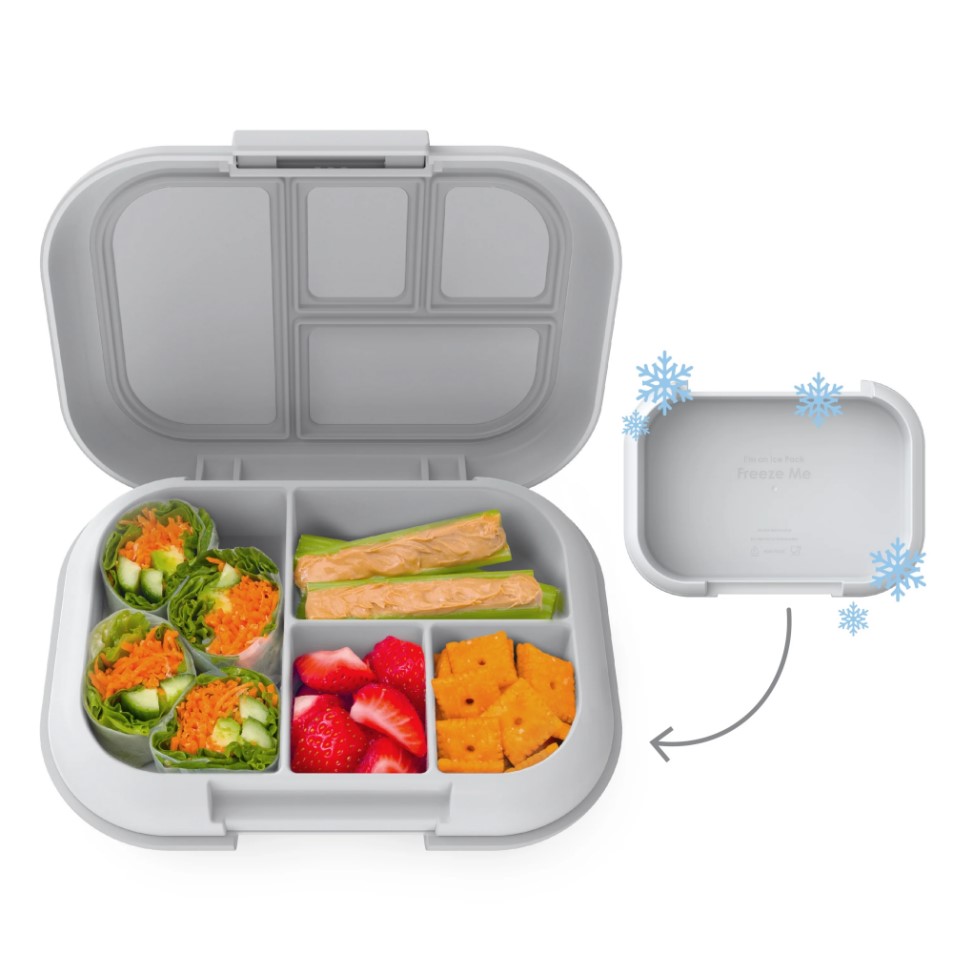
Some lunch boxes come with built-in ice packs, which are integrated into the design. These lunch boxes are convenient as they eliminate the need to carry separate ice packs. They are often designed to be lightweight and easy to clean. Built-in ice packs can be particularly beneficial for children, as they simplify the packing process for parents. With these lunch boxes, you can ensure that your child’s meal stays fresh without the hassle of additional items.
Choosing the Right Ice Pack for Your Lunch Box
Size Matters
When selecting an ice pack, consider the size of your lunch box. A larger ice pack may provide more cooling power, but it could also take up valuable space. Conversely, a smaller ice pack may fit better but might not keep your food as cold. It’s essential to strike a balance between size and cooling efficiency. Assess your typical lunch items and choose an ice pack that complements your packing style while ensuring optimal temperature control.
Freezing Time
Different ice packs have varying freezing times. Some may require several hours to freeze completely, while others can freeze in a shorter time. If you need to pack your lunch quickly, look for ice packs that freeze rapidly. Understanding the freezing time can help you plan your meal prep more effectively. For instance, if you know you’ll be packing lunch in the morning, you can prepare your ice packs the night before to ensure they are ready to go.
Durability
Choose ice packs made from durable materials that can withstand regular use. Look for packs that are leak-proof and resistant to punctures, ensuring they last longer and do not create messes in your lunch box. Durability is especially important if you plan to use the ice packs frequently or for outdoor activities. Investing in high-quality ice packs can save you money in the long run, as you won’t need to replace them as often.
Reusability
Reusable ice packs are more environmentally friendly and cost-effective in the long run. Opt for packs that can be refrozen multiple times without losing their cooling ability. This not only helps reduce waste but also ensures that you always have a reliable cooling solution on hand. Many modern ice packs are designed for repeated use, making them a sustainable choice for eco-conscious consumers.
Tips for Using Ice Packs in Your Lunch Box
Pre-chill Your Lunch Box
Before packing your lunch, consider pre-chilling your lunch box by placing it in the refrigerator or freezer for a short time. This helps enhance the cooling effect of the ice packs. A pre-chilled lunch box can significantly improve the overall temperature control, ensuring that your food stays fresh for longer periods. This simple step can make a noticeable difference, especially during hot summer days.
Layering Your Food
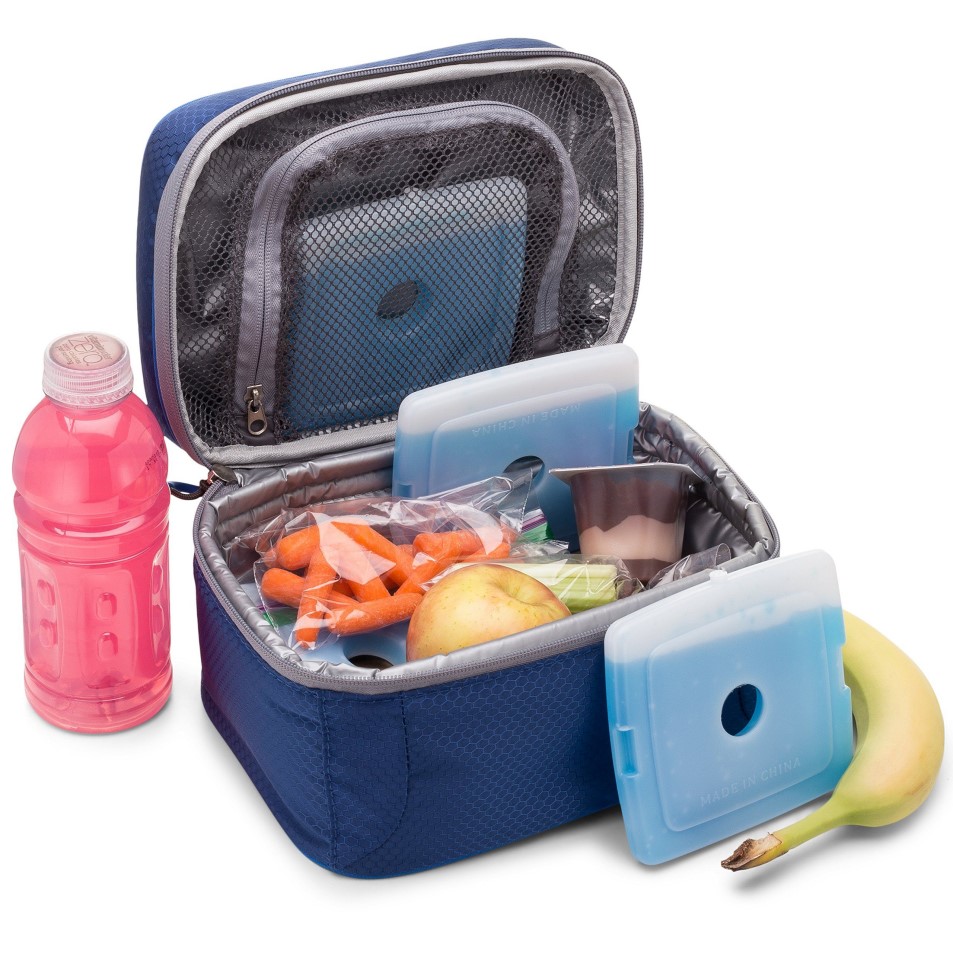
When packing your lunch, layer your food items strategically. Place the ice pack at the bottom of the lunch box, followed by heavier items, and then lighter items on top. This helps maintain an even temperature throughout the box. Proper layering not only optimizes cooling but also prevents squishing delicate items like fruits or salads. By organizing your lunch this way, you can ensure that everything remains intact and ready to eat.
Use Multiple Ice Packs
If you are packing a larger lunch box or multiple meals, consider using more than one ice pack. This ensures that all items stay cool and fresh, especially during hot weather. Using multiple ice packs can also help distribute the cooling effect more evenly, preventing any hot spots that could lead to spoilage. This is particularly useful for family outings or when preparing lunches for several people.
Monitor Temperature
If possible, use a food thermometer to check the temperature of your packed lunch. Ideally, perishable foods should be kept at or below 40°F (4°C) to prevent spoilage. Monitoring the temperature can help you ensure that your food remains safe to eat, especially if you are unsure about the effectiveness of your ice packs. This extra step can provide peace of mind, particularly for parents packing lunches for their children.
Clean Your Ice Packs Regularly
To maintain hygiene, clean your ice packs regularly. Follow the manufacturer’s instructions for cleaning to ensure they remain safe for food contact. Regular cleaning helps prevent the buildup of bacteria and odors, ensuring that your ice packs are always ready for use. This is especially important if you use your ice packs for different types of food, as cross-contamination can occur if they are not properly maintained.
Conclusion
Ice packs are an essential component of any lunch box, providing the necessary cooling to keep food fresh, safe, and enjoyable. By understanding the different types of ice packs and how to use them effectively, you can enhance your lunch experience. Whether you are packing a meal for work, school, or a picnic, the right ice pack can make all the difference. With the right knowledge and tools, you can enjoy delicious, safe meals wherever you go.
How to purchase:https://looperbuy.com/search?keywords=Ice+Packs+for+Lunch+Box
Frequently Asked Questions
1. How long do ice packs last in a lunch box?
Ice packs can last anywhere from 4 to 12 hours, depending on the type, size, and ambient temperature. The duration can vary based on how well the lunch box is insulated and the initial temperature of the food.
2. Can I use regular ice instead of ice packs?
While regular ice can work, it can create a mess as it melts. Ice packs are designed to contain the cold without leaking, making them a more practical choice for lunch boxes.
3. Are ice packs safe for food?
Yes, most ice packs are made from food-safe materials. Always check the packaging for safety certifications to ensure they are suitable for food contact.
4. How do I clean my ice packs?
Most ice packs can be wiped down with soap and water. Some may be dishwasher safe, so check the manufacturer’s instructions for the best cleaning method.
5. Can I freeze ice packs overnight?
Yes, most ice packs can be frozen overnight to ensure they are ready for use the next day. This is a great way to prepare for a busy morning and ensure your lunch stays cool.