Table of Contents
Introduction to Drop Shipping
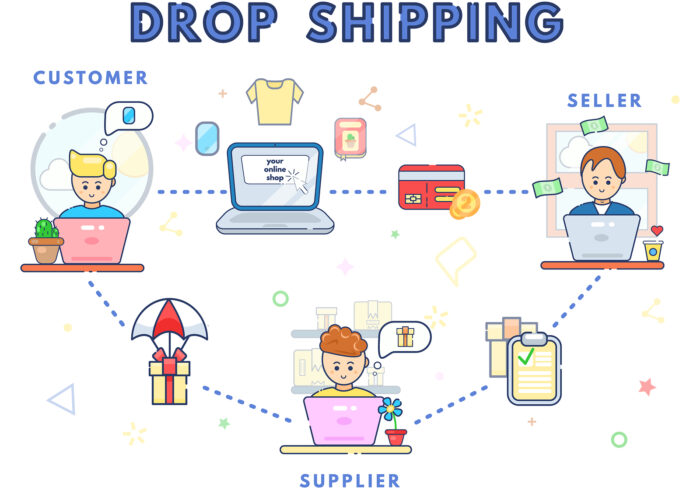
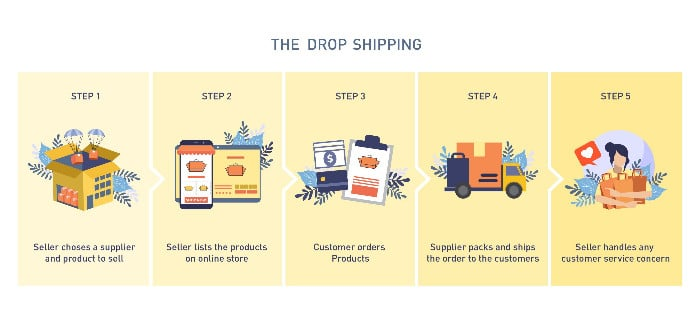
Drop shipping has emerged as a popular business model in the e-commerce landscape, offering entrepreneurs a way to start an online store without the need for significant upfront investment in inventory. This model allows retailers to sell products directly to customers without holding stock, as orders are fulfilled by third-party suppliers. But is drop shipping truly worth it? This article explores the advantages, challenges, and considerations that can help you decide if drop shipping is the right path for your business.
The Allure of Drop Shipping
Drop shipping appeals to many due to its low startup costs and the flexibility it offers. Entrepreneurs can test different products and market niches with minimal financial risk. The model also allows for scalability, making it easier to grow the business as demand increases.
Advantages of Drop Shipping
Low Startup Costs
One of the most significant advantages of drop shipping is the minimal financial investment required to start. Entrepreneurs can launch an online store without purchasing inventory in bulk, making it accessible for individuals with limited capital.
No Inventory Management
Retailers using drop shipping do not need to manage inventory. The responsibility of storing and shipping products falls on the supplier, allowing business owners to focus on marketing, sales, and customer service.
Flexibility and Scalability
Drop shipping allows businesses to quickly adapt to market trends. Retailers can add or remove products based on demand, and the business can scale rapidly during peak seasons or promotional periods by collaborating with multiple suppliers.
Wider Product Range
Retailers can offer a diverse range of products without the constraints of physical storage. This enables businesses to cater to various customer segments and market niches, increasing sales opportunities.
Challenges of Drop Shipping
Supplier Reliability
Finding reliable suppliers is crucial. Unreliable suppliers can lead to shipping delays, damaged products, and poor customer experiences. Retailers must carefully vet and establish strong relationships with their suppliers.
Limited Control Over Shipping
Since the supplier handles shipping, retailers have less control over delivery times and packaging. This can lead to customer complaints if shipments are delayed or products arrive damaged.
Profit Margins
Drop shipping often operates on relatively low profit margins. Retailers must balance competitive pricing with sufficient profit to cover operational costs and generate income.
Customer Service Complexity
Handling customer inquiries and issues can be challenging. Retailers must manage expectations and resolve problems related to product quality, shipping delays, and returns, often without direct control over the fulfillment process.
Is Drop Shipping Worth It? Weighing the Pros and Cons
Evaluating Your Business Goals
To determine if drop shipping is worth it, consider your business goals and risk tolerance. If you are looking for a low-cost entry into e-commerce with the potential for scalability, drop shipping may be a good fit. However, if you prefer more control over your supply chain and are willing to invest in inventory, other models might be more suitable.
Market Research and Niche Selection
Conduct thorough market research to identify profitable niches with lower competition. Understanding your target audience and their preferences is crucial for selecting products that will sell well.
Supplier Due Diligence
Invest time in finding and vetting reliable suppliers. Look for suppliers with a proven track record of timely deliveries and high-quality products. Request samples and read reviews from other retailers to ensure you are partnering with trustworthy suppliers.
Marketing and Growing Your Drop Shipping Business
Creating a Strong Brand Identity
Your brand identity is crucial for attracting and retaining customers. Develop a compelling brand story and visual identity that resonates with your target audience. Ensure your online store reflects your brand’s values and personality.
Effective Online Marketing Strategies
- Social Media Marketing: Utilize platforms like Instagram, Facebook, and TikTok to showcase products through engaging content and influencer collaborations.
- Content Marketing: Create valuable content such as blogs, videos, and guides related to your niche to attract organic traffic and establish authority.
- Paid Advertising: Run targeted Google Ads and social media ads to drive traffic to your drop shipping site.
Managing and Optimizing Your Drop Shipping Business
Building Supplier Relationships
Establish strong relationships with suppliers through clear communication and reliable order volumes. Negotiate favorable terms such as better pricing, faster shipping, and dedicated customer service.
Implementing Efficient Order Management Systems
Use order management systems to track and manage orders seamlessly. Automate processes where possible to reduce manual errors and improve fulfillment times. Many drop shipping sites offer integrated tools to help with this.
Optimizing Customer Experience
Prioritize customer service by responding promptly to inquiries and providing transparent shipping updates. Address issues efficiently to build trust and encourage repeat business. Collect customer feedback to continuously improve your offerings.
Data-Driven Business Decisions
Utilize analytics tools to track sales performance, customer behavior, and marketing effectiveness. Use this data to make informed decisions about product selection, marketing strategies, and business growth opportunities.
Conclusion
Drop shipping can be a worthwhile venture for entrepreneurs looking to enter the e-commerce space with minimal risks. By understanding the model’s mechanics, leveraging its advantages, and addressing its challenges, you can build a successful drop shipping business. Choosing the right niche, finding reliable suppliers, effectively marketing, and continuously optimizing operations are key to long-term success in this competitive space.
If you want to start a dropshipping business without registering on 1688, a good e-commerce platform in China, you can use the one-stop purchasing logistics solution looperbuy: https://looperbuy.com/.
Related Questions & Answers
· How do I find reliable drop shipping suppliers?
Attend trade shows to meet potential suppliers. Check supplier reviews and ratings from other retailers. Start with small orders to test reliability and product quality before committing to larger volumes.
· What are the typical profit margins in drop shipping?
Profit margins vary but generally range from 10% to 30%. They depend on product costs, supplier pricing, marketing expenses, and competitive pricing strategies. Higher margins can be achieved by selecting niche products with less competition or adding value through customized services.
· Can I run a drop shipping business without a website?
While a website is the most common platform, you can also use social media shops (like Instagram Shopping or Facebook Shops), online marketplaces (like eBay or Amazon), or even offline methods such as print-on-demand services. Each channel has its advantages and target audiences.
· How long does it take to set up a drop shipping business?
Basic setup can take as little as a few days to a couple of weeks, depending on your familiarity with e-commerce platforms and supplier onboarding processes. However, effectively launching and growing the business, including marketing and customer acquisition, is an ongoing process that requires continuous effort and optimization.
· What tools do I need to automate my drop shipping business?
Essential tools include e-commerce platforms (Shopify, WooCommerce), supplier management software (Spocket, Dropified), accounting software (QuickBooks), marketing tools (Google Ads, social media management tools), and customer service platforms (Zendesk). Automation can streamline order processing, inventory management, and customer communications.
Hot Tags: Drop Shipping Business Model; E-Commerce Entrepreneurship; Online Retail Strategies; Supplier Management; Inventory-Free Selling; Drop Shipping Marketing; Scalable Business Ideas; Entrepreneurial Startups; E-Commerce Fulfillment