Japanese kitchenware is not just about functionality; it embodies a rich cultural heritage that enhances the culinary experience. This article delves into the various types of Japanese kitchenware, their uses, and the artistry behind them. From traditional utensils to modern innovations, we will explore how these tools can elevate your cooking and dining experience.
Table of Contents
The Essence of Japanese Kitchenware
Japanese kitchenware is characterized by its meticulous craftsmanship, attention to detail, and a deep respect for tradition. Each piece is designed with a specific purpose in mind, reflecting the philosophy of *wa*, which emphasizes harmony and balance in cooking and presentation.
– Cultural Significance: The use of specific tools for various dishes highlights the importance of presentation in Japanese cuisine. This aspect is rooted in the belief that food should be enjoyed not only for its taste but also for its aesthetic appeal.
– Material Variety: Japanese kitchenware is made from diverse materials, including ceramics, wood, metal, and bamboo. Each material has unique properties that contribute to the functionality and beauty of the utensils.
Essential Types of Japanese Kitchenware
1. Donabe (Clay Pot)
Donabe, or earthenware pots, are essential for cooking rice and various hot pot dishes. They retain heat exceptionally well, allowing for even cooking.
– Usage: Ideal for simmering soups and stews, donabe can be used directly on the stove or in an oven. They are often used in communal dining settings where everyone can enjoy a shared hot pot meal.
– Visual Appeal: The rustic look of donabe adds a traditional touch to any dining table. Many donabe pots feature intricate designs that reflect regional styles or seasonal themes.
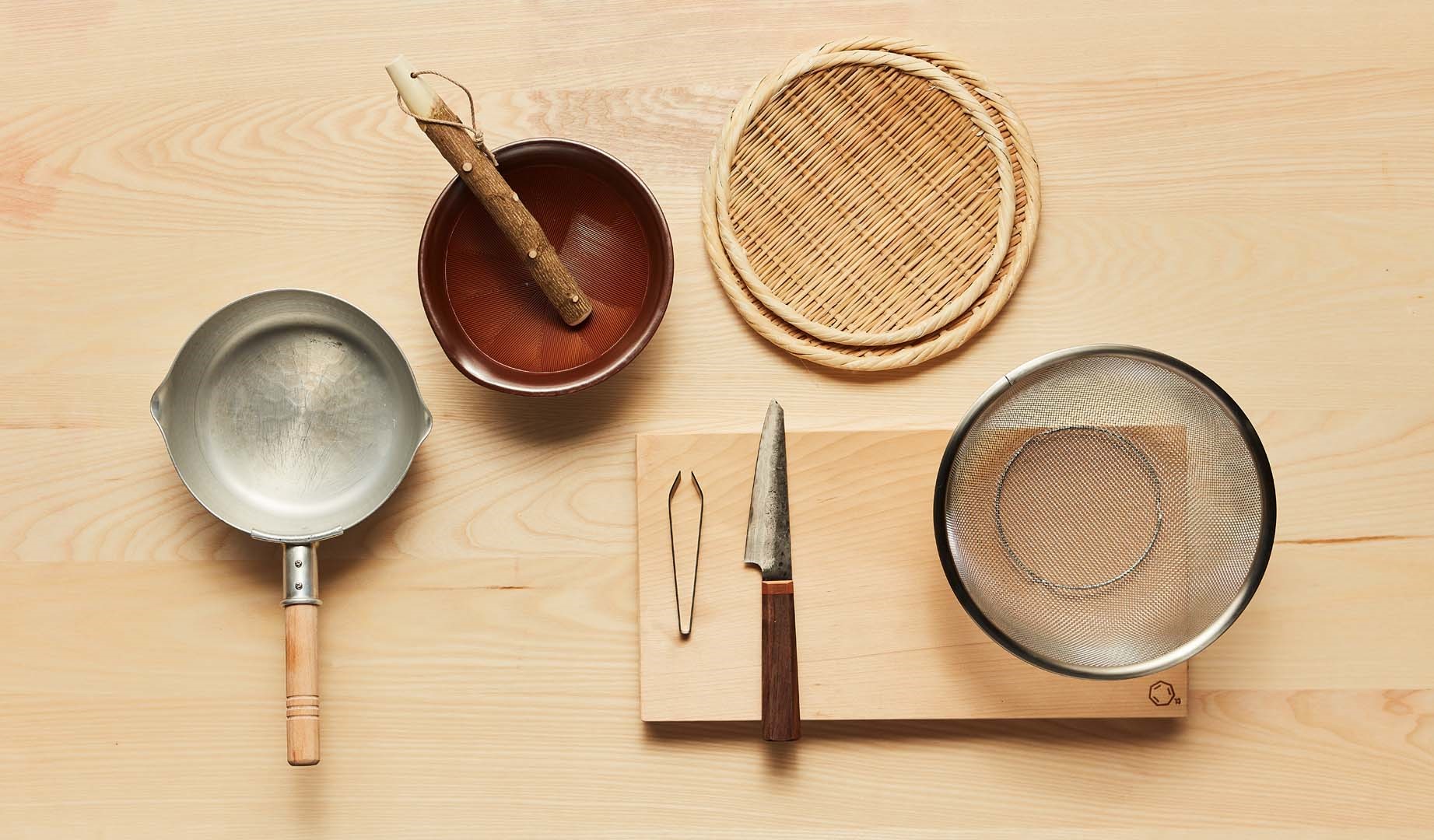
2. Suribachi and Surikogi (Mortar and Pestle)
These traditional tools are used for grinding ingredients like sesame seeds and making sauces.
– Design: The suribachi features a ceramic bowl with ridges that facilitate grinding, while the surikogi is a wooden pestle. The unique design allows for efficient grinding while preserving the flavors of the ingredients.
– Functionality: Perfect for creating fresh pastes and enhancing flavors in dishes. They are especially popular in making *goma-dofu* (sesame tofu) or *nattō* (fermented soybeans).
3. Miso Strainer and Muddler
These tools are essential for making miso soup by dissolving miso paste into broth without clumps.
– Benefits: They ensure a smooth texture in soups and sauces. The miso strainer allows you to easily incorporate miso into your dishes while retaining its delicate flavors.
4. Yukihira Nabe (Stainless Steel Pot)
This versatile pot is used for soups and stews, featuring spouts for easy pouring.
– Efficiency: Heats quickly due to its thin construction. The design allows for precise control over cooking temperatures, making it ideal for delicate dishes like *chawanmushi* (savory egg custard).
– Practicality: Ideal for both home cooks and professional chefs. Its lightweight nature makes it easy to handle during cooking.
5. Bento Boxes
Bento boxes are not just practical; they are also an art form in Japan. These containers come in various designs and materials, often beautifully crafted to enhance the presentation of meals.
– Variety: Available in lacquered wood, plastic, or stainless steel. Traditional bento boxes often feature intricate designs that reflect seasonal motifs or personal stories.
– Cultural Importance: A bento box reflects care and creativity in meal preparation, often seen as a way to show love and appreciation. Preparing bento is considered an art form itself, with attention paid to color balance, texture variety, and overall aesthetics.
Innovative Kitchen Tools
In addition to traditional items, modern Japanese kitchenware includes innovative tools that make cooking easier while maintaining aesthetic appeal.
1. Mandoline Slicer (Benriner)
This tool is renowned for its sharpness and precision, making it a favorite among chefs for slicing vegetables uniformly.
– Advantages: Saves time during meal prep and enhances presentation with perfectly sliced ingredients. It allows cooks to create beautiful garnishes or uniform slices for salads and stir-fries.
2. Tamagoyaki Pan
Used specifically for making tamagoyaki (Japanese omelette), this rectangular pan allows for even cooking and easy flipping of layers.
– Special Features: Often made with non-stick surfaces to prevent sticking during cooking. Some pans have handles that allow easy maneuvering while rolling the omelette.
The Art of Presentation
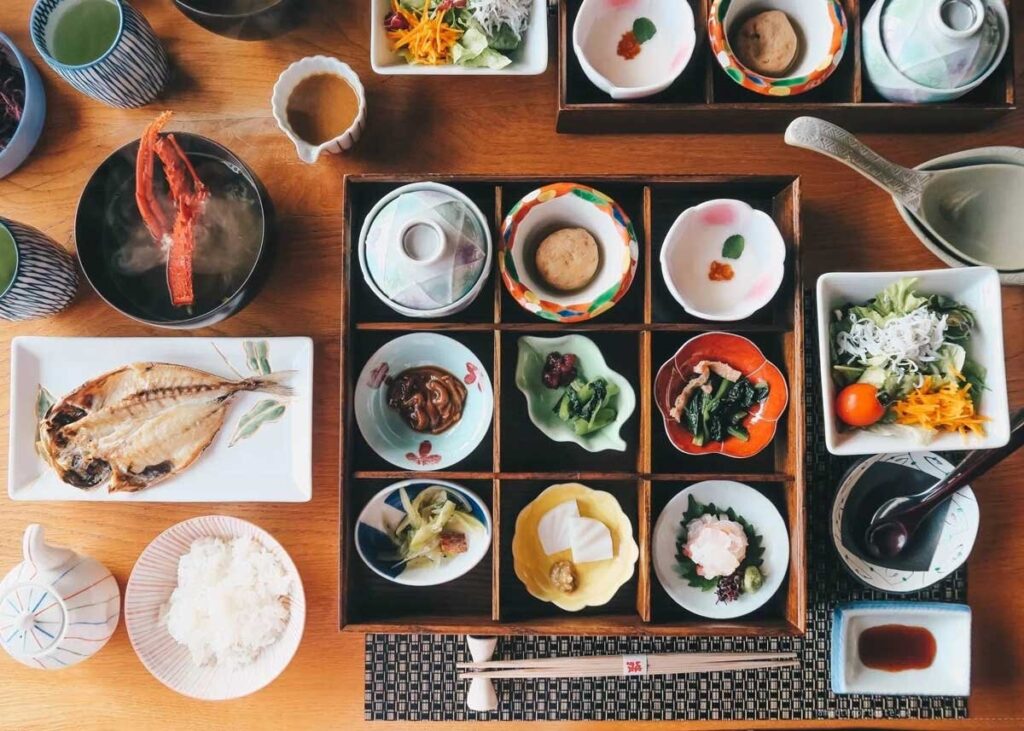
Japanese dining emphasizes aesthetics as much as taste. The arrangement of food on plates is considered an art form known as *kōbō*, which translates to “the way of arranging.”
– Plate Selection: Choosing the right plate or bowl can enhance the visual appeal of a dish. For instance, using a tsukidashizara (appetizer plate) can elevate sushi presentations at gatherings.
– Seasonal Themes: Many Japanese dishes are served on plates that reflect seasonal changes, incorporating colors and motifs associated with different times of the year—such as cherry blossoms in spring or maple leaves in autumn.
Care and Maintenance of Japanese Kitchenware
To ensure longevity, proper care is essential for maintaining Japanese kitchenware:
– Cleaning: Most ceramic items are dishwasher safe; however, hand washing is recommended for delicate pieces to avoid damage. Avoid using abrasive cleaners that can scratch surfaces.
– Storage: Avoid stacking heavy items on top of fragile pieces to prevent chipping or cracking. Use protective padding between items when storing them together.
Buying Japanese Kitchenware
When purchasing Japanese kitchenware, consider the following factors:
– Authenticity: Look for items made by skilled artisans who adhere to traditional methods. Authentic pieces often come with certifications or labels indicating their origin.
– Functionality vs Aesthetics: While beautiful designs are appealing, ensure that the utensils serve their intended purpose effectively.
– Price Range: Quality Japanese kitchenware can be an investment; however, there are options available across different price ranges catering to various budgets without compromising quality.
Conclusion
Japanese kitchenware combines functionality with beauty, making it an essential part of culinary traditions. Whether you are preparing a simple meal or hosting a formal dinner, incorporating these tools can enhance your cooking experience while honoring the rich heritage behind them. By understanding the significance of each piece and how it contributes to both cooking and presentation, you can appreciate not only their utility but also their role in the art of Japanese cuisine.
How to purchase:https://looperbuy.com/search?keywords=Japanese+Kitchenware
Frequently Asked Questions
1. What materials are commonly used in Japanese kitchenware?
Japanese kitchenware is typically made from ceramics, wood, metal, bamboo, and lacquered finishes.
2. Are Japanese kitchen tools dishwasher safe?
Most ceramic kitchen tools are dishwasher safe; however, delicate pieces should be hand washed to preserve their quality.
3. How do I care for lacquered wooden kitchenware?
Avoid using metal utensils on lacquered surfaces to prevent scratches. Hand wash with mild soap and dry immediately.
4. What is the best way to store donabe?
Store donabe in a cool dry place; avoid stacking heavy items on top to prevent cracking or chipping.
5. Can I use donabe on an induction cooktop?
Yes, but ensure your donabe is compatible with induction cooktops as some may require specific types of cookware.