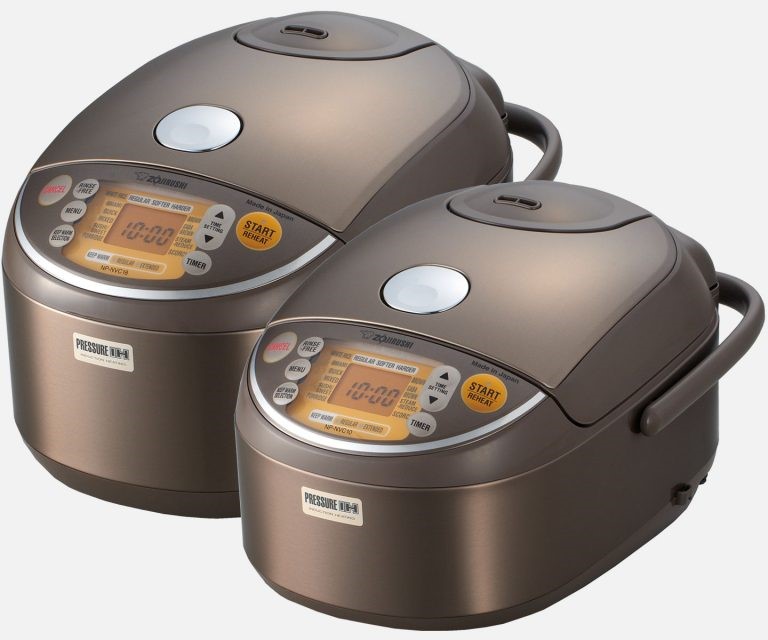
Japanese rice cookers have gained immense popularity worldwide, known for their advanced technology and ability to produce perfectly cooked rice. But what makes them stand out from regular rice cookers? In this article, we will explore the features, benefits, and various types of Japanese rice cookers, helping you understand why they are a worthy investment for any kitchen. With the right rice cooker, you can elevate your culinary skills and enjoy delicious, perfectly cooked rice every time.
Table of Contents
Understanding Japanese Rice Cookers
Japanese rice cookers are designed with precision and technology that cater specifically to the needs of cooking rice. Unlike standard rice cookers, they often incorporate advanced features such as fuzzy logic, induction heating, and multiple cooking settings. These features allow for a more controlled cooking process, resulting in rice that is fluffy, evenly cooked, and full of flavor. The meticulous design and engineering behind these cookers reflect Japan’s culinary culture, where rice is a staple food and an essential part of daily meals.
The Technology Behind Japanese Rice Cookers
Japanese rice cookers utilize several technologies that enhance their cooking capabilities, making them a favorite among home cooks and professional chefs alike.
Fuzzy Logic Technology
Fuzzy logic is a form of artificial intelligence that allows the rice cooker to make adjustments during the cooking process. This means that the cooker can sense the moisture level and temperature of the rice, adjusting the cooking time and temperature accordingly. This results in perfectly cooked rice every time, regardless of the type of rice being used. The ability to adapt to different conditions ensures that whether you are cooking short-grain sushi rice or long-grain jasmine rice, the results will be consistently excellent.
Induction Heating
Induction heating is another advanced feature found in many Japanese rice cookers. This technology uses electromagnetic energy to heat the pot directly, providing even heat distribution. This method not only cooks rice more efficiently but also enhances the flavor and texture of the rice. The precise temperature control allows for a gentle simmer, which is crucial for achieving the ideal texture, ensuring that each grain of rice is cooked to perfection without becoming mushy.
Types of Japanese Rice Cookers
There are several types of Japanese rice cookers available, each catering to different cooking needs and preferences. Understanding these types can help you choose the right one for your kitchen.
Basic Rice Cookers
Basic rice cookers are designed for simplicity and ease of use. They typically have a single button for cooking white rice and may include a steaming tray for vegetables. These cookers are perfect for those who want a straightforward appliance without the need for advanced features. They are often more affordable and can be a great entry point for those new to cooking rice or for those who cook rice infrequently.
Multi-Functional Rice Cookers
Multi-functional rice cookers offer a variety of cooking options beyond just rice. They can be used to prepare porridge, steam vegetables, and even bake cakes. These cookers often come with multiple settings and programmable features, making them versatile kitchen appliances. With the ability to cook a range of dishes, they can replace several appliances in your kitchen, saving space and time.
High-End Rice Cookers
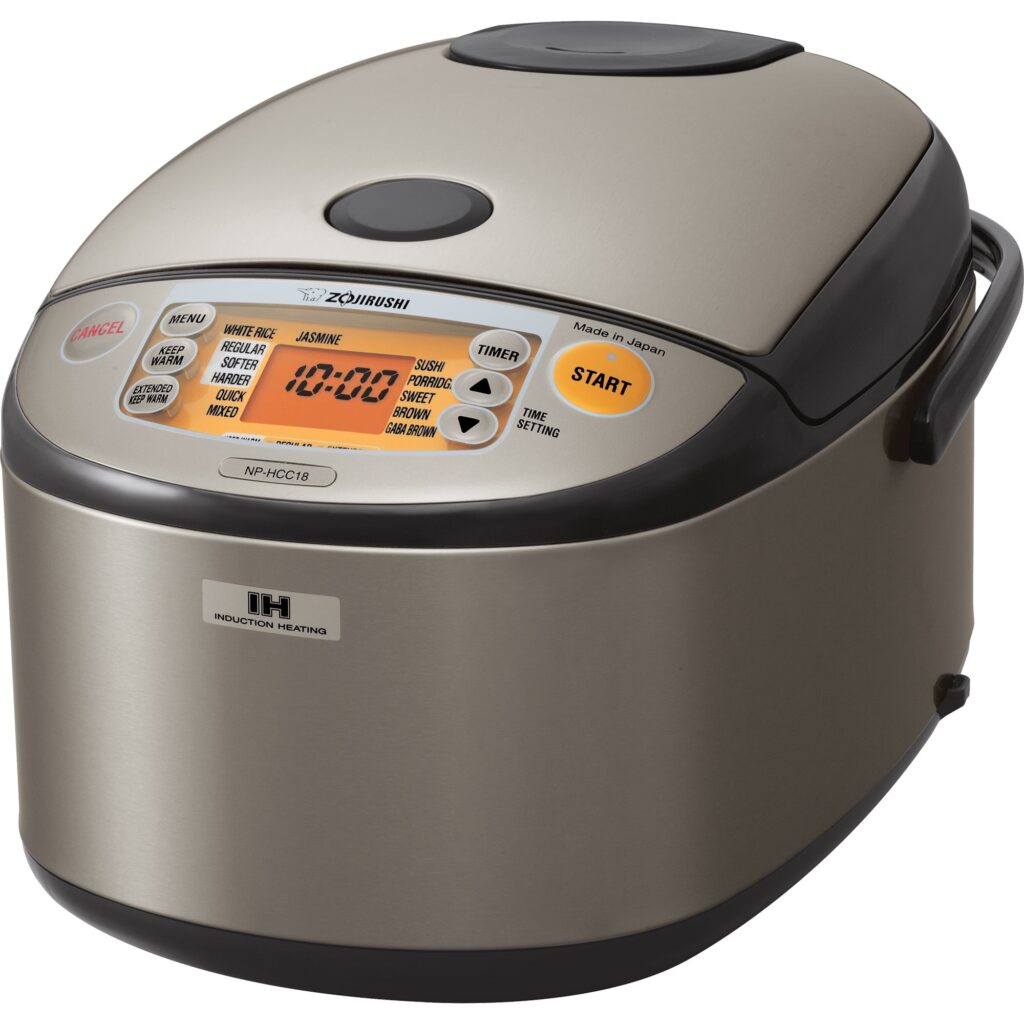
High-end Japanese rice cookers are equipped with the latest technology, including fuzzy logic and induction heating. They often have multiple cooking modes for different types of rice, such as sushi rice, brown rice, and even quinoa. These cookers are ideal for serious home cooks who want to achieve restaurant-quality rice. The investment in a high-end model can pay off in the long run, as they often come with durable materials and advanced features that enhance the cooking experience.
Benefits of Using a Japanese Rice Cooker
Investing in a Japanese rice cooker comes with numerous benefits that can enhance your cooking experience. These advantages make them a popular choice for both casual cooks and culinary enthusiasts.
Consistent Results
One of the primary advantages of using a Japanese rice cooker is the consistency it offers. With advanced cooking technology, you can expect perfectly cooked rice every time, eliminating the guesswork often associated with cooking rice on the stovetop. This reliability is particularly important for those who prepare rice as a staple in their meals, ensuring that each serving is of the same high quality.
Time-Saving
Japanese rice cookers are designed to save time in the kitchen. Many models come with a timer and keep-warm function, allowing you to prepare rice in advance and keep it warm until you are ready to serve. This is particularly useful for busy families or those who entertain guests frequently. The ability to set the cooker and walk away means you can focus on preparing other dishes or attending to guests without worrying about overcooking the rice.
Versatility
Many Japanese rice cookers are multi-functional, allowing you to cook a variety of dishes beyond rice. This versatility can help you streamline your cooking process and reduce the number of appliances you need in your kitchen. From soups to stews and even desserts, a good rice cooker can handle a wide range of recipes, making it a valuable addition to any kitchen.
Easy to Clean
Most Japanese rice cookers come with non-stick inner pots that are easy to clean. Many models also have removable parts that are dishwasher safe, making cleanup a breeze. This ease of maintenance encourages regular use, as you won’t dread the cleanup process after cooking. Keeping your rice cooker clean is essential for maintaining its performance and longevity.
Choosing the Right Japanese Rice Cooker
When selecting a Japanese rice cooker, consider the following factors to ensure you choose the right model for your needs. Making an informed decision can enhance your cooking experience and satisfaction with the appliance.
Capacity
Rice cookers come in various sizes, typically measured in cups of uncooked rice. Consider how much rice you typically cook at one time. For small families, a 3-cup model may suffice, while larger families may benefit from a 10-cup model. Understanding your cooking habits will help you select a model that meets your needs without wasting energy or space.
Features
Evaluate the features that are important to you. If you want to cook different types of rice or other dishes, look for a model with multiple cooking settings. If you prefer simplicity, a basic model may be sufficient. Additionally, consider features like a delay timer, keep-warm function, and the ability to cook porridge or steam vegetables, which can add to the versatility of the cooker.
Brand Reputation
Japanese brands such as Zojirushi, Tiger, and Panasonic are known for their quality and reliability. Research different brands and read reviews to find a model that fits your needs and budget. A reputable brand often means better customer service and warranty options, which can be beneficial in the long run.
Maintenance and Care for Your Japanese Rice Cooker
To ensure your Japanese rice cooker lasts for years, proper maintenance and care are essential. Taking the time to care for your appliance can prevent issues and extend its lifespan.
Regular Cleaning
After each use, clean the inner pot and lid to prevent any buildup of rice or moisture. Most inner pots are non-stick and can be washed with mild soap and water. Avoid using abrasive cleaners that can scratch the surface. Regular cleaning not only maintains the appearance of your rice cooker but also ensures that flavors from previous meals do not affect future dishes.
Descaling
If you live in an area with hard water, consider descaling your rice cooker periodically to prevent mineral buildup. Follow the manufacturer’s instructions for descaling to maintain optimal performance. This maintenance step is crucial for ensuring that your rice cooker continues to function efficiently and produces the best results.
Storage
When not in use, store your rice cooker in a cool, dry place. Ensure that the inner pot is completely dry before storing to prevent mold growth. Proper storage can help protect your appliance from dust and damage, ensuring it is ready for use whenever you need it.
Conclusion
A Japanese rice cooker is more than just a kitchen appliance; it is an investment in quality cooking. With advanced technology, consistent results, and versatility, these cookers can elevate your culinary experience. Whether you are a novice cook or a seasoned chef, a Japanese rice cooker can simplify your cooking process and enhance the flavors of your meals. By choosing the right model and taking care of it, you can enjoy perfectly cooked rice and a variety of other dishes for years to come.
How To Purchase:https://looperbuy.com/search?keywords=japanese+rice+cooker
Frequently Asked Questions
1. What is the difference between a Japanese rice cooker and a regular rice cooker?
Japanese rice cookers often feature advanced technologies like fuzzy logic and induction heating, which allow for more precise cooking and better results compared to regular rice cookers. This technology ensures that the rice is cooked evenly and retains its flavor and texture.
2. Can I cook other grains in a Japanese rice cooker?
Yes, many Japanese rice cookers have settings for cooking various grains, including quinoa, barley, and even porridge. This versatility makes them a valuable tool for preparing a wide range of healthy meals.
3. How do I clean my Japanese rice cooker?
After each use, clean the inner pot and lid with mild soap and water. Most inner pots are non-stick and can be easily washed. Avoid abrasive cleaners that can damage the non-stick surface, and ensure all parts are thoroughly dried before reassembling.
4. Are Japanese rice cookers worth the investment?
Yes, if you frequently cook rice or enjoy experimenting with different types of rice dishes, a Japanese rice cooker can provide consistent results and save you time in the kitchen. The quality of the rice produced can significantly enhance your meals.
5. What brands are recommended for Japanese rice cookers?
Popular brands include Zojirushi, Tiger, and Panasonic, known for their quality and reliability in producing high-quality rice cookers. These brands offer a range of models to suit different needs and budgets.