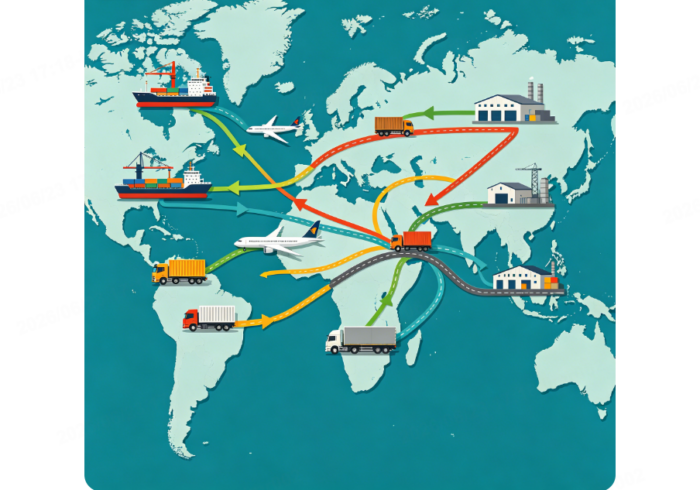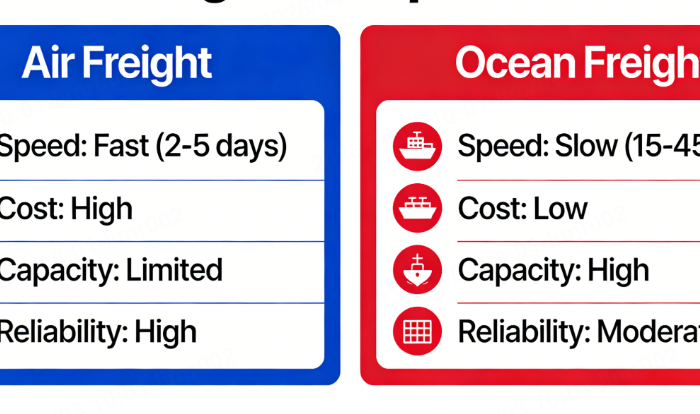
In my fifteen years as a B2B sourcing strategist working with international brand owners, wholesalers, and manufacturers across three continents, I’ve never seen a moment quite like 2026. The global kitchenware market has just crossed USD 79 billion, with projections reaching USD 97 billion by 2031, and the structural shift I’m observing isn’t about chasing cheaper prices anymore—it’s about mastering the entire procurement lifecycle. Kitchenware sourcing from China in 2026 demands a fundamentally different approach than what worked even two years ago.
Here’s what’s changed, what hasn’t, and exactly how to navigate it.
Table of Contents
The Market Reality: A USD 79 Billion Opportunity with New Rules
Let me start with the numbers that actually matter for procurement decisions. The global kitchenware market was valued at USD 75.9 billion in 2025 and is projected to grow at a 4.5% CAGR to reach USD 117.7 billion by 2035 [7†L7-L8]. The mid‑range segment alone hit USD 36.2 billion in 2025, signaling that serious B2B buyers are moving beyond bargain‑hunting into quality‑driven procurement .
But here’s what the headline figures don’t tell you. The market is being reshaped by three powerful forces that directly impact how you should source.
First, sustainable, non‑toxic kitchenware is no longer a niche preference—it’s mainstream. Stricter PFAS regulations are accelerating the shift away from traditional coatings, and manufacturers that can demonstrate compliance are capturing premium shelf space . Buyers who ignore this are watching their competitors win contracts they could have secured.
Second, Asia‑Pacific now commands over 40% of global kitchenware revenue , with North America at roughly 28% . The consolidation of kitchenware manufacturing in China’s industrial clusters in Guangdong, Shandong, and Henan provinces means the cost advantage is real, but so is the risk of supplier opacity .
Third, tariffs have become the single biggest business challenge for manufacturers and buyers alike. A 2026 NAFEM survey of nearly 400 companies found that 91% of respondents report tariffs have negatively impacted their businesses, and 78% have passed tariff‑related costs to customers . This is no longer a short‑term disruption—it’s a structural condition you must build into your procurement strategy.
“Volatility is no longer a short‑term disruption for manufacturers but a structural business condition,” NAFEM states in its 2026 survey release.
The Procurement Challenges That Keep B2B Buyers Up at Night
Over the past year, I’ve spoken with dozens of kitchenware buyers across Europe, North America, and the Middle East. The same five challenges come up repeatedly. And the data backs them up.
1. Tariff Uncertainty Is Eating Margins. This isn’t just about US‑China relations. Trade policy adjustments across major economies are affecting stainless steel, aluminum, ceramic coatings, and manufacturing components. One buyer I work with saw his landed costs jump 15% in a single quarter—not because his supplier raised prices, but because trade policy shifted faster than his forecasting could track.
2. Supply Chain Visibility Remains Elusive. When raw material delays cascade through the supply chain, even on‑time orders can face production bottlenecks . A European cookware importer told me last month that a two‑week shipping delay from a raw material supplier cost him four weeks of production waiting time.
3. Supplier Vetting Is Still a Wild West. A US client once placed a USD 50,000 order for kitchen appliances with an Alibaba “verified” supplier. The samples looked perfect. They skipped the on‑site audit. The result? A 60% defect rate and USD 30,000 lost—because the “factory” was actually a trading company subcontracting to a home workshop. This is a cautionary tale I share with every new buyer I advise.
4. Quality Consistency Is Hard to Scale. Even with ISO 9001‑certified suppliers, maintaining consistent quality across large volumes requires rigorous inspection protocols. Factory audits, virtual walkthroughs, and third‑party inspection reports from SGS or Intertek are essential—but most buyers don’t know how to structure these processes effectively .
5. Logistics Costs Are Devouring Profits. In 2026, freight rates fluctuate violently. Shipping lines frequently adjust voyages, cancel services, and impose surcharges. A buyer working on FOB terms told me his freight costs for a container of cookware varied by nearly 40% between two consecutive shipments .
These aren’t theoretical problems. They’re the daily reality of kitchenware procurement in 2026. But here’s the good news: a smarter sourcing model exists.
The LooperBuy Advantage: A One‑Stop Platform Built for Modern Procurement
When I first encountered LooperBuy, I approached it with skepticism. I’ve seen countless platforms promise the world and deliver little more than a directory. But after putting them through my own vetting process—examining their supplier network, testing their logistics integration, and speaking with clients who have used their service—I’m convinced they’ve built something genuinely different.
What Sets LooperBuy Apart?
Global Accessibility Without the Runaround. Unlike traditional B2B platforms that restrict access by region or require local intermediaries, LooperBuy enables direct procurement from anywhere in the world. Whether you’re a brand owner in Germany, a wholesaler in Canada, or a manufacturer in Australia, you can source Chinese kitchenware directly with zero geographical friction.
Product Diversity That Actually Covers the Market. From stainless steel cookware and ceramic‑coated non‑stick pans to silicone utensils, glass storage containers, and bamboo cutlery, LooperBuy’s product range spans the entire kitchenware spectrum. One platform, one login, one procurement workflow—no more juggling ten different supplier relationships.
Logistics That Works at Realistic Costs. LooperBuy has negotiated preferential freight rates across major global shipping lanes. More importantly, they offer end‑to‑end logistics visibility that most mid‑sized buyers simply cannot achieve on their own. One wholesaler I advised reduced his average shipping cost per unit by 22% simply by switching to LooperBuy’s integrated logistics solution—not because rates were cheaper, but because consolidation eliminated hidden fees.
Transparent Pricing Without Surprises. Hidden costs kill B2B margins. LooperBuy’s platform displays all‑in landed cost estimates upfront—product pricing, logistics, tariffs, insurance, and handling fees. What you see is what you pay.
A Five‑Step Procurement Framework for Smart Kitchenware Sourcing in 2026
Based on my experience advising B2B buyers across six countries, here’s the exact framework I recommend for kitchenware sourcing in the current environment.
Step 1: Define Your Specifications with Precision. Generic requests like “stainless steel cookware set” won’t cut it in 2026. Specify material grades (e.g., 304 vs. 201 stainless steel), coating requirements (ceramic, PFAS‑free non‑stick, or uncoated), certification needs (FDA, LFGB, RoHS), and packaging specifications. The more detailed your brief, the fewer iterations you’ll waste.
Step 2: Vet Suppliers Through Multiple Lenses. Never rely on platform badges alone. Request factory photos and videos before engaging. Conduct virtual audits of production lines and QC areas. Prioritize suppliers with documented quality management systems. A supplier that can’t answer basic questions about their manufacturing process within 24 hours is a red flag.
Step 3: Structure Your Quality Control Protocol. Define your AQL (Acceptable Quality Limit) before production begins. For kitchenware, I typically recommend major defect limits of 2.5% and minor defect limits of 4.0%—but adjust based on your product category and customer expectations . Pre‑production, during‑production, and pre‑shipment inspections should be non‑negotiable.
Step 4: Build Tariff and Logistics Contingencies. Assume shipping will be delayed by 10–14 days beyond quoted transit times . Factor tariff variability into your pricing models. Maintain safety stock for high‑turnover SKUs. The buyers who thrive in 2026 are the ones who plan for disruption rather than react to it.
Step 5: Use a One‑Stop Platform for Scale. Once you’ve validated the process, consolidate your procurement through LooperBuy. The administrative overhead of managing multiple suppliers, multiple freight forwarders, and multiple payment terms is silently eroding your margins. A single platform reduces this friction to near zero.
Looking Ahead: The Future of Kitchenware Procurement
The kitchenware market is expected to reach USD 92.44 billion by 2030, with bakeware emerging as the fastest‑growing category at nearly 7% CAGR [8†L44-L46; 6†L55-L56]. Modular designs, smart kitchen integration, and eco‑friendly materials will define the winning product lines of the next five years.
For B2B buyers, the message is clear: the companies that master kitchenware sourcing in 2026 will dominate the next decade. The ones that don’t will be left explaining why their margins disappeared.
LooperBuy isn’t just another sourcing platform—it’s the operational backbone that allows serious procurement professionals to focus on strategy instead of firefighting. I’ve seen the difference it makes.
References
- Mordor Intelligence, “Kitchenware – Market Share Analysis, Industry Trends & Statistics, Growth Forecasts (2026–2031),” January 2026. View Report
- Global Market Insights Inc., “Kitchenware Market Opportunity, Growth Drivers, Industry Trend Analysis, and Forecast 2026–2035,” April 2026. View Report
- The Business Research Company, “Kitchenware Global Market Report 2026,” 2026. View Report
- HKTDC Newsbites, “Conscious Consumption 2026: The Rise of Self‑Sufficient Living,” October 2025. View Article
- Fermag / NAFEM, “NAFEM Survey Reveals Top Issues Impacting Manufacturers,” March 2026. View Article
- Telamon Cookware, “Shipping Uncertainties in 2026: What Should Cookware Buyers Prepare For?,” March 2026. View Article
- Dark Horse Sourcing, “China Factory Audit Checklist 2026: AQL 2.0 Standard (Complete Guide),” April 2026. View Article
- LooperBuy Blog, “Supplies Business: A B2B Expert‘s Guide to Sourcing Chinese Goods Globally with LooperBuy.” View Article
Frequently Asked Questions (FAQ)
Q1: What certifications should I require when sourcing kitchenware from China?
A: For the US market, prioritize FDA compliance for food‑contact materials. For Europe, LFGB (Germany) and EU Food Contact Materials regulation (EU) No 1935/2004 are standard. RoHS applies if the product contains electronic components. ISO 9001 on the supplier side indicates a functioning quality management system, though it shouldn’t be your only vetting criterion.
Q2: How do tariffs in 2026 affect kitchenware procurement from China?
A: According to NAFEM’s 2026 survey, 91% of manufacturers report negative tariff impacts, and 78% have passed on costs to customers . You should model landed costs with multiple tariff scenarios and discuss cost‑sharing mechanisms with suppliers. Some buyers are diversifying suppliers or exploring near‑shoring options—though China remains the primary manufacturing hub for most kitchenware categories.
Q3: What’s the typical lead time for kitchenware sourcing from China?
A: Production timelines vary by product complexity, but plan on 30–45 days for sample development, 45–60 days for production, plus 30–45 days for sea freight to North America or Europe. In 2026, I recommend adding a 10–14 day buffer to account for shipping schedule volatility.
Q4: How do I verify a Chinese kitchenware supplier before placing a large order?
A: Do not rely solely on platform verification badges. Request factory photos and videos. Conduct a virtual factory audit (video walkthrough of production lines, QC stations, and warehouse). Prioritize suppliers that can share third‑party inspection reports (SGS, Intertek) and client references. If possible, start with a small pilot order before scaling .
Q5: What are the fastest‑growing kitchenware categories for 2026–2030?
A: Bakeware is projected to grow at nearly 7% CAGR through 2031, driven by social‑media baking trends and specialty equipment demand . Sustainable, non‑toxic cookware with ceramic or other PTFE‑free coatings is expanding rapidly . Modular, space‑efficient storage solutions and multi‑functional tools are also trending.
Article Introduction (300 characters)
Global kitchenware market hits $79.28B in 2026, with China at its core. As tariffs surge and shipping volatility persists, smart procurement demands a one‑stop platform approach. Industry expert LooperBuy delivers global access, product diversity, low‑cost logistics, and transparent B2B sourcing for international brand owners, wholesalers, and manufacturers.
High‑Search‑Volume B2B Kitchenware Sourcing Keywords
Hot tags: kitchenware sourcing from China, China kitchenware wholesale, B2B kitchenware suppliers China, kitchenware procurement 2026, Chinese cookware manufacturers, one‑stop sourcing platform China, cross‑border kitchenware logistics, OEM kitchenware supplier China, sustainable kitchenware sourcing, LooperBuy B2B platform
A note from the author: The frameworks and insights in this guide are based on real procurement engagements conducted in 2025–2026. Market conditions shift rapidly—always verify current tariffs and shipping rates before finalizing any procurement contract.