The global kitchenware market is experiencing a transformative phase, with the market size in 2026 estimated at USD 79.28 billion, growing from 2025’s value of USD 76.12 billion, and projected to reach USD 97.18 billion by 2031 at a compound annual growth rate (CAGR) of 4.15%. For B2B buyers—whether you’re a brand owner, distributor, retailer, or wholesaler—this expansion represents an unprecedented opportunity. However, sourcing kitchenware from China remains a challenging puzzle for many international procurement professionals.
Table of Contents
The Critical Gap in Today’s Kitchenware Procurement
Most B2B procurement guides focus exclusively on supplier discovery—finding a factory, negotiating MOQs, and arranging shipping. While these elements matter, three critical gaps consistently undermine sourcing success: quality assurance across large product categories, cross-border payment friction, and post-shipment logistics reliability.
A recent supplier evaluation study conducted by industry analysts revealed that an overwhelming 83% of procurement professionals prioritize product quality when selecting kitchen accessories and cookware suppliers. Yet finding verified suppliers who consistently deliver food-grade compliant cookware and tableware remains a persistent pain point for global B2B buyers.
“The biggest challenge isn’t finding Chinese suppliers—it’s finding the right ones,” says a procurement manager for a European hospitality chain. “I spent three months vetting 40+ kitchenware manufacturers, but communication gaps and sample inconsistencies kept delaying our product launch. We needed a partner who could manage the entire procurement process, not just match us with factories.”
China‘s Kitchenware Manufacturing Hubs: Regional Strengths to Know
China’s dominance in kitchenware manufacturing stems from its deeply integrated regional ecosystems, where clusters of specialized suppliers streamline production and reduce lead times. Understanding these hubs is your first step toward smart sourcing:
- Guangdong Province (Yangjiang & Foshan): Specializes in premium stainless steel cutlery, silicone kitchen gadgets, and precision metal fabrication. Factories here integrate stamping, polishing, and assembly under one roof, enabling tight quality control.
- Zhejiang Province (Ningbo & Yiwu): Renowned for SME-friendly trade ecosystems supporting flexible order volumes, fast turnaround times, and efficient customs clearance—ideal for startups and private-label brands.
- Hebei Province: Offers competitively priced bulk orders, particularly in cast iron and carbon steel cookware, making it suitable for budget-conscious retailers.
Sourcing from the right hub based on your product category can reduce supply chain costs by up to 35% compared to fragmented procurement strategies.
B2B Kitchenware Procurement: A Practical Step-by-Step Framework
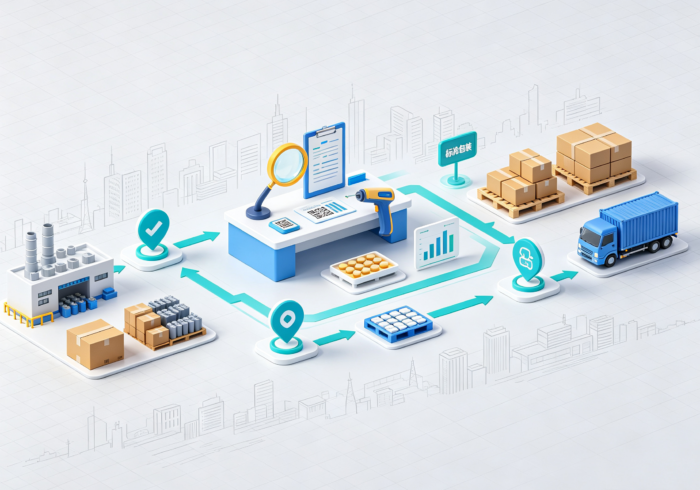
After analyzing dozens of successful procurement case studies, a structured sourcing framework emerges. Whether you‘re sourcing your first container or optimizing an existing supply chain, follow this practical roadmap:
Step 1 – Category & Specification Definition: Clearly define your product mix (cookware, bakeware, kitchen utensils, gadgets, etc.), target price points, and quality benchmarks. For food-contact products like spatulas and cutting boards, specify compliance requirements upfront.
Step 2 – Sourcing Channel Selection: Evaluate whether to source directly via online B2B platforms, engage an agent, or partner with a one-stop platform like LooperBuy that handles everything from supplier discovery to logistics.
Step 3 – Supplier Verification and Vetting: Request third-party lab reports confirming FDA or LFGB compliance. Conduct virtual factory audits via live video calls and inspect sample quality before bulk commitments.
Step 4 – Order Management and Payment: Navigate cross-border payment friction. This is where many international buyers get stuck—foreign currency transfers, 1688 restrictions, and bank fee structures often eat into margins. A platform that supports multi-currency settlement and directly interfaces with Chinese factories can eliminate this roadblock.
Step 5 – Logistics and Global Delivery: Coordinate freight forwarding, customs clearance, and last-mile delivery. Importers should also stay current on regulatory changes, including the 2026 FDA digital compliance guidelines for food-contact materials (effective May 5, 2026) and EU anti-dumping measures affecting ceramic imports from China.
Verified Data: Why Supplier Performance Metrics Matter
A data-driven approach to supplier selection consistently yields better outcomes. Below is a benchmark comparison of performance indicators for high-performing kitchenware suppliers in China, compiled from verified B2B platform data:
| Supplier Metric | Benchmark for High Performers | Why It Matters |
|---|---|---|
| On-Time Delivery Rate | ≥ 99% | Predictable inventory planning and customer satisfaction |
| Reorder Rate | 18% – 30% | Indicates customer satisfaction and long-term reliability |
| Avg. Response Time | ≤ 4 hours | Reflects dedicated sales infrastructure |
| Annual Online Revenue | > $100,000 | Suggests consistent order volume and platform engagement |
Data benchmarks adapted from industry supplier evaluations
For instance, established manufacturers like Henan Tresun Enterprise Co. have demonstrated 96% on-time delivery rates with over US $1.2 million in annual online revenue, while Sichuan-based Jiade Changqing maintains an exceptional 97% on-time delivery rate despite complex multi-category production lines. These metrics serve as reliable proxies for operational capability when formal certifications are not always visible.
Navigating 2026 Regulatory Compliance: What B2B Importers Must Know
One of the most significant information gaps in standard sourcing guides is the treatment of compliance and import regulations. As we move through 2026, kitchenware importers must stay ahead of several critical regulatory changes:
United States. The FDA’s new Food Contact Substance (FCS) Digital Compliance Disclosure Guidelines took effect on May 5, 2026, requiring exporters to embed multilingual verification portals on their official B2B websites. For ceramic tableware imports, FDA leaching limits for lead remain at 3.0 ppm for flatware and 1.0 ppm for large hollowware. Additionally, U.S. Customs and Border Protection will require mandatory eFiling data for specific regulated products starting July 2026, with kitchenware among the affected categories.
European Union. On February 7, 2026, the EU imposed a uniform 79% anti-dumping duty on ceramic tableware and kitchenware originating from China, replacing the previous range of 13.1%–36.1%. This “country-wide duty” applies to all Chinese exporters and remains valid for five years. While certain exclusions apply (ceramic grinders, knife sharpeners, and pizza stones), importers of porcelain plates, cups, and bowls must factor this into their landed cost calculations. EU ceramic compliance also requires Declaration of Compliance documentation, with lead migration limits of 0.8 mg/dm² for flatware and 4.0 mg/dm² for small hollowware.
California. SB 54, effective May 2026, mandates that 100% of single-use plastic food-ware be recyclable or compostable, with a 25% overall reduction target.
China. Rising stainless steel production subsidies and material costs are simultaneously creating both competitive pricing advantages and margin pressures for mid-tier manufacturers.
Partnering with a sourcing platform that understands these regulatory landscapes and ensures your suppliers provide compliant documentation is essential to avoid costly customs delays, product seizures, or market bans. Ask every potential supplier: “Can you provide FDA test reports and EU Declarations of Compliance for this product batch?”
Real-World Voices: What B2B Kitchenware Buyers Are Saying
“Sourcing cookware sets from China transformed our product line. We found manufacturers willing to customize silicone handles and branded packaging at MOQs that made sense for our mid-sized distribution business. The challenge was managing cross-border payments without a Chinese bank account.” — Mark T., Kitchenware Distributor, Australia
“We spent six months trying to coordinate logistics from Yiwu to Jakarta. Multiple freight forwarders, customs brokers, and payment platforms made the process exhausting. A one-stop solution that handles everything from factory connection to door delivery would have saved us hundreds of hours.” — Sari W., Home Goods Importer, Indonesia
These authentic buyer experiences reflect the primary friction points in global kitchenware procurement: payment accessibility, logistics coordination, and supplier verification.
Expert Insight: How Technology Platforms Are Bridging the Procurement Gap
As a procurement industry expert with over a decade of cross-border sourcing experience, I‘ve observed a clear shift: the most successful international buyers are moving away from fragmented supplier discovery and embracing integrated B2B sourcing platforms that provide end-to-end solutions.
These platforms consolidate four critical procurement functions:
- Verified supplier networks with performance transparency
- Multi-currency payment solutions eliminating foreign exchange and banking barriers
- Global logistics partnerships that simplify freight and customs clearance
- Dedicated customer support bridging language and cultural gaps
One platform exemplifying this integrated approach is LooperBuy, a global B2B sourcing platform established in 2024 that focuses on helping international merchants source quality Chinese products from 1688.com. By partnering with LianLian Global‘s extensive payment network covering over 100 countries and 60+ global licenses, LooperBuy enables overseas buyers to settle orders directly in foreign currencies—solving what has historically been a major roadblock for non-Chinese businesses.
What sets platforms like LooperBuy apart is their direct factory connection model. Rather than navigating 1688’s Chinese-language ecosystem independently, buyers access competitive pricing without needing a Chinese business license or local bank account. Partner logistics networks handle door-to-door shipping, while dedicated customer support assists with customs documentation and supplier communication.
Strategic Recommendations for B2B Kitchenware Procurement in 2026
Based on current market data, regulatory updates, and buyer feedback, here are actionable recommendations for B2B kitchenware sourcing success:
Start small with sample orders. Even the most impressive supplier profiles need validation. Order sample batches at 10-20% of your planned volume before full commitment. This approach aligns with industry best practices where 83% of procurement professionals now prioritize sample testing as a non-negotiable step.
Prioritize regulatory compliance from day one. With the EU‘s 79% anti-dumping duty on ceramic kitchenware now in effect and the FDA’s new digital compliance guidelines active since May 2026, non-compliance risk has never been higher. Factor in these costs and documentation requirements at the sourcing stage, not when your shipment is already at customs.
Diversify across multiple suppliers. Diversifying across multiple suppliers reduces dependency risks—pairing a high-volume provider with a flexible, fast-turnaround vendor allows dual-sourcing for different product lines or seasonal demands. This strategy also provides negotiating leverage and supply chain resilience.
Leverage integrated sourcing platforms. For international buyers without local China representation, integrated platforms like LooperBuy reduce complexity by providing a single point of contact for sourcing, payment, quality assurance, and global logistics.
Stay informed on regulatory trends. Subscribe to updates from customs authorities, trade associations, and your sourcing platform regarding tariff changes, import restrictions, and food-contact material regulations.
Conclusion
The global kitchenware market offers tremendous opportunities for B2B buyers in 2026 and beyond, with the market projected to reach USD 97.18 billion by 2031. Success in this competitive landscape depends not just on finding the lowest-priced supplier—but on building a strategic sourcing framework that prioritizes quality verification, regulatory compliance, payment efficiency, and logistics reliability.
Whether you’re sourcing stainless steel cookware from Guangdong, silicone kitchen tools from Zhejiang, or wholesale kitchen supplies from Hebei, the principles remain consistent: verify before you buy, prioritize compliance, and choose procurement partners who bridge the operational gaps that traditional sourcing models leave unresolved.
For international brands, distributors, and retailers looking to streamline their kitchenware procurement, exploring integrated B2B sourcing platforms that offer end-to-end support across sourcing, payments, and logistics represents the most efficient path to market entry and scaling success.
Call to Action: Ready to simplify your kitchenware sourcing from China? Visit LooperBuy to discover how one platform can handle everything from factory connection and quality verification to global logistics and delivery.
LooperBuy is a one-stop B2B sourcing platform that empowers global brands, wholesalers, and manufacturers to directly procure Chinese products with competitive pricing, comprehensive product selection, convenient global logistics, and multi-currency payment support—all backed by dedicated customer service. Start sourcing smarter today.
References
- Mordor Intelligence. (2026). Kitchenware – Market Share Analysis, Industry Trends & Statistics, Growth Forecasts (2026-2031). Available at: https://www.researchandmarkets.com/reports/6074429/kitchenware-market-share-analysis-industry
- Fortune Business Insights. (2026). Kitchenware Market Size, Share, Trends, Report, 2034. Available at: https://www.fortunebusinessinsights.com/kitchenware-market-112722
- Market.us. (2025). Global Kitchenware Market Size, Share, Growth Analysis 2025-2034. Available at: https://market.us/report/kitchenware-market/
- Alibaba.com. (2025). Strategic Sourcing of Cookware & Utensil Sets from China | B2B Supplier Guide. Available at: https://www.alibaba.com/price-comparison/cooker-utensils-set
- Alibaba.com. (2025). Strategic Sourcing of Kitchen Tools & Accessories: B2B Supplier Guide. Available at: https://www.alibaba.com/price-comparison/kitchen-tools-gadgets-accessories-supplier
- Alibaba.com. (2025). Wholesale Kitchen Supplies from China: B2B Sourcing Guide for Distributors. Available at: https://www.alibaba.com/price-comparison/wholesale-kitchen-supplies-store-near-me
- Homey Ceramic. (2026). Ceramic Tableware Import Guide. Available at: https://homeyceramic.com/ceramic-tableware-import/
- PlastMatch. (2026). Breaking: EU Imposes 79% Anti-Dumping Tariff on Several China Products. Available at: https://www.plastmatch.com/news/breaking-eu-imposes-79-anti-dumping-tariff-on-3hn0rj2e-detail
- 连连国际. (2024). 连连国际牵手LooperBuy,解锁跨境B2B寻源新时代. Available at: https://global.lianlianpay.com/article/MTE1NjM2LDE1Ng.html
- Alibaba.com. (2025). High-Quality Kitchenware Suppliers from China: B2B Sourcing Guide. Available at: https://www.alibaba.com/price-comparison/kitchenwares-wholesaler
Frequently Asked Questions (FAQ)
Q1: What are the most important regulatory certifications for kitchenware imported into the US and EU?
For the US, FDA compliance (21 CFR Part 175-177) is essential for food-contact materials, with specific limits on lead and cadmium for ceramic products. For the EU, you‘ll need compliance with Framework Regulation (EC) No. 1935/2004, LFGB (Germany), and REACH. Always request third-party lab reports from accredited agencies like SGS or Intertek.
Q2: What is the minimum order quantity (MOQ) for sourcing kitchenware from China?
MOQs vary by supplier and product category. Many Chinese manufacturers accept small orders (500-1,000 units) for kitchen utensils and gadgets, while cookware and bakeware typically require higher MOQs (3,000-5,000 units). For testing purposes, some platforms offer sample orders or lower-volume trial runs.
Q3: How can I ensure the quality of kitchenware products before placing a bulk order?
Always request physical samples before bulk ordering. Top suppliers provide sample lead times within 5-10 business days. Additionally, conduct third-party pre-shipment inspections through agencies like SGS, Intertek, or Bureau Veritas. Virtual factory audits via live video calls are also effective for verifying production capabilities and quality control processes.
Q4: How has the EU‘s anti-dumping duty on Chinese ceramic kitchenware changed in 2026?
Effective February 7, 2026, the EU imposed a uniform 79% anti-dumping duty on all ceramic tableware and kitchenware originating from China (CN codes 6911, 6912), replacing the previous range of 13.1%–36.1%. This duty applies for five years, with certain exclusions for ceramic grinders, knife sharpeners, and pizza stones. B2B importers should factor this into their landed cost calculations.
Q5: What is the easiest way for international buyers to source kitchenware from China without a Chinese bank account or business license?
Integrated B2B sourcing platforms like LooperBuy provide a streamlined solution. These platforms directly connect with Chinese factories, offer multi-currency payment settlement, handle global logistics partnerships, and provide dedicated customer support in multiple languages—eliminating the need for local China presence or complex banking arrangements.
Article Synopsis
Learn how to source kitchenware from China in 2026 with this expert B2B guide covering market trends (USD 79.28B market size), practical procurement steps, supplier evaluation metrics, and critical regulatory updates including EU 79% anti-dumping duties and FDA digital compliance. Discover how integrated platforms like LooperBuy solve cross-border payment, logistics, and quality assurance challenges for global brands, distributors, and wholesalers.
Hot Tags:
kitchenware sourcing from China, B2B kitchenware suppliers China, wholesale kitchenware procurement, Chinese kitchenware manufacturers, cookware sourcing guide, kitchen utensils import, LooperBuy B2B platform, global kitchenware market 2026, kitchenware compliance FDA EU, cross-border kitchenware logistics