In the legal profession, the significance of law office stationery cannot be overstated. It serves as a vital tool for communication, branding, and establishing a professional image. This article delves into the various aspects of law office stationery, exploring its components, design considerations, and the impact it has on a law firm’s reputation and client relationships. By understanding the multifaceted role of stationery, legal professionals can leverage it to enhance their practice and client interactions.
Table of Contents
Understanding Law Office Stationery
Law office stationery encompasses a range of printed materials used by legal professionals in their daily operations. This includes letterheads, business cards, envelopes, notepads, and other essential documents. Each item plays a crucial role in the overall branding and communication strategy of a law firm. The stationery not only facilitates communication but also serves as a reflection of the firm’s values and professionalism. In a competitive legal market, having well-designed stationery can set a firm apart and create a lasting impression on clients and colleagues alike.
The Components of Law Office Stationery
Law office stationery typically includes several key components:
Letterhead
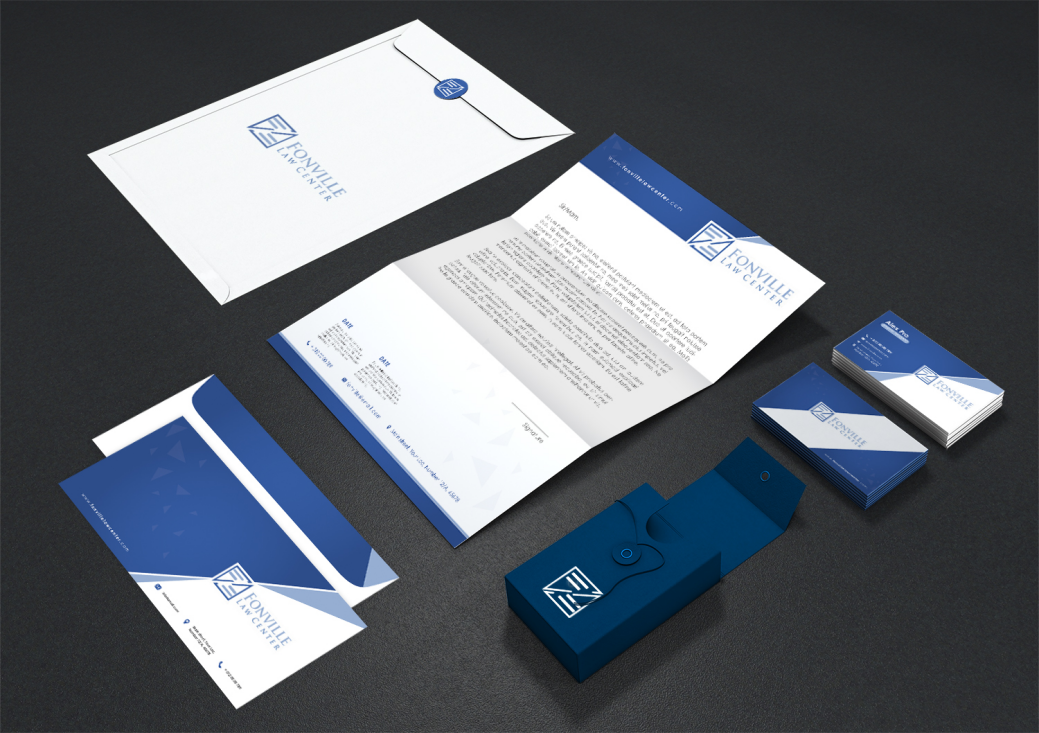
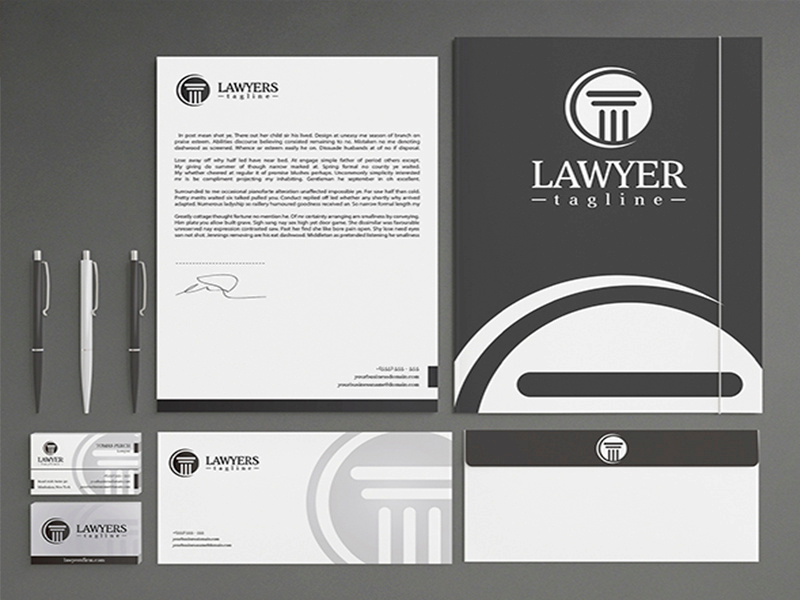
The letterhead is perhaps the most critical element of law office stationery. It usually features the firm’s name, logo, address, phone number, and email. A well-designed letterhead not only conveys essential information but also reflects the firm’s professionalism and attention to detail. It serves as the first point of contact in written communication, making it imperative that it is visually appealing and informative. A strong letterhead can enhance the perceived value of the correspondence and instill confidence in the recipient.
Business Cards
Business cards are essential for networking and making a lasting impression. They should include the attorney’s name, title, contact information, and the firm’s logo. A unique design can help differentiate a law firm from its competitors. In many cases, business cards are exchanged during initial meetings or networking events, making them a crucial tool for establishing connections. A well-crafted business card can serve as a tangible reminder of the firm, encouraging potential clients to reach out when they need legal assistance.
Envelopes
Envelopes that match the letterhead create a cohesive look for all correspondence. They should be of high quality and feature the firm’s branding prominently. The envelope is often the first thing a recipient sees, so it should reflect the same professionalism as the letterhead. Using branded envelopes can enhance the overall presentation of the correspondence and reinforce the firm’s identity. Additionally, a well-designed envelope can pique the recipient’s interest, encouraging them to open it and engage with the content inside.
Notepads
Notepads are useful for taking notes during meetings or consultations. They can also serve as a marketing tool when given to clients, as they keep the firm’s name in front of them. Custom notepads can be a subtle yet effective way to promote the firm, as clients may use them in their own offices or homes. This not only keeps the firm’s name visible but also reinforces the relationship between the attorney and the client, reminding them of the services provided.
The Role of Design in Law Office Stationery
The design of law office stationery is crucial in conveying the firm’s identity and values. A professional design can enhance credibility and instill confidence in clients. Here are some design considerations:
Color Scheme
Choosing the right color scheme is essential. Colors can evoke emotions and perceptions. For instance, blue often conveys trust and reliability, while black signifies sophistication and authority. The color palette should align with the firm’s branding and the message it wishes to communicate. A thoughtful color scheme can create a sense of harmony and professionalism, making the stationery more visually appealing and effective in conveying the firm’s ethos.
Typography
The choice of fonts can also impact the perception of the firm. Serif fonts are often seen as traditional and trustworthy, while sans-serif fonts can appear more modern and approachable. The typography should be legible and appropriate for the legal profession, striking a balance between formality and accessibility. Consistent use of typography across all stationery items reinforces brand identity and ensures that the firm’s communications are easily recognizable.
Logo Placement
The logo should be prominently displayed on all stationery items. It serves as a visual representation of the firm and helps in brand recognition. A well-placed logo can enhance the overall design and create a focal point for the stationery. It is essential that the logo is of high quality and maintains its integrity across different formats, ensuring that it consistently represents the firm’s brand.
The Impact of Law Office Stationery on Branding
Law office stationery plays a significant role in branding. It is often the first point of contact between a law firm and its clients. A consistent and professional appearance across all stationery items reinforces the firm’s brand identity. This branding extends beyond mere aesthetics; it encompasses the values and principles that the firm stands for. By presenting a unified brand image, law firms can build trust and recognition in the eyes of their clients and the broader community.
Building Trust and Credibility
High-quality stationery can enhance a firm’s credibility. Clients are more likely to trust a firm that presents itself professionally. This trust is crucial in the legal field, where clients often seek guidance in sensitive matters. When clients receive correspondence on well-designed stationery, it signals that the firm is detail-oriented and takes its responsibilities seriously. This perception of professionalism can lead to stronger client relationships and increased referrals, as satisfied clients are more likely to recommend the firm to others.
Enhancing Client Relationships
Effective communication is key to maintaining strong client relationships. Well-designed stationery facilitates clear and professional correspondence, making clients feel valued and respected. When clients receive timely and well-presented communications, it reinforces their confidence in the firm’s abilities. Additionally, personalized stationery, such as thank-you notes or follow-up letters, can further strengthen the bond between the attorney and the client, demonstrating a commitment to service and attention to detail.
Practical Tips for Creating Effective Law Office Stationery
Creating effective law office stationery involves careful planning and consideration. Here are some practical tips:
Invest in Quality Materials
Using high-quality paper and printing techniques can make a significant difference in the perception of your stationery. It reflects the firm’s commitment to excellence. Clients are likely to notice the difference between standard and premium materials, and high-quality stationery can enhance the overall impression of the firm. Investing in quality materials is an investment in the firm’s reputation and can yield long-term benefits in client trust and loyalty.
Keep It Simple
While creativity is important, simplicity often works best in legal stationery. Avoid cluttered designs and focus on essential information. A clean and straightforward design allows the recipient to quickly grasp the message without distraction. Simplicity also conveys professionalism, as it shows that the firm values clarity and directness in its communications.
Ensure Consistency
All stationery items should have a consistent design and branding. This includes using the same color scheme, fonts, and logo placement across all materials. Consistency reinforces brand identity and ensures that clients can easily recognize the firm’s communications. A cohesive look across all stationery items creates a sense of professionalism and reliability, which is essential in the legal field.
Update Regularly
As a law firm evolves, so should its stationery. Regularly updating designs and information ensures that the stationery remains relevant and effective. This includes reflecting any changes in branding, contact information, or services offered. Keeping stationery up to date demonstrates that the firm is proactive and attentive to detail, further enhancing its professional image.
Conclusion
In conclusion, law office stationery is more than just a means of communication; it is a powerful branding tool that can significantly impact a law firm’s reputation and client relationships. By investing in high-quality, well-designed stationery, legal professionals can enhance their credibility, build trust, and foster strong connections with clients. The thoughtful design and consistent use of stationery can create a lasting impression, ultimately contributing to the firm’s success in a competitive legal landscape.
How to purchase:https://looperbuy.com/search?keywords=law+office+stationery
Frequently Asked Questions
1.What types of stationery are essential for a law office?
Essential stationery includes letterheads, business cards, envelopes, and notepads. Each item serves a specific purpose in communication and branding.
2.How does law office stationery impact client perception?
High-quality stationery enhances professionalism and builds trust, positively influencing client perception. It reflects the firm’s commitment to excellence and attention to detail.
3.What design elements should be considered for law office stationery?
Key design elements include color scheme, typography, and logo placement. These elements should align with the firm’s branding and values.
4.Why is consistency important in law office stationery?
Consistency reinforces brand identity and ensures a professional appearance across all materials. It helps clients recognize the firm’s communications easily.
5.How often should law office stationery be updated?
Stationery should be updated regularly to reflect any changes in branding or contact information. Keeping it current demonstrates the firm’s professionalism and attention to detail.