Dropshipping has emerged as a popular business model, allowing entrepreneurs to sell products without holding inventory. Among the various platforms available, AliExpress stands out as a leading choice for dropshippers due to its vast product range and competitive pricing. This article will guide you through the essential steps to successfully start and manage your dropshipping business on AliExpress.
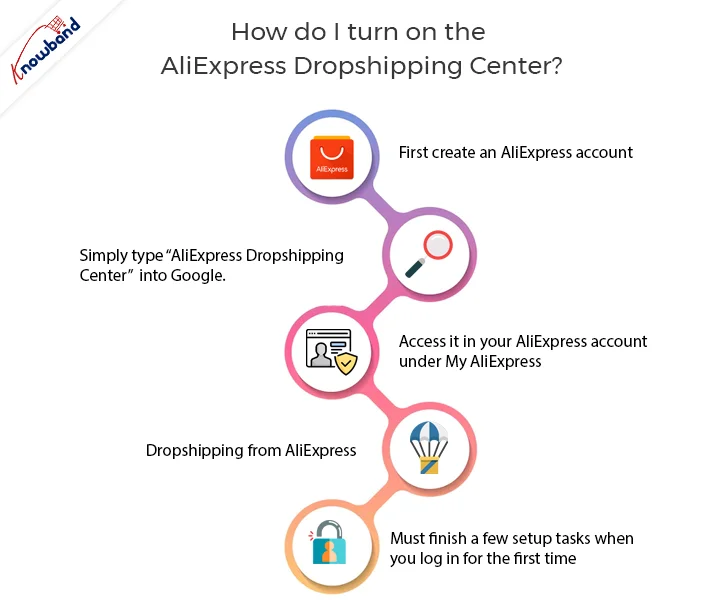
Table of Contents
Understanding the Dropshipping Model
What is Dropshipping?
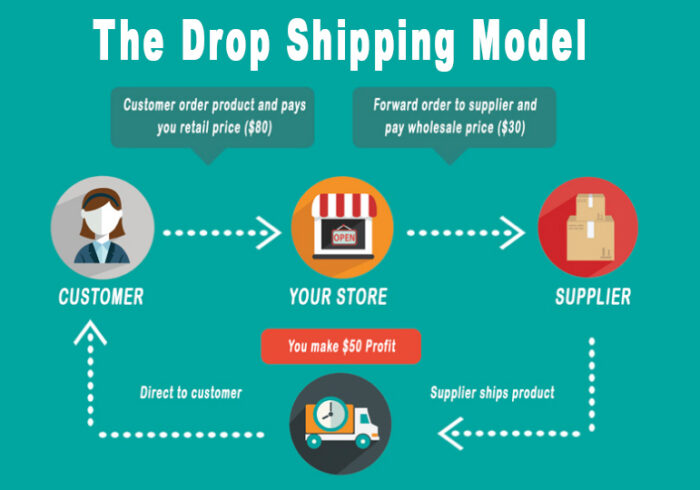
Dropshipping is a retail fulfillment method where a store does not keep the products it sells in stock. Instead, when a store sells a product, it purchases the item from a third party—usually a wholesaler or manufacturer—who then ships it directly to the customer. This model eliminates the need for inventory management and reduces upfront costs, making it an attractive option for new entrepreneurs.
Why Choose AliExpress for Dropshipping?
AliExpress is a global online retail service based in China that offers a wide variety of products at low prices. Here are some reasons why it is a preferred platform for dropshipping:
- Vast Product Selection: AliExpress hosts millions of products across various categories, allowing dropshippers to find niche items easily.
- Low Prices: The competitive pricing on AliExpress enables dropshippers to maintain healthy profit margins.
- No Minimum Order Requirement: You can order a single item at a time, which is ideal for dropshipping.
- Global Shipping: AliExpress suppliers often provide shipping options worldwide, making it easier to reach international customers.
Setting Up Your Dropshipping Business
Step 1: Choose Your Niche
Selecting the right niche is crucial for your dropshipping success. Consider the following when choosing a niche:
- Market Demand: Research trending products and identify what consumers are currently interested in. Tools like Google Trends, social media platforms, and eCommerce forums can provide insights into popular items.
- Competition: Analyze your competitors to understand their offerings and pricing strategies. Use tools like SEMrush or Ahrefs to evaluate their online presence and keyword strategies.
- Profit Margins: Ensure that the products you choose have sufficient profit margins after considering shipping costs and platform fees. Aim for a markup that allows you to cover expenses while remaining competitive.
Step 2: Create Your Online Store
To start selling, you need an online store. Here are some popular platforms to consider:
- Shopify: A user-friendly platform that offers various dropshipping apps like Oberlo and DSers for easy product importation. Shopify also provides customizable templates and a secure payment gateway.
- WooCommerce: A WordPress plugin that allows you to turn your website into a fully functional eCommerce store. It offers flexibility and a wide range of plugins to enhance functionality.
- BigCommerce: A robust platform that supports various sales channels and offers built-in dropshipping features. It is ideal for businesses looking to scale quickly.
Step 3: Source Products from AliExpress
Once your store is set up, it’s time to source products. Here’s how to do it effectively:
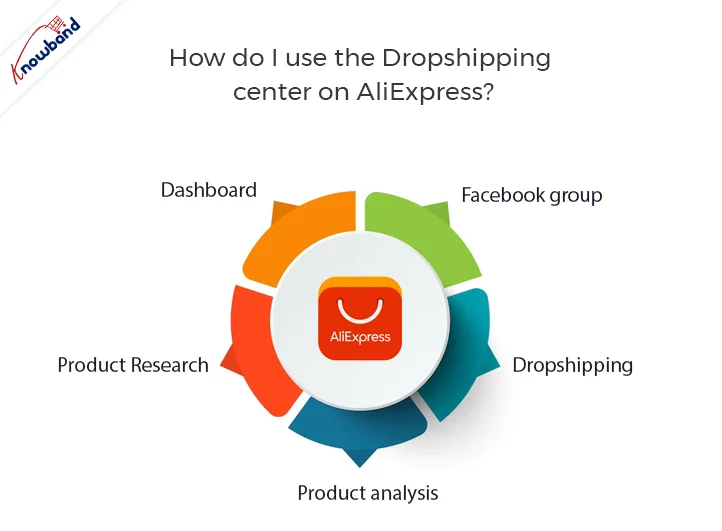
- Use the AliExpress Dropshipping Center: This tool helps you find trending products and provides insights into sales performance. It also allows you to analyze product reviews and shipping times.
- Select Reliable Suppliers: Look for suppliers with high ratings and positive reviews. This ensures product quality and reliable shipping. Check their response times and customer service ratings to gauge their reliability.
- Import Products to Your Store: Use dropshipping tools to import products directly from AliExpress to your online store, saving time and effort. Automating this process can help you manage your inventory more efficiently.
Step 4: Set Up Payment and Shipping Options
To facilitate smooth transactions, set up payment gateways that are popular among your target audience. Common options include:
- PayPal: A widely used payment method that offers buyer protection and is trusted by consumers.
- Stripe: A flexible payment processor that supports various payment methods and currencies.
- Credit/Debit Cards: Ensure that you can accept major credit cards to cater to a broader audience.
For shipping, consider offering multiple options to your customers, including standard and expedited shipping. Clearly communicate shipping times and costs on your website to manage customer expectations. You can also offer free shipping on orders over a certain amount to encourage larger purchases.
Marketing Your Dropshipping Store
Step 1: Utilize Social Media
Social media platforms are powerful tools for marketing your dropshipping business. Here’s how to leverage them:
- Create Engaging Content: Share product images, customer testimonials, and promotional offers to attract followers. Use high-quality visuals and compelling captions to engage your audience.
- Run Paid Ads: Use targeted ads on platforms like Facebook and Instagram to reach potential customers based on their interests and behaviors. Experiment with different ad formats, such as carousel ads and video ads, to see what resonates best with your audience.
Step 2: Implement SEO Strategies
Search Engine Optimization (SEO) is essential for driving organic traffic to your store. Focus on:
- Keyword Research: Identify relevant keywords that potential customers might use to search for your products. Use tools like Google Keyword Planner or Ubersuggest to find high-volume keywords.
- On-Page SEO: Optimize product descriptions, titles, and images to improve search engine rankings. Ensure that your website is mobile-friendly and has a fast loading speed.
- Content Marketing: Start a blog related to your niche to provide valuable information and attract visitors to your store. Share tips, product reviews, and industry news to establish your authority in the market.
Step 3: Email Marketing
Building an email list allows you to engage with customers directly. Use email marketing to:
- Send Newsletters: Keep your audience informed about new products, promotions, and updates. Personalize your emails to increase engagement and conversion rates.
- Abandoned Cart Emails: Remind customers who left items in their cart to complete their purchase. Offer incentives, such as discounts or free shipping, to encourage them to finalize their orders.
Managing Your Dropshipping Business
Order Fulfillment Process
Once you start receiving orders, it’s crucial to manage the fulfillment process efficiently:
- Receive Orders: Monitor your store for incoming orders. Use order management software to streamline this process and keep track of sales.
- Place Orders on AliExpress: For each order, purchase the product from AliExpress and enter the customer’s shipping information. Automating this process can save you time and reduce errors.
- Track Shipments: Keep track of shipping details and provide customers with tracking information to enhance their experience. Use tracking tools to monitor delivery times and address any issues promptly.
Customer Service
Providing excellent customer service is vital for retaining customers and building a positive reputation. Here are some tips:
- Respond Promptly: Address customer inquiries and concerns quickly to show that you value their business. Use chatbots or customer service software to manage inquiries efficiently.
- Handle Returns and Refunds: Have a clear policy in place for returns and refunds, and communicate this to your customers. Make the return process as simple as possible to enhance customer satisfaction.
Scaling Your Dropshipping Business
Analyze Your Performance
To grow your dropshipping business, regularly analyze your performance metrics. Key performance indicators (KPIs) to monitor include:
- Sales Revenue: Track your total sales and identify trends over time.
- Conversion Rate: Measure the percentage of visitors who make a purchase. Optimize your website and marketing strategies to improve this metric.
- Customer Acquisition Cost (CAC): Calculate how much you spend on marketing to acquire a new customer. Aim to reduce this cost while maintaining effective marketing efforts.
Expand Your Product Range
As your business grows, consider expanding your product range. Research new trends and customer preferences to identify additional products that align with your niche. This can help you attract a broader audience and increase sales.
Explore New Marketing Channels
In addition to social media and email marketing, explore other marketing channels to reach potential customers:
- Influencer Marketing: Collaborate with influencers in your niche to promote your products. Influencers can help you reach a larger audience and build credibility.
- Affiliate Marketing: Create an affiliate program that allows others to promote your products in exchange for a commission on sales. This can help you tap into new customer bases.
Automate Your Business Processes
As your business grows, consider automating various processes to save time and reduce manual work. Use tools for:
- Inventory Management: Automate inventory tracking to avoid stockouts and overselling.
- Order Processing: Use software that integrates with AliExpress to streamline order fulfillment and tracking.
- Customer Relationship Management (CRM): Implement a CRM system to manage customer interactions and improve service.
Advanced Strategies for Success
Leverage Data Analytics
Data analytics can provide valuable insights into your business performance. Use analytics tools to track customer behavior, sales trends, and marketing effectiveness. By understanding your customers’ preferences and shopping habits, you can make informed decisions about product offerings and marketing strategies.
Optimize Your Website for Conversions
Your website should be designed to convert visitors into customers. Consider the following optimization strategies:
- User Experience (UX): Ensure that your website is easy to navigate, with a clear layout and intuitive design. A positive user experience can significantly impact conversion rates.
- A/B Testing: Conduct A/B tests on different elements of your website, such as product pages, call-to-action buttons, and checkout processes. This will help you identify what works best for your audience.
- Customer Reviews and Testimonials: Display customer reviews and testimonials prominently on your product pages. Positive feedback can build trust and encourage potential customers to make a purchase.
Build a Brand Identity
Establishing a strong brand identity can set you apart from competitors. Consider the following elements:
- Brand Story: Share your brand’s story and values with your audience. This can create an emotional connection and foster customer loyalty.
- Consistent Branding: Use consistent branding across all platforms, including your website, social media, and marketing materials. This includes your logo, color scheme, and messaging.
- Engage with Your Audience: Interact with your customers on social media and respond to their comments and messages. Building a community around your brand can enhance customer loyalty and encourage repeat purchases.
Stay Updated on Industry Trends
The eCommerce landscape is constantly evolving, and staying informed about industry trends is crucial for success. Follow industry blogs, attend webinars, and participate in online forums to keep up with the latest developments. This knowledge can help you adapt your strategies and stay ahead of the competition.
Conclusion
Starting a dropshipping business on AliExpress can be a rewarding venture if approached strategically. By selecting the right niche, setting up an efficient online store, and implementing effective marketing strategies, you can build a successful dropshipping business. Remember to focus on customer satisfaction and continuously optimize your operations for long-term success. With dedication and the right tools, you can turn your dropshipping dream into a profitable reality.
As you embark on your dropshipping journey with AliExpress, remember that the right products can make all the difference in attracting customers and boosting sales. Discover a wide range of trending items that can elevate your store’s offerings at LooperBuy.
Article Summary: This comprehensive guide provides detailed steps on how to start and manage a dropshipping business using AliExpress. It covers niche selection, store setup, product sourcing, marketing strategies, order fulfillment, customer service, scaling your business, and advanced strategies for success. By following these guidelines, aspiring entrepreneurs can successfully navigate the dropshipping landscape and achieve long-term success.
Hot Tags: Dropshipping; AliExpress; E-commerce; Online Store; Shopify; WooCommerce; Product Sourcing; Market Research; Customer Service; SEO; Social Media Marketing; Email Marketing; Order Fulfillment; Niche Selection; Payment Processing; Shipping Options; Digital Marketing; Business Strategy; Profit Margins; Supplier Management; Inventory Management; E-commerce Trends; Online Business; Retail Fulfillment; Consumer Behavior; Sales Channels; Marketing Strategies; Business Growth; Entrepreneurial Success; E-commerce Platforms.
Related Questions & Answers
· What is the first step to start dropshipping on AliExpress?
The first step is to choose a niche that interests you and has market demand. Conduct thorough research to identify profitable products.
· Do I need a business license to dropship on AliExpress?
It depends on your location and local regulations. Check with your local authorities to determine if a business license is required.
· How do I handle customer service for my dropshipping store?
Provide prompt responses to customer inquiries, have a clear return policy, and ensure effective communication throughout the order process.
· Can I use multiple suppliers for my dropshipping business?
Yes, using multiple suppliers can help diversify your product offerings and reduce the risk of stock shortages.
· What are the best marketing strategies for a dropshipping business?
Utilize social media marketing, SEO, and email marketing to reach your target audience and drive traffic to your store.