Table of Contents
The Evolution of Drop Shipping in Modern E-Commerce
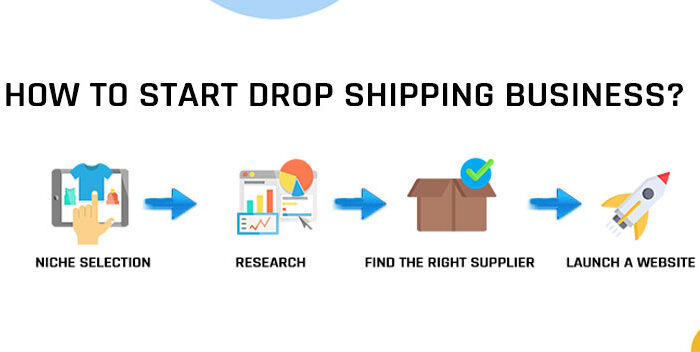
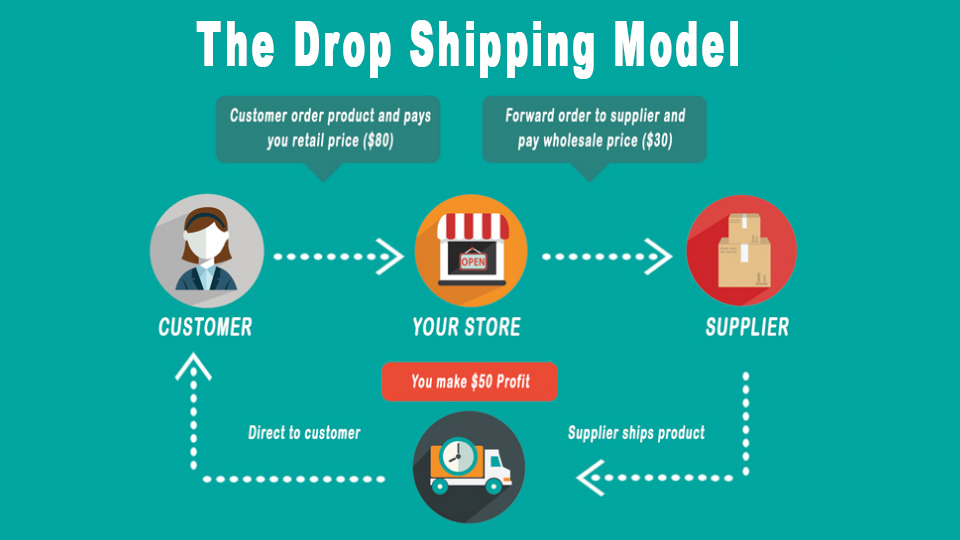
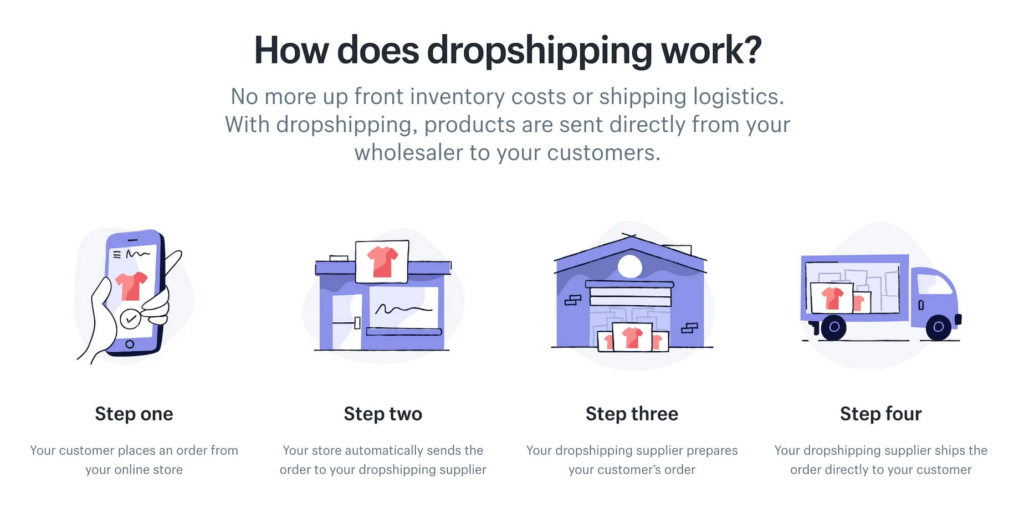
Drop shipping has transformed from a niche fulfillment model to a cornerstone of global e-commerce, with 23% of online retailers now relying exclusively on third-party suppliers. The model’s appeal lies in its asset-light structure, enabling entrepreneurs to launch brands without inventory investments. However, success hinges on supplier reliability, quality control, and scalability. Post-pandemic shifts toward direct-to-consumer (DTC) sales accelerated this trend, with 67% of new Shopify stores integrating drop shipping by 2024.
Key Challenges in Supplier Selection
- Quality Inconsistency: Generic suppliers often provide low-resolution images and misleading product descriptions.
- Shipping Delays: 52% of customer complaints stem from extended delivery times.
- Ethical Concerns: Sustainability-conscious buyers increasingly demand transparency about labor practices.
Niche vs. Generalist Suppliers
- Niche Specialists: Offer branded packaging and proprietary designs but require minimum order quantities (MOQs).
- Generalist Marketplaces: AliExpress and Oberlo provide vast SKUs but lack customization.
Criteria for Evaluating Drop Shipping Suppliers
Reliability Metrics
- Order Fulfillment Rate: Aim for suppliers with ≥95% success rates.
- Communication Channels: Prioritize those offering 24/7 chat support and dedicated account managers.
- Return Policies: Look for prepaid return labels and 30-day grace periods.
Product Quality Assurance
- Sampling Protocols: Order 5–10 units to assess stitching, material authenticity, and color accuracy.
- Certifications: Search for OEKO-TEX (textiles) or FCC (electronics) compliance.
Technology Integration
- API Compatibility: Ensure seamless syncing with Shopify, WooCommerce, or BigCommerce.
- Inventory Updates: Real-time stock alerts prevent overselling.
Building Strategic Partnerships
Negotiation Tactics
- Volume Discounts: Request tiered pricing for orders exceeding 500 units/month.
- Exclusive Agreements: Lock in regional exclusivity for niche products.
Contract Essentials
- Liability Clauses: Define responsibilities for lost packages or defective items.
- Payment Terms: Opt for net-30 terms to improve cash flow.
Scaling Strategies
- Supplier Diversification: Onboard 3–5 backup vendors to mitigate risks.
- Private Labeling: Partner with suppliers willing to add custom branding at 0.50–2.00 per unit.
Overcoming Common Pitfalls
Inventory Inconsistency
- Buffer Stock: Maintain 10–15% extra inventory for best-sellers.
- Automated Alerts: Use tools like Inventory Source to track low-stock warnings.
Shipping Delays
- Geographic Proximity: Prioritize suppliers within the same continent for 3–7 day delivery.
- Express Upgrades: Negotiate subsidized DHL/FedEx rates for rush orders.
Ethical Compliance
- Factory Audits: Request SA8000 certification audits.
- Carbon Offset Programs: Partner with suppliers offering eco-friendly packaging.
Conclusion
Selecting the right drop shipping suppliers demands a blend of due diligence, technological alignment, and relationship management. While challenges like quality control and shipping delays persist, strategic partnerships can mitigate risks and unlock scalability. Entrepreneurs must balance cost efficiency with ethical considerations to thrive in an increasingly competitive landscape.
If you want to enjoy the full-process transfer logistics service and ensure that your goods are easily delivered to overseas addresses,you can use looperbuy, a one-stop purchasing-logistics solution:https://looperbuy.com/
Related Questions & Answers
· How to verify supplier reliability?
Order samples, check review platforms like Trustpilot, and request client references.
· What’s the ideal number of suppliers to partner with?
Start with 2–3 primary suppliers and 1–2 backups to avoid over-diversification.
· Can I negotiate lower pricing?
Yes, by committing to monthly volume thresholds or prepaying for quarterly inventory.
· How to handle defective items?
Include a “defective item policy” in contracts, mandating supplier-funded replacements.
· What tools automate supplier management?
Platforms like Spocket and Modalyst streamline order routing and inventory syncing.
Hot Tags: Best Drop Shipping Companies; Drop Shipping for Beginners; USA Drop Shipping Suppliers; Wholesale Drop Shipping; E-Commerce Fulfillment Partners; AliExpress Alternatives; Sustainable Drop Shipping; Print-on-Demand Suppliers; Drop Shipping Automation Tools