Table of Contents
Introduction to Mobile Tempered Glass Cutters
In the rapidly evolving electronics industry, mobile tempered glass cutters have become essential tools for businesses and enthusiasts involved in screen protector production and customization. These machines enable precise cutting of tempered glass, meeting the demand for personalized and high-quality screen protectors.
What is a Mobile Tempered Glass Cutter?
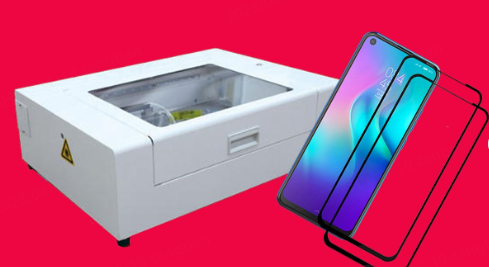
A mobile tempered glass cutter is a portable device designed for on-site production of tempered glass. It is compact and lightweight, making it convenient to carry and use. These machines typically feature advanced cutting technologies and precise control systems to ensure high-quality tempered glass output. They are widely used in industries such as electronics, automotive, and construction.
Brief History and Development
The development of mobile tempered glass cutters can be traced back to the early stages of tempered glass production. Initially, traditional glass cutting tools were primarily manual or semi-automatic, with low efficiency and limited precision. With advancements in technology, specialized tempered glass cutting machines emerged. In recent years, the rise of mobile technology has driven the development of mobile tempered glass cutters. Today’s machines are more intelligent and automated, capable of meeting diverse user needs.
Types and Features of Mobile Tempered Glass Cutters
Mobile tempered glass cutters come in various types, each with distinct features and advantages.
Classification by Cutting Technology
- Laser Cutting Machines: Utilize high-energy laser beams to cut tempered glass. Laser cutting offers high precision, fast speed, and clean edges. It is suitable for complex patterns and high-precision cutting tasks. However, it is relatively expensive and requires a stable power supply and operating environment.
- Water Jet Cutting Machines: Use high-pressure water jets mixed with abrasive materials to cut tempered glass. Water jet cutting is highly precise and does not cause thermal deformation to the glass. It is ideal for cutting thick or heat-sensitive tempered glass. Its downside is the need for regular maintenance of water supply and filtration systems.
- Mechanical Cutting Machines: Cut tempered glass using mechanical tools like diamond blades. Mechanical cutting machines are cost-effective, easy to operate, and maintain. They are suitable for small-scale production and simple cutting tasks. However, their precision is relatively lower, and they may produce more noise and dust.
Classification by Automation Level
- Manual Mobile Tempered Glass Cutters: Primarily rely on manual operation, offering flexibility and simplicity. They are suitable for small businesses or individuals with limited production needs. However, they require skilled operators to achieve high-quality cutting results.
- Semi-Automatic Mobile Tempered Glass Cutters: Combine manual and automated operations. They feature partial automation, such as automatic cutting control after manual feeding. This type improves efficiency while reducing labor costs. It strikes a balance between cost and performance.
- Automatic Mobile Tempered Glass Cutters: Fully automated cutting process, including material feeding, cutting, and unloading. Automatic machines deliver high precision, efficiency, and consistency in cutting quality. They are ideal for large-scale production but are expensive and require a high level of technical support.
Key Features of Mobile Tempered Glass Cutters
- Precision Cutting: Equipped with advanced sensor and control systems, these machines can achieve cutting accuracy within ±0.01mm. They ensure precise edges and dimensions, meeting high-quality standards for tempered glass.
- Wide Material Compatibility: Capable of cutting various types of tempered glass, including standard tempered glass, anti-explosion glass, and nano glass. They also handle other materials like TPU and PET, catering to diverse user needs.
- High Efficiency: Advanced cutting technologies and optimized mechanical structures enable fast cutting speeds, significantly improving production efficiency. For example, some laser cutting machines can cut at speeds exceeding 50cm/s, meeting the demands of large-scale production.
- Portability: Compact and lightweight design allows for easy transportation and flexible deployment. These machines can be used onsite, making them suitable for mobile production and on-site customization.
- User-Friendly Operation: Most mobile tempered glass cutters feature intuitive interfaces and simple operation processes. Users can quickly master their use, and some machines even offer app-based remote control, enhancing convenience.
- Low Maintenance: Durable and reliable construction requires minimal maintenance. Regular cleaning and inspection are sufficient to ensure stable operation, reducing downtime and maintenance costs.
Market Trends and Applications of Mobile Tempered Glass Cutters
The market for mobile tempered glass cutters is rapidly growing, driven by multiple factors.

Market Growth Drivers
- Rising Demand for Screen Protectors: The proliferation of smartphones, tablets, and other electronic devices has led to a surge in demand for screen protectors. Users increasingly prefer tempered glass protectors for their superior durability and protection. Mobile tempered glass cutters enable personalized and on-demand production of screen protectors, aligning with market trends.
- Expanding Application Scenarios: Beyond electronics, tempered glass is widely used in industries such as automotive, construction, and furniture. For instance, automotive tempered glass requires precise cutting and shaping. Mobile tempered glass cutters can meet these needs, offering businesses new growth opportunities.
- Technological Advancements: Continuous progress in cutting technologies, automation, and intelligent systems has enhanced the performance and efficiency of mobile tempered glass cutters. These advancements have reduced production costs and improved product quality, driving market adoption.
Key Application Industries
- Electronics Industry: The primary application area for mobile tempered glass cutters. Screen protector manufacturers use these machines to produce tempered glass protectors for smartphones, tablets, and other devices. Repair shops also utilize them to create custom screen protectors for clients.
- Automotive Industry: Tempered glass is widely used in automotive manufacturing, such as windshields and side windows. Mobile tempered glass cutters allow for on-site customization of automotive glass, improving production efficiency and flexibility.
- Construction Industry: Tempered glass is commonly used in construction for windows, doors, and facades. Mobile tempered glass cutters enable on-site cutting and installation of glass, reducing production and transportation costs.
- Furniture Industry: Tempered glass is widely used in furniture design and manufacturing, such as glass tables and cabinets. Mobile tempered glass cutters provide customized glass-cutting solutions for furniture manufacturers, enhancing product differentiation.
Selecting the Right Mobile Tempered Glass Cutter
Choosing a suitable mobile tempered glass cutter requires consideration of multiple factors.
Application Requirements
Determine the specific application scenarios and requirements for the machine. For example, if primarily producing screen protectors, prioritize a machine with high precision and small cutting dimensions. For automotive or construction applications, select a machine capable of cutting larger glass sheets and meeting industry standards.
Cutting Technology and Precision
Based on production needs and glass material characteristics, choose the appropriate cutting technology. Laser cutting machines offer high precision and quality but are relatively expensive. Water jet cutting machines are suitable for thick and heat-sensitive glass but require high maintenance. Mechanical cutting machines are cost-effective but may compromise on precision. Assess your needs to select the optimal cutting technology and ensure the machine meets precision requirements.
Automation Level and Production Efficiency
Match the automation level of the machine to your production scale and labor resources. Automatic machines are ideal for large-scale production, offering high efficiency and stable output. Semi-automatic machines provide a balance between cost and efficiency. Manual machines are suitable for small-scale production and customized tasks. Additionally, consider the machine’s cutting speed and output to ensure it meets production demands.
Equipment Reliability and Stability
Choose a mobile tempered glass cutter from a reputable manufacturer with proven quality assurance. Research the manufacturer’s reputation, product reviews, and after-sales support. Visit the manufacturer’s facilities if possible to inspect the machine’s build quality and performance. Reliable and stable equipment minimizes downtime and maintenance costs, ensuring smooth production.
Cost and Budget
Consider your budget when selecting a machine. While high-end machines offer superior performance, they may exceed your financial capacity. Weigh the machine’s price against its features and performance to choose a cost-effective option. Additionally, factor in ongoing costs such as maintenance, consumables, and energy consumption to ensure long-term affordability.
Maintenance and Care for Mobile Tempered Glass Cutters
Proper maintenance and care extend the lifespan of mobile tempered glass cutters and ensure stable performance.
Daily Maintenance
After each use, clean the machine to remove glass debris, dust, and other contaminants. Wipe the exterior and interior surfaces with a clean, dry cloth. Check for wear and tear on components like cutting heads and guides, and replace them if necessary. Lubricate moving parts as needed to reduce friction and wear.
Regular Inspections
Conduct periodic inspections of the machine, including its electrical systems, cutting mechanisms, and sensors. Test the functionality of the control system and calibration accuracy. Address any issues promptly to prevent malfunctions. Schedule professional maintenance personnel to perform thorough inspections and servicing at regular intervals.
Storage Precautions
When the machine is not in use for extended periods, store it in a dry, well-ventilated environment free from moisture and dust. Cover the machine with a protective cover to shield it from dust and damage. Power off the machine and disconnect it from the power source to ensure safety and longevity.
Consumable Management
Monitor the usage of consumables such as cutting blades and nozzles, and promptly replace them when worn or damaged. Store consumables in a dry, well-ventilated area to prevent moisture or deformation. Manage consumable inventory to ensure availability when needed.
Conclusion
Mobile tempered glass cutters play a crucial role in modern glass processing. Their high precision, efficiency, portability, and ease of use make them indispensable tools across various industries. As technology advances and market demand grows, mobile tempered glass cutters will continue to evolve, offering enhanced performance and broader applications. By understanding their types, features, and selection criteria, users can choose the right machine to meet their needs. Proper maintenance and care will ensure optimal performance and longevity, driving the development of glass processing industries.
How to Purchase:https://looperbuy.com/search?keywords=mobile+tempered+glass+cutter
Q & A
Q1: What is the cutting precision of mobile tempered glass cutters?
A1: High – end mobile tempered glass cutters can achieve cutting precision within ±0.01mm. Most machines on the market offer precision within ±0.1mm, meeting the requirements for high – quality tempered glass production.
Q2: What is the cutting speed of mobile tempered glass cutters?
A2: Cutting speed varies depending on the machine type and technology. Laser cutting machines typically have faster speeds, reaching up to 50cm/s or more. Mechanical cutting machines generally cut at slower speeds, usually between 10 – 30cm/s. Water jet cutting machines have relatively lower speeds but prioritize cutting quality.
Q3: Can mobile tempered glass cutters cut materials other than tempered glass?
A3: Yes, many mobile tempered glass cutters can process a variety of materials, such as TPU, PET, and hydrogel films. Some advanced machines can even cut special materials like ceramic and glass fiber composites, offering versatility for users.
Q4: How much does a mobile tempered glass cutter cost?
A4: Prices vary widely based on brand, model, and features. Entry – level manual machines may cost a few hundred to a few thousand dollars, while mid – range semi – automatic machines range from several thousand to tens of thousands of dollars. High – end automatic machines can cost over a hundred thousand dollars. Users should select machines based on their budget and needs.
Q5: What safety precautions should be taken when using mobile tempered glass cutters?
A5: Operators should receive professional training to master the machine’s operation procedures and safety guidelines. Wear protective gear such as gloves and goggles during use to prevent injuries from glass shards. Ensure the machine is placed on a stable surface to avoid tipping or vibration. Avoid touching moving parts during operation to prevent accidents. Regularly inspect and maintain the machine to ensure its safe operation.