Table of Contents
Introduction to Muslim Modest Clothing
Modest clothing holds significant importance in Islamic culture. It is not merely about covering the body but also reflects a Muslim’s faith, values, and identity. Muslim modest clothing, also known as “Hijab” in a broader sense, encompasses various types of attire that adhere to Islamic teachings on modesty.
The Concept and Significance of Modesty in Islam
In Islam, modesty is considered a virtue for both men and women. The Quran instructs believers to dress modestly and behave with propriety. For women, this generally means covering the entire body except the face and hands; for men, covering from the navel to the knees is required. Modesty in clothing is not only a religious obligation but also a means of protecting one’s dignity and honor, fostering a respectful social environment, and reflecting a Muslim’s inner faith and self – cultivation.
Historical Development of Muslim Modest Clothing
The history of Muslim modest clothing can be traced back to the early days of Islam. In ancient times, clothing materials were relatively simple, primarily consisting of cotton, linen, and wool. Garments were mostly loose – fitting robes and shawls. Over time, with the spread of Islam and cultural exchanges between regions, Muslim modest clothing has incorporated elements from various cultures, forming a rich and diverse style system. In different periods and regions, Muslim modest clothing has exhibited distinct characteristics, reflecting the local cultural traditions, climate conditions, and social customs.
Types and Styles of Muslim Modest Clothing
Muslim modest clothing encompasses a wide variety of types and styles to meet the needs of different occasions and individual preferences.
Traditional Garments
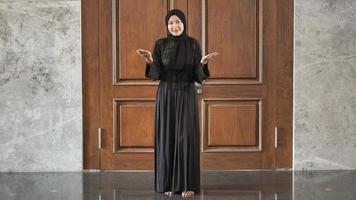
Traditional Muslim garments such as the Abaya, a loose – fitting robe worn by women in Arab Gulf countries, typically made of black fabric with simple designs and minimal adornment, exuding a dignified and elegant aura. The Kaftan is another traditional Muslim garment, featuring a loose, long – sleeved robe with intricate embroidery and patterns, popular among women in countries like Morocco and Turkey. The Jilbab is a long – sleeved, ankle – length outer garment that fully covers the body, commonly seen in Indonesia, Malaysia, and other regions. These traditional garments remain popular among Muslim women today for their unique cultural charm and religious significance.
Modern Fashion Styles
With the development of fashion trends, Muslim modest clothing has also evolved to incorporate modern elements. Contemporary Muslim women’s modest clothing includes stylish blouses and long skirts, maxi dresses, wide – leg pants, and more. These garments combine modern fashion with modesty principles, offering diverse choices for Muslim women in daily life, work, and social settings. For instance, some designers introduce creative cuts and styling techniques to traditional Abayas, adorning them with lace, beads, and embroidery to make them more fashionable and suitable for modern social events. Meanwhile, modest swimwear and sportswear have emerged to meet the needs of Muslim women in sports and leisure activities. These garments feature full – body coverage while ensuring comfort and convenience for physical activities.
Popularity and Market Trends of Muslim Modest Clothing
In recent years, the global market for Muslim modest clothing has experienced rapid growth, becoming a significant segment of the fashion industry.
Growing Consumer Demand
The global Muslim population is steadily increasing, and with rising awareness of religious identity and cultural heritage, more Muslim consumers, particularly young women, are actively seeking modest clothing options. According to a report by Global Industry Analysts, Inc., the global Muslim fashion market is expected to reach $368.2 billion by 2028. Muslim women’s demand for fashion and quality in clothing has driven the diversification and innovation of modest clothing styles. They no longer wish to be confined to traditional, monotonous garments but instead desire stylish and individualized modest clothing that aligns with modern lifestyles while adhering to religious principles.
Rising Brand Competition
To meet the demand of Muslim consumers, numerous brands specializing in modest clothing have emerged. Some well – known international fashion brands have also introduced dedicated modest clothing lines. For example, Dolce & Gabbana launched a hijab and abaya collection targeting Muslim women. These brands incorporate Islamic cultural elements and modern fashion trends into their designs, offering high – quality and stylish modest clothing options. At the same time, many independent Muslim fashion designers and small – to – medium – sized brands are gaining prominence in the market. They focus on niche markets and unique design concepts, creating modest clothing with distinct personalities and cultural charm, attracting a loyal customer base.
Online Shopping Trends
The internet has provided new opportunities for the sales of Muslim modest clothing. Online shopping platforms offer a vast selection of modest clothing, allowing consumers to easily browse and purchase products from home. Muslim consumers can access modest clothing brands and styles from around the world through e – commerce websites like Amazon, Hijup, and Modanisa. Social media platforms like Instagram and Pinterest have also become important channels for promoting and showcasing Muslim modest fashion. Many Muslim fashion bloggers and influencers share their outfit ideas and styling tips on these platforms, inspiring and guiding consumers’ purchases.
How to Choose Muslim Modest Clothing
Selecting suitable Muslim modest clothing requires consideration of multiple factors to ensure it meets both personal style preferences and religious requirements.
Fabric and Quality
The fabric of modest clothing directly impacts wearing comfort and durability. Opt for natural fabrics like cotton, linen, and silk, which offer good breathability, softness, and moisture – wicking properties, ensuring comfort during wear. High – quality modest clothing should feature fine workmanship, with secure stitching, properly aligned seams, and well – finished details such as collars and cuffs.
Style and Fit
Choose modest clothing styles that suit your body shape, lifestyle, and occasions. For daily wear, opt for practical and versatile garments like blouses paired with long skirts or wide – leg pants, which can be easily mixed and matched. For formal events, elegant maxi dresses or embellished Abayas can be chosen to exude grace and sophistication. When selecting traditional garments like Abayas or Jilbabs, consider the fit to ensure they adequately cover the body while allowing freedom of movement.
Cultural and Religious Appropriateness
Muslim modest clothing should comply with Islamic teachings on modesty and cultural traditions. When purchasing modest clothing, ensure it covers the body appropriately and avoids overly revealing or tight – fitting designs. Additionally, be mindful of the cultural and religious connotations of certain patterns and colors. For example, in some cultures, specific patterns or colors may carry particular meanings or symbols, so choose wisely based on your cultural background and personal beliefs.

Where to Buy Muslim Modest Clothing
Numerous shopping channels are available for purchasing Muslim modest clothing, each with its own advantages.
Online Retailers
Online shopping platforms provide a convenient way to buy modest clothing. Major e – commerce websites like Amazon, Hijup, and Modanisa offer a wide range of modest clothing brands and styles, allowing for easy comparison of prices, quality, and reviews. Some niche online stores specialize in modest clothing, such as Hayaa Clothing and The Muslim Clothes, which focus on specific styles or target audiences, offering personalized modest clothing options. When shopping online, pay attention to the store’s credibility, product descriptions, and customer reviews to ensure a smooth shopping experience.
Physical Stores
Physical stores allow customers to try on modest clothing and assess its fit, quality, and appearance firsthand. In some large cities, dedicated Muslim clothing stores or boutiques can be found, offering a variety of traditional and modern modest clothing. Shopping at physical stores also enables direct communication with sales staff to seek advice and recommendations. Additionally, during cultural or religious events, markets or fairs specializing in Muslim products may be held, where unique and affordable modest clothing can be discovered.
Department Stores and Shopping Centers
Many department stores and shopping centers feature modest clothing sections or dedicated brand boutiques. These venues often showcase mid – to – high – end modest clothing brands, providing consumers with a higher – quality shopping experience. Shopping at department stores or shopping centers also allows for easy comparison of multiple brands and styles under one roof.
Modest Clothing Care and Maintenance
Proper care and maintenance of Muslim modest clothing can extend its lifespan and maintain its appearance.
Cleaning
Follow the care instructions on the clothing labels when cleaning modest garments. Most modest clothing can be machine washed, but delicate fabrics like silk or embroidered pieces should be hand – washed to avoid damage. Use gentle detergents suitable for the fabric type and avoid excessive scrubbing or wringing. For garments with intricate embroidery or beading, consider professional dry cleaning to preserve their quality.
Storage
Store modest clothing properly to prevent wrinkles, deformation, and damage. Fold or hang garments neatly in a well – ventilated wardrobe or closet, avoiding overcrowding to prevent creasing. For garments made of natural fibers like cotton or linen, store them in breathable cotton bags or containers to protect from pests and moisture. When storing seasonal clothing, ensure it is thoroughly cleaned and dried before packing.
Maintenance
Regularly inspect modest clothing for issues like loose threads or damaged buttons and repair them promptly. For garments prone to pilling, use a fabric shaver or lint roller to remove pills and restore the fabric’s appearance. Avoid exposing modest clothing to prolonged sunlight or high temperatures, as this can cause fading or deformation. For traditional garments like Abayas or Kaftans with special fabrics or designs, follow specific care guidelines to maintain their unique qualities.
Conclusion
Muslim modest clothing carries profound cultural and religious significance and has evolved into a vibrant and dynamic fashion sector. From traditional garments like Abayas and Kaftans to modern stylish modest wear, it offers diverse and rich options for Muslim consumers. With the growing global demand for Muslim modest clothing and continuous brand innovation, the market prospects for modest fashion are promising. By understanding the cultural background and religious principles of Muslim modest clothing, selecting suitable garments based on personal needs, and properly caring for them, Muslim consumers can showcase their unique charm and style while adhering to modesty principles. At the same time, the development of the Muslim modest clothing market also promotes cultural exchange and integration between different cultures.
How to Purchase:https://looperbuy.com/search?keywords=muslim
Q&A
Q1: Why is modest clothing important in Islam?
A1: Modest clothing in Islam is not only a religious obligation but also holds cultural and social significance. It reflects a Muslim’s faith and self – cultivation, protects personal dignity and honor, fosters a respectful social environment, and helps Muslims maintain a pious and humble mindset.
Q2: Are modest clothing styles for Muslim men and women the same?
A2: While the specific requirements for modest clothing differ between Muslim men and women, both genders emphasize covering specific body parts. Generally, men are required to cover from the navel to the knees, while women are expected to cover the entire body except the face and hands. However, in practice, modest clothing styles for men and women vary significantly due to differences in social roles, cultural traditions, and aesthetic preferences.
Q3: How can I find modest clothing that suits my body type?
A3: When selecting modest clothing, consider your body shape and choose styles that accentuate your strengths and complement your figure. For example, if you have an apple – shaped body, opt for blouses with flared sleeves and A – line skirts to create a balanced silhouette. If you have a pear – shaped body, choose fitted tops paired with wide – leg pants or maxi skirts to highlight your upper body while softening the lower body. Additionally, consult with sales staff or fashion consultants at stores to seek personalized recommendations.
Q4: Can I wear modest clothing in non – Muslim countries?
A4: Yes, modest clothing can be worn in non – Muslim countries. Many non – Muslim countries promote religious tolerance and cultural diversity, respecting the religious beliefs and cultural practices of Muslims. In fact, the unique charm and style of Muslim modest clothing have attracted increasing attention and appreciation from people of various backgrounds. Wearing modest clothing in non – Muslim countries not only allows Muslims to practice their faith but also serves as a bridge for cultural exchange and integration.
Q5: How do I address my child’s resistance to wearing modest clothing?
A5: If your child resists wearing modest clothing, communicate with them to understand their reasons. Explain the significance and values of modest clothing in a patient and gentle manner, helping them develop a correct understanding of religious and cultural practices. Allow your child to participate in selecting modest clothing and offer choices to cater to their preferences and interests. Encourage and praise them when they willingly wear modest clothing to boost their confidence and acceptance of it. Avoid forcing or pressuring your child, as this may lead to resistance or a negative attitude.