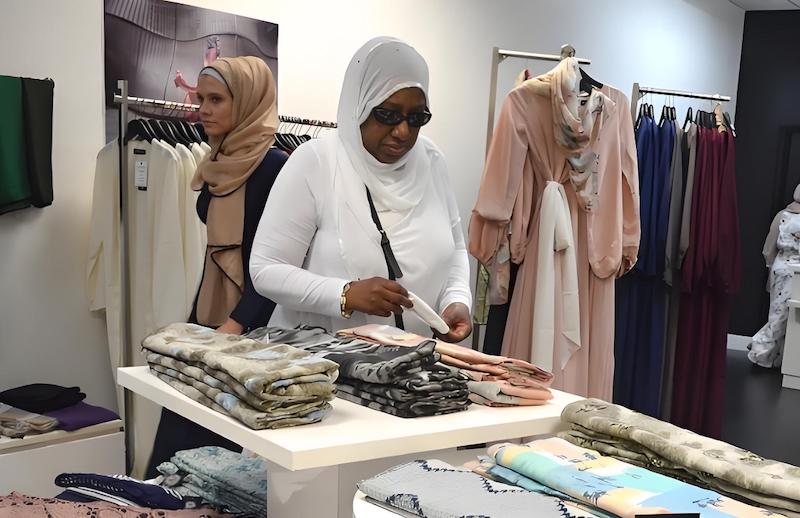
In today’s globalized world, the fashion industry is increasingly recognizing the importance of catering to diverse cultural needs, particularly within the Muslim community. A Muslim clothing store has the unique opportunity to serve a wide range of customers by offering clothing that respects cultural values while also embracing modern fashion trends. This article explores how a Muslim clothing store can effectively cater to the diverse cultural needs of its clientele.
Table of Contents
Understanding the Cultural Context
The Diversity Within the Muslim Community
The Muslim community is not monolithic; it encompasses a wide array of cultures, traditions, and interpretations of modesty. From the vibrant colors and patterns of South Asian attire to the elegant simplicity of Middle Eastern garments, the diversity within the Muslim community is vast. Each culture brings its own unique styles, fabrics, and designs, which can be influenced by historical, geographical, and social factors. A successful Muslim clothing store must recognize and celebrate this diversity by offering a variety of styles that reflect different cultural backgrounds. This not only helps in attracting a broader customer base but also fosters a sense of belonging among individuals who may feel underrepresented in mainstream fashion.
The Role of Modesty in Fashion
Modesty is a fundamental aspect of Muslim attire, but interpretations of modesty can vary significantly. Some may prefer loose-fitting garments that cover the body entirely, while others may opt for more contemporary styles that still adhere to modesty principles. This variation can be influenced by personal beliefs, cultural backgrounds, and even regional practices. Understanding these nuances is crucial for a Muslim clothing store to meet the needs of its diverse customer base. By offering a range of options that cater to different interpretations of modesty, the store can ensure that all customers feel comfortable and confident in their choices.

Product Offerings
A Wide Range of Styles
To cater to the diverse cultural needs of its customers, a Muslim clothing store should offer a wide range of styles, including:
– Traditional Attire: This includes garments such as abayas, kaftans, and salwar kameez, which are deeply rooted in cultural traditions. These pieces often feature intricate embroidery, vibrant colors, and unique patterns that tell a story of heritage and identity.
– Contemporary Fashion: Modern interpretations of modest wear, such as stylish tunics, maxi dresses, and chic hijabs, can attract younger customers looking for fashionable options. These garments often blend traditional elements with contemporary designs, making them appealing to a broader audience.
– Seasonal Collections: Offering seasonal collections that reflect cultural celebrations, such as Eid or Ramadan, can enhance customer engagement and loyalty. These collections can include special designs, colors, and fabrics that resonate with the festive spirit, encouraging customers to shop for special occasions.
Customization Options
Providing customization options can further enhance the shopping experience. Allowing customers to choose fabrics, colors, and styles can help them find garments that resonate with their personal identity and cultural background. This approach not only caters to individual preferences but also fosters a sense of belonging and representation. Customization can also include tailoring services, where customers can have their garments adjusted to fit perfectly, ensuring comfort and satisfaction.
Marketing Strategies
Inclusive Marketing Campaigns
A Muslim clothing store should implement inclusive marketing strategies that resonate with its diverse audience. This can include:
– Diverse Representation: Featuring models from various cultural backgrounds in marketing materials can help customers see themselves represented in the brand. This representation can extend beyond just ethnicity to include different body types, ages, and styles, making the brand more relatable to a wider audience.
– Cultural Sensitivity: Marketing campaigns should be culturally sensitive and avoid stereotypes. Highlighting the stories behind different garments can educate customers and foster appreciation for cultural diversity. This can be achieved through storytelling, where the history and significance of certain styles are shared, creating a deeper connection with the audience.
Community Engagement
Engaging with the local Muslim community can also enhance brand loyalty. Hosting events, workshops, or fashion shows that celebrate cultural diversity can create a sense of community and encourage customers to support the store. These events can serve as platforms for local designers and artisans, showcasing their work and promoting cultural exchange. Additionally, collaborating with community organizations can help the store build trust and establish itself as a valuable resource within the community.
Customer Experience
Knowledgeable Staff
Having knowledgeable staff who understand the cultural significance of various garments can greatly enhance the customer experience. Staff should be trained to provide styling advice that respects cultural values while also being aware of current fashion trends. This expertise can help customers make informed choices and feel confident in their purchases. Furthermore, staff members who are culturally aware can engage in meaningful conversations with customers, building rapport and trust.
Online Presence
In today’s digital age, a strong online presence is essential. A Muslim clothing store should invest in an e-commerce platform that showcases its diverse product offerings. This platform should be user-friendly, allowing customers to easily navigate through different categories and styles. Additionally, social media can be a powerful tool for engaging with customers, sharing styling tips, and promoting cultural events. By creating a vibrant online community, the store can reach a wider audience and foster a sense of connection among its customers.
Challenges and Solutions
Navigating Cultural Sensitivities
One of the challenges a Muslim clothing store may face is navigating cultural sensitivities. To address this, the store should conduct thorough research on the cultural significance of various garments and engage with community leaders to ensure that its offerings are respectful and appropriate. This proactive approach can help prevent misunderstandings and build a positive reputation within the community.
Balancing Tradition and Modernity
Another challenge is balancing traditional styles with modern fashion trends. A successful strategy is to create a fusion of both, offering garments that incorporate traditional elements while appealing to contemporary tastes. This can attract a broader customer base and encourage cross-cultural appreciation. Collaborating with designers who specialize in modest fashion can also help the store stay ahead of trends while remaining true to its cultural roots.
Conclusion
A Muslim clothing store has the potential to be a vibrant hub for cultural expression and diversity. By understanding the unique needs of its customers, offering a wide range of styles, and implementing inclusive marketing strategies, the store can create a welcoming environment that celebrates the richness of the Muslim community. As the fashion industry continues to evolve, Muslim clothing stores can play a pivotal role in promoting cultural understanding and appreciation.
How to purchase:https://looperbuy.com/search?keywords=muslim+clothing+store
Frequently Asked Questions
1. What types of clothing should a Muslim clothing store offer?
A Muslim clothing store should offer a variety of styles, including traditional attire like abayas and kaftans, contemporary modest fashion, and seasonal collections for cultural celebrations.
2. How can a Muslim clothing store ensure cultural sensitivity in its offerings?
By conducting thorough research on cultural significance and engaging with community leaders, a store can ensure that its offerings are respectful and appropriate.
3. What marketing strategies can help attract a diverse customer base?
Inclusive marketing campaigns that feature diverse representation and culturally sensitive messaging can help attract a broader audience.
4. How important is customization in a Muslim clothing store?
Customization is crucial as it allows customers to express their personal identity and cultural background, enhancing their shopping experience.
5. What role does community engagement play in a Muslim clothing store’s success?
Engaging with the local Muslim community through events and workshops fosters a sense of belonging and encourages customer loyalty.