The world of Muslim women’s clothing is rich and diverse, reflecting a blend of cultural heritage, personal expression, and adherence to modesty principles. As fashion evolves, so too does the interpretation of modest clothing, allowing Muslim women to express their individuality while adhering to their values. This article explores various types of clothing worn by Muslim women, the significance of these garments, and how they can be styled for different occasions.
Table of Contents
The Significance of Modesty in Muslim Fashion
Modesty in Islam is not merely about clothing; it encompasses a way of life that promotes dignity and respect. For many Muslim women, dressing modestly is an act of faith and a reflection of their identity. The concept of modesty varies across cultures and personal beliefs, leading to a wide array of styles and preferences.
– Cultural Identity: Clothing often signifies cultural heritage. For instance, traditional garments like the Abaya or Salwar Kameez are deeply rooted in specific cultures.
– Personal Expression: Modern Muslim women are increasingly using fashion as a medium for self-expression. This has led to the emergence of various styles that blend traditional elements with contemporary trends.
– Fashion Trends: The rise of social media has significantly influenced modest fashion. Platforms like Instagram have allowed Muslim fashion influencers to showcase their styles, making modest clothing more accessible and trendy.
Common Types of Muslim Women’s Clothing
Muslim women’s clothing encompasses a variety of styles, each serving its unique purpose while promoting modesty. Below are some of the most common types:
Abaya
The Abaya is perhaps the most recognized garment among Muslim women. Traditionally a loose-fitting robe worn over regular clothes, it is often black but now comes in various colors and designs.
– Versatility: Abayas can be styled for casual outings or formal events by accessorizing with belts or statement jewelry.
– Modern Designs: Contemporary abayas feature intricate embroidery and embellishments, making them suitable for special occasions.
Hijab
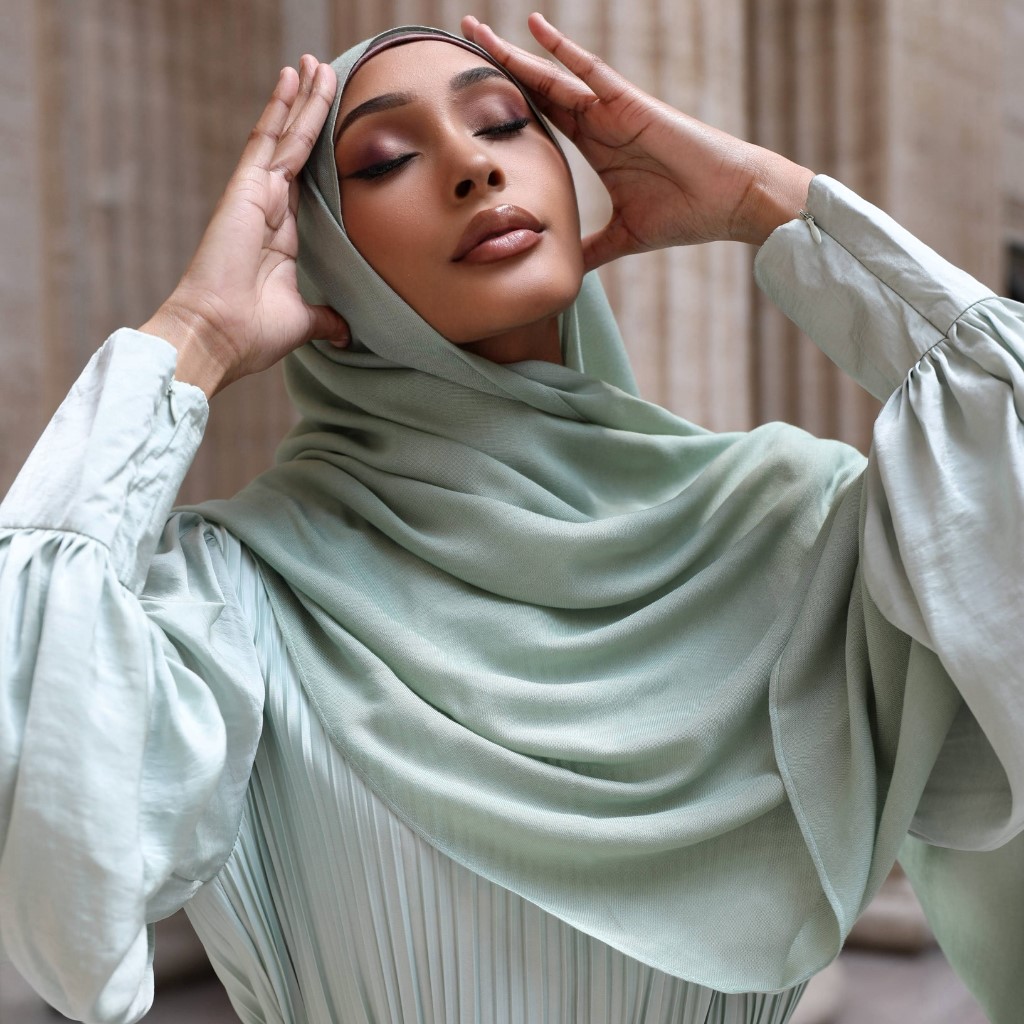
The Hijab is a headscarf that covers the hair and neck but leaves the face exposed. It symbolizes modesty and is worn by many Muslim women around the world.
– Variety: Hijabs come in numerous styles, colors, and fabrics. Some popular types include the Shayla, which is a long rectangular scarf, and the Khimar, which covers the shoulders.
Jilbab
The Jilbab is a long outer garment that covers the body from head to toe. It can be worn over other clothing and is often associated with more conservative interpretations of Islamic dress.
– Practicality: Jilbabs are suitable for everyday wear due to their comfort and coverage.
Kaftan
Originating from Middle Eastern royalty, the Kaftan is a long flowing garment that can be worn casually or dressed up for formal occasions.
– Comfort: Kaftans are typically made from lightweight fabrics, making them ideal for warmer climates.
Niqab
The Niqab is a face veil that covers the lower half of the face, leaving only the eyes visible. It represents one of the highest levels of modesty in Islamic dress.
– Cultural Variations: The use of niqab varies significantly across different cultures and communities.
Styling Tips for Modest Fashion
1. Layering: Layering can add depth to an outfit while maintaining modesty. For example, wearing a long tunic over wide-leg pants creates a stylish yet modest look.
2. Accessorizing: Accessories such as belts, statement necklaces, or elegant scarves can enhance an outfit’s appeal without compromising modesty.
3. Color Coordination: Experimenting with colors can make outfits more vibrant. Pairing neutral tones with bold accessories can create a balanced look.
4. Mixing Textures: Combining different fabrics like cotton with silk or denim with chiffon can add interest to an outfit.
5. Footwear Choices: Shoes play an essential role in completing an outfit. Opt for stylish yet comfortable options like loafers or block heels.
The Evolution of Modest Fashion
The landscape of modest fashion has changed dramatically over recent years:
– Fashion Weeks: Events like Modest Fashion Week showcase designers specializing in modest wear, attracting attention from mainstream media.
– Celebrity Influence: Many celebrities are embracing modest fashion, further popularizing it within broader fashion circles.
– Retail Growth: Major retailers are beginning to recognize the demand for modest clothing lines, offering collections that cater to this market segment.
Cultural Variations in Muslim Clothing
Muslim women’s clothing varies significantly across different cultures due to geographical influences, traditions, and interpretations of Islamic teachings:
– Middle Eastern Styles: In countries like Saudi Arabia and UAE, traditional garments such as abayas are common. These garments often feature elaborate designs and embellishments reflecting local aesthetics.
– South Asian Attire: In countries like Pakistan and India, garments such as Salwar Kameez are popular. This outfit consists of a tunic top paired with loose trousers (salwar) and often includes a dupatta (scarf).
– North African Fashion: In regions like Morocco and Algeria, women may wear garments such as the Kaftan or Djellaba. These outfits are known for their vibrant colors and intricate patterns.
– Western Influence: In Western countries, many Muslim women incorporate elements from mainstream fashion into their wardrobes while maintaining modesty. This fusion results in unique styles that reflect both cultural heritage and contemporary trends.

The Role of Social Media in Modest Fashion
Social media platforms have played a pivotal role in shaping modern modest fashion:
– Influencer Culture: Influencers who promote modest fashion have gained significant followings on platforms like Instagram and TikTok. They showcase how to style various pieces while adhering to principles of modesty.
– Online Communities: Various online communities have emerged where Muslim women share styling tips, outfit inspirations, and advice on navigating fashion choices within their cultural context.
– Brand Collaborations: Many brands have begun collaborating with influencers to create capsule collections that cater specifically to the needs of Muslim women seeking fashionable yet modest options.
Challenges Faced by Muslim Women in Fashion
Despite the growth in modest fashion, challenges remain:
– Limited Options: In some regions, access to stylish modest clothing can be limited due to cultural norms or lack of availability in stores.
– Stereotypes and Misunderstandings: Muslim women often face stereotypes regarding their clothing choices. Misunderstandings about what it means to dress modestly can lead to misconceptions about their identities.
– Balancing Tradition with Modernity: Many women struggle to balance traditional values with modern fashion trends. Finding pieces that resonate with both aspects can be challenging but rewarding when achieved successfully.
Future Trends in Modest Fashion
As society continues to evolve, several trends are likely to shape the future of modest fashion:
1. Sustainable Fashion: There is an increasing demand for sustainable and ethically produced clothing among consumers worldwide. This trend is expected to influence how brands approach creating collections for modest wear.
2. Inclusivity in Sizing: As awareness grows about body positivity and inclusivity, more brands will likely offer extended sizing options within their collections for Muslim women’s clothing.
3. Technological Integration: Advancements in technology may lead to innovative fabrics that offer comfort while maintaining style—think breathable materials suitable for various climates without sacrificing aesthetics.
4. Global Collaborations: As cultures continue to intermingle through globalization, collaborations between designers from different backgrounds will likely produce unique hybrid styles that appeal to broader audiences while respecting cultural roots.
5. Rise of E-commerce Platforms: Online shopping has become increasingly popular due to convenience; thus e-commerce platforms specializing in modest fashion will continue growing as they cater specifically to this niche market’s needs.
Conclusion
Muslim women’s clothing represents much more than just fabric; it embodies cultural identity, personal expression, and adherence to faith principles. As society evolves, so does the interpretation of modesty in fashion, allowing Muslim women to embrace their unique styles while remaining true to their values. Whether it’s through traditional garments like abayas or contemporary pieces like kaftans and hijabs, there is a vast array of options available for every occasion.
How to purchase:https://looperbuy.com/search?keywords=Muslim+Women%27s+Fashion
Frequently Asked Questions
1. What types of clothing are considered modest?
– Modest clothing typically includes items that cover most parts of the body such as long dresses, tunics, wide-leg pants, and layered outfits.
2. What is an abaya?
– An abaya is a loose-fitting robe worn by Muslim women that covers the entire body except for the hands and feet. It is often worn over regular clothes.
3. How do you style a hijab?
– Hijabs can be styled in various ways depending on personal preference; they can be wrapped around the head or draped over the shoulders using different tying techniques.
4. Are there modern designs available for traditional garments?
– Yes! Many designers create modern versions of traditional garments like abayas and jilbabs featuring contemporary cuts and embellishments.
5. Can non-Muslim women wear hijabs?
– Yes! Many non-Muslim women wear hijabs as a fashion statement or as part of cultural appreciation without any religious connotation.