The global shipping industry is a vital component of international trade, facilitating the movement of goods across vast distances. However, it faces numerous challenges that can disrupt supply chains and impact economies worldwide. This article explores the various problems plaguing global shipping, their causes, and potential solutions to navigate these turbulent waters.
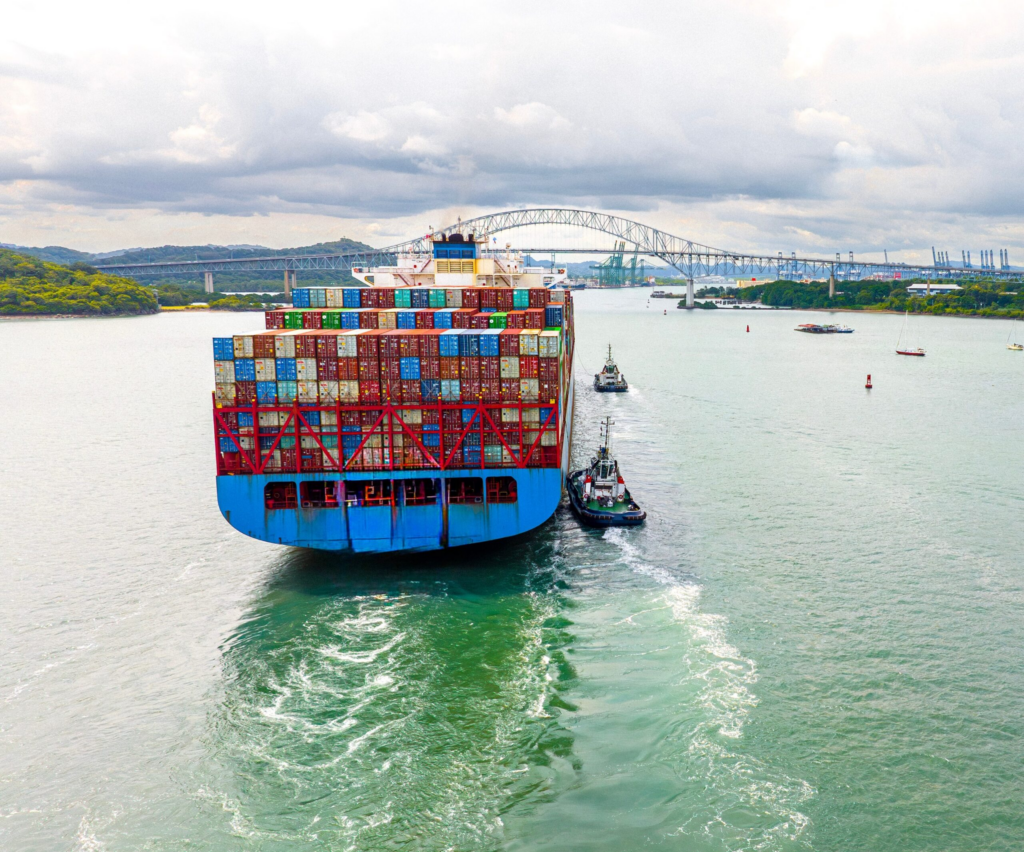
Table of Contents
The Current State of Global Shipping
The global shipping industry has been under immense pressure in recent years, exacerbated by the COVID-19 pandemic, geopolitical tensions, and environmental regulations. These factors have led to significant disruptions in supply chains, affecting everything from delivery times to costs.
Impact of the COVID-19 Pandemic
The pandemic revealed vulnerabilities in the global shipping network. Lockdowns and restrictions led to port closures and reduced workforce availability, causing delays and congestion. As factories shut down, the demand for shipping plummeted, only to surge dramatically as economies reopened. This sudden shift created a backlog of shipments, overwhelming ports and logistics networks.
The pandemic also highlighted the interconnectedness of global supply chains. A disruption in one region can have cascading effects worldwide. For instance, when factories in Asia closed, it not only affected the supply of goods to the U.S. and Europe but also disrupted the availability of raw materials for manufacturers in other countries. This interconnectedness means that companies must adopt a more holistic approach to supply chain management, considering potential disruptions across the entire network.
Geopolitical Tensions
Geopolitical issues, such as trade wars and military conflicts, have also contributed to shipping disruptions. For instance, tensions in the South China Sea and the ongoing conflict in Ukraine have altered trade routes and increased shipping costs. The Red Sea, a crucial shipping lane, has seen increased risks due to military activities, forcing ships to take longer routes, which adds to transit times and costs.
Moreover, protectionist policies and tariffs can create inefficiencies in global trade. Countries may impose tariffs on imports to protect domestic industries, leading to increased costs for consumers and businesses. These trade barriers can disrupt established supply chains, forcing companies to seek alternative suppliers or routes, which may not be as efficient or cost-effective.
Environmental Regulations
As the world becomes more aware of climate change, the shipping industry faces increasing pressure to reduce its carbon footprint. Stricter environmental regulations, such as the International Maritime Organization’s (IMO) targets for reducing greenhouse gas emissions, require shipping companies to invest in cleaner technologies. While these regulations are essential for sustainability, they can also lead to increased operational costs and logistical challenges.
The transition to greener shipping practices is not just a regulatory requirement; it is also a market demand. Consumers are increasingly favoring companies that demonstrate environmental responsibility. As a result, shipping companies must balance compliance with regulations and the need to remain competitive in a market that values sustainability.
Key Challenges in Global Shipping
The challenges facing the global shipping industry are multifaceted and interconnected. Understanding these issues is crucial for stakeholders looking to mitigate risks and improve efficiency.
Supply Chain Disruptions
Supply chain disruptions are perhaps the most visible challenge in global shipping. These disruptions can arise from various factors, including:
- Port Congestion: High volumes of cargo and limited port capacity can lead to significant delays. Ships may wait for weeks to unload, causing a ripple effect throughout the supply chain. The congestion at major ports, such as Los Angeles and Long Beach, has been particularly problematic, with ships anchored offshore waiting to dock.
- Labor Shortages: The shipping industry has faced labor shortages, particularly in ports and logistics. Strikes and workforce shortages can halt operations and delay shipments. The pandemic exacerbated these issues, as many workers left the industry or were unable to return due to health concerns.
- Natural Disasters: Events such as hurricanes, floods, and wildfires can disrupt shipping routes and damage infrastructure, leading to delays and increased costs. For example, hurricanes in the Gulf of Mexico can halt shipping operations for days, while wildfires in California can disrupt transportation routes.
- Cybersecurity Threats: The increasing reliance on digital systems makes the shipping industry vulnerable to cyberattacks. A successful attack can disrupt operations and compromise sensitive data. The 2021 ransomware attack on the Colonial Pipeline in the U.S. serves as a stark reminder of the potential risks associated with digital vulnerabilities.
Rising Costs
The cost of shipping has risen dramatically in recent years, driven by several factors:
- Fuel Prices: Fluctuating fuel prices directly impact shipping costs. As fuel prices rise, shipping companies often pass these costs onto consumers. The volatility of oil prices can create uncertainty in budgeting and financial planning for shipping companies.
- Insurance Costs: Increased risks associated with geopolitical tensions and piracy have led to higher insurance premiums for shipping companies. Insurers are becoming more cautious, leading to increased costs for shipping operations.
- Regulatory Compliance: Compliance with environmental regulations often requires significant investment in new technologies and practices, further driving up costs. Companies must invest in cleaner fuels, retrofitting older vessels, and implementing new operational practices to meet regulatory standards.
- Infrastructure Investments: To address congestion and inefficiencies, shipping companies and port authorities must invest in infrastructure improvements. These investments can be substantial, requiring careful planning and financing.
Technological Challenges
While technology has the potential to improve efficiency in shipping, it also presents challenges:
- Integration of New Technologies: Implementing new technologies, such as blockchain and artificial intelligence, requires significant investment and training. Companies may struggle to adapt to these changes, leading to inefficiencies. The transition to automated systems can also face resistance from workers concerned about job security.
- Cybersecurity Threats: As mentioned earlier, the shipping industry is increasingly vulnerable to cyberattacks. The reliance on interconnected systems means that a breach in one area can have far-reaching consequences. Companies must prioritize cybersecurity measures to protect their operations and data.
- Data Management: The vast amount of data generated in shipping operations can be overwhelming. Companies must develop effective data management strategies to harness this information for decision-making and operational improvements.
Solutions to Global Shipping Problems
Addressing the challenges in global shipping requires a multifaceted approach. Stakeholders must collaborate to develop innovative solutions that enhance resilience and efficiency.
Enhancing Port Infrastructure
Investing in port infrastructure is crucial for reducing congestion and improving efficiency. Upgrading facilities, expanding capacity, and implementing advanced technologies can streamline operations and reduce turnaround times for ships. For example, automated container handling systems can significantly speed up the unloading and loading process, reducing wait times for vessels.
Diversifying Supply Chains
Companies should consider diversifying their supply chains to mitigate risks associated with geopolitical tensions and natural disasters. By sourcing materials from multiple regions and utilizing various transportation methods, businesses can reduce their dependence on any single route or supplier. This diversification can enhance resilience and flexibility in the face of disruptions.
Embracing Technology
Adopting new technologies can significantly enhance efficiency in shipping. For example, implementing blockchain can improve transparency and traceability in supply chains, while artificial intelligence can optimize routing and inventory management. Additionally, investing in cybersecurity measures is essential to protect against potential threats.
- Blockchain Technology: Blockchain can provide a secure and transparent way to track shipments, reducing the risk of fraud and errors. By creating a decentralized ledger, all parties involved in the shipping process can access real-time information, improving coordination and reducing delays.
- Artificial Intelligence: AI can analyze vast amounts of data to optimize shipping routes, predict demand, and manage inventory levels. By leveraging machine learning algorithms, companies can make data-driven decisions that enhance operational efficiency.
Collaborating Across the Industry
Collaboration among stakeholders in the shipping industry is vital for addressing common challenges. Shipping companies, port authorities, and governments must work together to develop strategies that enhance resilience and efficiency. Sharing data and best practices can lead to improved decision-making and more effective responses to disruptions.
- Public-Private Partnerships: Governments can collaborate with private companies to invest in infrastructure improvements and develop policies that support the shipping industry. These partnerships can lead to more efficient operations and better preparedness for disruptions.
- Industry Associations: Joining industry associations can provide companies with access to valuable resources, networking opportunities, and best practices. These organizations can also advocate for policies that benefit the shipping industry as a whole.
Fostering Sustainability
As environmental concerns continue to grow, the shipping industry must prioritize sustainability. Companies can adopt practices that reduce their carbon footprint and promote environmental responsibility. This includes investing in cleaner technologies, optimizing routes to reduce fuel consumption, and exploring alternative fuels such as hydrogen or biofuels.
- Green Shipping Initiatives: Many shipping companies are already implementing green initiatives, such as retrofitting vessels with energy-efficient technologies and participating in carbon offset programs. These efforts not only help the environment but can also enhance a company’s reputation and appeal to environmentally conscious consumers.
- Regulatory Compliance: Staying ahead of regulatory changes is essential for shipping companies. By proactively investing in sustainable practices, companies can ensure compliance with current and future regulations, reducing the risk of penalties and disruptions.
Conclusion
The global shipping industry faces numerous challenges that can disrupt supply chains and impact economies worldwide. By understanding these issues and implementing innovative solutions, stakeholders can navigate the stormy waters of global shipping. Enhancing infrastructure, diversifying supply chains, embracing technology, fostering collaboration, and prioritizing sustainability are essential steps toward building a more resilient and efficient shipping industry.
The future of global shipping will depend on the industry’s ability to adapt to changing circumstances and embrace new opportunities. As the world continues to evolve, so too must the shipping industry, ensuring that it remains a cornerstone of international trade and economic growth.
As the global shipping industry continues to evolve and adapt to new challenges, ensuring timely and efficient delivery of goods is more important than ever. Discover how you can enhance your shopping experience with reliable shipping solutions at LooperBuy.
Article Summary: This article explores the various challenges facing the global shipping industry, including the impacts of the COVID-19 pandemic, geopolitical tensions, and environmental regulations. It discusses key issues such as supply chain disruptions, rising costs, and technological challenges, while also proposing solutions like enhancing port infrastructure, diversifying supply chains, and embracing new technologies. The article emphasizes the importance of collaboration and sustainability in navigating the future of global shipping.
Hot Tags: Global Shipping; Supply Chain Disruptions; Geopolitical Tensions; Environmental Regulations; Port Congestion; Labor Shortages; Rising Shipping Costs; Cybersecurity in Shipping; Technological Innovations; Blockchain in Shipping; AI in Logistics; Shipping Infrastructure; Maritime Trade; International Trade; Shipping Industry Challenges; Freight Costs; Shipping Solutions; Logistics Management; Supply Chain Management; Shipping Efficiency; Container Shipping; Shipping Routes; Trade Patterns; Shipping Delays; Global Trade; Shipping Regulations; Maritime Security; Shipping Technology; Supply Chain Resilience; Shipping Investments; Shipping Trends.
Related Questions & Answers
· What are the main challenges facing the global shipping industry today?
The main challenges include supply chain disruptions, rising costs, labor shortages, and geopolitical tensions that affect trade routes.
· How has the COVID-19 pandemic impacted global shipping?
The pandemic caused significant delays and congestion due to port closures and reduced workforce availability, leading to a backlog of shipments.
· What role do environmental regulations play in shipping costs?
Stricter environmental regulations require shipping companies to invest in cleaner technologies, which can increase operational costs.
· How can technology improve efficiency in shipping?
Technologies like blockchain and artificial intelligence can enhance transparency, optimize routing, and improve inventory management in shipping.
· Why is collaboration important in the shipping industry?
Collaboration among stakeholders can lead to better strategies for addressing common challenges, improving resilience, and enhancing overall efficiency.