Table of Contents
The Allure of Silk Dresses in American Fashion
Silk dresses have long occupied a special place in American fashion, celebrated for their luxurious feel, elegant drape, and versatility across occasions. From the glamorous ballrooms of the Gilded Age to the red carpets of modern Hollywood, silk has been synonymous with sophistication and timeless style. Today, the demand for silk dresses remains robust, driven by consumers seeking quality, comfort, and fashion-forward designs for weddings, formal events, office wear, and everyday chic.
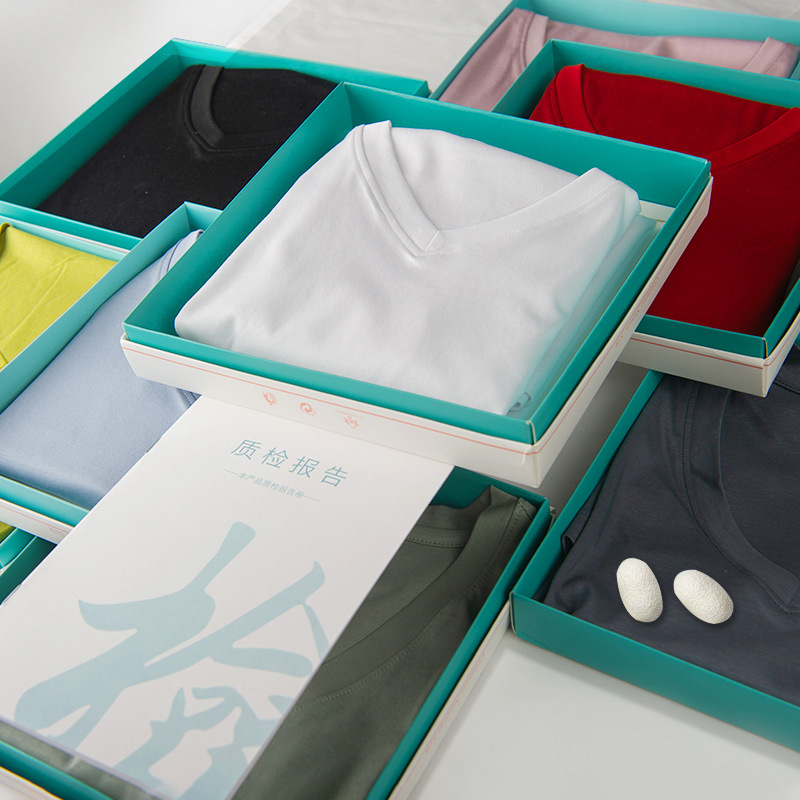
The United States boasts a mature and diverse fashion industry, with New York and Los Angeles standing as global fashion hubs. This domestic infrastructure supports a vibrant market for silk dress suppliers, ranging from heritage textile manufacturers with decades of craftsmanship to innovative startups leveraging cutting-edge fabric technology. American consumers’ preference for ethically produced goods and transparency in supply chains further shapes the silk dress supplier landscape, favoring businesses that prioritize sustainable sourcing and fair labor practices.
Silk dresses appeal across a broad demographic spectrum. Younger consumers are drawn to trendy, affordable silk options for date nights and special occasions, while mature shoppers seek high-end silk dresses for business functions and luxury events. The versatility of silk allows it to be dressed up or down – a silk slip dress can transition from a casual brunch outing with sneakers to an evening event with heels and jewelry. This adaptability ensures silk dresses remain a staple in many wardrobes, sustaining consistent market demand.
Key Players in the U.S. Silk Dress Supplier Ecosystem
Heritage Manufacturers: Quality and Tradition
Several established American manufacturers have been producing silk garments for generations, representing the pinnacle of domestic textile craftsmanship. Companies like Vera Wang’s ready-to-wear line and Carolina Herrera utilize high-quality silk sourced from both domestic and international suppliers to create dresses that embody American luxury fashion. These heritage brands often combine traditional weaving and dyeing techniques with modern design aesthetics, producing silk dresses that retail at premium price points.
Their production facilities, often located in the Northeastern U.S., adhere to strict quality control standards. Multiple inspections occur throughout the manufacturing process – from incoming silk fabric inspection to final garment finishing. These manufacturers typically work with certified silk producers, ensuring the silk meets specific standards for fiber length, purity, and environmental impact. Their relationships with long-standing suppliers enable them to secure consistent silk quality and innovative fabric treatments, such as wrinkle-resistant finishes or enhanced colorfastness.
For boutique fashion retailers and high-end department stores, partnering with these heritage manufacturers offers access to exclusive designs and superior product quality. The brand recognition of these manufacturers also attracts customers seeking authentic American-made luxury, willing to invest in dresses that promise longevity and timeless style.
Mid-Tier Suppliers: Balancing Quality and Cost
The mid-tier segment of the U.S. silk dress supplier market caters to a broad range of fashion businesses, from online retailers to mid-sized brick-and-mortar stores. Suppliers in this category, such as organizations based in the fashion districts of Los Angeles and New York, offer a diverse product portfolio balancing quality materials with competitive pricing.
These suppliers often source silk from a combination of American and international producers. For basic silk fabrics like chiffon or crepe de chine, they may import from countries with established silk industries such as China or India, leveraging economies of scale to reduce costs. For specialty silk blends or higher-quality finishes, they collaborate with domestic silk mills capable of producing smaller batches with precise specifications. This hybrid sourcing approach enables them to provide various price points within their product lines.
Design and production timelines in this segment are more flexible compared to heritage manufacturers. Mid-tier suppliers can often accommodate custom design requests, adjusting necklines, hem lengths, or sleeve styles based on retailer input. Minimum order quantities (MOQs) typically range from 50 to 200 units per style, making them accessible to growing fashion businesses that cannot commit to the larger MOQs of premium manufacturers. Their ability to produce in shorter cycles (8-12 weeks from design approval to delivery) aligns well with the rapid fashion cycles prevalent in the mid-market segment.
Specialty Niche Suppliers: Unique Designs and Innovations
Emerging alongside the traditional supplier landscape are niche silk dress suppliers focusing on specific market segments or innovative approaches. Eco-conscious suppliers like those certified by the Global Organic Textile Standard (GOTS) source silk through sustainable farming practices, ensuring silk worms are ethically raised and chemical usage in dyeing is minimized. Their dresses appeal to the growing demographic of environmentally aware consumers willing to pay premiums for sustainable fashion.
Plus-size focused silk dress suppliers address a historically underserved market. Companies specializing in this niche design dresses with body – flattering cuts and extended sizing up to 4XL or beyond. They utilize silk fabrics that offer stretch and comfort without sacrificing the luxurious hand-feel expected from silk garments. These suppliers often collaborate with plus – size fashion influencers to test designs and gather customer feedback, ensuring their products meet the specific needs and preferences of this consumer group.
Another niche category includes suppliers specializing in culturally specific silk dresses. For example, suppliers producing silk dresses inspired by Asian heritage designs cater to both cultural communities and mainstream consumers seeking exotic yet elegant fashion statements. These dresses may feature traditional embroidery techniques, symbolic patterns, or hybrid designs blending Western dress structures with Eastern decorative elements. They often sell through multi – cultural fashion platforms and specialty boutiques.
Strategies for Selecting the Right Silk Dress Supplier
Assessing Quality and Fabric Authenticity
When evaluating U.S. silk dress suppliers, fabric quality stands as the foremost consideration. Request fabric swatches from potential suppliers and conduct thorough assessments. Authentic silk exhibits a natural sheen that’s not overly glossy, a smooth texture with slight grip (unlike the slippery feel of silk imitations), and a characteristic diagonal ribbing pattern (called the ‘fill’) when closely examined.
Perform burn tests on fabric samples (in compliance with safety regulations) – silk burns slowly, forms a crusty bead-like ash, and emits a distinct burning hair odor, differentiating it from synthetic alternatives like polyester which melt and emit a chemical smell. High-quality silk dresses should also demonstrate proper construction techniques: reinforced seams on stress points, consistent stitching, and appropriate lining materials that prevent the silk from clinging to the body uncomfortably.
Visit supplier showrooms or factory outlets whenever possible to view finished garments. Examine how the silk drapes on mannequins or models – it should flow gracefully without appearing stiff or limp. Quality suppliers provide detailed care labels specifying appropriate washing methods (usually hand wash or dry clean only) and temperature settings, reflecting their confidence in the fabric’s durability when properly maintained.
Evaluating Pricing Structures and MOQ Flexibility
Silk dress pricing varies widely across suppliers. Heritage manufacturers typically command price points ranging from $300 to over $2,000 per dress, reflecting premium materials, exclusive designs, and superior craftsmanship. Mid-tier suppliers offer dresses in the $100 to $500 range, striking a balance between quality and accessibility. Niche eco – conscious suppliers may price slightly higher than conventional mid – tier options due to sustainable production costs, generally between $150 and $600.
When analyzing pricing, consider the total cost of partnership beyond per-unit costs. Some suppliers offer inclusive services like private – label packaging, customized hangtags, and direct-to-store delivery at additional fees, while others include these in their base pricing. Evaluate payment terms – established suppliers may offer net 30 or net 60 payment options beneficial for cash flow management, whereas newer suppliers might require partial prepayment or COD (cash on delivery) arrangements.
Minimum order quantities represent another critical factor. For small – to medium – sized fashion businesses, suppliers with MOQs of 50 units or lower provide flexibility to test market demand without excessive financial risk. However, lower MOQs sometimes correlate with slightly higher per-unit costs. Balance your budget constraints against market testing needs when selecting a supplier. Negotiate tiered pricing structures where committing to larger orders within a specified timeframe reduces the per-unit cost, creating a pathway to better margins as your business scales.
Examining Supplier Sustainability and Ethical Practices
In today’s value-driven market, understanding a supplier’s approach to sustainability and ethics resonates with both environmentally conscious retailers and end – consumers. Inquire about the supplier’s silk sourcing origins – domestically produced silk typically involves more regulated farming practices compared to some international sources. Suppliers importing silk should ideally provide documentation regarding compliance with international welfare standards for silk worms, such as the World Silk Organization’s guidelines.
Certifications serve as tangible evidence of sustainable practices. Look for suppliers holding certifications like GOTS (for organic silk), OEKO-TEX Standard 100 (ensuring fabrics are free from harmful substances), or Fair Trade Certified (guaranteeing fair labor practices throughout the supply chain). Visit the supplier’s production facilities or request detailed information about their manufacturing processes to assess energy usage, water recycling systems, and chemical management in dyeing and finishing.
Ethical labor practices extend beyond environmental concerns. Ensure suppliers adhere to U.S. labor laws, including proper worker compensation, safe working conditions, and prohibitions against child or forced labor. Suppliers with transparent supply chains often publish annual sustainability reports or participate in third-party auditing programs like the Sustainability Consortium, providing verifiable data about their practices rather than relying solely on marketing claims.
Conclusion
The American silk dress supplier market offers fashion enterprises a rich variety of choices, which can meet the needs of different consumers and business models. From traditional manufacturers offering unparalleled quality to niche suppliers innovating for specific groups or values, the key to successful collaboration lies in conducting a comprehensive assessment of suppliers based on brand positioning and customer expectations. By prioritizing the authenticity of fabrics, negotiating favorable pricing and minimum order quantity (MOQ) terms, and committing to sustainable and ethical sourcing, fashion retailers can establish long-term supplier relationships, enhance market competitiveness, and resonate with today’s discerning consumers.
How to purchase:https://looperbuy.com/search?keywords=United+States+silk+dress+supplier&globalType=1688
Related Questions & Answers
· How can I verify the authenticity of silk fabric from U.S. suppliers?
Verifying silk authenticity involves several methods. Request physical fabric samples and perform a tactile examination – genuine silk has a natural texture that’s smooth yet slightly grippy. Conduct a burn test in a safe environment; authentic silk burns slowly, forms a脆硬的灰烬 bead, and emits a odor similar to burning hair. Use a magnifying glass to observe the fabric’s weave – silk typically shows a slight diagonal ribbing pattern. Utilize third-party testing services like those offered by the International Association for Textile and Apparel Technology (IAMAT) which can scientifically analyze fiber content and confirm silk purity. Reputable suppliers should provide documentation tracing the silk’s origin and production process, offering transparency about farming and processing methods.
· What are the current trends in U.S. silk dress designs for 2024?
The 2024 silk dress trends in the U.S. feature several notable directions. Sustainable and eco-conscious designs dominate, with dresses made from organic silk and incorporating recycled materials in trims or linings. The ‘less is more’ aesthetic prevails – clean lines, minimalistic necklines, and understated color palettes (soft pastels and neutral tones) reflect a preference for versatility. However, bold statement dresses with graphic prints inspired by 1970s abstract art and vibrant tropical patterns are also popular for summer events. Functional fashion elements like convertible dresses (transforming from maxi to mini with adjustable straps) and dresses with built-in underskirts for added versatility gain traction. The resurgence of craft techniques such as handkerchief hemlines and delicate embroidery adds a touch of artisanal quality, distinguishing designs in a market saturated with fast fashion options.
· How do U.S. silk dress suppliers accommodate custom design requests?
Mid-tier and many niche U.S. silk dress suppliers offer custom design accommodations. The process typically begins with a design consultation where retailers submit concept sketches, fabric swatches, or competitor samples illustrating their vision. Suppliers may charge a design fee (ranging from $100 to $500) for creating technical patterns and samples. Once the initial sample is produced, revisions are made based on feedback – common adjustments include modifying sleeve lengths, altering necklines, or tweaking fit proportions. Some suppliers provide 3D digital prototyping to visualize designs before physical sample production, reducing iteration costs. Customization capabilities vary – while heritage manufacturers may require larger minimum orders for custom lines, mid-tier suppliers often accept smaller custom batches (as low as 30 units) to accommodate growing fashion labels seeking differentiated products.
· What are the advantages of sourcing silk dresses from domestic U.S. suppliers versus international ones?
Domestic procurement has many advantages. A shorter delivery period is a significant benefit – American suppliers typically deliver orders within 6 to 10 weeks, while many Asian suppliers need 12 to 20 weeks. This enables businesses to respond more promptly to fashion trends. The reduction of language and cultural barriers helps to communicate more clearly about design specifications and quality expectations. Domestic suppliers are required to comply with the labor and environmental regulations of the United States, which provides greater guarantees for ethical production practices. Inventory management has become more efficient as domestic suppliers can handle small-batch replenishment with a faster turnaround time, thereby minimizing the risk of inventory overstock. In addition, on-site inspections of production facilities are more feasible, which makes it possible to conduct direct quality assessments and establish relationships, thereby enhancing the dynamics of cooperative relationships and the reliability of the supply chain.
· Can I find plus-size silk dress suppliers in the United States who offer extend sizes up to 5X?
Yes, several U.S. suppliers specialize in plus-size silk dresses with extended sizing. Companies like Ashley Stewart and Catherines collaborate with domestic manufacturers to produce silk dresses up to 5X. These suppliers focus on using silk blends that provide stretch and comfort, essential for accommodating larger body frames without compromising the luxurious feel. They incorporate design elements such as strategically placed draping to flatter different body types and reinforce stress points in the construction to ensure durability. Plus-size fashion marketplaces like Torrid also source from U.S. – based silk producers for their premium lines, offering shoppers the assurance of domestic quality control standards. Research these specialized suppliers through platforms like the Plus Size Fashion Association directory or by attending the MAGIC Las Vegas trade show’s plus – size pavilion to discover options meeting your specific sizing and style requirements.
Hot Tags: American Silk Dress Manufacturers; Sustainable Silk Fashion; Heritage Fashion Suppliers; Silk Dress Wholesale USA; Ethical Textile Sourcing; Mid – Tier Fashion Suppliers; Specialty Silk Fabrics; Plus – Size Silk Apparel; Cultural Fusion Fashion