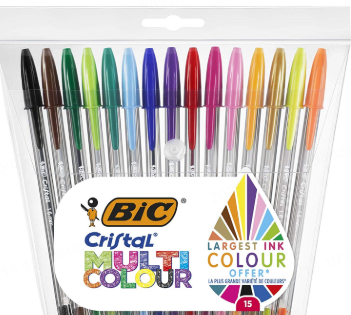
ens, pencils, markers, and highlighters.
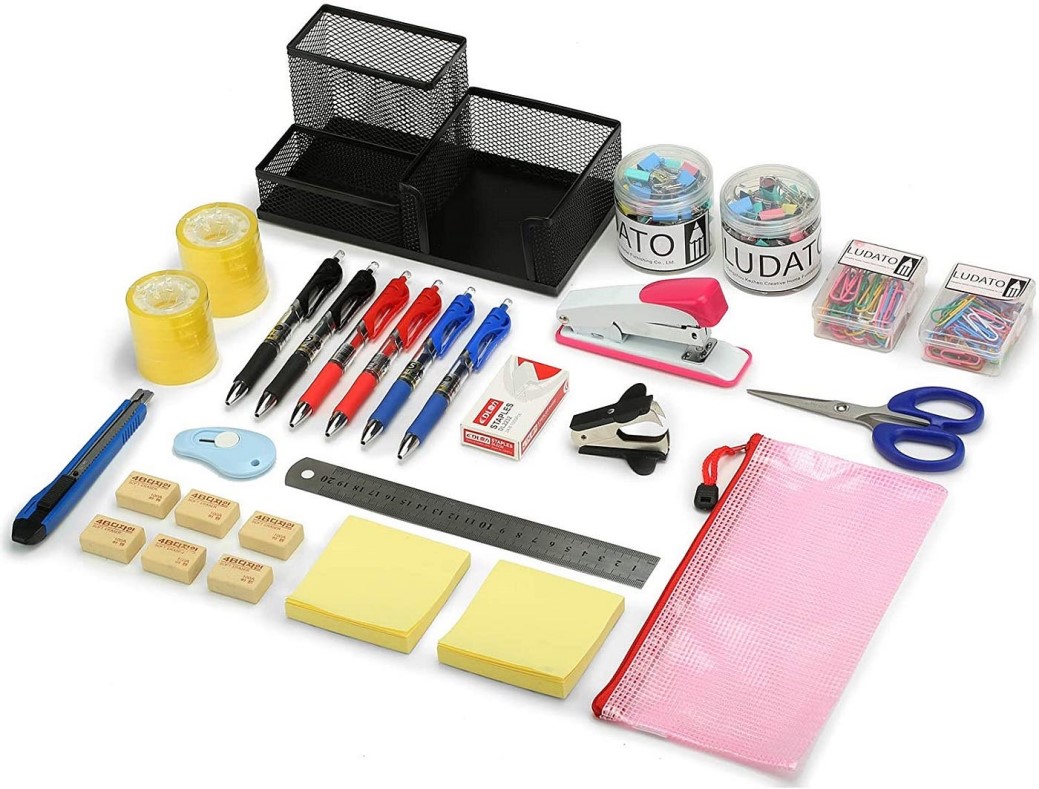
– Paper Products: Notebooks, sticky notes, printer paper, and envelopes.
– Organizational Tools: Binders, folders, paper clips, and staplers.
– Desk Accessories: Desk organizers, tape dispensers, and trash bins.
– Specialty Items: Presentation materials, business cards, and letterhead.
Each item serves a specific purpose and contributes to the overall efficiency of the office.
Table of Contents
The Importance of Office Stationery
1. Enhances Productivity: Having the right tools readily available allows employees to focus on their tasks without unnecessary interruptions.
2. Professional Image: Quality stationery reflects a company’s professionalism. Custom letterheads and business cards can leave a lasting impression on clients.
3. Organization: Properly organized stationery helps in maintaining an orderly workspace, which can reduce stress and improve efficiency.
4. Cost Management: Effective stationery management can reduce waste and lower costs through bulk purchasing and inventory control.
5. Encourages Collaboration: Shared stationery items like whiteboards or sticky notes can foster teamwork and communication among employees.
6. Supports Creativity: A well-stocked stationery supply can inspire creativity among employees. Items like colored pens, sketch pads, or creative note-taking tools can encourage innovative thinking.
7. Facilitates Communication: Stationery items such as notepads for jotting down ideas during meetings or business cards for networking are essential for effective communication within and outside the organization.
Types of Essential Office Stationery
Writing Instruments
Writing instruments are fundamental to any office setting. They include:
– Pens: Available in various types such as ballpoint, gel, fountain, and marker pens. Each type serves different purposes; for instance, gel pens are often favored for their smooth writing experience while fountain pens add a touch of elegance.
– Pencils: Useful for drafting ideas or making temporary notes. Mechanical pencils offer precision while traditional wooden pencils provide a classic feel.
– Highlighters: Ideal for emphasizing important information in documents. They come in various colors allowing users to categorize information visually.
Paper Products
Paper products are indispensable in any office. Key items include:
– Notebooks: For taking notes during meetings or brainstorming sessions. Options range from spiral-bound notebooks to leather-bound journals catering to different preferences.
– Sticky Notes: Great for reminders or quick notes that need to be easily accessible. They come in various sizes and colors which can help organize thoughts visually.
– Printer Paper: Essential for printing documents, reports, and presentations. Choosing the right weight and finish can affect the quality of printed materials significantly.
– Envelopes: For sending out correspondence or documents securely. Different sizes (e.g., standard letter size vs. larger document envelopes) cater to various needs.
Organizational Tools
To maintain an organized workspace, consider the following tools:
– Binders and Folders: Useful for keeping documents sorted and easily retrievable. Binders come in various sizes with options for customizable covers.
– Paper Clips and Staplers: Essential for binding papers together securely. Swingline staplers are known for their durability while decorative paper clips can add a touch of style to document organization.
– Desk Organizers: Help keep writing instruments and other small items within reach. They come in various designs—some with compartments for specific items like scissors or sticky notes.
Desk Accessories
Desk accessories add functionality and style to the workspace:
– Tape Dispensers: Useful for quick fixes or packaging needs. Some dispensers come with built-in cutters for convenience.
– Trash Bins: Important for maintaining cleanliness in the office environment. Recycling bins alongside regular trash bins promote eco-friendly practices at work.
– Wrist Rests and Mouse Pads: Enhance comfort during long hours at the desk by providing ergonomic support which can help reduce strain on wrists during typing or mouse use.
Specialty Items
Specialty items can elevate your office’s professionalism:
– Business Cards: Crucial for networking opportunities; they should reflect your brand’s identity through design elements like logos and color schemes.
– Presentation Materials: Including flip charts or projectors for meetings; these tools facilitate clear communication during presentations or brainstorming sessions.
– Custom Letterhead: Adds a formal touch to official correspondence; it should include your company’s logo and contact information prominently displayed.
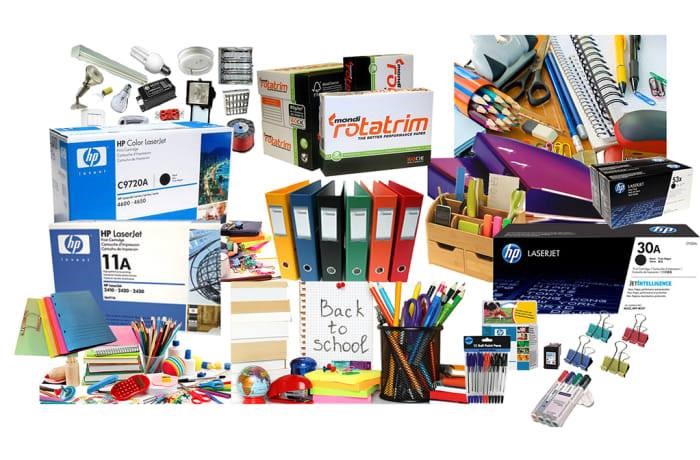
Effective Management of Office Stationery
Managing office stationery effectively is essential for minimizing waste and ensuring that supplies are always available when needed. Here are some strategies:
1. Centralized Inventory System: Keep track of all stationery items in one location to monitor usage levels accurately. This system allows easy access to supplies while preventing overstocking or shortages.
2. Regular Audits: Conduct periodic checks to assess stock levels and identify items that need reordering. This practice helps maintain an optimal supply level without excess waste.
3. Bulk Purchasing: Buy frequently used items in bulk to take advantage of discounts and reduce costs over time. Establish relationships with suppliers who offer loyalty discounts or promotional deals.
4. Usage Policies: Establish guidelines on how stationery should be used to prevent wastage (e.g., encouraging double-sided printing). Educating employees on efficient usage can lead to significant savings over time.
5. Feedback Mechanism: Solicit employee feedback on the quality of supplies to make informed purchasing decisions in the future; this approach ensures that the needs of all staff members are met effectively.
6. Digital Alternatives: Consider integrating digital tools where possible to reduce reliance on physical stationery—this might include using digital note-taking apps instead of paper notebooks or cloud storage solutions instead of printed documents.
Benefits of Quality Office Stationery
Investing in quality office stationery has numerous benefits:
– Durability: High-quality products tend to last longer, reducing the need for frequent replacements; this not only saves money but also minimizes environmental impact by reducing waste generation.
– Performance: Quality writing instruments provide a better writing experience with smoother ink flow or more consistent graphite delivery; this can enhance overall productivity as employees spend less time dealing with faulty supplies.
– Branding Opportunities: Customizable stationery allows businesses to reinforce their brand identity through consistent use of logos and colors across all materials; this creates a cohesive look that enhances brand recognition among clients and partners alike.
Trends in Office Stationery
As workplaces evolve with technology, so do the trends in office stationery:
1. Eco-Friendly Products: There is an increasing demand for sustainable stationery options made from recycled materials or designed for reuse; businesses are becoming more conscious about their environmental footprint which is reflected in their purchasing decisions.
2. Smart Stationery Solutions: Digital tools that integrate with traditional stationery (like smart notebooks) are becoming popular as they combine the tactile experience of writing with digital storage capabilities; these products often allow users to scan handwritten notes directly into apps for easy organization.
3. Personalization Options: Customization of stationery items allows businesses to express their unique identity more vividly than ever before; personalized notebooks or planners can serve as effective branding tools while also catering specifically to employee preferences.
4. Minimalist Designs: Many companies are opting for clean lines and simple designs that promote clarity over clutter; this trend not only enhances aesthetics but also helps employees focus better on their tasks without distractions from overly ornate designs.
5. Digital Integration Tools: The rise of hybrid work models has led many offices to invest in tools that bridge physical stationery with digital platforms—think smart pens that digitize handwritten notes instantly or whiteboards that connect to virtual meeting software allowing remote team members access during brainstorming sessions.
Conclusion
In conclusion, office stationery is an integral part of any workplace environment that significantly impacts productivity, organization, and professionalism. By understanding its various types, benefits, effective management strategies, current trends, and how they contribute positively towards workplace culture—businesses can enhance productivity while projecting a professional image both internally among employees as well as externally towards clients/customers alike! Whether you are setting up a new office or looking to optimize your current supplies—investing time into selecting appropriate quality materials will lead not just towards improved efficiency but also foster creativity within teams leading ultimately towards greater success overall!
How to purchase:https://looperbuy.com/search?keywords=Office+Stationery
Frequently Asked Questions (FAQs)
1. What is considered office stationery?
– Office stationery includes writing instruments (pens, pencils), paper products (notebooks, printer paper), organizational tools (binders, staplers), desk accessories (tape dispensers), and specialty items (business cards).
2. How can I effectively manage my office stationery?
– Implement a centralized inventory system, conduct regular audits, purchase in bulk, establish usage policies to minimize waste, and gather employee feedback on supplies used.
3. Why is quality important in office stationery?
– Quality ensures durability and performance while also enhancing branding opportunities through consistent presentation across all materials used by the business.
4. What are some eco-friendly options for office stationery?
– Look for products made from recycled materials or those designed for reuse such as refillable pens or notebooks that can be erased and reused multiple times.
5. How can I personalize my business stationery?
– Many suppliers offer customization options where you can add your logo or choose specific colors that align with your brand identity across various products like letterheads or business cards.