Table of Contents
Introduction to Old Children’s Toys
Old children’s toys hold a special place in the hearts of many. They are not just playthings; they are vessels of nostalgia, evoking memories of simpler times and carefree childhoods. For many adults, the mere sight of a vintage toy can trigger a flood of memories, transporting them back to moments of joy and innocence. This article explores the charm and significance of old children’s toys, their evolution, and their impact on generations. We will delve into various categories of these toys, their cultural significance, and why they continue to captivate both children and adults today. By examining the history and enduring appeal of these toys, we can better appreciate their role in shaping childhood experiences.
The Evolution of Children’s Toys
Historical Context
The history of children’s toys dates back thousands of years, with evidence of playthings found in ancient civilizations such as Egypt, Greece, and China. These early toys were often crafted from natural materials like wood, clay, and fabric, reflecting the resources available to those societies. Simple dolls, miniature animals, and rudimentary games were designed to stimulate a child’s imagination and creativity. As societies evolved, so did the complexity and variety of toys available. The transition from handmade to mass-produced toys marked a significant shift in how children interacted with their playthings, leading to a broader range of options and experiences.
The Industrial Revolution
The Industrial Revolution marked a significant turning point in the production of children’s toys. Mass production allowed for the creation of more intricate designs and a wider range of materials. Factories began to churn out toys at an unprecedented rate, making them more accessible to families across different socio-economic backgrounds. Toys began to reflect the cultural and technological advancements of the time. For instance, the introduction of tin and plastic in the mid-20th century revolutionized toy manufacturing, leading to the creation of iconic toys that are still cherished today. This era saw the birth of toys that not only entertained but also educated, paving the way for the development of modern educational toys.
Categories of Old Children’s Toys
Wooden Toys
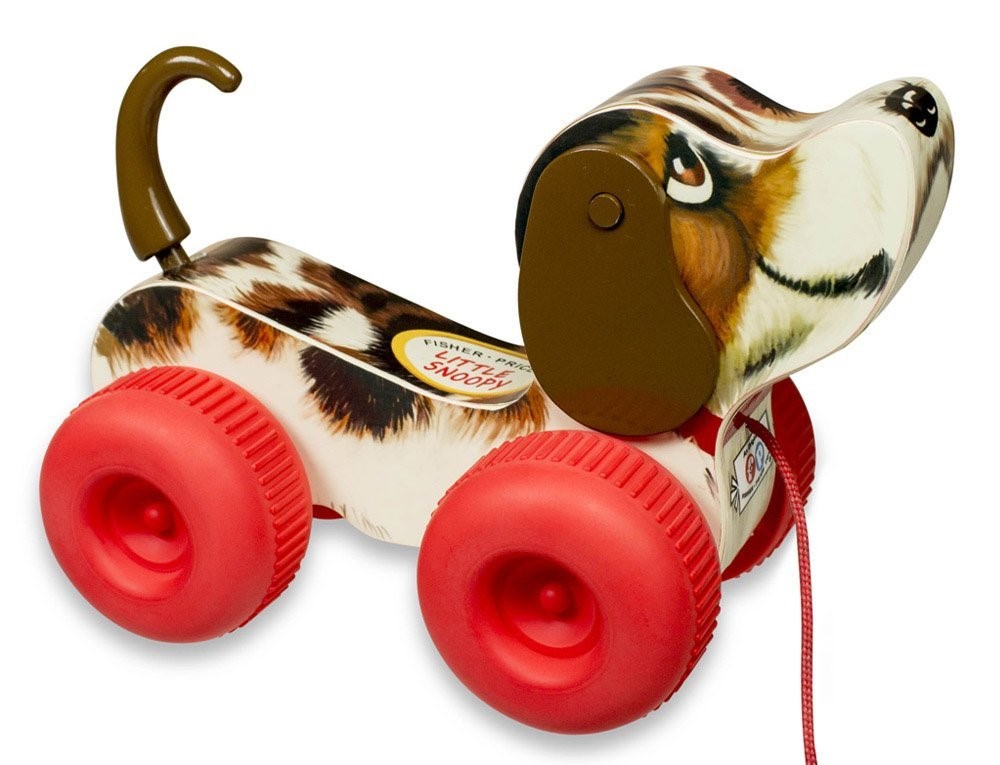
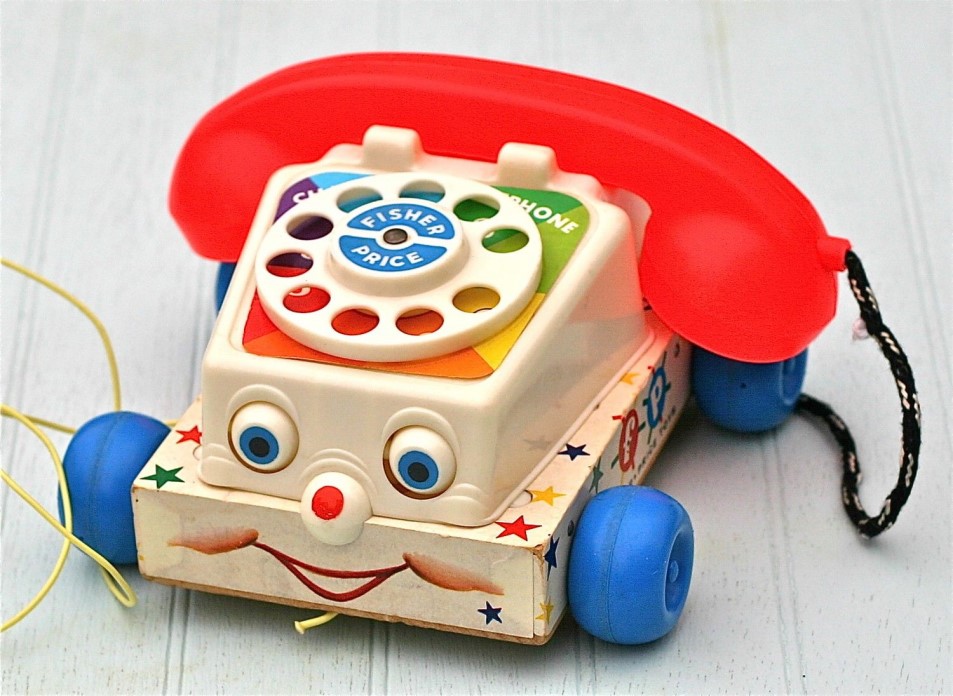
Wooden toys have a timeless appeal that transcends generations. They are often handcrafted, showcasing the artistry and craftsmanship of their makers. Classic wooden toys include building blocks, pull toys, and puzzles, each designed to engage a child’s imagination. These toys are not only durable but also encourage imaginative play. Children can create their own worlds with simple wooden pieces, fostering creativity and problem-solving skills. The tactile experience of playing with wooden toys also provides sensory stimulation, which is essential for young children’s development. Moreover, many wooden toys are designed to be open-ended, allowing children to explore various ways to play, which enhances their cognitive abilities.
Tin Toys
Tin toys emerged in the early 20th century and quickly became popular due to their vibrant colors and mechanical features. These toys often featured wind-up mechanisms, allowing them to move and perform actions, captivating children with their dynamic play. Iconic examples include tin robots, cars, and animals, each designed with intricate details that reflect the craftsmanship of the era. The charm of tin toys lies in their nostalgic designs and the delightful sounds they make when played with. Collectors often seek out these toys not only for their aesthetic appeal but also for the memories they evoke. The revival of interest in tin toys has led to a resurgence in their production, with modern manufacturers creating new designs that pay homage to the classics.
Plush Toys
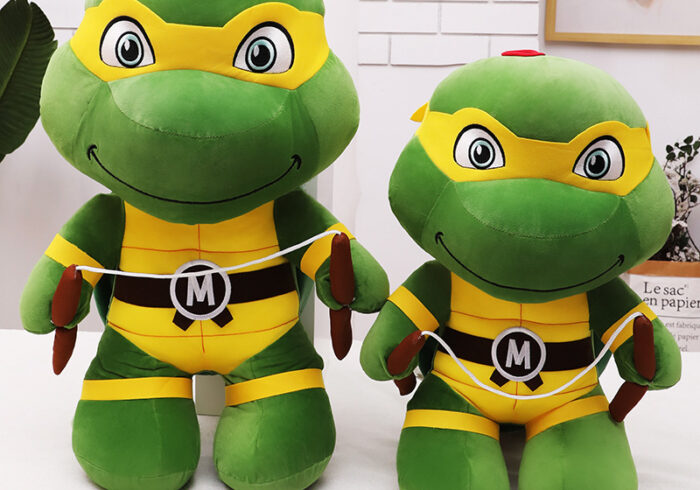
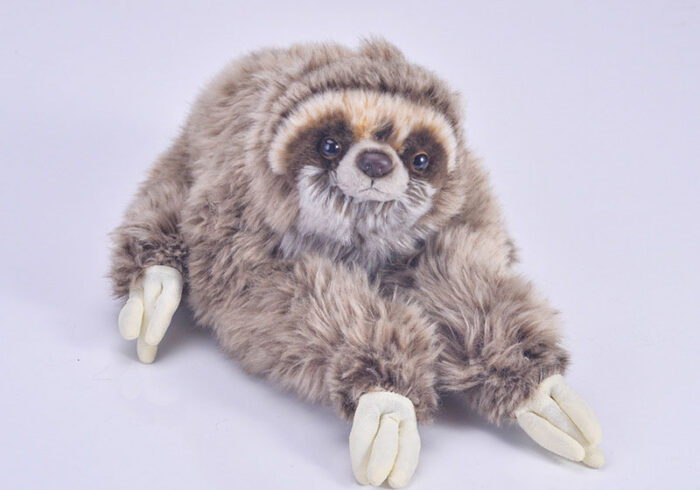
Plush toys, or stuffed animals, have been beloved by children for generations. They provide comfort and companionship, often becoming a child’s first friend. Vintage plush toys, such as teddy bears and dolls, are particularly sought after by collectors. These toys often carry sentimental value, as they are associated with cherished childhood memories. The soft texture and huggable nature of plush toys make them ideal for nurturing emotional connections. Many children form attachments to their stuffed animals, using them as confidants and sources of comfort during challenging times. The enduring popularity of plush toys has led to the creation of various characters and franchises, ensuring that they remain a staple in children’s lives.
Educational Toys
Old educational toys, such as shape sorters and alphabet blocks, have played a crucial role in child development. These toys are designed to teach children essential skills while they play, making learning a fun and engaging experience. They promote cognitive development, fine motor skills, and hand-eye coordination. The simplicity of these toys allows children to learn through exploration and discovery, fostering a love for learning from an early age. Many parents appreciate the dual purpose of these toys, as they provide entertainment while also contributing to their child’s growth. The legacy of educational toys continues today, with many modern toys incorporating technology to enhance learning experiences.
The Cultural Significance of Old Children’s Toys
Reflection of Society
Old children’s toys often reflect the cultural and societal values of their time. For example, toys from the 1950s and 1960s often emphasized gender roles, with dolls marketed primarily to girls and action figures to boys. These toys not only entertained but also reinforced societal norms and expectations. As society has evolved, so too have the messages conveyed through toys. Today, there is a growing emphasis on inclusivity and diversity in toy marketing, with companies striving to create toys that represent a broader range of experiences and identities. This shift reflects a deeper understanding of the importance of representation in childhood development and the impact toys can have on shaping children’s perceptions of themselves and others.
Nostalgia and Memory
For many adults, old children’s toys evoke powerful memories of their own childhoods. The sight of a vintage toy can transport someone back to a time of innocence and joy, reminding them of the carefree days spent playing with friends and family. This nostalgia is a significant factor in the continued popularity of retro toys. Many parents seek out old toys for their children, hoping to share a piece of their childhood with the next generation. The emotional connection to these toys often leads to a desire to preserve them, whether through collecting or passing them down as family heirlooms. This cycle of nostalgia ensures that old toys remain relevant and cherished across generations.
The Resurgence of Vintage Toys
Collecting Old Toys
In recent years, there has been a resurgence of interest in vintage toys. Collectors scour flea markets, garage sales, and online marketplaces for rare finds, often forming communities around their shared passion. The thrill of discovering a long-lost toy can be exhilarating, and many collectors take pride in curating their collections. Collecting old toys has become a hobby for many, with some items fetching high prices at auctions. This trend has also led to the establishment of toy fairs and conventions, where enthusiasts can buy, sell, and trade their beloved toys. The community aspect of collecting fosters connections among individuals who share a love for nostalgia and the history of play.
Modern Interpretations
Many companies have begun to produce modern versions of classic toys, blending nostalgia with contemporary design. These new toys often incorporate modern safety standards while retaining the charm of their predecessors. For example, wooden toys are being reimagined with bright colors and innovative designs, appealing to both children and parents. This fusion of old and new allows for a broader audience to appreciate the value of traditional play. Additionally, some companies focus on sustainability, using eco-friendly materials to create toys that are not only nostalgic but also environmentally responsible. This approach resonates with today’s parents, who are increasingly concerned about the impact of their purchases on the planet.
The Impact of Old Toys on Child Development
Encouraging Imagination
Old children’s toys are often simple in design, allowing for open-ended play. This type of play encourages children to use their imaginations, creating stories and scenarios that enhance their creativity. Unlike many modern toys that come with specific instructions or limitations, vintage toys promote exploration and self-directed play. This freedom fosters critical thinking and problem-solving skills, as children learn to navigate their play experiences. The ability to invent and adapt games with simple toys can lead to a deeper understanding of the world around them, as children experiment with different ideas and concepts through play.
Fostering Social Skills
Playing with old toys often involves interaction with peers or family members. Whether it’s building a fort with blocks or playing a game with vintage board games, these activities foster social skills. Children learn to cooperate, negotiate, and communicate as they engage in play with others. The collaborative nature of many traditional games encourages teamwork and empathy, essential skills for navigating social situations. Additionally, the shared experience of playing with vintage toys can strengthen family bonds, as parents and children engage in play together, creating lasting memories and reinforcing relationships.
Developing Fine Motor Skills
Many old toys, such as puzzles and building sets, require children to manipulate small pieces. This type of play helps develop fine motor skills, which are essential for tasks like writing and self-care. The tactile experience of handling physical toys is invaluable in a digital age where screens dominate playtime. Engaging with tangible toys allows children to practice coordination and dexterity, laying the foundation for future skills. Furthermore, the satisfaction of completing a puzzle or building a structure provides a sense of accomplishment, boosting children’s confidence in their abilities.
Conclusion
Old children’s toys are more than just relics of the past; they are cherished artifacts that connect us to our childhoods. They embody the creativity, imagination, and joy of play. As we navigate a rapidly changing world, the value of these toys remains constant. They remind us of the importance of play in child development and the joy of simple pleasures. Whether you are a collector, a parent, or simply someone who appreciates nostalgia, old children’s toys will always hold a special place in our hearts. Their enduring appeal lies in their ability to bridge generations, fostering connections between the past and present.
How to purchase:https://looperbuy.com/search?keywords=Old+Children%27s+Toys
Related Questions and Answers
1.What are some popular old children’s toys?
Some popular old children’s toys include wooden blocks, tin robots, plush teddy bears, and classic board games.
2.Why are vintage toys so valuable?
Vintage toys are often valuable due to their rarity, condition, and the nostalgia they evoke among collectors and enthusiasts.
3.How do old toys benefit child development?
Old toys encourage imaginative play, foster social skills, and help develop fine motor skills, all of which are crucial for a child’s growth.
4.Are there modern versions of old toys?
Yes, many companies produce modern interpretations of classic toys, ensuring they meet contemporary safety standards while retaining their nostalgic charm.
5.Where can I find old children’s toys?
Old children’s toys can be found at flea markets, antique shops, online marketplaces like eBay, and through collector groups.