In today’s interconnected global economy, the phrase “order direct from China” has become a beacon for businesses and consumers alike, offering access to a vast array of products at competitive prices. The rise of e-commerce platforms and the digitalization of supply chains have revolutionized how goods are sourced, manufactured, and distributed. This article delves into the intricacies of ordering directly from China, exploring the benefits, challenges, and strategies for success in this dynamic market.
Table of Contents
The Allure of Ordering Direct from China
Cost Savings and Competitive Pricing
One of the primary attractions of ordering directly from China is the cost advantage. Chinese manufacturers often operate with lower overhead costs, thanks to economies of scale, efficient production processes, and competitive labor markets. This translates into lower prices for buyers, making it an appealing option for businesses looking to reduce procurement costs or for consumers seeking budget-friendly alternatives.
Diverse Product Range
China is a manufacturing powerhouse, producing everything from electronics and textiles to machinery and consumer goods. This diversity means that buyers can find almost any product they need, often with customization options to suit specific requirements. Whether it’s a niche product or a mass-market item, the Chinese market is likely to have it or the capability to produce it.
Technological Advancements and Innovation
China’s rapid technological advancements have also played a significant role in its appeal as a sourcing destination. Chinese manufacturers are at the forefront of innovation in areas such as renewable energy, artificial intelligence, and the Internet of Things (IoT). This means that buyers can access cutting-edge technology and products that are often not available elsewhere or at a higher cost.
Challenges of Ordering Direct from China
Quality Control Issues
While China offers cost savings and a diverse product range, quality control can be a concern. The sheer volume of manufacturers and the varying levels of quality standards can make it challenging for buyers to ensure that they receive products that meet their expectations. It’s crucial for buyers to conduct thorough due diligence, including factory audits, product testing, and supplier evaluations, to mitigate this risk.
Language and Cultural Barriers
Communication can also be a hurdle when ordering directly from China. Language barriers and cultural differences can lead to misunderstandings and delays in the procurement process. It’s essential for buyers to work with reliable intermediaries or hire bilingual staff to facilitate effective communication and ensure that all parties are on the same page.
Logistics and Shipping Complexities
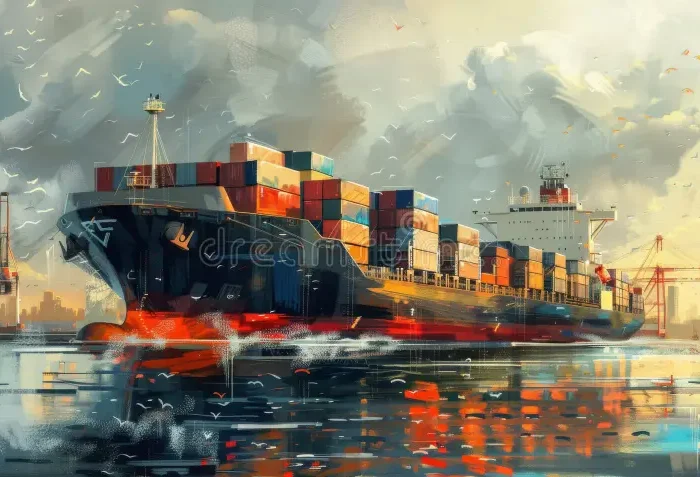
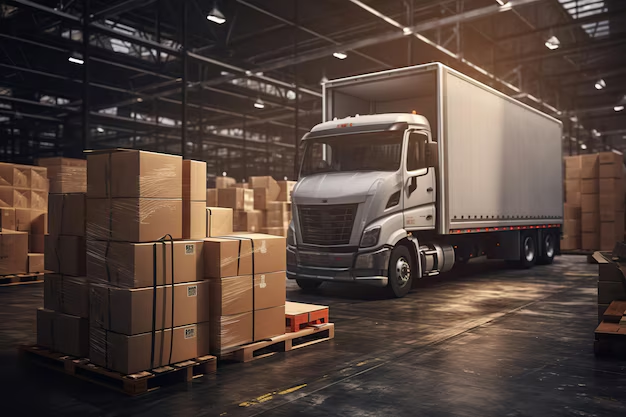
Shipping goods from China to other parts of the world can be a complex and time-consuming process. Customs regulations, import duties, and shipping costs can all impact the overall cost and timeline of the procurement process. It’s important for buyers to work with experienced logistics providers who can navigate these complexities and provide efficient and cost-effective shipping solutions.

Strategies for Successful Direct Sourcing from China
Building Strong Relationships with Suppliers
Building strong relationships with Chinese suppliers is key to successful direct sourcing. This involves establishing trust, clear communication, and mutual respect. Regular visits to suppliers’ factories, participating in trade shows, and maintaining open lines of communication can help foster these relationships and ensure a smooth procurement process.
Utilizing E-Commerce Platforms
E-commerce platforms such as Alibaba, Global Sources, and Made-in-China have made it easier than ever for buyers to connect with Chinese suppliers. These platforms offer a wide range of products, competitive pricing, and tools for supplier evaluation and communication. It’s important for buyers to leverage these platforms effectively and conduct thorough research before making a purchase.
Implementing Quality Control Measures
To mitigate quality control issues, buyers should implement robust quality control measures. This includes conducting factory audits, requesting product samples, and working with third-party inspection agencies to ensure that products meet their specifications and quality standards.
H2: Future Trends in Direct Sourcing from China
Sustainability and Ethical Sourcing
As consumers become more conscious of sustainability and ethical sourcing practices, there is a growing demand for products that meet these standards. Chinese manufacturers are responding to this trend by adopting more sustainable production processes and implementing ethical labor practices. Buyers can capitalize on this trend by seeking out suppliers who prioritize sustainability and ethical sourcing.
Digitalization and Automation
The digitalization of supply chains and the adoption of automation technologies are transforming the manufacturing landscape in China. This is leading to increased efficiency, reduced costs, and improved product quality. Buyers can benefit from these trends by working with suppliers who are at the forefront of digitalization and automation.
Regionalization and Localization
While China remains a dominant force in global manufacturing, there is a growing trend towards regionalization and localization. This means that buyers may find it beneficial to source products from suppliers in other regions or countries, depending on their specific needs and market conditions. However, China’s role as a global manufacturing hub is unlikely to diminish anytime soon, and it will continue to be a key player in the direct sourcing landscape.
If you want to order direct from china more easily, you can use looperbuy, a one-stop purchasing-logistics solution:https://looperbuy.com/
Conclusion
In today’s global economy, ordering directly from China has become a popular option for businesses and consumers seeking cost savings, diverse product ranges, and access to cutting-edge technology. However, this process is not without its challenges, including quality control issues, language and cultural barriers, and logistics and shipping complexities. To succeed in this dynamic market, buyers must implement robust quality control measures, build strong relationships with suppliers, and leverage e-commerce platforms effectively. Looking ahead, sustainability and ethical sourcing, digitalization and automation, and regionalization and localization are set to shape the future of direct sourcing from China. By staying informed and adapting to these trends, buyers can capitalize on the opportunities presented by this vast and vibrant market.
Questions and Answers
- Q: What are the main benefits of ordering directly from China? A: The main benefits include cost savings, diverse product range, and access to cutting-edge technology and innovation.
- Q: What are some common challenges when ordering directly from China? A: Common challenges include quality control issues, language and cultural barriers, and logistics and shipping complexities.
- Q: How can buyers ensure quality control when ordering directly from China? A: Buyers can ensure quality control by conducting factory audits, requesting product samples, and working with third-party inspection agencies.
- Q: What are some popular e-commerce platforms for ordering directly from China? A: Popular e-commerce platforms include Alibaba, Global Sources, and Made-in-China.
- Q: What are some future trends in direct sourcing from China? A: Future trends include sustainability and ethical sourcing, digitalization and automation, and regionalization and localization.