Cooking basmati rice perfectly can be a challenge, but with the right techniques and a reliable rice cooker, you can achieve fluffy, aromatic rice every time. This guide will walk you through the steps to cook basmati rice in a rice cooker, along with tips and tricks to enhance your cooking experience. Whether you are preparing a simple meal or an elaborate feast, mastering the art of cooking basmati rice will elevate your culinary skills.
Table of Contents
Understanding Basmati Rice
Basmati rice is a long-grain variety known for its distinct aroma and fluffy texture. Originating from the Indian subcontinent, it is often used in various dishes, including biryanis and pilafs. The unique characteristics of basmati rice make it essential to follow specific cooking methods to ensure the best results. Basmati rice is not only prized for its flavor but also for its nutritional benefits, as it is low in fat and high in carbohydrates, making it a healthy choice for many diets. Its long grains expand significantly during cooking, creating a light and airy texture that pairs well with a variety of dishes.
Why Use a Rice Cooker?
A rice cooker simplifies the cooking process, allowing you to achieve consistent results without constant monitoring. It automates the cooking process, adjusting the temperature and cooking time based on the amount of rice and water you use. This makes it an excellent tool for both beginners and experienced cooks. Additionally, rice cookers often come with features that allow you to prepare other grains, steam vegetables, and even cook soups, making them a versatile addition to your kitchen. The convenience of a rice cooker means you can focus on preparing other components of your meal while your rice cooks to perfection.
Ingredients Needed
To cook basmati rice in a rice cooker, you will need:
– Basmati Rice: 1 cup (adjust according to your needs)
– Water: 1.5 to 2 cups (the amount may vary based on the rice cooker)
– Salt: 1/2 teaspoon (optional)
– Oil or Butter: 1 tablespoon (optional, for added flavor)
These simple ingredients come together to create a delicious side dish that can complement a wide range of main courses. The addition of salt and oil or butter can enhance the flavor of the rice, making it more enjoyable to eat. You can also experiment with different seasonings or broth instead of water for added depth of flavor.
Step-by-Step Guide to Cooking Basmati Rice
Step 1: Rinse the Rice
Rinsing basmati rice is crucial to remove excess starch, which can make the rice sticky. Place the rice in a fine-mesh strainer and rinse it under cold water until the water runs clear. This process typically takes about 3-4 washes. Rinsing not only helps to achieve a better texture but also removes any impurities or dust that may be present. This step is essential for ensuring that your rice cooks evenly and maintains its characteristic fluffiness.
Step 2: Soak the Rice
Soaking basmati rice for 30 minutes to 1 hour before cooking helps to elongate the grains and improve the texture. This step is particularly beneficial for achieving fluffy rice. After soaking, drain the rice thoroughly. Soaking allows the grains to absorb some water, which helps them cook more evenly and prevents them from breaking during the cooking process. This is especially important for basmati rice, as it is known for its long, delicate grains.
Step 3: Measure Water
The water-to-rice ratio is essential for perfect basmati rice. Generally, the ratio is 1 cup of rice to 1.5 to 2 cups of water. However, this can vary based on your rice cooker and personal preference. If you prefer firmer rice, use less water; for softer rice, use more. It’s important to note that different brands of basmati rice may have slightly different absorption rates, so you may need to experiment to find the perfect ratio for your specific rice cooker.
Step 4: Add Ingredients to the Rice Cooker
Place the rinsed and soaked rice in the rice cooker. Add the measured water, salt, and oil or butter if desired. Stir gently to combine the ingredients. This is the stage where you can get creative by adding spices or aromatics, such as a bay leaf or a few cardamom pods, to infuse the rice with additional flavor. The oil or butter not only adds richness but also helps to keep the grains separate during cooking.
Step 5: Start the Rice Cooker
Close the lid of the rice cooker and select the appropriate setting for white rice. Most rice cookers have a specific setting for cooking white rice, which is ideal for basmati. If your rice cooker does not have this feature, simply press the cook button. The rice cooker will automatically adjust the cooking time based on the amount of rice and water, ensuring that your basmati rice is cooked perfectly every time.
Step 6: Let It Cook
Allow the rice cooker to complete its cycle. Once the cooking is finished, the cooker will automatically switch to the “keep warm” setting. Let the rice sit for about 10-15 minutes without opening the lid. This resting period allows the steam to finish cooking the rice and helps to enhance its texture. During this time, the rice continues to absorb any remaining moisture, resulting in perfectly cooked grains that are fluffy and light.
Step 7: Fluff the Rice
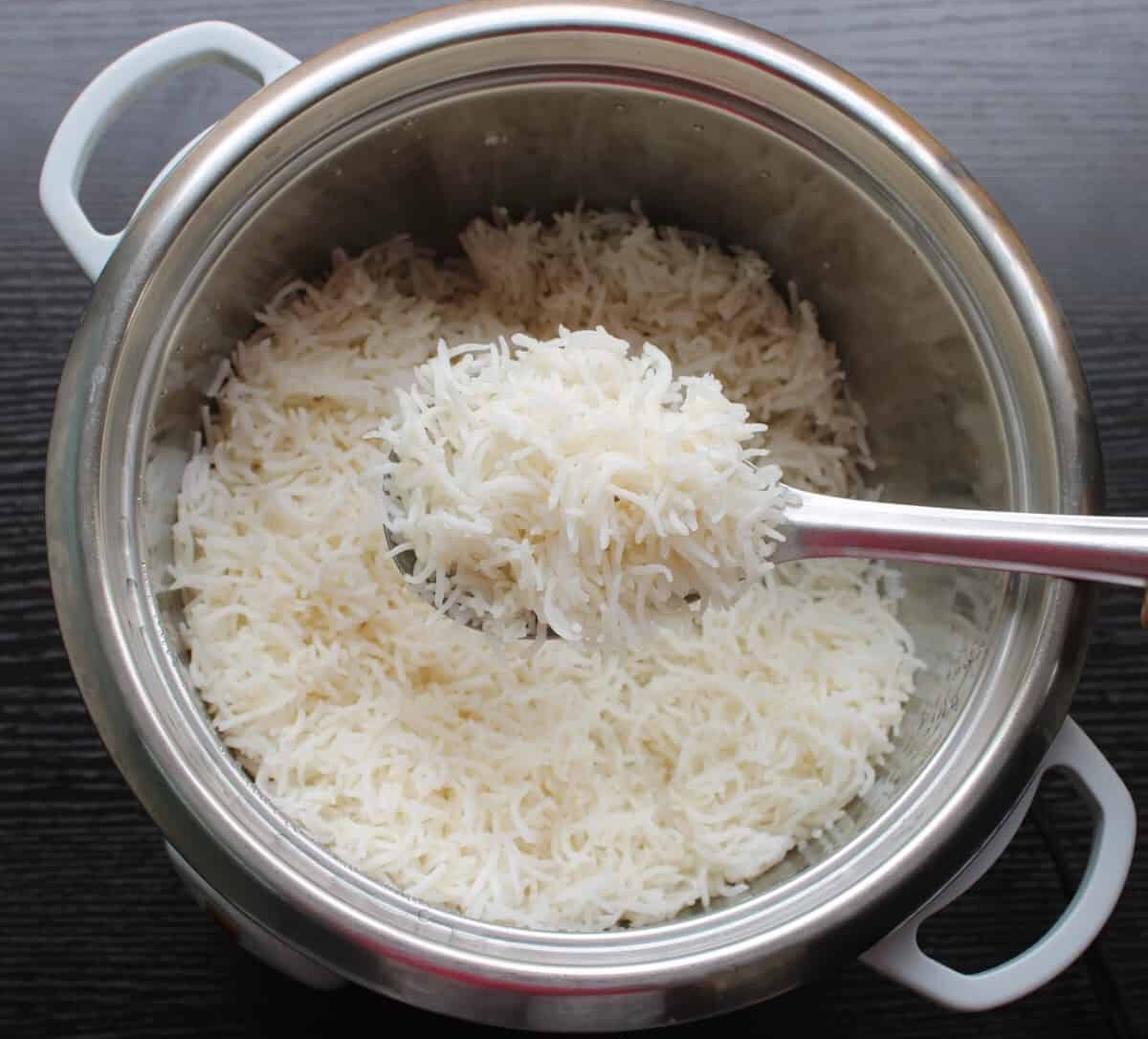
After the resting period, open the lid and use a rice paddle or fork to fluff the rice gently. This step helps to separate the grains and prevent clumping. Fluffing the rice is crucial, as it allows steam to escape and prevents the rice from becoming gummy. Serve the rice immediately, or keep it warm in the rice cooker until you are ready to serve.
Tips for Perfect Basmati Rice
1. Use Quality Rice: Always choose high-quality basmati rice for the best flavor and texture. Look for brands that specify they are aged, as aged basmati rice tends to have a better aroma and texture.
2. Experiment with Ratios: Depending on your rice cooker, you may need to adjust the water ratio. Start with 1.5 cups of water for every cup of rice and adjust based on your preference. Keep notes on your adjustments to find the perfect balance for your taste.
3. Add Aromatics: For added flavor, consider adding spices like cardamom, cloves, or bay leaves to the water before cooking. You can also sauté onions or garlic in the rice cooker before adding the rice and water for a more robust flavor.
4. Avoid Overcrowding: If cooking a large batch, consider cooking in smaller portions to ensure even cooking. Overcrowding can lead to uneven cooking and may result in some grains being undercooked.
5. Keep the Lid Closed: Avoid opening the lid during cooking, as this can release steam and affect the cooking process. Trust the rice cooker to do its job, and resist the temptation to peek inside.
Common Mistakes to Avoid
– Not Rinsing the Rice: Skipping the rinsing step can lead to sticky rice. Always rinse your rice thoroughly to achieve the best texture.
– Incorrect Water Ratio: Using too much or too little water can result in mushy or undercooked rice. Pay attention to the specific requirements of your rice cooker and adjust accordingly.
– Opening the Lid Too Soon: This can disrupt the cooking process and lead to unevenly cooked rice. Allow the rice to rest after cooking to ensure the best results.

Frequently Asked Questions
1. How long does it take to cook basmati rice in a rice cooker?
Cooking basmati rice in a rice cooker typically takes about 15-20 minutes, depending on the model and the amount of rice being cooked. Some rice cookers may have a quick-cook setting that can reduce this time.
2. Can I cook brown basmati rice in a rice cooker?
Yes, you can cook brown basmati rice in a rice cooker. However, it requires a longer cooking time and more water. Generally, use a 1:2 ratio of rice to water and cook for about 40-50 minutes. Brown rice has a tougher outer layer, which requires more time to soften.
3. What should I do if my rice is too sticky?
If your basmati rice turns out sticky, it may be due to insufficient rinsing or too much water. To fix this, fluff the rice gently with a fork and let it sit uncovered for a few minutes to allow excess moisture to evaporate. You can also try adding a little oil or butter to help separate the grains.
4. Can I add vegetables to the rice cooker while cooking basmati rice?
Yes, you can add vegetables to the rice cooker. Just ensure that they are cut into small pieces and adjust the water ratio accordingly, as vegetables will release moisture during cooking. Popular choices include peas, carrots, and bell peppers, which can add color and nutrition to your dish.
5. How can I store leftover basmati rice?
Store leftover basmati rice in an airtight container in the refrigerator for up to 4-5 days. To reheat, add a splash of water and microwave or steam until heated through. You can also use leftover rice in stir-fries, salads, or as a base for grain bowls.
Conclusion
Cooking basmati rice in a rice cooker is a straightforward process that yields delicious results. By following the tips and techniques outlined in this guide, you can enjoy perfectly cooked basmati rice every time. Whether served as a side dish or as part of a main course, basmati rice is a versatile staple that enhances any meal. With practice and experimentation, you will become adept at cooking basmati rice, allowing you to impress your family and friends with your culinary skills.
How to purchase:https://looperbuy.com/search?keywords=basmati+rice+in+rice+cooker