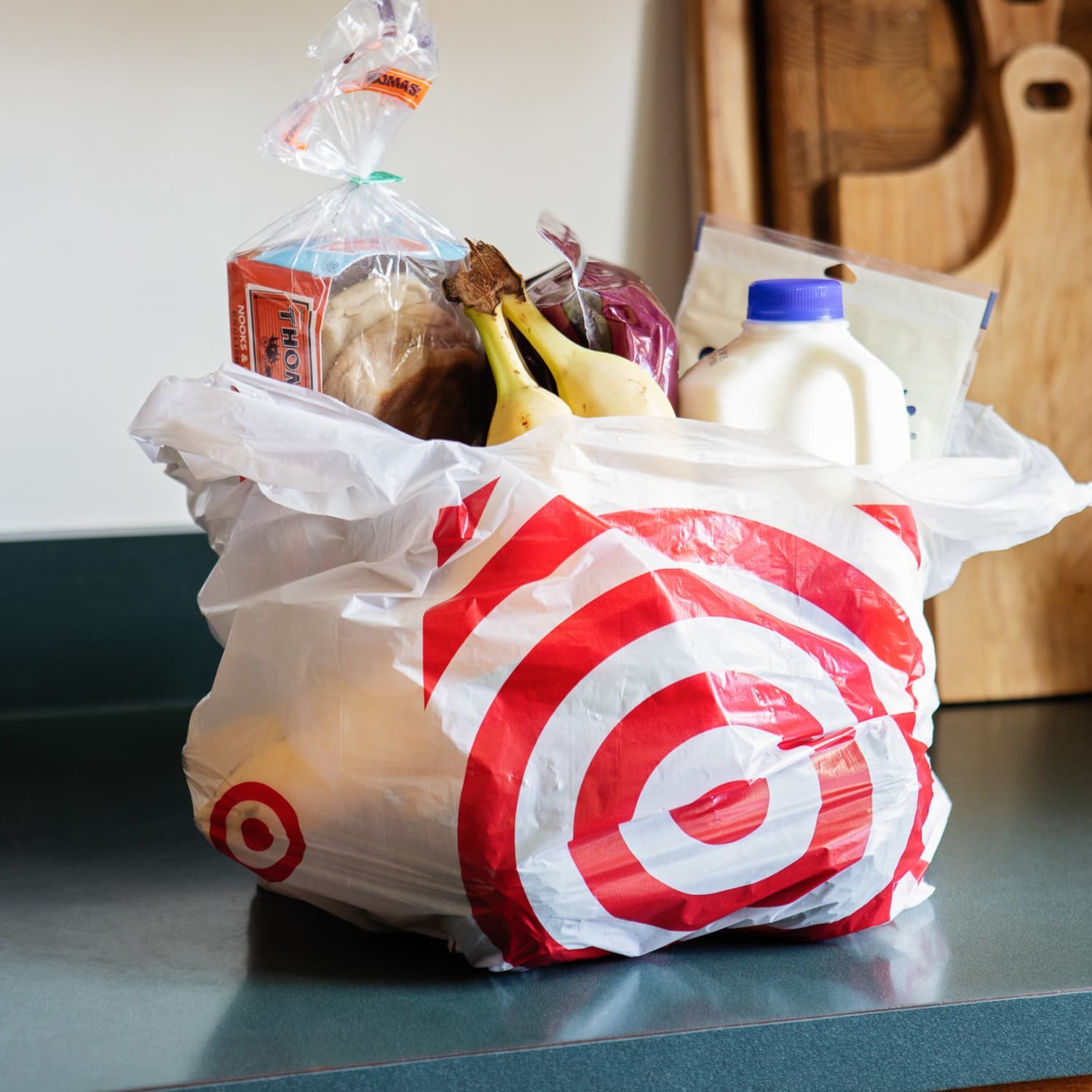
Plastic shopping bags have become a staple in modern consumer culture, providing convenience and utility. However, their environmental impact has sparked significant debate and concern. This article explores the origins, uses, environmental effects, and alternatives to plastic shopping bags.
Table of Contents
Origins of Plastic Shopping Bags
Plastic shopping bags are primarily made from polyethylene, a polymer derived from natural gas or crude oil. The production process involves several steps:
1. Extraction of Ethylene: Ethylene is extracted from natural gas or crude oil through a process called cracking.
2. Polymerization: The ethylene is then polymerized to create polyethylene resin.
3. Bag Formation: This resin is melted and formed into bags through extrusion and molding processes.
The convenience of plastic bags has led to their widespread use; however, this comes at a cost to the environment.
Environmental Impact of Plastic Shopping Bags
The environmental consequences of plastic shopping bags are profound and multifaceted:
– Waste Generation: Approximately 500 billion plastic bags are used globally each year, with a significant portion ending up in landfills, where they can take up to 300 years to decompose.
– Ocean Pollution: Plastic bags contribute to marine pollution, with millions of tons entering the oceans annually. The Great Pacific Garbage Patch, a massive accumulation of plastic debris, serves as a stark reminder of this issue.
– Wildlife Threats: Marine animals often mistake plastic bags for food, leading to ingestion that can cause blockages or death. Additionally, animals can become entangled in plastic waste.
– Toxicity: As plastic bags break down into microplastics, they leach harmful chemicals into soil and waterways, posing risks to human health and ecosystems.
Myths vs. Facts about Plastic Shopping Bags
Despite their negative reputation, there are several misconceptions about plastic shopping bags:
– Myth: Plastic bags are made from crude oil.
– Fact: They are primarily made from ethylene derived from natural gas.
– Myth: Plastic bags cannot be recycled.
– Fact: They can be recycled at designated facilities; however, many consumers do not utilize these options effectively.
– Myth: All reusable bags are better for the environment.
– Fact: Some reusable bags have a higher environmental impact during production than single-use plastic bags.
Alternatives to Plastic Shopping Bags
In response to the environmental crisis posed by plastic shopping bags, various alternatives have emerged:
– Reusable Cloth Bags: Made from cotton or other sustainable materials, these bags can significantly reduce waste when used consistently.
– Biodegradable Plastics: These are designed to decompose more quickly than traditional plastics but still require specific conditions for effective breakdown.
– Paper Bags: While biodegradable, paper bags often require more resources to produce and transport compared to plastic.
– Mushroom-Based Bags: An innovative alternative made from mycelium, these bags offer a sustainable solution that decomposes naturally.
Regulatory Responses and Consumer Behavior
Governments worldwide are implementing measures to reduce plastic bag usage:
– Bans and Taxes: Many countries have introduced bans or levies on plastic bag usage. For example, Ireland’s tax on plastic bags led to a 90% reduction in their use.
– Public Awareness Campaigns: Educating consumers about the environmental impact of plastic bags encourages more sustainable choices.
Case Study: Japan’s Charging Policy
In Japan, mandatory charging for single-use plastic shopping bags was implemented in 2020. A study showed that the number of plastic shopping bags taken decreased by approximately 70% after the charging was introduced. Consumers went from using an average of 5.8 bags per week in 2016 to just 1.7–1.9 by 2023. This case illustrates how effective policy measures can lead to significant reductions in plastic bag consumption.
The Role of Recycling
While recycling rates for plastic shopping bags remain low—approximately only 1 in every 200 ends up being recycled—there is potential for improvement through better recycling programs. Many recycling initiatives now accept plastic bags, turning them into new products like park benches or decking materials.
Additionally, innovations in biodegradable and compostable plastics provide eco-friendly alternatives that break down more quickly in natural environments. Supporting these advancements can help shift the narrative around plastic shopping bags from harmful to sustainable.
Comparative Environmental Impact of Bag Types
Understanding the environmental impacts of various bag types is crucial for making informed choices:
| Bag Type | Production Water Consumption (litres) | Carbon Emissions (g CO2 equivalent) | Lifespan (reuses) | Waste Generated (Kg) | CO2 Emissions (kg) per Bag |
| Plastic Bag | 1.5 | 0.7 | 1 | 0.2 | 0.04 |
| Paper Bag | 4.5 | 2.5 | 3 | 0.5 | 0.08 |
| Reusable Cotton Bag | 130 | 4 | 400 | 0.1 | 5.52 |
| Reusable Polypropylene Bag | Moderate | Moderate | Up to 100 | Moderate | Moderate |
This table shows that while single-use plastic bags have a lower carbon footprint per use compared to paper or cloth alternatives, they cause significant long-term pollution due to their inability to biodegrade effectively.
Conclusion
Plastic shopping bags serve essential functions in modern life but pose significant environmental challenges. Understanding their impact and exploring alternatives is crucial for fostering a more sustainable future. By making informed choices and supporting regulatory measures aimed at reducing plastic waste, individuals can contribute to mitigating the negative effects associated with these ubiquitous items.
How to purchase;https://looperbuy.com/search?keywords=+Plastic+Shopping+Bags
Frequently Asked Questions (FAQs)
1. What are the main materials used in plastic shopping bags?
– Plastic shopping bags are primarily made from polyethylene, derived from natural gas or crude oil.
2. How long does it take for a plastic bag to decompose?
– Plastic bags can take up to 300 years to decompose in landfills.
3. Are there any health risks associated with plastic bags?
– Yes, as they break down into microplastics, they can leach toxins into soil and water supplies.
4. What are some eco-friendly alternatives to plastic shopping bags?
– Alternatives include reusable cloth bags, biodegradable plastics, paper bags, and mushroom-based packaging.
5. What actions are governments taking against plastic bag usage?
– Many governments have implemented bans or taxes on plastic bag usage and launched public awareness campaigns.