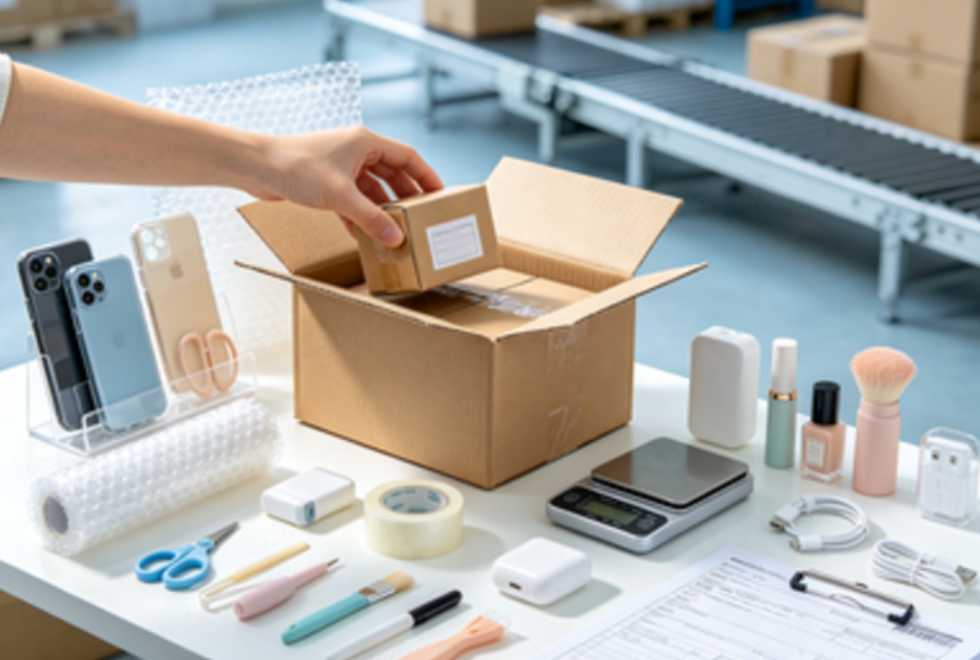
Shipping from China to Amazon FBA USA is the critical supply chain operation that can make or break an Amazon business. In 2026, the landscape has fundamentally changed. The elimination of the de minimis threshold means there is no longer a duty-free entry point for goods under $800, making Delivered Duty Paid (DDP) shipping mandatory for sellers who want to avoid customs holds and unexpected tariff bills . This guide provides a comprehensive playbook for navigating this environment, integrating the latest market data with a sourcing advantage that many sellers overlook.
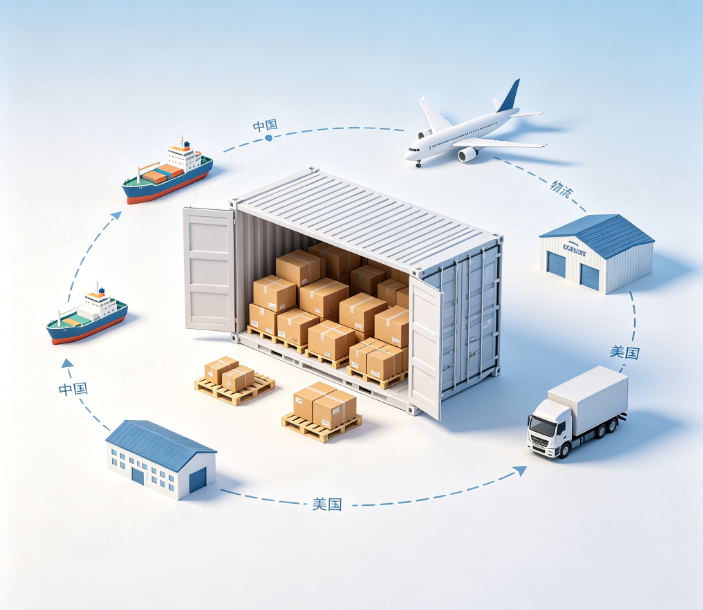
Table of Contents
The 2026 Compliance Reality and Mandatory DDP Shipping
The regulatory shift that took full effect in August 2025 represents the most significant change to import strategy in a decade. For sellers shipping from China to Amazon FBA USA, the end of the Section 321 de minimis exemption means all shipments now require formal entry, making tariff exposure a predictable and substantial cost . As one industry expert notes, Amazon will never act as the Importer of Record (IOR) for third-party sellers . If a shipment arrives with unresolved customs issues, the goods will be held by U.S. Customs and Border Protection (CBP) while your listing runs out of stock. The industry standard is now DDP, where the freight forwarder acts as the IOR and ensures the goods arrive fully cleared, with duties and taxes included in the upfront price. Sellers using DAP (Delivered at Place) risk delivery refusal at the Amazon fulfillment center because Amazon cannot pay the duties on your behalf .
Beyond the basic compliance requirement, sellers must also understand the classification of their products under the Harmonized System (HS) codes. Incorrect HS code classification is one of the leading causes of customs delays and unexpected duty assessments. In 2026, CBP has intensified its targeting of misclassified e-commerce shipments, particularly for electronics, textiles, and kitchenware. Working with a freight forwarder that provides HS code verification as part of their service is no longer optional but essential. Additionally, sellers should request a formal tariff projection before the shipment leaves the factory. This projection should include all applicable Section 301 tariffs on Chinese-origin goods, which remain in effect and can add 7.5% to 25% to the duty bill depending on the product category.
Another critical compliance element is the filing of the Importer Security Filing (ISF), commonly known as the 10+2 rule. This filing must be submitted to CBP at least 24 hours before the cargo is loaded onto the vessel. The ISF requires detailed information about the importer, consignee, manufacturer, and the shipment’s contents. Failure to file on time results in automatic penalties starting at $5,000 per violation. For air freight, the equivalent is the Air Cargo Advance Screening (ACAS) requirement. A reliable freight partner will manage these filings seamlessly, but sellers should always confirm that these steps are being handled proactively rather than reactively.
Cost Analysis: Sea Freight vs. Air Freight in 2026
Choosing between sea and air freight for shipping from China to Amazon FBA USA is a decision that balances cash flow against unit economics. This is not a one-size-fits-all calculation; it depends on product value, weight, dimensional volume, and inventory velocity.
Air Freight DDP
Air freight is the fastest option, typically offering transit times of 5 to 12 days, making it ideal for urgent restocks or product launches. In 2026, the average rate for air freight DDP is around $7.00 per kilogram . For a 500kg shipment, this represents a total cost of approximately $3,500, which is a significant premium but can be justified for high-margin items or to prevent stockouts that would destroy your Bestseller Rank.
However, the true cost of air freight is not just the per-kilogram rate. Dimensional weight pricing means that bulky but lightweight items are charged based on volume rather than actual weight. The formula is length x width x height (in centimeters) divided by 6,000. If this dimensional weight exceeds the actual weight, you pay the higher figure. For example, a shipment of 100 units of lightweight kitchen gadgets in oversized boxes could have a dimensional weight double the actual weight, effectively doubling your shipping cost. Sellers should always work with their supplier to optimize packaging dimensions before finalizing air freight quotes.
Ocean Freight DDP
Ocean freight is the most cost-effective shipping method from China to Amazon FBA USA for large volumes. LCL (Less than Container Load) rates are generally between $100 and $150 per CBM, while FCL (Full Container Load) rates range from $2,000 to $4,100 for a 40-foot container . Transit times for ocean freight are 25 to 40 days. The true advantage is clear when calculating unit cost. For a shipment of 500kg of consumer electronics, ocean freight costs could be as low as $500 to $1,500, saving thousands compared to air freight, which would cost over $3,500 for the same weight .
Ocean freight introduces additional cost layers that sellers must anticipate. These include origin terminal handling charges (OTHC), destination terminal handling charges (DTHC), documentation fees, and customs bond fees. For LCL shipments, there is also a consolidation fee and a deconsolidation fee at the destination warehouse. A transparent freight forwarder will provide a complete landed cost breakdown that includes all these line items, so there are no surprises when the final invoice arrives.
Cost Comparison Summary
For a typical 500kg shipment of consumer goods, ocean freight LCL offers a total cost between $500 and $1,500, whereas air freight DDP costs approximately $3,500. The decision matrix should also factor in the cost of capital. If your product has a high inventory turnover rate, the speed of air freight may justify the premium. For slower-moving goods with stable demand, the savings from ocean freight directly improve your gross margin and allow for more aggressive pricing strategies.
Transit Times and Operational Planning
Transit time is the second critical variable after cost. Air freight shipments typically arrive at the Amazon fulfillment center within 5 to 12 days from the time the supplier releases the goods to the forwarder. Ocean freight shipments, by contrast, take 25 to 40 days . However, these are just the in-transit figures. Sellers must also account for the time required for production, inspection, and consolidation at the origin warehouse.
For ocean freight, the total timeline from placing a purchase order to having inventory available for sale often spans 6 to 8 weeks. This includes 2 to 3 weeks for production, 1 week for origin consolidation and customs clearance, 3 to 4 weeks for the ocean voyage, and 1 week for destination clearance and delivery to the FBA center. Air freight compresses this timeline to 2 to 3 weeks total. The strategic implication is clear: sellers who rely on ocean freight must forecast inventory needs at least two months in advance and place replenishment orders before stock levels drop below a safety threshold.
A best practice adopted by many successful Amazon sellers is the split shipment strategy. This involves sending 20% to 30% of the inventory via air freight to ensure continuous availability while the main bulk shipment travels by ocean freight. This approach protects against stockouts during peak seasons like Q4 or Prime Day, where demand surges unexpectedly and ocean freight delays become more common due to port congestion. In 2025, the Los Angeles and Long Beach ports experienced significant congestion during the peak season, adding 10 to 15 days to ocean freight transit times. Sellers who had adopted the split strategy were able to maintain their sales velocity while competitors who relied solely on ocean freight suffered extended out-of-stock periods.
Packaging and Labeling Compliance for FBA Receiving
The physical condition of your shipment directly influences how quickly Amazon can receive and make your inventory available for sale. Improperly prepared shipments are subject to receiving delays, inbound performance notifications, and in some cases, complete refusal of delivery. Amazon’s FBA receiving team processes thousands of cartons daily, and any deviation from the standard protocol creates friction.
Every carton must display a clear and scannable FBA box ID label on each side of the box. These labels are generated during the Send to Amazon workflow and are unique to each shipment. If the label is damaged, faded, or placed incorrectly, the carton must be manually processed, which can add several days to the receiving timeline. Many sellers make the mistake of using standard paper labels that smudge in humid conditions. The recommended standard is to use thermal transfer labels with a permanent adhesive, ensuring they remain scannable throughout the journey from the factory to the fulfillment center.
Product-level labels are equally important. Amazon requires that each individual unit have a scannable barcode that links to the ASIN. The two primary options are the manufacturer barcode (UPC, EAN, or ISBN) and the Amazon FNSKU. If you are using FNSKU labels, you must ensure that they are applied to the product packaging in a way that covers any existing barcodes. A common error is leaving the original UPC visible alongside the FNSKU, which causes confusion during the receiving process and may result in inventory being misidentified or commingled.
The condition of the packaging also matters. Products that require additional protection, such as fragile electronics or glassware, must be properly cushioned with bubble wrap, foam inserts, or air pillows. Poly-bagged products must have the appropriate suffocation warning labels if the bag opening exceeds a certain dimension. These prep requirements are product-specific and are detailed in Amazon’s FBA Prep and Packaging Guidelines. Sellers should review these guidelines with their supplier before production begins, as retrofitting packaging at the fulfillment center is costly and disruptive.
Beyond these basics, sellers should also consider the structural integrity of their shipping cartons. Double-wall corrugated boxes are recommended for heavy items or shipments that will undergo multiple handling stages. The carton weight should ideally not exceed 50 pounds, as heavier boxes are subject to additional handling fees and physical strain that increases the risk of damage. For products that are unusually shaped or have protruding parts, custom-fit packaging or additional corner protection is advisable.
The Sourcing Advantage: How LooperBuy Streamlines the Supply Chain
A significant challenge for international sellers is the upstream process of sourcing from China. For many, the pain points involve language barriers, difficulty verifying suppliers, complex payment issues, and the opaque nature of handling logistics from the factory floor. This is where a one-stop B2B sourcing platform like LooperBuy provides strategic value, directly impacting the efficiency of shipping from China to Amazon FBA USA. LooperBuy, in partnership with LianLian Global, offers a solution that connects overseas merchants directly with factories on 1688.com, eliminating the complications of sourcing .
The platform addresses the critical pain points. Sellers can source a wide variety of goods at factory prices without needing a Chinese bank account or a local intermediary for payments, as LooperBuy supports multi-currency transactions . This direct connection shortens the supply chain, giving sellers more control over product quality and cost before the physical logistics begin. By streamlining the procurement stage and providing global shipping solutions, LooperBuy effectively lowers the barrier to entry, allowing brand owners, wholesalers, and manufacturers to focus on their core business rather than getting bogged down in the complexities of Chinese procurement .
Beyond payment facilitation, LooperBuy enables sellers to verify suppliers through a structured platform that provides transparency on factory credentials and product certifications. This reduces the risk of intellectual property infringement and product quality issues, which are among the most costly problems an FBA seller can face. A product recall or a counterfeit claim can result in the suspension of the selling account and the destruction of thousands of units. Sourcing through a platform that provides a layer of accountability mitigates these risks.
The logistical integration offered by LooperBuy is another dimension of value. Instead of coordinating separately with a supplier, a freight forwarder, and a customs broker, sellers can manage the entire workflow through a single interface. This reduces the administrative burden and minimizes the risk of miscommunication between parties. For sellers new to importing, this integrated approach significantly shortens the learning curve and reduces the likelihood of costly errors in documentation or compliance.
Another notable feature of LooperBuy is its ability to handle small-batch orders efficiently. Traditional sourcing often requires minimum order quantities that are prohibitive for startups or sellers testing new products. LooperBuy’s network includes suppliers that are flexible with order sizes, enabling sellers to launch new SKUs with lower initial investment. This flexibility is particularly valuable in the current e-commerce environment, where rapid product iteration and market testing are essential for staying competitive.
Tariff Classification and Duty Optimization Strategies
Tariffs represent one of the largest variable costs in shipping from China to Amazon FBA USA. With the Section 301 tariffs still in effect and the de minimis exemption eliminated, sellers cannot afford to treat duty calculation as an afterthought. Proactive tariff management begins with accurate HS code classification. The HS code determines not only the duty rate but also whether the product is subject to additional tariffs, anti-dumping duties, or quota restrictions.
Sellers should engage a customs broker or use a freight forwarder with in-house brokerage services to verify the correct HS code for each product. Many sellers rely on their Chinese suppliers to provide the HS code, but this is risky because the supplier’s classification may be optimized for export from China rather than import into the U.S. The two classifications can differ, leading to unexpected duty assessments and potential penalties for misdeclaration.
One strategy for duty optimization is to evaluate the country of origin rules and determine whether any components of the product can be sourced from countries not subject to Section 301 tariffs. While the final assembly may still be in China, the value of non-Chinese components may be excluded from the tariff base if properly documented. This approach, known as tariff engineering, requires detailed supply chain visibility and may not be practical for all products, but for high-volume items, the savings can be substantial.
Another consideration is the First Sale Rule, which allows the customs value to be based on the price paid by the intermediary buyer rather than the final sale price to the U.S. importer. This can significantly reduce the duty base if the transaction structure is properly documented. However, the First Sale Rule requires meticulous record-keeping and is subject to CBP scrutiny. Sellers should consult with a licensed customs broker to determine if this strategy is applicable to their business model.
Carrier Selection and Freight Forwarder Relationships
The choice of freight forwarder is one of the most consequential decisions a seller will make. A reliable forwarder does more than just move boxes; they provide visibility, problem-solving, and proactive communication throughout the shipping from China to Amazon FBA USA process. When evaluating forwarders, sellers should consider several criteria beyond the quoted rate.
Responsiveness is a leading indicator of service quality. A forwarder that takes days to respond to a quote request is unlikely to provide timely support when a shipment encounters a customs hold or a delay at the port. Sellers should also evaluate the forwarder’s technology platform. Real-time tracking, automated notifications, and a user-friendly portal for managing shipments are not luxuries but necessities in 2026.
The forwarder’s relationships with carriers and their volume of shipments also matter. Larger forwarders may have access to preferential rates and allocated space on vessels or aircraft, which is critical during peak seasons when capacity is constrained. However, smaller forwarders often provide more personalized service and may be more flexible in handling unique requirements. The optimal choice depends on the seller’s volume and specific needs.
Sellers should also verify that the forwarder has a physical presence at both the origin and destination. A forwarder with offices in China and the U.S. can provide on-the-ground support for inspection, consolidation, and customs clearance. This reduces the risk of delays caused by time zone differences or communication gaps. Before finalizing the relationship, sellers should request references from other e-commerce sellers with similar shipping profiles and follow up with those references to validate the forwarder’s performance.
Risk Management and Contingency Planning
Shipping from China to Amazon FBA USA involves inherent risks that extend beyond cost and transit time. These risks include supply chain disruptions, customs holds, carrier delays, and changes in regulatory policy. A robust risk management strategy is essential for maintaining consistent inventory levels and protecting your brand reputation.
Geopolitical risks remain a prominent concern. Trade tensions between the United States and China can lead to sudden changes in tariff rates or the imposition of new restrictions on specific product categories. Sellers should monitor trade policy developments and consider diversifying their sourcing across multiple countries or regions. While China remains the dominant manufacturing hub, countries like Vietnam, India, and Mexico are increasingly viable alternatives for certain products. LooperBuy’s platform, with its broad supplier network, can assist in exploring these alternative sourcing options.
Carrier reliability is another variable that requires ongoing attention. Not all freight forwarders are equal, and selecting the wrong partner can result in significant delays, damaged goods, or lost shipments. Sellers should evaluate forwarders based on their track record, customer reviews, and their responsiveness during the quoting process. A forwarder that provides proactive tracking updates and has a dedicated customer service team is preferable to one that is only responsive when problems arise.
Insurance is a non-negotiable component of risk management. While carriers provide basic liability coverage, it is typically limited to a fraction of the cargo value. Marine cargo insurance, which covers loss or damage during transit, is relatively inexpensive and provides peace of mind. Sellers should confirm with their freight forwarder whether insurance is included in the quoted rate or offered as an optional add-on. For high-value shipments, all-risk coverage is recommended, as it protects against the widest range of potential perils.
Additionally, sellers should maintain a cash reserve to absorb unexpected costs such as additional tariffs, storage fees from port delays, or the cost of rerouting a shipment that was rejected at the FBA center. A buffer of 15% to 20% above the projected landed cost is a prudent financial practice for sellers navigating the current environment.
Action Plan for First-Time Importers
If you are planning your first shipment from China to Amazon FBA USA, the following step-by-step action plan will help you avoid the most common pitfalls and ensure a smooth process.
1. confirm your product’s compliance requirements. Some product categories, such as electronics, cosmetics, and toys, have specific safety and labeling standards that must be met before the goods can be sold in the U.S. market. For electronics, FCC certification is required to demonstrate electromagnetic compatibility. For children’s products, CPC (Children’s Product Certificate) documentation is mandatory. These certifications must be obtained from accredited laboratories and should be finalized before production begins.
2.request a full landed cost estimate from your freight forwarder. This estimate should include all costs from the factory floor to the Amazon fulfillment center. Ensure it covers origin handling, export clearance, ocean or air freight, insurance, customs clearance, duty and tax payments, and destination delivery. Compare quotes from at least three providers to ensure competitive pricing.
3.engage with a sourcing platform like LooperBuy to streamline the procurement and payment processes. By consolidating your sourcing, payment, and logistics through one platform, you reduce complexity and improve visibility into your supply chain. This is particularly valuable for sellers who are managing multiple product lines or suppliers simultaneously.
4.label and package your products in strict accordance with Amazon’s FBA requirements. Consider hiring a third-party inspection company to verify the packaging and labeling before the shipment leaves the factory. This small investment can prevent receiving delays that would otherwise impact your inventory availability.
5. plan your inventory levels with a buffer. Assume that your first shipment will take longer than the estimated transit time. Use the split strategy to send a small air shipment to maintain sales momentum while your main ocean shipment is in transit. Monitor your inventory dashboard daily and place your next order when stock levels reach a predetermined reorder point, not when you are nearly out of stock.
Frequently Asked Questions (FAQ)
1. What is the cheapest way to ship from China to Amazon FBA USA?
The cheapest shipping method from China to Amazon FBA USA is ocean freight LCL (Less than Container Load). In 2026, rates average between $100 and $150 per CBM. While it is the most cost-effective for large, non-urgent shipments, the transit time is longer (25 to 40 days) compared to air freight.
2. What is DDP shipping, and why is it mandatory for Amazon FBA in 2026?
DDP (Delivered Duty Paid) means the freight forwarder handles all costs, including shipping, customs clearance, and duties. Since the de minimis exemption ended in August 2025, all shipments face formal entry and tariffs. DDP is mandatory because Amazon will not act as the Importer of Record (IOR) or pay duties for you; if duties are unpaid, your shipment will be rejected or held by customs.
3. How do I choose between air and sea freight for my product?
Choose air freight if you need speed for a product launch or urgent restock to prevent a stockout. It costs approximately $7.00/kg. Choose sea freight for maximizing profit margins and moving large volumes (over 100kg). Ocean freight is significantly cheaper but requires inventory planning 4 to 7 weeks in advance.
4. How does LooperBuy simplify the sourcing and shipping process?
LooperBuy is a one-stop B2B sourcing platform that connects global merchants directly with Chinese factories on 1688.com. It solves key pain points by offering multi-currency payments, direct factory pricing, and integrated global shipping solutions, making the entire process from sourcing to delivery much more efficient.
5. What are the most common mistakes that cause FBA delays?
The most common mistakes include mismatched or missing box labels, cartons exceeding the standard weight and size limits, inaccurate box content information, and changing the shipment plan after labels have been printed. These errors can lead to slow receiving, refusal of the shipment, or costly reconciliation issues.
6. What is the Importer Security Filing (ISF) and why does it matter?
The ISF, also known as the 10+2 rule, must be filed with CBP at least 24 hours before cargo is loaded onto a vessel for the U.S. Failure to file on time results in penalties starting at $5,000 per violation. Your freight forwarder typically handles this filing, but you should always confirm it is completed on schedule.
7. How can I reduce the risk of customs holds on my shipment?
To reduce customs risk, ensure your products are correctly classified with the appropriate HS code, maintain proper documentation including commercial invoices and packing lists, and work with a freight forwarder that specializes in e-commerce shipments. Providing the forwarder with detailed product descriptions and material compositions also helps.
8. What is the split shipment strategy and how does it work?
The split shipment strategy involves sending a portion of your inventory (typically 20% to 30%) via air freight to ensure continuous availability while the main bulk shipment travels by ocean freight. This approach protects against stockouts during peak seasons and provides a buffer against unforeseen shipping delays.
9. Do I need cargo insurance for my FBA shipments?
While cargo insurance is not mandatory, it is strongly recommended. Basic carrier liability is limited to a fraction of the cargo value. Marine cargo insurance, particularly all-risk coverage, protects against loss, damage, and theft during transit. The cost is relatively small compared to the potential loss of an entire container of inventory.
10. How far in advance should I plan my inventory orders?
For ocean freight, you should place replenishment orders at least 8 to 10 weeks before you expect to run out of stock. This accounts for production, consolidation, ocean transit, customs clearance, and FBA receiving. For air freight, the lead time is 3 to 4 weeks. Always build in a safety buffer for unexpected delays.
References
- SellerSprite. “Shipping Products to Amazon-From Production to FBA.” SellerSprite, 24 Dec. 2025. https://www.sellersprite.com/blog/shipping-products-to-amazon
- Ship4wd. “Freight Forwarder From China To USA: Costs & Amazon FBA Options.” Ship4wd, 20 Nov. 2025. https://www.ship4wd.com
- Super International Shipping. “How to ship from China to Amazon FBA DDP.” Super International Shipping, 5 Apr. 2026. https://www.super-international-shipping.com
- Forest Leopard. “Amazon FBA Shipping Costs 2026: A Complete Breakdown for Beginners.” Forest Leopard, 10 Jan. 2026. https://www.forestleopard.com
Meta Description: Master shipping from China to Amazon FBA USA in 2026. Learn about mandatory DDP compliance, cost comparisons for sea vs. air freight, and sourcing advantages with LooperBuy.
Hot Tags
Shipping from China to Amazon FBA USA, China to USA FBA shipping cost, Amazon FBA freight forwarder, DDP shipping to Amazon, LooperBuy sourcing platform, ocean freight vs air freight Amazon, Chinese supplier to Amazon FBA, Amazon FBA logistics, import from China to USA, B2B sourcing from China