The e-commerce landscape in China is dominated by several key platforms, including Taobao, Tmall, and 1688. All three platforms are owned by Alibaba Group, but they cater to different markets and operate under distinct business models. Understanding these platforms is crucial for anyone interested in sourcing products from China, whether for personal use or for business purposes.
Table of Contents
Overview of Taobao
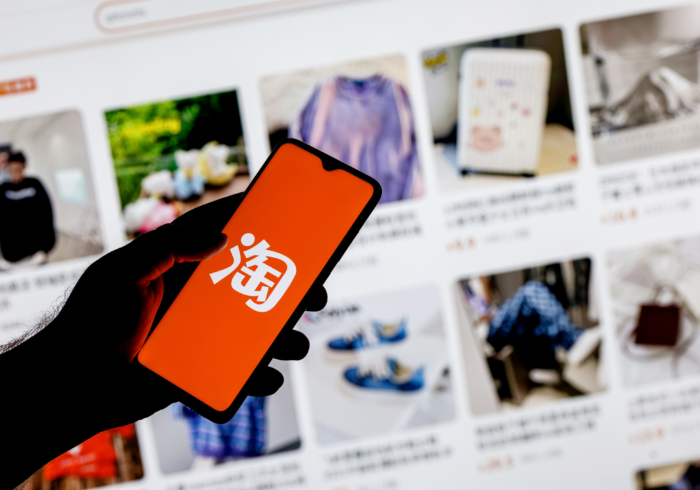
Taobao is often referred to as the “eBay of China” because it operates on a C2C (customer-to-customer) model. This means that individuals and small businesses can set up virtual stores and sell products directly to consumers. Launched in 2003, Taobao offers a vast array of goods, from electronics and fashion to home decor. It is known for its competitive pricing and extensive product range, making it a popular destination for shoppers looking for bargains.
Taobao Features:
- C2C Model: Allows individuals to sell directly to consumers.
- Extensive Product Range: Offers a wide variety of goods.
- Competitive Pricing: Prices are often lower than traditional retail stores.
- Language Barrier: Can be challenging for non-Chinese speakers to navigate.
Tmall, launched in 2008, operates on a B2C (business-to-consumer) model. It hosts official stores of established brands and retailers, focusing on selling authentic products directly from manufacturers and authorized distributors. Tmall emphasizes quality and authenticity, providing a premium shopping experience with customer service support and buyer protection policies.
Tmall Features:
- B2C Model: Official stores of brands and retailers.
- Authentic Products: Strict verification processes ensure product authenticity.
- Premium Shopping Experience: Offers customer service and buyer protection.
- Higher Quality Products: Generally considered to have higher quality products compared to Taobao.
Tmall B2B (business-to-business) wholesale marketplace where businesses can source products directly from manufacturers and wholesalers in China. It is ideal for bulk purchases, offering competitive wholesale prices. The platform is designed for companies looking to procure goods in large quantities, making it a crucial link in the supply chain for many businesses.
1688 Features:
- B2B Model: Connects businesses with suppliers for bulk purchases.
- Wholesale Prices: Offers lower prices for bulk orders.
- Minimum Order Quantity: Often requires purchasing in bulk, with minimum quantities starting from two units.
- Language Barrier: Similar to Taobao, navigating can be challenging for non-Chinese speakers.

Taobao’s Business Model
Taobao’s retail model targets individual consumers with no minimum purchase requirement. This makes it accessible to anyone looking to buy products in small quantities. The platform is popular among consumers due to its wide range of products and competitive pricing.
Tmall’s Business Model
Tmall focuses on selling authentic branded products, targeting consumers who value quality and authenticity. It requires sellers to be authorized distributors or manufacturers, ensuring that products are genuine and of high quality.
1688’s Business Model
1688 operates as a wholesale platform, targeting businesses and bulk buyers. It connects manufacturers and wholesalers with retailers and other businesses, facilitating bulk purchases at competitive prices. The minimum order quantities can vary, but they often start at two units, making it less suitable for individual consumers.
Pricing and Product Availability
Pricing Comparison
- Taobao and Tmall: Prices are generally higher on these platforms compared to 1688 because they cater to individual consumers and focus on retail sales.
- 1688: Offers lower wholesale prices due to its bulk purchasing model. Many Taobao sellers source products from 1688 to resell at a markup.
Product Availability
- Taobao: Offers a vast range of products, including unique and niche items.
- Tmall: Focuses on branded and authentic products, with a more limited selection compared to Taobao.
- 1688: Provides access to a wide range of products in bulk, including raw materials and finished goods.
Challenges for Foreign Buyers
Language Barriers
Both Taobao and 1688 can be challenging for non-Chinese speakers to navigate. Tmall is somewhat more accessible due to its focus on international brands, but language support is still limited.
Payment and Shipping
- Payment Methods: 1688 primarily accepts Alipay and bank transfers, while Taobao and Tmall offer more payment options, including credit cards.
- Shipping: Foreign buyers often need to use agents to facilitate purchases and shipping from these platforms, as they typically require a Chinese address for delivery.
Conclusion
Taobao, Tmall, and 1688 are pivotal platforms in China’s e-commerce landscape, each serving different needs and markets. Understanding their business models and target audiences is essential for anyone looking to source products from China. Whether you are an individual consumer or a business owner, these platforms offer unique opportunities for accessing a wide range of products at competitive prices.
If you want to purchase from the above website, you can use looperbuy, a one-stop purchasing-logistics solution:https://looperbuy.com/
Frequently Asked Questions
What is the main difference between Taobao and 1688?
Answer: Taobao is a C2C platform targeting individual consumers, while 1688 is a B2B platform for bulk purchases by businesses.
Why are prices on 1688 generally lower than on Taobao?
Answer: Prices on 1688 are lower because it operates on a wholesale model, offering bulk purchases at discounted rates.
Can foreign buyers purchase directly from these platforms?
Answer: Yes, but it can be challenging due to language barriers and payment restrictions. Often, foreign buyers use agents to facilitate purchases and shipping.
What is the difference between Tmall and Taobao?
Answer: Tmall focuses on selling authentic branded products from authorized distributors, while Taobao offers a wider range of products, including those from individual sellers.
How do I navigate these platforms if I don’t speak Chinese?
Answer: You can use translation tools or work with intermediaries who are familiar with the platforms and can assist with navigation and communication.