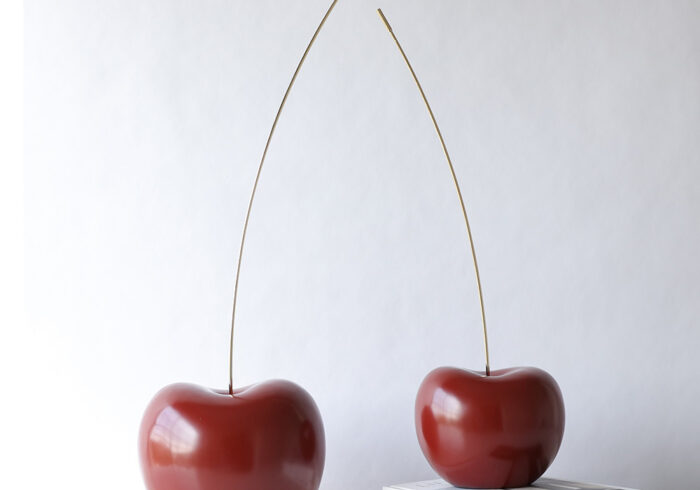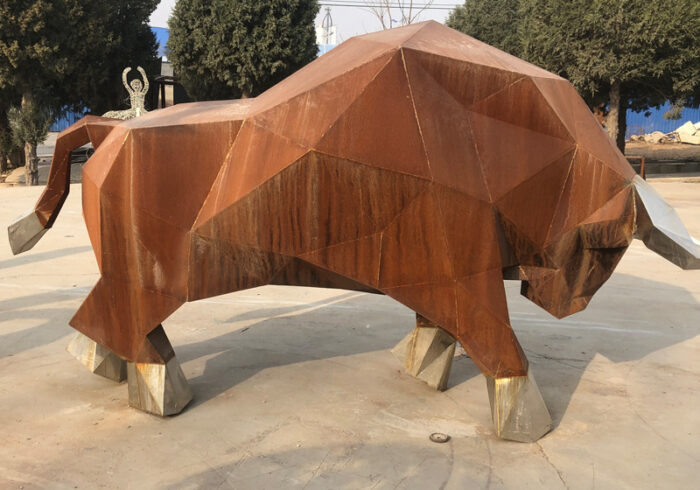
Metal sculpture flowers represent a unique intersection of art and nature, where the beauty of floral forms is captured in the enduring medium of metal. This article explores the intricate world of metal flower sculptures, delving into their history, techniques, and the creative processes behind these stunning works of art. We will also discuss the significance of metal flowers in contemporary art and their role in home decor, as well as provide insights into how to create your own metal flower sculptures.
Table of Contents
The History of Metal Sculpture Flowers
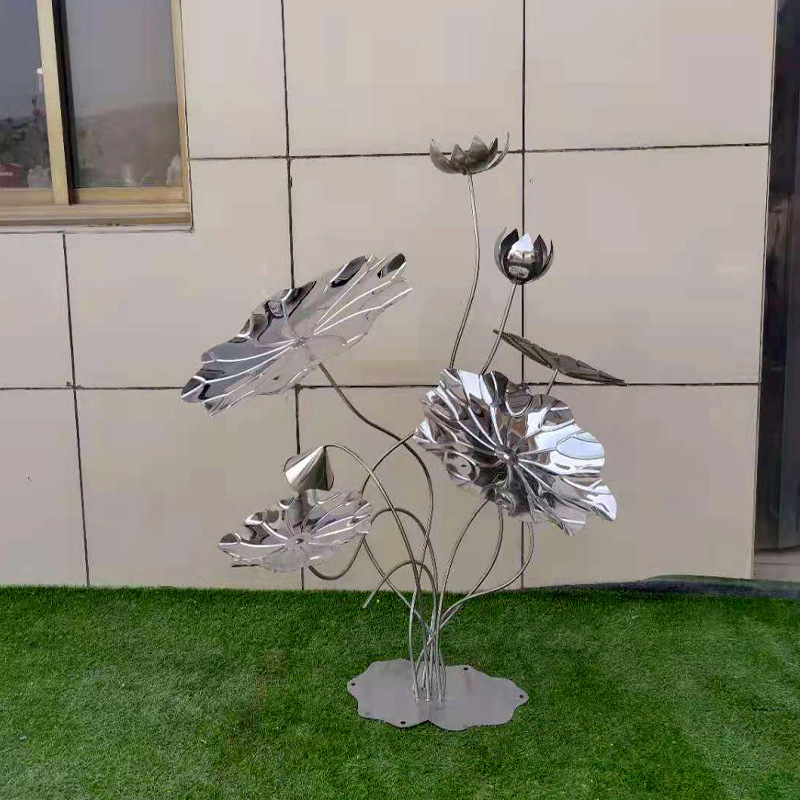
Metal sculpture flowers have a rich history that dates back centuries. The use of metal in art can be traced to ancient civilizations, where metals like bronze and gold were used to create decorative items and religious artifacts. However, the specific art form of metal flowers began to gain popularity in the 20th century, particularly with the rise of modernism.
Early Influences
The early 20th century saw artists experimenting with various materials, including metal, to create sculptures that challenged traditional forms. Artists like Alexander Calder and David Smith began to explore abstract forms, paving the way for future artists to incorporate organic shapes, such as flowers, into their metalwork. These early influences set the stage for the development of metal flower sculptures as a distinct art form.
The Rise of Metal Flowers in Contemporary Art
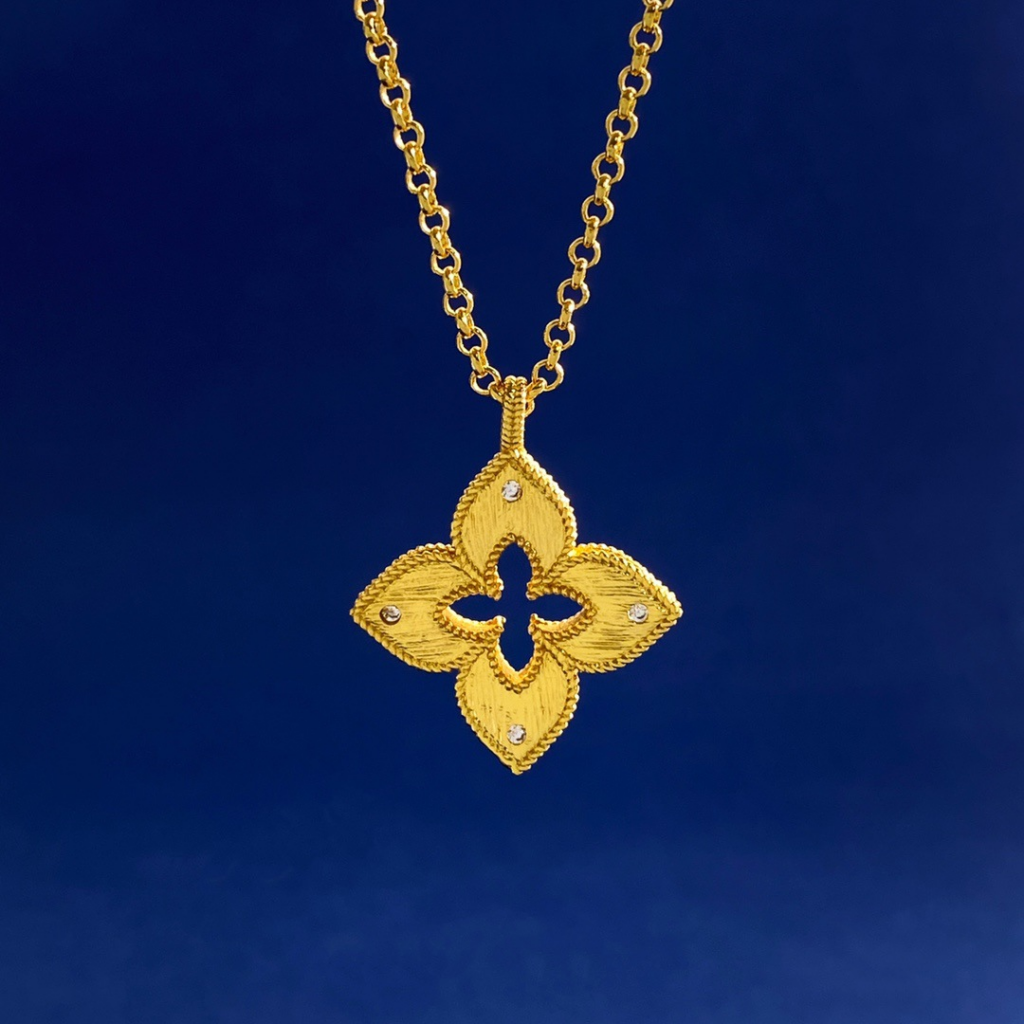
In recent decades, metal flower sculptures have gained significant popularity among contemporary artists. This resurgence can be attributed to several factors, including the durability of metal as a medium, the ability to create intricate designs, and the growing interest in sustainable art practices. Artists today often use recycled metals, giving new life to discarded materials while creating beautiful floral representations.
Techniques for Creating Metal Flower Sculptures
Creating metal flower sculptures involves a variety of techniques, each contributing to the final piece’s aesthetic and structural integrity. Artists may choose to work with different types of metal, such as steel, copper, or aluminum, each offering unique properties and finishes.
Welding and Fabrication
Welding is one of the primary techniques used in metal sculpture. Artists often start by sketching their designs and then cutting metal sheets into the desired shapes. These pieces are then welded together to form the structure of the flower. Fabrication techniques, such as bending and shaping, allow artists to create realistic petals and stems.
Patina and Finishing Techniques
Once the sculpture is assembled, artists often apply various finishing techniques to enhance the visual appeal of the metal. Patinas, which are chemical treatments that alter the surface color of the metal, can create stunning effects. For example, copper can develop a beautiful green patina over time, reminiscent of natural aging processes. Additionally, polishing and painting can be used to achieve different textures and colors, allowing for a wide range of artistic expression.
Incorporating Mixed Media
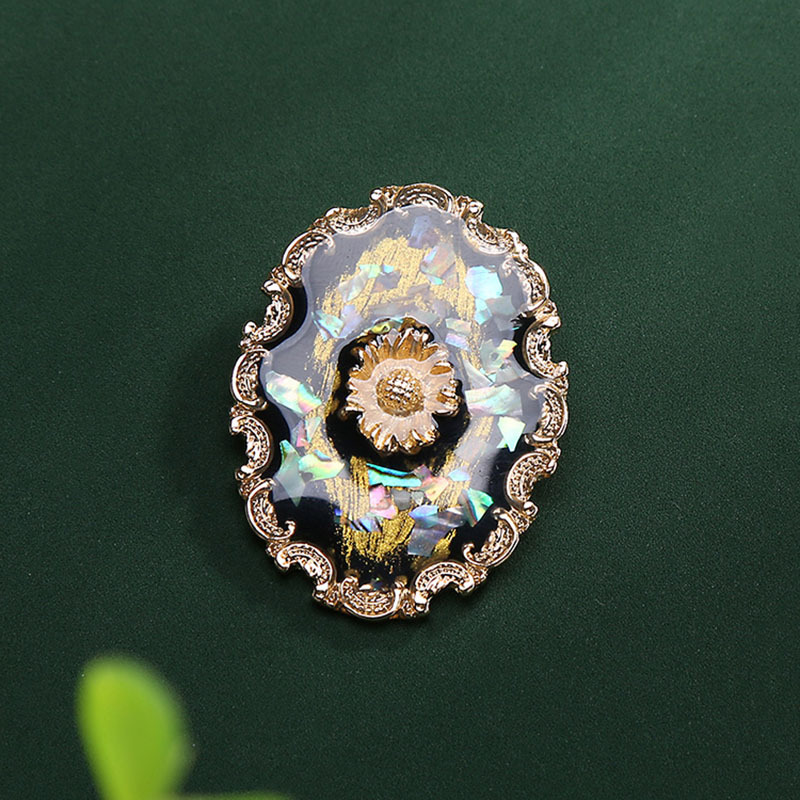
Many contemporary artists choose to incorporate mixed media into their metal flower sculptures. This can include the use of glass, wood, or stone, adding depth and contrast to the metal elements. By combining different materials, artists can create more dynamic and visually interesting pieces that capture the viewer’s attention.
The Significance of Metal Flower Sculptures in Home Decor
Metal flower sculptures have become increasingly popular in home decor, serving as striking focal points in various settings. Their durability and unique aesthetic make them suitable for both indoor and outdoor spaces.
Enhancing Outdoor Spaces
In gardens and patios, metal flower sculptures can add a touch of elegance and whimsy. They can withstand the elements, making them a long-lasting addition to any outdoor space. Many artists create large-scale metal flowers that can serve as eye-catching installations, drawing attention and admiration from visitors. These sculptures can be designed to mimic the natural beauty of flowers, providing a year-round floral display that does not wilt or fade.
Adding Character to Interior Spaces
Inside the home, metal flower sculptures can enhance the decor by adding texture and visual interest. They can be placed on shelves, mantels, or as centerpieces on dining tables. The versatility of metal allows for a wide range of styles, from modern and abstract to traditional and realistic, ensuring that there is a metal flower sculpture to suit any aesthetic. Additionally, the reflective quality of metal can enhance lighting in a room, creating a dynamic interplay of light and shadow.
Creating Your Own Metal Flower Sculptures
For those interested in exploring the art of metal sculpture flowers, creating your own pieces can be a rewarding experience. Here are some steps to get started:
Gather Materials and Tools
Begin by gathering the necessary materials, including metal sheets, welding equipment, and finishing supplies. If you are new to metalworking, consider starting with softer metals like aluminum or copper, which are easier to manipulate. You will also need safety gear, such as gloves and goggles, to protect yourself during the metalworking process.
Design Your Sculpture
Sketch your design on paper, considering the size and shape of the flowers you want to create. Think about how the petals will be shaped and how the stem will support the flower. Planning your design will help streamline the fabrication process. You may also want to consider the overall theme of your sculpture, such as whether you want it to represent a specific type of flower or convey a particular emotion.
Cut and Shape the Metal
Using metal shears or a plasma cutter, cut the metal sheets according to your design. Once the pieces are cut, use tools like hammers and anvils to shape the petals and stems, giving them a more organic appearance. This step requires patience and precision, as the shaping process can significantly impact the final look of your sculpture.
Assemble and Finish
Weld the pieces together, ensuring that the structure is stable. After assembly, apply any desired finishing techniques, such as patinas or paints, to enhance the sculpture’s appearance. Allow the piece to dry completely before displaying it. You may also want to consider adding a protective coating to prevent rust and maintain the sculpture’s appearance over time.
Innovative Trends in Metal Flower Sculptures
As the art of metal sculpture continues to evolve, artists are exploring innovative trends that push the boundaries of traditional metalworking. These trends often incorporate technology, sustainability, and interactive elements.
Kinetic Metal Flowers
One exciting trend in metal flower sculpture is the incorporation of kinetic elements. Artists are designing sculptures that move with the wind or can be manually manipulated, creating a dynamic interaction between the artwork and its environment. Kinetic metal flowers can sway gently in the breeze, adding a sense of life and movement to static gardens or indoor spaces.
Light and Metal
Another innovative approach involves integrating lighting into metal flower sculptures. By incorporating LED lights or other lighting elements, artists can create sculptures that change appearance based on the time of day or the surrounding light conditions. This not only enhances the visual impact of the sculpture but also allows for a more immersive experience for viewers.
Sustainable Practices
With a growing emphasis on sustainability in the art world, many artists are turning to recycled metals and eco-friendly practices. By using materials that would otherwise be discarded, artists can create beautiful sculptures while minimizing their environmental impact. This trend not only promotes sustainability but also adds a unique story to each piece, as the materials often carry their own history.
The Future of Metal Flower Sculptures
As we look to the future, the art of metal flower sculptures is likely to continue evolving. With advancements in technology and materials, artists will have even more tools at their disposal to create innovative and breathtaking works of art. The fusion of traditional craftsmanship with modern techniques will ensure that metal flower sculptures remain a vibrant and relevant form of artistic expression.
Community and Collaboration
The future of metal sculpture flowers may also see increased collaboration among artists, engineers, and designers. By working together, these creative minds can explore new possibilities and push the boundaries of what is achievable in metal sculpture. Community workshops and art collectives can foster an environment of experimentation and innovation, leading to exciting new developments in the field.
Education and Accessibility
As interest in metal sculpture grows, educational programs and workshops are becoming more accessible to aspiring artists. These programs can provide valuable hands-on experience and knowledge, helping to cultivate the next generation of metal sculptors. By making metalworking techniques more widely available, we can inspire more individuals to explore this captivating art form.
Conclusion
Metal sculpture flowers are a beautiful and enduring art form that combines the elegance of nature with the strength of metal. From their historical roots to contemporary practices, these sculptures continue to captivate audiences and enhance spaces. Whether you are an artist or an admirer, the world of metal flower sculptures offers endless possibilities for creativity and expression.
In summary, metal flower sculptures not only serve as stunning decorative pieces but also embody the fusion of craftsmanship and artistic vision. By understanding the techniques and significance behind these works, we can appreciate the artistry involved in creating such unique representations of nature.
How to purchase:Online B2B sourcing platform, China purchase, Chinese suppliers – LooperBuy
Article Summary: This article explores the art of metal sculpture flowers, detailing their history, techniques, and significance in contemporary art and home decor. It provides insights into creating metal flower sculptures, emphasizing the fusion of nature and craftsmanship. The piece highlights the durability and aesthetic appeal of metal flowers, making them a popular choice for both indoor and outdoor settings.
Hot Tags: Metal Sculpture; Flower Art; Contemporary Sculpture; Metalworking Techniques; Home Decor; Outdoor Art; Mixed Media Sculpture; Artistic Expression; Floral Design; Sustainable Art; Welding Techniques; Patina Finishing; Garden Decor; Interior Design; Creative Process; Sculpture Techniques; Artistic Vision; Nature Inspired Art; Metal Flowers; Craftsmanship; Art Installations; DIY Metal Art; Floral Sculptures; Modern Art; Recycled Materials; Artistic Techniques; Sculpture Design; Metal Artistry; Home Accessories; Unique Decor
Related Questions & Answers
· What are the best types of metal to use for outdoor flower sculptures to prevent rust?
Stainless steel and aluminum are excellent choices for outdoor flower sculptures as they are resistant to rust and corrosion.
· How can I add color to metal flower sculptures without using paint?
You can use patinas, which are chemical treatments that change the color of the metal, or incorporate colored glass and other materials into the design.
· What are some innovative designs for metal flower sculptures that incorporate movement or light?
Kinetic sculptures that sway in the wind or incorporate LED lights that change color or intensity are popular innovative designs.
· Can I use recycled materials to create metal flower sculptures?
Yes, many artists use recycled metals and materials to create their sculptures, promoting sustainability and giving new life to discarded items.
· What tools do I need to start creating metal flower sculptures?
Basic tools include metal shears, welding equipment, hammers, anvils, and safety gear like gloves and goggles.