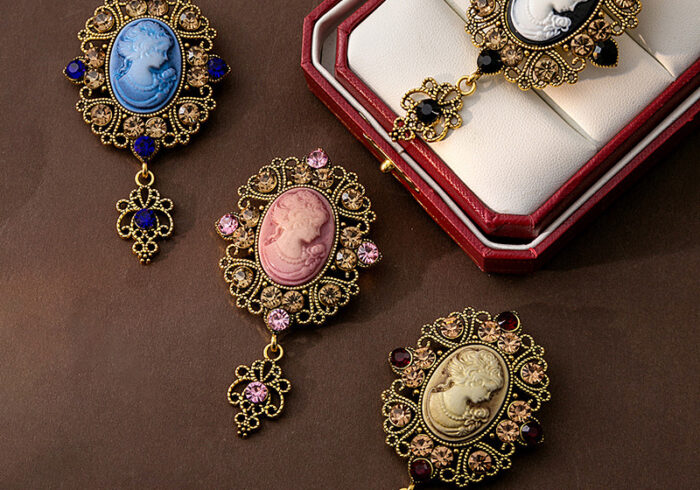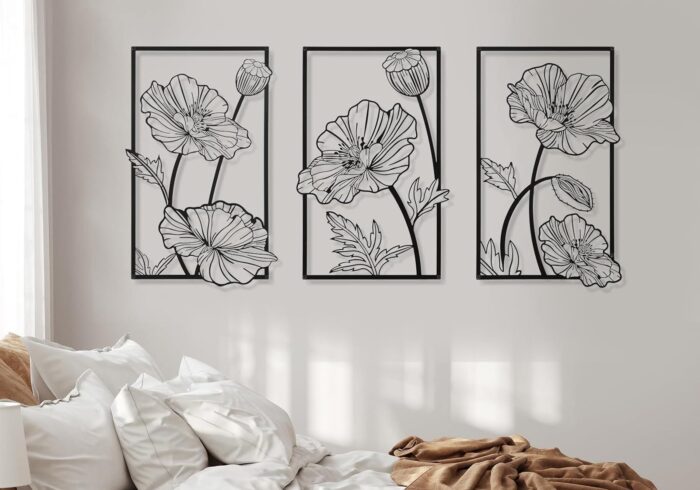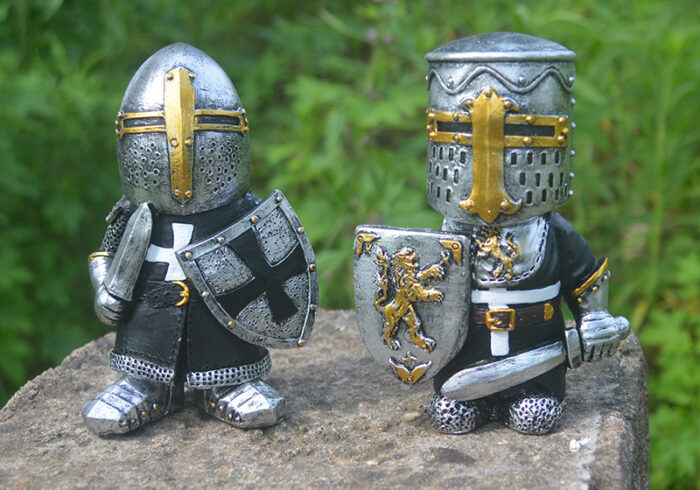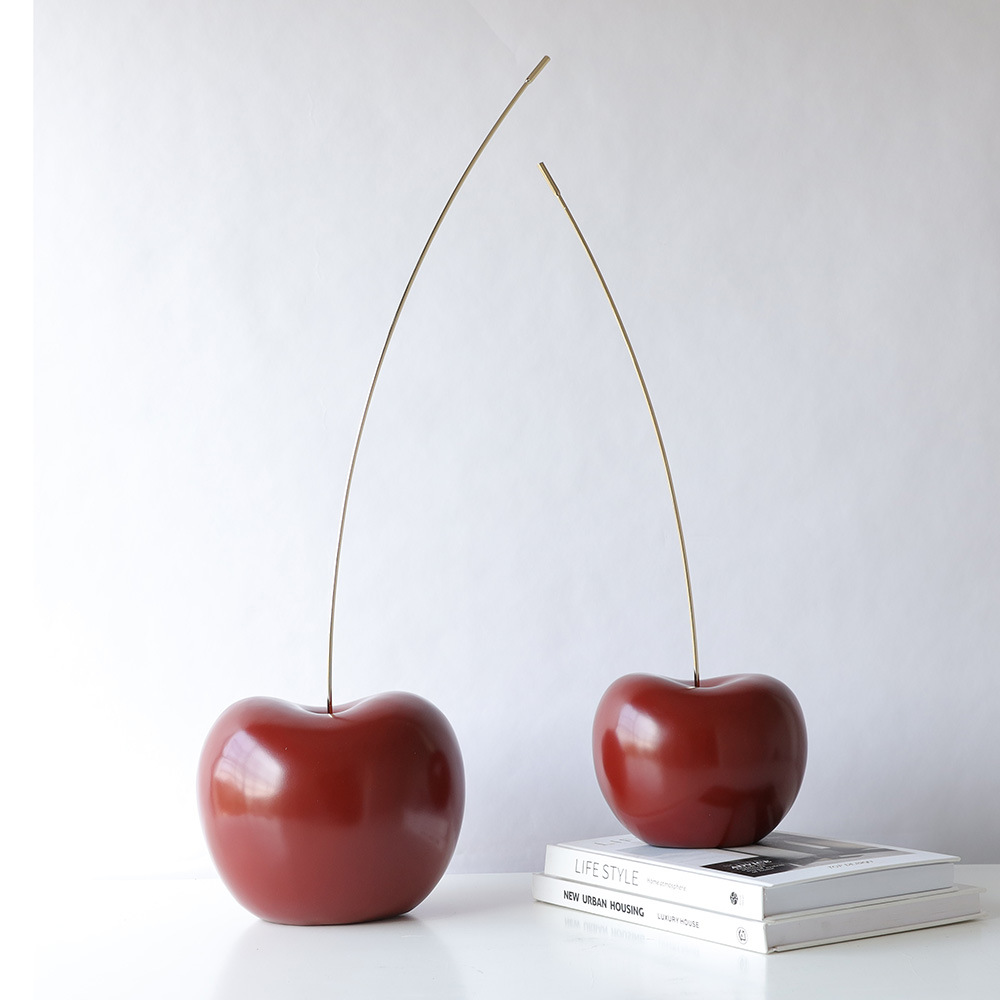
Contemporary metal sculpture has emerged as a captivating form of artistic expression, blending creativity with the raw beauty of metal. This article delves into the world of contemporary metal sculpture, exploring its history, techniques, notable artists, and the impact it has on modern art and society.
Table of Contents
The Evolution of Metal Sculpture
Historical Context
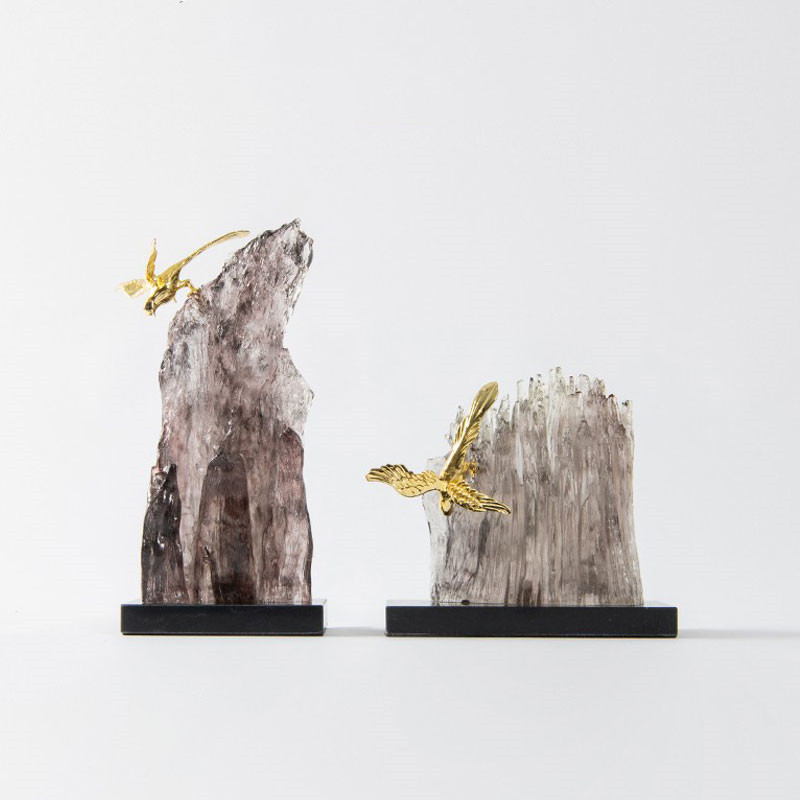
Metal sculpture has a rich history that dates back to ancient civilizations. Early metalworkers utilized bronze and iron to create functional objects and decorative art. The ancient Egyptians, Greeks, and Romans crafted metal sculptures that served both religious and decorative purposes. However, it wasn’t until the 20th century that metal sculpture began to evolve into a distinct art form, characterized by innovative techniques and abstract designs.
The Rise of Contemporary Metal Sculpture
The mid-20th century marked a significant turning point for metal sculpture. Artists began to experiment with new materials and methods, moving away from traditional techniques. The introduction of welding and casting allowed for more complex and dynamic forms. This period saw the emergence of abstract metal sculptures that challenged conventional aesthetics and embraced the idea of art as a form of expression rather than mere representation.
Techniques in Contemporary Metal Sculpture
Welding and Fabrication
Welding is one of the most common techniques used in contemporary metal sculpture. Artists often combine various metal pieces to create intricate designs. This method allows for a high degree of creativity, enabling sculptors to manipulate shapes and forms in ways that were previously impossible. The tools used for welding include MIG (Metal Inert Gas) and TIG (Tungsten Inert Gas) welders, which provide precision and control over the welding process.
Casting
Casting involves pouring molten metal into a mold to create a sculpture. This technique is particularly popular for creating detailed and intricate designs. Artists can produce multiple copies of a sculpture using this method, making it a practical choice for those looking to share their work with a broader audience. The casting process can involve various metals, including bronze, aluminum, and iron, each offering unique properties and finishes.
Mixed Media Approaches
Many contemporary metal sculptors incorporate other materials into their work, such as glass, wood, and stone. This mixed media approach adds depth and texture to the sculptures, creating a more engaging visual experience. The combination of materials can also convey complex themes and emotions, enhancing the overall impact of the artwork. For instance, a sculpture that combines metal and glass might explore themes of fragility and strength, inviting viewers to reflect on the interplay between these contrasting materials.
Digital Fabrication Techniques
In recent years, digital fabrication techniques have gained popularity among contemporary metal sculptors. Artists are increasingly using computer-aided design (CAD) software to create intricate designs that can be precisely executed using laser cutting and 3D printing technologies. This integration of technology allows for greater accuracy and complexity in sculpture creation, enabling artists to push the boundaries of their work. Digital fabrication also opens up new possibilities for collaboration, as artists can work with engineers and technologists to realize their visions.
Patination and Surface Treatments
Another important aspect of contemporary metal sculpture is the treatment of surfaces. Artists often apply patinas to metal sculptures to achieve specific colors and textures. Patination involves the chemical treatment of metal surfaces to create a desired finish, which can range from vibrant hues to subtle earth tones. This process not only enhances the aesthetic appeal of the sculpture but also protects the metal from corrosion. Surface treatments can also include polishing, sanding, and painting, allowing artists to further manipulate the visual qualities of their work.
Notable Contemporary Metal Sculptors
Richard Serra
Richard Serra is one of the most influential contemporary metal sculptors. Known for his large-scale installations, Serra’s work often explores the relationship between space and form. His use of weathering steel creates sculptures that change over time, reflecting the environment around them. Serra’s monumental works, such as “The Matter of Time,” invite viewers to walk through and interact with the sculptures, creating a dynamic experience that engages the senses. Serra’s ability to manipulate space and material has made him a pivotal figure in the world of contemporary art.
Anish Kapoor
Anish Kapoor is renowned for his innovative use of materials and forms. His sculptures often feature polished metal surfaces that reflect their surroundings, creating a dialogue between the artwork and the viewer. Kapoor’s work challenges perceptions of space and reality, inviting viewers to engage with the art on a deeper level. His iconic piece, “Cloud Gate,” also known as “The Bean,” exemplifies this interaction, as its reflective surface distorts the skyline of Chicago and encourages visitors to explore their reflections. Kapoor’s exploration of voids and surfaces has redefined the possibilities of sculpture.
David Smith
David Smith was a pioneer in the field of metal sculpture, known for his abstract forms and use of welded steel. His work often combines geometric shapes with organic forms, creating a dynamic tension that captivates viewers. Smith’s influence can be seen in the work of many contemporary sculptors today. His ability to blend industrial materials with artistic expression paved the way for future generations of artists to explore the possibilities of metal as a medium. Smith’s legacy continues to inspire artists who seek to challenge the boundaries of sculpture.
Other Influential Artists
In addition to Serra, Kapoor, and Smith, many other artists have made significant contributions to contemporary metal sculpture. For instance, Alexander Calder is celebrated for his kinetic sculptures and mobiles, which incorporate movement and balance. His playful approach to metal sculpture has inspired countless artists to explore the potential of motion in their work.
Another notable figure is Louise Nevelson, known for her large-scale assemblages made from found objects and metal. Nevelson’s work often explores themes of identity and memory, using metal to create intricate, shadow-casting forms that invite viewers to engage with their surroundings. Her innovative use of space and light has left a lasting impact on the field of sculpture.
The Impact of Contemporary Metal Sculpture
Cultural Significance
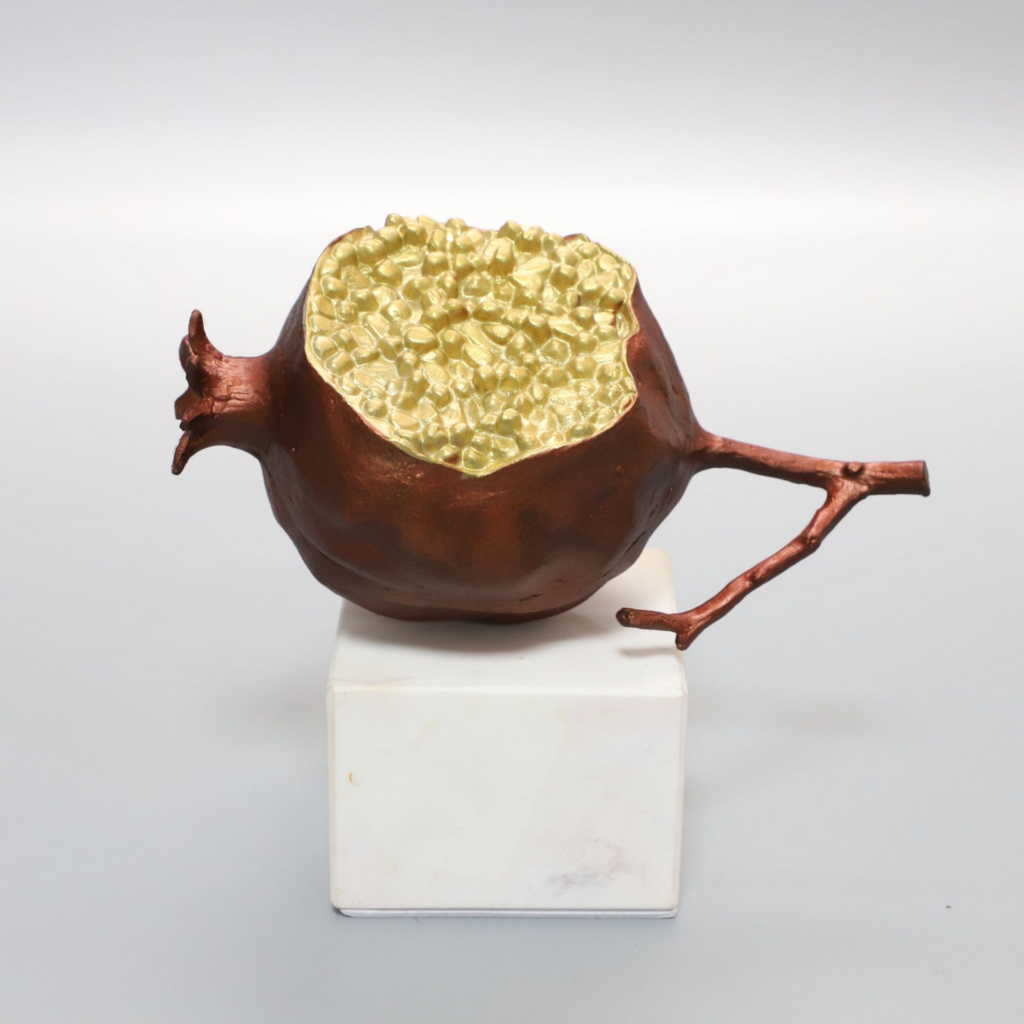
Contemporary metal sculpture plays a vital role in the cultural landscape. It challenges traditional notions of art and encourages viewers to think critically about the world around them. Sculptures often address social and political issues, making them powerful tools for commentary and reflection. For example, many artists use their work to comment on environmental degradation, social justice, and the human experience, prompting viewers to engage with these pressing issues. The ability of metal sculpture to convey complex narratives makes it a significant medium in contemporary art.
Public Art and Urban Spaces
Many contemporary metal sculptures are installed in public spaces, transforming urban environments into open-air galleries. These installations not only beautify the surroundings but also engage the community, fostering a sense of connection and dialogue among residents. Public art has the power to inspire and provoke thought, making it an essential aspect of contemporary culture. Sculptures in parks, plazas, and city streets invite interaction and create a shared experience for all who encounter them. The presence of art in public spaces can enhance community identity and pride, making it a vital component of urban planning.
Environmental Considerations
As artists become more aware of environmental issues, many are incorporating sustainable practices into their work. This includes using recycled materials and creating sculptures that reflect themes of nature and conservation. Contemporary metal sculpture can serve as a reminder of the importance of protecting our planet and the resources it provides. Artists like Chris Jordan use their work to highlight the impact of consumerism on the environment, encouraging viewers to reconsider their relationship with the natural world. The integration of sustainability into art practices reflects a growing awareness of the interconnectedness of art and environmental stewardship.
Challenges in Preserving Outdoor Metal Sculptures
While contemporary metal sculptures can enhance public spaces, they also face challenges related to preservation. Outdoor sculptures are exposed to the elements, which can lead to corrosion, fading, and structural damage over time. Regular maintenance is essential to ensure the longevity of these artworks. This may involve cleaning, applying protective coatings, and addressing any structural issues that arise. Additionally, artists and curators must consider the environmental impact of their materials and methods, striving to create works that are both beautiful and sustainable. The preservation of outdoor sculptures is a collaborative effort that often involves artists, conservators, and local communities.
The Role of Metal Sculpture in Urban Regeneration
Metal sculpture plays a significant role in urban regeneration projects, where art is used to revitalize neglected areas and foster community engagement. By incorporating large-scale sculptures into urban design, cities can create vibrant public spaces that attract visitors and residents alike. These projects often involve collaboration between artists, architects, and city planners, resulting in cohesive designs that reflect the unique character of the community. Metal sculptures can serve as landmarks, drawing attention to the area and encouraging economic development. The integration of art into urban planning can transform spaces, making them more inviting and accessible.
Emerging Trends in Metal Sculpture
The field of contemporary metal sculpture is constantly evolving, with new trends emerging as artists explore innovative techniques and concepts. One notable trend is the use of technology in sculpture creation. Artists are increasingly incorporating digital tools, such as 3D modeling and printing, to design and fabricate their works. This fusion of technology and traditional craftsmanship opens up new possibilities for artistic expression.
Another trend is the exploration of interactive sculptures that invite viewer participation. These works often incorporate movement, sound, or light, creating an immersive experience that engages the audience on multiple levels. Artists are also experimenting with ephemeral sculptures, using materials that change or degrade over time, prompting reflections on impermanence and the passage of time. This exploration of temporality challenges viewers to consider the fleeting nature of art and existence.
Conclusion
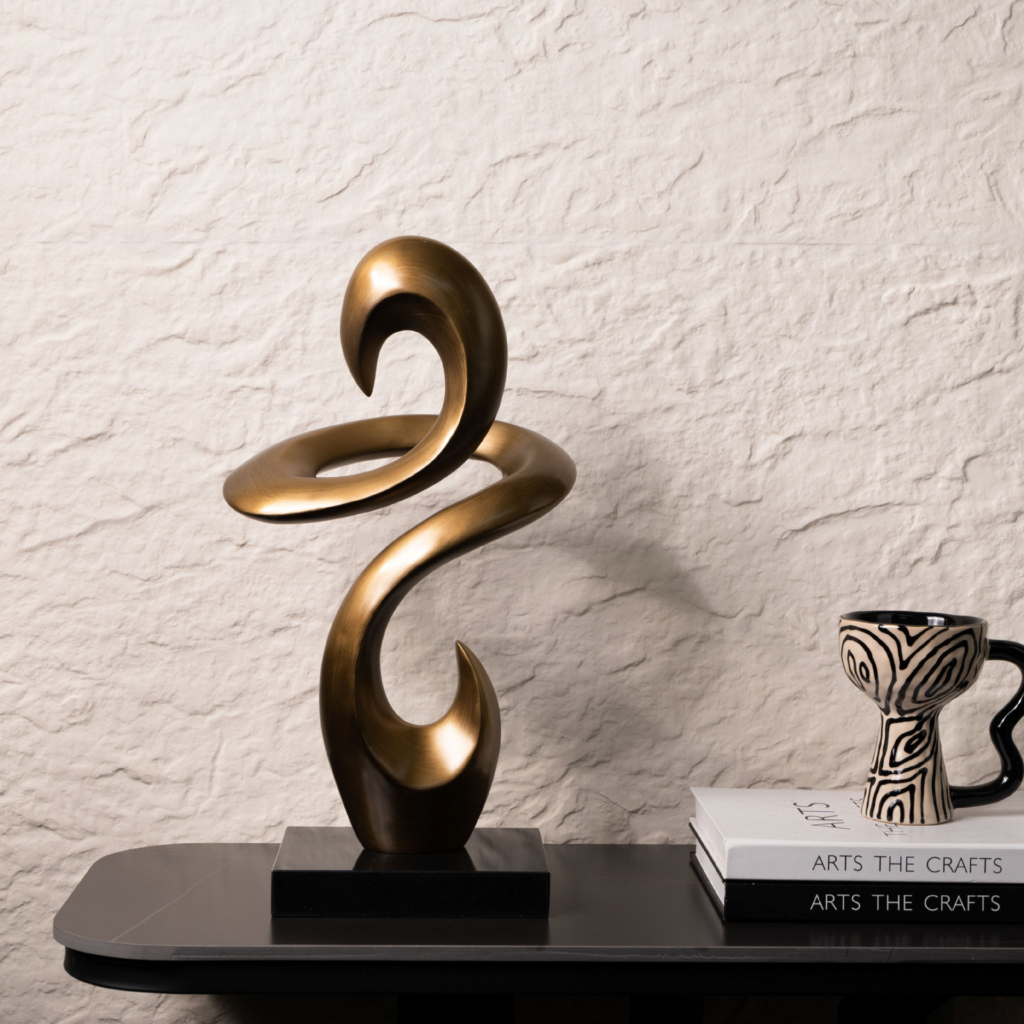
Contemporary metal sculpture is a dynamic and evolving art form that continues to captivate audiences around the world. Through innovative techniques and thought-provoking themes, artists are pushing the boundaries of what sculpture can be. As we explore this fascinating medium, we gain a deeper appreciation for the creativity and craftsmanship that goes into each piece. The interplay of metal, form, and meaning in contemporary sculpture invites us to reflect on our surroundings and the world we inhabit.
How to purchase:Online B2B sourcing platform, China purchase, Chinese suppliers – LooperBuy
Frequently Asked Questions
1. What materials are commonly used in contemporary metal sculpture?
Contemporary metal sculptures are typically made from materials such as steel, aluminum, bronze, and copper. Artists may also incorporate mixed media elements like glass and wood.
2. How do artists create large-scale metal sculptures?
Artists often use welding and fabrication techniques to assemble large-scale sculptures. They may also employ casting methods to create specific forms and details.
3. What themes are commonly explored in contemporary metal sculpture?
Contemporary metal sculpture often addresses themes such as identity, nature, social issues, and the relationship between space and form. Artists use their work to provoke thought and inspire dialogue.
4. How has contemporary metal sculpture influenced public art?
Contemporary metal sculpture has transformed public spaces by introducing engaging and thought-provoking artworks. These installations foster community interaction and enhance the cultural landscape of urban environments.
5. Are there any environmental considerations in contemporary metal sculpture?
Many contemporary metal sculptors are increasingly aware of environmental issues and incorporate sustainable practices into their work, such as using recycled materials and addressing themes of conservation.
6. What are the primary challenges in preserving outdoor metal sculptures?
Outdoor metal sculptures face challenges such as corrosion and structural damage due to exposure to the elements. Regular maintenance, including cleaning and protective coatings, is essential for their preservation.
HOT TAG: contemporary metal sculpture, modern art techniques, abstract metal art, public art installations, urban regeneration projects, environmental sustainability in art, mixed media sculpture, Richard Serra influence, Anish Kapoor reflections, David Smith legacy, interactive metal sculptures, digital fabrication in sculpture, welding and casting techniques, preserving outdoor sculptures, community engagement through art, cultural significance of metal art, innovative sculpture design, contemporary artists, art and technology integration, metal sculpture trends, artistic expression in metal, environmental themes in sculpture, urban art transformation, metalworking craftsmanship, art as social commentary.