Table of Contents
Introduction
In an increasingly interconnected world, global shipping plays a pivotal role in facilitating international trade and commerce. As businesses expand their reach across borders, the demand for efficient and reliable shipping solutions has never been greater. This article delves into the current trends, challenges, and innovations shaping the future of global shipping, providing insights into how companies can navigate this complex landscape.
The Current Landscape of Global Shipping
The Rise of E-commerce
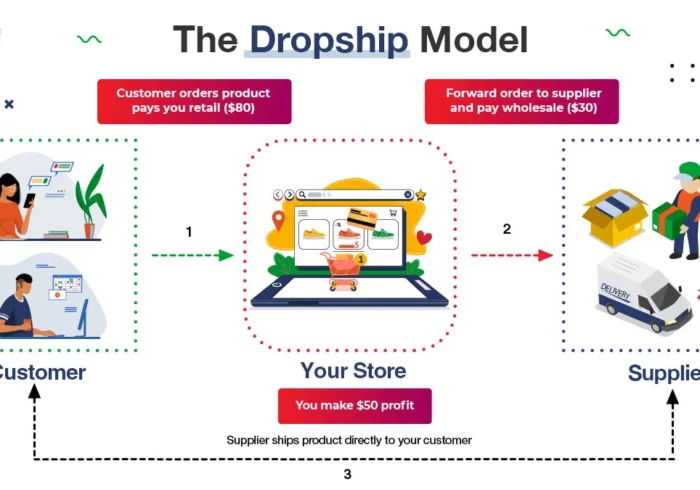
The surge in e-commerce has significantly transformed the global shipping industry. With consumers increasingly opting for online shopping, businesses are compelled to adapt their shipping strategies to meet the growing demand for fast and reliable delivery. Major players like Amazon have set high standards for shipping speed and efficiency, prompting other companies to follow suit. This shift has led to the emergence of various shipping models, including same-day delivery and drop shipping, which have become essential for staying competitive in the market.
E-commerce has also led to a diversification of shipping options. Consumers now expect a variety of delivery choices, from standard shipping to express options, and even click-and-collect services. This demand for flexibility has pushed logistics companies to innovate and offer tailored solutions that cater to different customer needs. As a result, businesses are investing in technology to streamline their operations and enhance the customer experience.
Sustainability in Shipping
As environmental concerns continue to rise, sustainability has become a critical focus for the shipping industry. Companies are increasingly adopting eco-friendly practices to reduce their carbon footprint. This includes investing in cleaner technologies, optimizing shipping routes, and utilizing alternative fuels. The International Maritime Organization (IMO) has set ambitious targets for reducing greenhouse gas emissions from shipping, pushing companies to innovate and implement sustainable practices.
The shift towards sustainability is not just a regulatory requirement; it is also driven by consumer demand. More customers are choosing to support brands that prioritize environmental responsibility. As a result, shipping companies are exploring options such as electric and hybrid vessels, biofuels, and carbon offset programs. These initiatives not only help reduce emissions but also enhance a company’s brand image and appeal to environmentally conscious consumers.
Technological Advancements
Technology is revolutionizing the global shipping landscape. The integration of advanced technologies such as artificial intelligence (AI), blockchain, and the Internet of Things (IoT) is enhancing operational efficiency and transparency. AI algorithms are being used to optimize shipping routes and predict demand, while blockchain technology is improving supply chain visibility and security. These innovations are not only streamlining operations but also providing customers with real-time tracking and updates, enhancing their overall experience.
Moreover, the use of IoT devices allows for better monitoring of shipments throughout the supply chain. Sensors can track temperature, humidity, and location, ensuring that goods are transported under optimal conditions. This is particularly important for perishable items and pharmaceuticals, where maintaining the integrity of the product is crucial. By leveraging these technologies, companies can minimize losses and improve customer satisfaction.
Challenges Facing the Global Shipping Industry
Supply Chain Disruptions
The COVID-19 pandemic exposed vulnerabilities in global supply chains, leading to significant disruptions in shipping operations. Lockdowns, port closures, and labor shortages resulted in delays and increased shipping costs. As the world recovers from the pandemic, companies must develop strategies to build more resilient supply chains that can withstand future disruptions. This may involve diversifying suppliers, increasing inventory levels, and investing in technology to enhance supply chain visibility.
In addition to pandemics, geopolitical tensions and natural disasters can also disrupt shipping routes and operations. Companies need to be proactive in assessing risks and developing contingency plans. This includes establishing alternative supply routes and maintaining good relationships with multiple suppliers to ensure continuity in operations.
Regulatory Compliance
Navigating the complex web of international regulations is another challenge for global shipping companies. Compliance with various customs regulations, trade agreements, and environmental standards can be daunting. Companies must stay informed about changing regulations and ensure that their operations align with legal requirements. Failure to comply can result in costly fines and delays, underscoring the importance of effective compliance management.
To address these challenges, many companies are investing in compliance management systems that automate the tracking of regulatory changes and ensure adherence to international standards. This not only reduces the risk of non-compliance but also streamlines the documentation process, making it easier to manage shipments across borders.
Rising Shipping Costs
The cost of shipping has been on the rise due to various factors, including increased fuel prices, labor shortages, and supply chain disruptions. These rising costs can significantly impact businesses, particularly small and medium-sized enterprises (SMEs) that may struggle to absorb these expenses. Companies must explore cost-effective shipping solutions, such as consolidating shipments and negotiating better rates with carriers, to remain competitive in the market.
Additionally, companies are increasingly looking at technology to help manage and reduce shipping costs. Advanced analytics can provide insights into shipping patterns and costs, allowing businesses to make informed decisions about their logistics strategies. By optimizing routes and consolidating shipments, companies can reduce their overall shipping expenses while maintaining service quality.
Innovations Shaping the Future of Global Shipping
Automation and Robotics
Automation is set to play a crucial role in the future of global shipping. The use of robotics in warehouses and fulfillment centers is streamlining operations and reducing labor costs. Automated systems can efficiently handle tasks such as sorting, packing, and loading, allowing companies to process orders more quickly. Additionally, autonomous vehicles and drones are being explored for last-mile delivery, offering the potential for faster and more efficient shipping solutions.
The implementation of automated guided vehicles (AGVs) in warehouses is becoming increasingly common. These vehicles can transport goods within the facility, reducing the need for manual labor and increasing efficiency. Furthermore, the use of drones for delivery is gaining traction, particularly in remote areas where traditional delivery methods may be less feasible. As technology continues to advance, the potential for automation in shipping will only grow.
Digital Platforms and Marketplaces
The rise of digital platforms and marketplaces is transforming how shipping services are offered and accessed. Companies can now leverage online platforms to connect with carriers, compare rates, and book shipments seamlessly. These platforms enhance transparency and competition in the shipping industry, enabling businesses to make informed decisions about their shipping needs. Furthermore, digital marketplaces are facilitating cross-border trade, allowing small businesses to reach global customers more easily.
These digital solutions are not only beneficial for businesses but also for consumers. Enhanced tracking capabilities and real-time updates provide customers with greater visibility into their shipments, improving their overall experience. As more companies adopt these digital tools, the shipping industry will become more efficient and customer-centric.
Data Analytics and Predictive Modeling
Data analytics is becoming increasingly important in the shipping industry. Companies are harnessing the power of big data to gain insights into customer behavior, shipping patterns, and market trends. Predictive modeling allows businesses to anticipate demand fluctuations and optimize their shipping strategies accordingly. By leveraging data analytics, companies can enhance their operational efficiency and improve customer satisfaction.
For instance, predictive analytics can help companies forecast peak shipping periods, allowing them to adjust their logistics strategies in advance. This proactive approach can minimize delays and ensure that customers receive their orders on time. Additionally, data analytics can identify inefficiencies in the supply chain, enabling companies to make data-driven decisions that enhance overall performance.
Blockchain Technology in Shipping
Blockchain technology is emerging as a game-changer in the global shipping industry. By providing a decentralized and secure ledger for transactions, blockchain enhances transparency and traceability in the supply chain. This technology allows all parties involved in the shipping process to access real-time information about the status of shipments, reducing the risk of fraud and errors.
Moreover, blockchain can streamline documentation processes, such as bills of lading and customs declarations. By digitizing these documents and storing them on a blockchain, companies can reduce paperwork and expedite customs clearance. This not only saves time but also minimizes the risk of delays caused by lost or misplaced documents.
The Role of Artificial Intelligence
Artificial intelligence (AI) is increasingly being integrated into shipping operations to enhance decision-making and efficiency. AI algorithms can analyze vast amounts of data to identify patterns and trends, enabling companies to optimize their logistics strategies. For example, AI can predict demand for specific products, allowing businesses to adjust their inventory levels and shipping schedules accordingly.
Additionally, AI-powered chatbots are being used to improve customer service in the shipping industry. These chatbots can handle inquiries, provide tracking information, and assist with booking shipments, freeing up human resources for more complex tasks. As AI technology continues to evolve, its applications in shipping will expand, leading to even greater efficiencies.
Conclusion
The future of global shipping is characterized by rapid changes driven by e-commerce growth, sustainability initiatives, and technological advancements. While challenges such as supply chain disruptions and rising costs persist, innovations in automation, digital platforms, and data analytics offer promising solutions. As the shipping industry continues to evolve, companies that embrace these changes and adapt their strategies will be well-positioned to thrive in the global marketplace.
As the global shipping landscape continues to evolve, ensuring efficient and sustainable delivery solutions is more important than ever for your business. Discover how you can enhance your shopping experience and streamline your logistics with LooperBuy today! Visit LooperBuy.
Article Summary
This article explores the evolving landscape of global shipping, highlighting the impact of e-commerce, sustainability, and technological advancements. It discusses the challenges faced by the industry, including supply chain disruptions and rising costs, while also showcasing innovations such as automation, blockchain, and AI that are shaping the future of shipping. Companies that adapt to these changes will be better equipped to succeed in the competitive global market.
Hot Tags: Global Shipping; E-commerce; Supply Chain Management; Sustainable Shipping; Shipping Innovations; Logistics Technology; Shipping Costs; Automation in Shipping; Blockchain in Logistics; Last-Mile Delivery; International Trade; Shipping Regulations; Freight Forwarding; Shipping Solutions; Digital Marketplaces; Predictive Analytics; Shipping Industry Trends; Environmental Impact; Shipping Efficiency; Global Trade; Shipping Challenges; Warehouse Automation; Robotics in Shipping; Data-Driven Shipping; Cross-Border Trade; Shipping Strategies; Carrier Management; Shipping Technology; Freight Rates; Supply Chain Resilience
Related Questions & Answers
· What are the most effective strategies for mitigating supply chain disruptions in global shipping?
Effective strategies include diversifying suppliers, maintaining safety stock, and investing in technology for better visibility and risk assessment.
· How can companies leverage data analytics to optimize shipping routes and reduce costs?
Companies can use data analytics to analyze shipping patterns, forecast demand, and identify the most efficient routes, ultimately reducing costs and improving delivery times.
· What are the key performance indicators (KPIs) for measuring efficiency in global shipping operations?
Key performance indicators include on-time delivery rates, shipping costs per unit, order accuracy, and customer satisfaction scores.
· What role does customer feedback play in shaping shipping practices?
Customer feedback is crucial for identifying areas for improvement, allowing companies to adjust their shipping practices to better meet customer expectations and enhance satisfaction.
· How can companies ensure compliance with international shipping regulations?
Companies can ensure compliance by staying informed about regulatory changes, investing in compliance management systems, and training staff on relevant regulations and best practices.