The landscape of the publishing industry has undergone a seismic shift over the last decade. Historically, authors and small publishers were tethered to the traditional “print and pray” model, which required significant upfront investments in thousands of copies, warehouse storage, and complex logistics. Today, the emergence of book printing drop shipping has democratized the world of literature. This innovative business model, often synonymous with print-on-demand (POD), allows creators to list books for sale and only have them printed and shipped once a customer makes a purchase. By eliminating the need for inventory and reducing financial risk, this model has empowered a new generation of “author-preneurs” to bring their visions to life with professional quality and global reach.

Table of Contents
Understanding the Mechanics of the Book Printing Drop Shipping Model
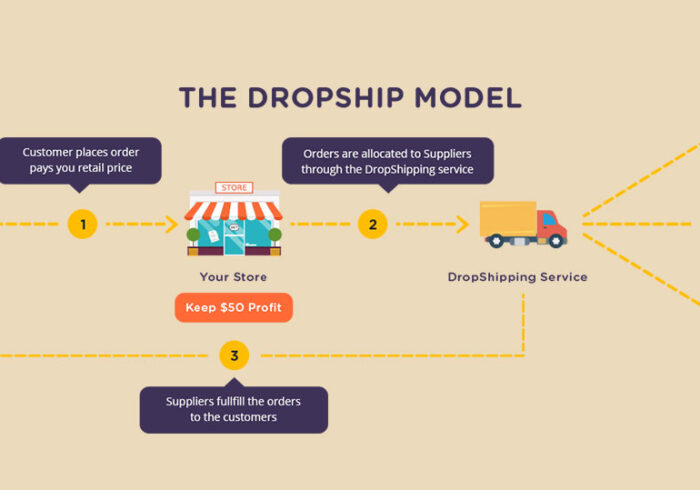
To truly master this industry, one must understand how book printing drop shipping differs from traditional retail and general drop shipping. In a standard drop shipping setup, a retailer sells a product that already exists in a supplier’s warehouse. In book printing drop shipping, the product technically does not exist until the order is placed. This nuance is critical because it shifts the focus from inventory management to file management and digital distribution.
The Synergy Between Print-on-Demand and Drop Shipping
The engine driving this industry is Print-on-Demand (POD) technology. Modern digital printers can now produce high-quality paperbacks and hardcovers with the same speed and precision as traditional offset presses, but without the need for expensive plates. When you integrate POD with a drop shipping fulfillment system, you create a seamless workflow: the customer orders from your website or a marketplace like Amazon, the order is automatically routed to a printing facility nearest the customer, the book is printed, and it is shipped directly to the reader’s doorstep under your brand name.
White-Labeling and Brand Identity
One of the most powerful features of modern book printing drop shipping services is the ability to “white-label” your products. Professional fulfillment partners allow you to include custom packing slips, stickers, or even branded inside-cover printing. This ensures that the customer perceives the book as coming directly from your publishing house rather than a third-party factory. Maintaining this brand consistency is vital for building long-term reader loyalty and establishing authority in a specific niche.
Top Platforms for Book Printing and Global Distribution
Choosing the right partner is perhaps the most significant decision you will make. Each platform offers different advantages, from royalty rates to the types of bindings available.
Amazon Kindle Direct Publishing (KDP)
Amazon KDP is the undisputed giant of the self-publishing world. Its primary advantage is its direct integration with the world’s largest bookstore. When you use KDP for book printing drop shipping, your book is automatically eligible for Prime shipping in many regions, and you gain access to powerful marketing tools like Amazon Advertising. However, KDP is primarily a “closed” ecosystem; while you can sell elsewhere, the best margins and features are reserved for sales on Amazon’s own platform.
IngramSpark and the Power of Global Distribution
If your goal is to see your book in physical bookstores, libraries, and independent shops, IngramSpark is the gold standard. As a subsidiary of Ingram Content Group—the world’s largest book wholesaler—IngramSpark places your title in the catalogs that professional buyers use. Their drop shipping model is robust, allowing you to ship books to customers worldwide while utilizing a massive network of printing facilities in the US, UK, Australia, and Europe. This geographic spread significantly reduces shipping times and carbon footprints.
Specialized Niche Providers: Lulu and Bookvault
For authors who want more control over their own webstore (using platforms like Shopify or WooCommerce), providers like Lulu and Bookvault offer excellent integrations. Bookvault, in particular, has gained popularity for its competitive “cost-per-copy” pricing and its seamless connection to Shopify, which allows authors to keep more of their profit by selling directly to fans rather than through a marketplace that takes a 30-40% commission.
Technical Requirements for Professional-Grade Book Production
One of the biggest hurdles for newcomers is the technical complexity of file preparation. Because the printing is automated, your digital files must be perfect to ensure the physical result meets industry standards.
Mastering Interior Layout and Typography
A professional book interior is more than just a Word document converted to PDF. You must account for “gutters”—the extra margin on the inside of the page that prevents text from disappearing into the binding. Standard industry practice recommends at least a 0.5-inch margin on the outside edges and a variable gutter depending on the page count. High-resolution typography is also essential; all fonts must be embedded in the PDF to prevent “substitution errors” during the printing process.
The Art of Cover Design: Bleeds and Spines
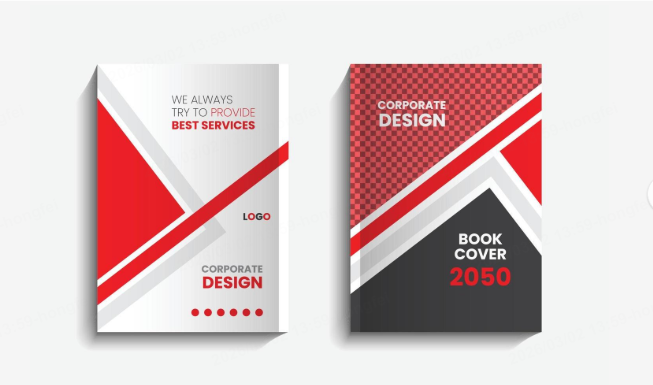
The book cover is your most important marketing tool, but it is also the most technically demanding file. Most book printing drop shipping services require a single PDF spread that includes the back cover, the spine, and the front cover. You must calculate the spine width accurately based on the paper weight and page count. Additionally, “bleed” areas (usually 0.125 inches) must be added to all sides to ensure that when the book is trimmed, no white slivers appear at the edges of your artwork.
Color Profiles and Image Resolution
Digital printers typically operate using the CMYK color model (Cyan, Magenta, Yellow, Black). If you design your cover in RGB (Red, Green, Blue)—the standard for digital screens—the printed colors may look dull or shifted. Furthermore, every image within the book should be at least 300 DPI (dots per inch). Anything less will result in pixelation, which immediately signals to the reader that the book was not professionally produced.
Strategies for Profit Optimization and Marketing
In a drop shipping model, your margins are the difference between your retail price and the “base cost” of printing and shipping. Because POD costs per unit are higher than bulk offset printing, you must be strategic to stay profitable.
Finding High-Value Niches
Success in book printing drop shipping often comes from “niche-ing down.” Instead of writing a generic “Cookbook,” consider a “Ketogenic Slow-Cooker Guide for Busy Nurses.” Specialized audiences are less price-sensitive and more likely to buy a book that solves a specific problem or caters to a deep passion. This allows you to set a premium price, covering your POD costs while still leaving a healthy profit margin of $5 to $10 per book.
Leveraging Direct-to-Consumer (DTC) Sales
While Amazon is great for discovery, selling directly from your own website is the path to maximum profit. By using a Shopify store integrated with a printer like Bookvault or Lulu, you capture the customer’s email address—something Amazon does not provide. This allows you to build a marketing list for future releases, up-sell digital products, or offer “signed” copies (which you can facilitate by having a small stock at home while drop shipping the rest).
Search Engine Optimization (SEO) for Authors
Just like any e-commerce product, your book needs to be findable. This involves keyword research for your title, subtitle, and metadata. Using tools to find high-volume, low-competition keywords ensures that when a reader searches for a specific topic, your book appears on the first page of results. Don’t forget to optimize your “A+ Content” (the descriptive images and text on your sales page) to convert browsers into buyers.
Overcoming Challenges in the Drop Shipping Industry
Despite its many advantages, this model is not without its hurdles. Quality control and shipping logistics are the two primary areas where things can go wrong.
Ensuring Consistent Print Quality
Since you never see the book before it reaches the customer, you are relying entirely on your partner’s quality control. Occasional “printing artifacts” or binding errors are inevitable. The best way to mitigate this is to order “proof copies” frequently and to choose suppliers with high reputations. If a customer receives a damaged book, your fulfillment partner should have a clear policy for a free replacement, which protects your brand’s reputation.
Managing Global Shipping Expectations
In a world of “next-day delivery,” the 3-5 day production time for POD books can be a deterrent for some customers. Transparency is key. Clearly state on your website that each book is custom-printed to ensure quality and sustainability. Highlighting the eco-friendly nature of drop shipping (reduced waste from unsold stock) can actually turn a potential negative into a brand-building positive.
Conclusion
Book printing drop shipping represents the ultimate intersection of creativity and commerce. It has removed the gatekeepers of traditional publishing, allowing anyone with a story or specialized knowledge to compete on a global stage. By mastering the technical requirements of file design, choosing the right distribution partners, and focusing on high-value niches, you can build a scalable, low-risk business that turns digital manuscripts into physical legacies. While the margins may be thinner than bulk printing, the freedom, scalability, and lack of inventory risk make it the most viable path for the modern independent creator.
Unlock the full potential of your independent publishing career and start shipping professional-grade books to a global audience today by choosing the reliable, high-margin fulfillment solutions at https://looperbuy.com/.
Article Summary:
This article provides an in-depth guide to the book printing drop shipping model, covering everything from platform selection (Amazon KDP vs. IngramSpark) to technical file specifications and profit-maximizing marketing strategies for independent authors and entrepreneurs in 2026.
Related Questions & Answers
· What is the main difference between book drop shipping and traditional publishing?
Traditional publishing involves printing large batches of books upfront and storing them in warehouses, which carries high financial risk. Book drop shipping uses print-on-demand technology to produce and ship books only after a sale is made, requiring zero inventory and minimal upfront investment.
· Do I need my own ISBN for drop shipping books?
While platforms like Amazon KDP provide a free ISBN, it often lists them as the publisher. For professional branding and broader distribution through IngramSpark, it is highly recommended to purchase your own ISBN so you are recognized as the publisher of record across all global databases.
· How do I handle returns in a book drop shipping model?
Most POD suppliers do not accept returns unless the book is physically defective. Therefore, you should set a clear return policy on your website. Many authors choose to offer a refund or a free replacement for damaged goods while allowing the customer to keep the original copy to save on return shipping costs.
· What are the best file formats for book printing?
The industry standard is a high-resolution (300 DPI) PDF. You generally need two separate files: an interior PDF with all fonts embedded and a cover PDF spread that includes the front, back, and spine, designed with appropriate bleed and CMYK color settings.
· Can I sell drop shipped books on my own Shopify or WooCommerce store?
Yes, several printers like Bookvault, Lulu, and Printful offer direct apps or API integrations for Shopify and WooCommerce. This allows for automated order fulfillment where your store sends the order directly to the printer without any manual intervention.
Hot Tags:
Self-Publishing; Print On Demand; Book Dropshipping; Amazon KDP; IngramSpark; Book Marketing; Indie Author; Publishing Industry; E-commerce Business; Passive Income; Book Design; Cover Layout; Typography; CMYK Printing; Global Distribution; Author Entrepreneur; Shopify Integration; WooCommerce Books; Niche Publishing; Hardcover Printing; Paperback Production; ISBN Registration; Digital Printing; White Label Fulfillment; Creative Business; Professional Publishing; Quality Control; Shipping Logistics; Direct To Consumer; Marketing SEO