In today’s fast-paced world, children’s toys have evolved significantly, reflecting changes in technology, education, and play patterns. Modern children’s toys are not just about entertainment; they are designed to foster creativity, learning, and social interaction. This article delves into the latest trends in children’s toys, highlighting how they cater to the needs of today’s kids while also considering safety and educational value.
Table of Contents
The Evolution of Children’s Toys
From Traditional to Technological
Historically, children’s toys were simple and often made from natural materials like wood or cloth. However, the advent of technology has transformed the toy industry. Today, toys often incorporate advanced features such as interactive elements, digital interfaces, and even artificial intelligence. For instance, robotic toys can respond to voice commands, while educational apps enhance traditional play experiences. This shift not only makes playtime more engaging but also helps children develop essential skills in a fun and interactive way.
The Role of Educational Toys
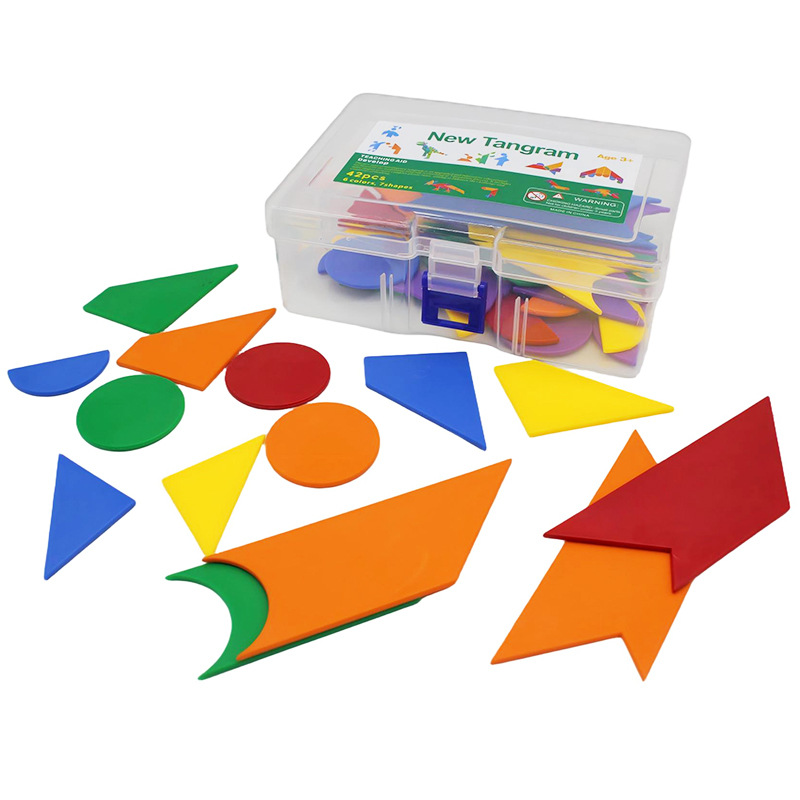
Modern parents are increasingly seeking toys that provide educational benefits. Toys that promote STEM (Science, Technology, Engineering, and Mathematics) learning are particularly popular. These toys encourage problem-solving and critical thinking skills. For example, building sets like LEGO not only entertain but also teach children about engineering concepts and spatial awareness. Furthermore, educational toys often come with guided activities that help children learn through play, making the learning process enjoyable and effective.
Key Trends in Modern Children’s Toys
Eco-Friendly Materials
As environmental awareness grows, many toy manufacturers are shifting towards sustainable practices. Eco-friendly toys made from recycled materials or sustainably sourced wood are becoming more common. Parents are more inclined to purchase toys that are safe for their children and the planet. This trend not only supports environmental sustainability but also instills values of responsibility and care for the environment in children. By choosing eco-friendly toys, parents can teach their children the importance of sustainability from a young age.
Interactive and Smart Toys
The rise of smart technology has led to the creation of interactive toys that engage children in new ways. These toys often connect to smartphones or tablets, allowing for a more immersive play experience. For example, some dolls can interact with children through voice recognition, responding to questions and engaging in conversations. This interactivity can enhance learning and make playtime more engaging. Additionally, smart toys can track a child’s progress and adapt to their learning pace, providing personalized experiences that cater to individual needs.
Customization and Personalization
Today’s children enjoy toys that reflect their individuality. Customizable toys, such as dolls with interchangeable outfits or building sets that can be designed in various ways, allow kids to express their creativity. This trend not only enhances play but also encourages children to think outside the box. Personalization can also foster a sense of ownership and pride in their toys, making playtime more meaningful. Moreover, toys that allow for customization can help children develop decision-making skills as they choose how to modify their playthings.
The Importance of Play in Child Development
Cognitive Development
Play is crucial for cognitive development in children. Engaging with toys that challenge their thinking helps improve memory, attention, and problem-solving skills. Toys that require strategic thinking, such as puzzles and board games, are excellent for developing these skills. Research shows that children who engage in complex play scenarios tend to develop better critical thinking abilities and creativity. Furthermore, playtime allows children to explore concepts such as cause and effect, which are fundamental to their understanding of the world.
Social Skills and Emotional Intelligence
Playing with others is essential for developing social skills. Toys that encourage group play, such as board games or team-based activities, help children learn to cooperate, share, and communicate effectively. Additionally, role-playing toys, like play kitchens or doctor kits, allow children to explore different social roles and develop empathy. Through imaginative play, children can express their feelings and understand the emotions of others, which is vital for emotional intelligence. This social interaction is crucial for building confidence and self-esteem, as children learn to navigate relationships with their peers.
Physical Development
Many modern toys also promote physical activity. Outdoor toys, such as scooters and bikes, encourage children to be active, which is vital for their physical health. Toys that require fine motor skills, like building blocks or art supplies, help improve hand-eye coordination and dexterity. Engaging in physical play not only supports physical health but also contributes to overall well-being and happiness. Active play is essential for developing gross motor skills, balance, and coordination, which are important for children’s growth and development.
Safety Considerations in Modern Toy Design
Regulatory Standards
With the increasing complexity of toys, safety has become a paramount concern. Manufacturers must adhere to strict safety regulations to ensure that toys are free from harmful materials and designed to prevent accidents. Parents should look for toys that meet safety standards set by organizations such as the Consumer Product Safety Commission (CPSC). This vigilance helps ensure that children can play safely and without risk of injury. Additionally, parents should regularly inspect toys for wear and tear, as damaged toys can pose safety hazards.
Age Appropriateness
Choosing age-appropriate toys is essential for ensuring safety and maximizing developmental benefits. Toys designed for older children may pose choking hazards for younger kids. Labels indicating age recommendations help parents make informed decisions. Additionally, understanding the developmental stages of children can guide parents in selecting toys that will be both safe and beneficial for their child’s growth. Toys that are too advanced can lead to frustration, while those that are too simple may not provide enough challenge.
The Impact of Modern Toys on Child Development
Enhancing Cognitive Skills
Toys have a profound impact on cognitive development. They stimulate curiosity, promote exploration, and facilitate learning. Infants and toddlers benefit from toys that engage their senses, such as rattles or textured toys, which promote sensory awareness. As children grow older, toys like puzzles, building blocks, and scientific kits enhance problem-solving skills, critical thinking abilities, and spatial reasoning. These toys encourage children to think logically, make connections, and understand cause-and-effect relationships. Engaging with a variety of toys can also help children develop a broader range of cognitive skills, preparing them for future academic challenges.
Emotional Development
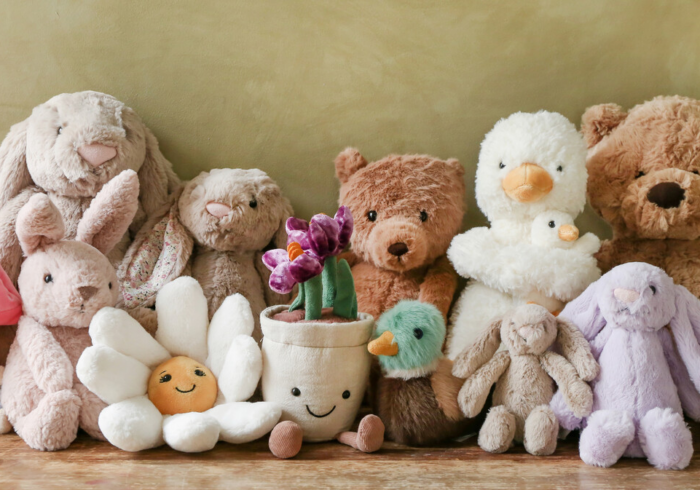
Toys also play a significant role in children’s emotional development. Stuffed animals, dolls, and puppets become companions that children can use to express their emotions and develop a sense of empathy. Through imaginative play, children can explore different roles, experiences, and emotions, enhancing their emotional intelligence and self-awareness. Toys that focus on emotional themes, such as emotion cards or feeling-based games, help children recognize and understand their own feelings and those of others. This emotional exploration is crucial for developing resilience and coping strategies as children encounter various life situations.
Social Interaction
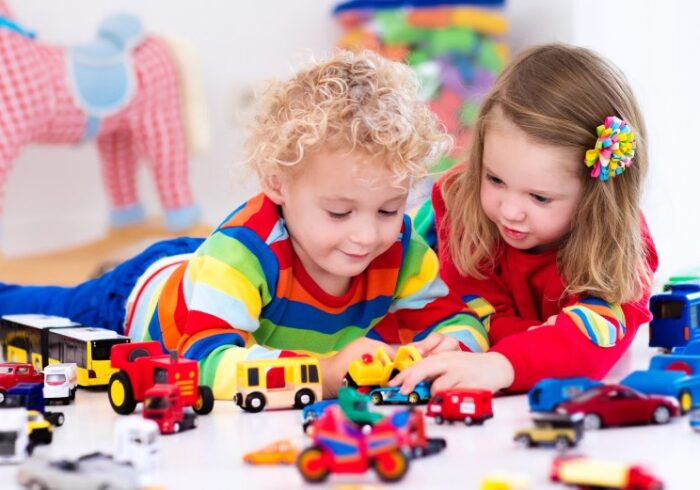
The social aspect of play is crucial for developing interpersonal skills. Toys that encourage cooperative play, such as board games or team sports equipment, help children learn to work together, resolve conflicts, and build friendships. Engaging in play with peers allows children to practice communication skills and develop a sense of belonging. This social interaction is essential for building confidence and self-esteem. Moreover, through play, children learn to navigate social norms and expectations, which are vital for their integration into society.
Addressing Diverse Learning Styles and Abilities
Modern toys are increasingly designed to cater to diverse learning styles and abilities. For instance, some toys are specifically created to support children with special needs, providing sensory stimulation or promoting fine motor skills. Toys that incorporate visual, auditory, and tactile elements can engage children with different learning preferences, ensuring that all children can benefit from play. This inclusivity is essential for fostering a sense of belonging and acceptance among children of varying abilities. By providing a range of toys that address different learning styles, parents and educators can help all children thrive.
The Role of Parents in Toy Selection
Parents play a crucial role in guiding their children’s toy selection and play experiences. By choosing toys that align with their child’s interests and developmental needs, parents can enhance the benefits of play. Additionally, parents can engage in play with their children, providing opportunities for bonding and learning. This involvement not only enriches the play experience but also allows parents to model positive social behaviors and communication skills. Furthermore, parents can encourage their children to explore a variety of toys, promoting a well-rounded development.
The Influence of Technology on Play
As technology continues to advance, its influence on children’s play is becoming more pronounced. While traditional toys remain important, digital toys and games are increasingly integrated into playtime. These digital experiences can offer unique learning opportunities, such as coding games that teach programming concepts or interactive storybooks that enhance literacy skills. However, it is essential for parents to monitor screen time and ensure a healthy balance between digital and physical play. Encouraging outdoor play and hands-on activities alongside digital experiences can help children develop a well-rounded skill set.

The Importance of Unstructured Play
In addition to structured play with specific toys, unstructured play is equally important for children’s development. Unstructured play allows children to use their imagination freely, creating their own games and scenarios. This type of play fosters creativity, problem-solving, and social skills as children navigate their interactions with peers. Parents can facilitate unstructured play by providing open-ended toys, such as building blocks or art supplies, that allow for limitless possibilities. Encouraging children to engage in free play can lead to significant developmental benefits.
The Future of Toy Innovation
Integration of Augmented Reality (AR)
The future of children’s toys may see a significant integration of augmented reality. AR technology can enhance play experiences by overlaying digital elements onto the physical world. For example, a child could use a tablet to see animated characters interacting with their physical toys, creating a more engaging play environment. This blend of digital and physical play can stimulate imagination and creativity, making playtime even more exciting. As AR technology continues to evolve, it may open up new avenues for interactive storytelling and educational experiences.
Focus on Mental Health
As awareness of mental health issues grows, toy manufacturers are beginning to focus on products that promote emotional well-being. Toys that encourage mindfulness, relaxation, and emotional expression are likely to become more prevalent. For instance, stress-relief toys and games that teach coping strategies can help children manage their emotions effectively. This focus on mental health is essential in helping children navigate the complexities of their feelings and experiences. By providing tools for emotional regulation, toys can play a vital role in supporting children’s mental health.
Balancing Innovation with Affordability
As toy manufacturers strive to create innovative products, balancing innovation with affordability remains a challenge. Parents often seek high-quality toys that offer educational value without breaking the bank. Manufacturers can address this by developing toys that are versatile and can be used in multiple ways, maximizing their value. Additionally, creating toys that can grow with a child, adapting to their changing interests and developmental stages, can provide long-term benefits and justify the investment.
The Role of Community and Collaboration
The future of toy development may also see increased collaboration between parents, educators, and toy manufacturers. By involving parents and educators in the design process, manufacturers can create toys that better meet the needs of children. Community feedback can provide valuable insights into what works and what doesn’t, leading to more effective and engaging toys. This collaborative approach can help ensure that toys are not only fun but also educational and beneficial for children’s development.
Conclusion
Modern children’s toys are a reflection of our evolving society, combining fun with education and safety. As technology continues to advance, the toy industry will likely see even more innovative products that cater to the diverse needs of children. Parents can feel confident that today’s toys not only entertain but also contribute to their children’s overall development. By understanding the impact of toys on various aspects of growth, parents can make informed choices that enhance their children’s play experiences.
How to purchase:Online B2B sourcing platform, China purchase, Chinese suppliers – LooperBuy
Frequently Asked Questions
1. What are the benefits of educational toys?
Educational toys promote cognitive development, enhance problem-solving skills, and encourage creativity. They often incorporate elements of play that make learning enjoyable.
2. How can I ensure a toy is safe for my child?
Look for toys that meet safety standards set by regulatory bodies, check for age recommendations, and avoid toys with small parts for younger children.
3. Are eco-friendly toys worth the investment?
Yes, eco-friendly toys are often made from sustainable materials and are safer for children and the environment. They can also promote awareness of environmental issues among children.
4. What types of toys promote social skills?
Toys that encourage group play, such as board games, role-playing sets, and team-based activities, help children develop cooperation, communication, and empathy.
5. How is technology changing the toy industry?
Technology is leading to the creation of interactive and smart toys that engage children in new ways, enhancing their play experiences and learning opportunities.
HOT TAG: modern children’s toys, educational playthings, eco-friendly materials, interactive toys, cognitive development, emotional intelligence, social skills, STEM learning, creative expression, parental involvement, unstructured play, augmented reality toys, mental health awareness, diverse learning styles, toy safety standards, innovative designs, technology in play, community collaboration, affordable toys, imaginative play.