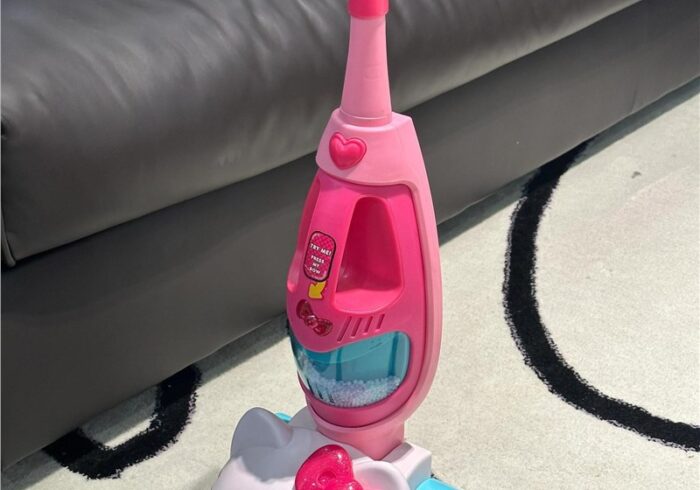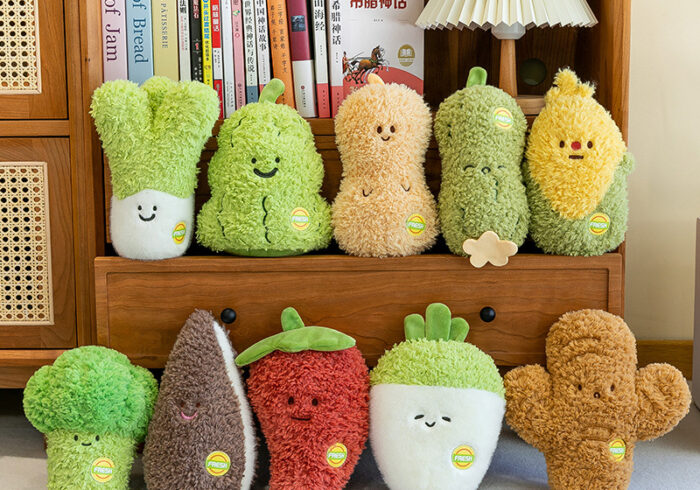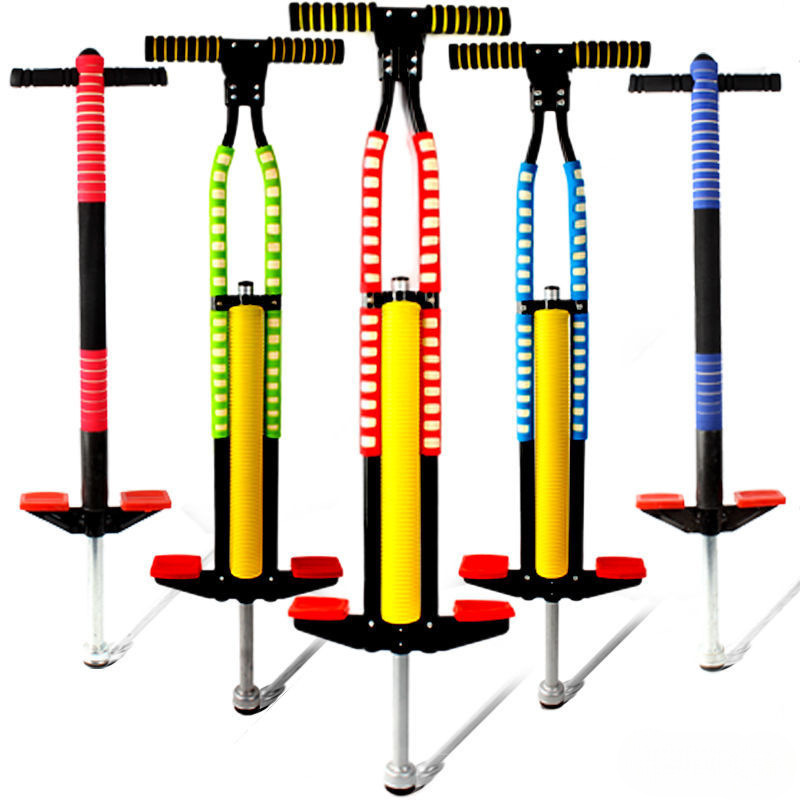
Children’s bouncing toys have become a staple in playtime, offering not just fun but also a range of developmental benefits. From inflatable hoppers to bouncy balls, these toys encourage physical activity, enhance coordination, and provide endless entertainment. In this article, we will delve into the various types of bouncing toys available, their benefits, safety considerations, and tips for choosing the right one for your child.
Table of Contents
Understanding Bouncing Toys
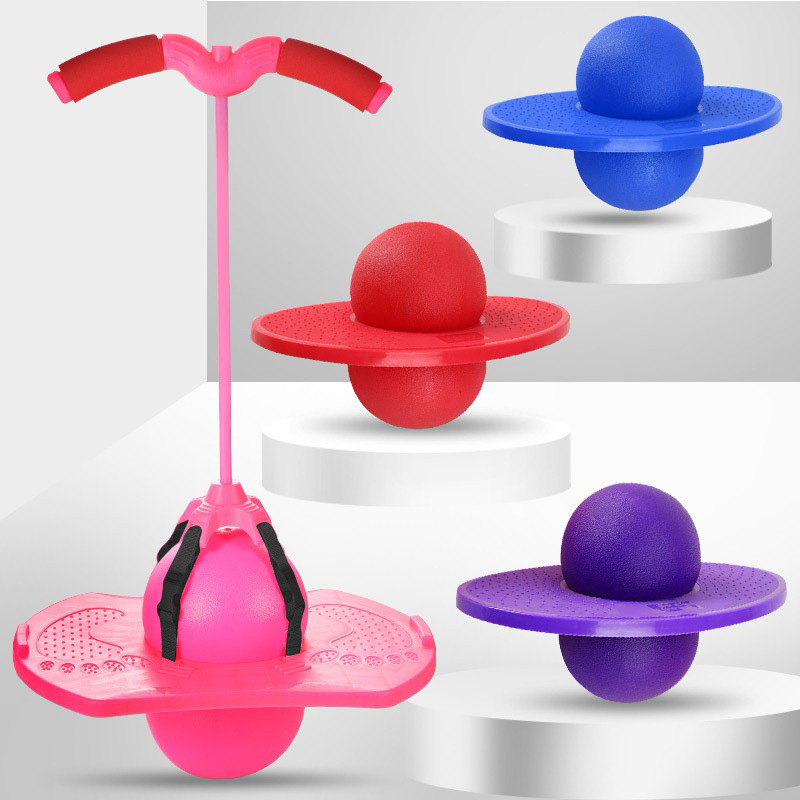
Bouncing toys come in various shapes and sizes, designed to cater to different age groups and preferences. They can be broadly categorized into inflatable toys, bouncy balls, and spring-loaded hoppers. Each type offers unique features and benefits, making them suitable for various play environments.
Inflatable Bouncing Toys
Inflatable bouncing toys, such as hoppers and bounce houses, are popular among young children. These toys are typically made from durable, puncture-resistant materials and can be inflated for use. They come in various designs, including animals, vehicles, and whimsical shapes, which can capture a child’s imagination.
Benefits of Inflatable Toys
- Physical Activity: Inflatable toys encourage children to jump and bounce, promoting cardiovascular health and muscle development. The act of bouncing engages multiple muscle groups, helping to build strength and endurance.
- Social Interaction: These toys are often used in group settings, fostering social skills as children play together. They learn to share, take turns, and cooperate, which are essential skills for their social development.
- Imaginative Play: The variety of designs allows for creative play scenarios, enhancing cognitive development. Children can create stories and adventures around their bouncing toys, which stimulates their imagination.
Bouncy Balls
Bouncy balls are another classic option for children’s play. They come in various sizes and materials, from small rubber balls to larger exercise balls designed for bouncing. Bouncy balls can be used indoors or outdoors, making them versatile for different play environments.
Benefits of Bouncy Balls
- Coordination and Balance: Bouncing a ball helps children develop hand-eye coordination and balance. As they learn to catch and throw, they improve their motor skills and spatial awareness.
- Versatile Play: Bouncy balls can be used for various games, including catch, basketball, and obstacle courses. This versatility keeps playtime exciting and engaging.
- Portable: Their small size makes them easy to carry, allowing for play on the go. Parents can easily pack them for trips to the park or family outings.
Spring-Loaded Hoppers
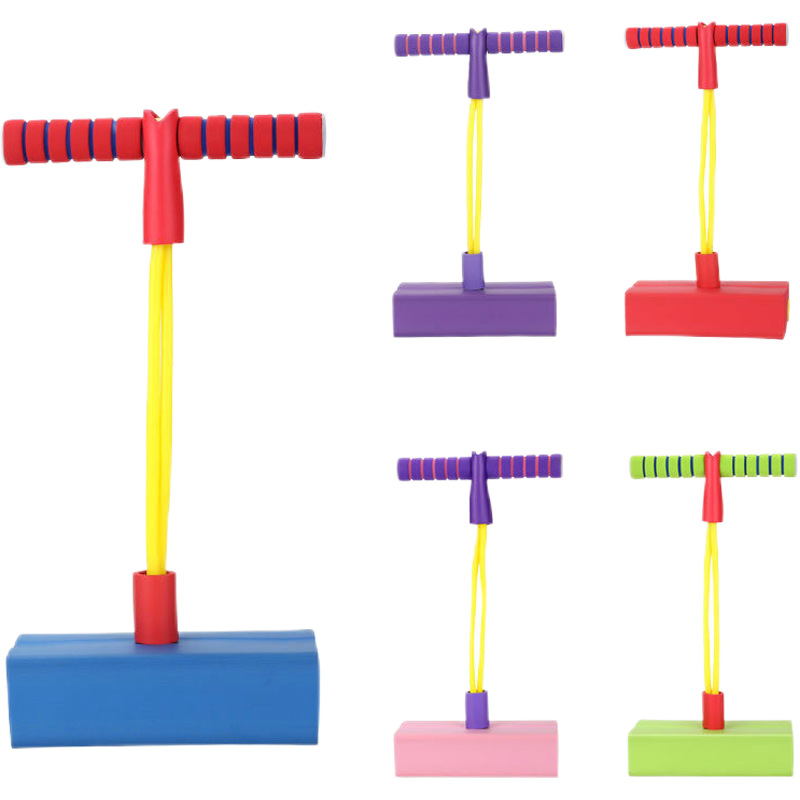
Spring-loaded hoppers, often resembling animals or characters, provide a unique bouncing experience. These toys have a spring mechanism that allows children to bounce up and down while seated. They are particularly popular among toddlers and preschoolers.
Benefits of Spring-Loaded Hoppers
- Safe Bouncing: The design of spring-loaded hoppers provides a controlled bouncing experience, reducing the risk of falls. This makes them an excellent choice for younger children who are still developing their balance.
- Encourages Active Play: These toys motivate children to engage in active play, which is essential for their physical development. Regular bouncing can help improve cardiovascular fitness and muscle strength.
- Fun Designs: The playful designs of hoppers can make exercise feel like a game, encouraging children to be more active. The bright colors and fun shapes can attract children and keep them engaged for longer periods.
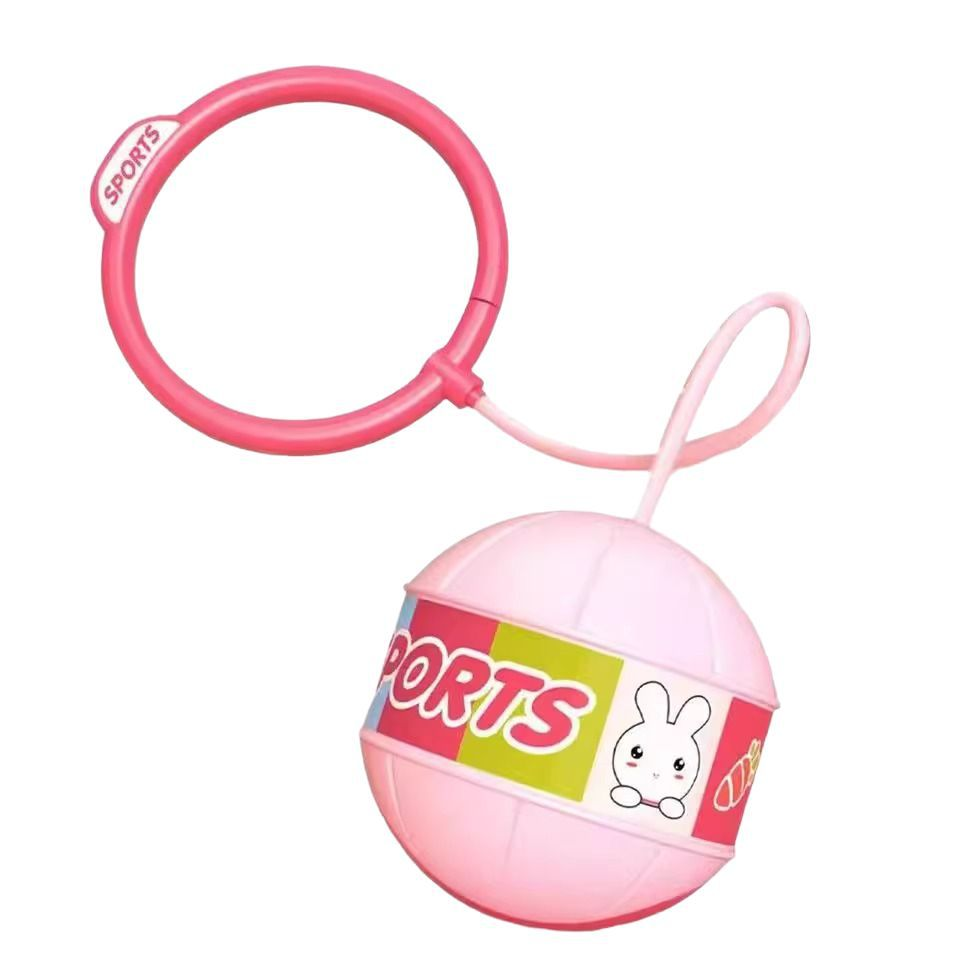
Choosing the Right Bouncing Toy
When selecting a bouncing toy for your child, several factors should be considered to ensure safety and enjoyment.
Age Appropriateness
Different bouncing toys are designed for various age groups. Always check the manufacturer’s recommendations to ensure the toy is suitable for your child’s age and size. For instance, inflatable hoppers may be more appropriate for younger children, while older kids might enjoy bouncy balls or spring-loaded hoppers.
Safety Features
Safety is paramount when it comes to children’s toys. Look for features such as:
- Non-toxic Materials: Ensure the toy is made from safe, non-toxic materials. This is especially important for younger children who may put toys in their mouths.
- Stability: Choose toys with a wide base or those designed to prevent tipping. A stable design can help prevent accidents during play.
- Weight Limit: Adhere to the weight limits specified by the manufacturer to avoid accidents. Overloading a bouncing toy can lead to breakage or injury.
Indoor vs. Outdoor Use
Consider where the toy will primarily be used. Some bouncing toys are designed for outdoor use, while others are more suitable for indoor play. If you have limited space indoors, opt for smaller, portable options. Outdoor toys may need to be more durable to withstand the elements.
The Developmental Benefits of Bouncing Toys
Bouncing toys offer numerous developmental benefits that can positively impact a child’s growth.
Physical Development
Bouncing toys promote physical activity, which is crucial for developing strength, coordination, and balance. Regular use can help children build muscle tone and improve their overall fitness levels. Activities like jumping and bouncing also enhance cardiovascular health, which is vital for growing children. Engaging in physical play can help combat childhood obesity and instill healthy habits early on.
Cognitive Development
Engaging with bouncing toys can enhance cognitive skills. As children play, they learn to navigate their environment, understand spatial relationships, and develop problem-solving skills through imaginative play. For instance, when children bounce on a toy, they must gauge their balance and adjust their movements accordingly, which fosters critical thinking. Additionally, bouncing toys can be used in games that require counting, color recognition, and following instructions, further enhancing cognitive development.
Emotional Development
Playing with bouncing toys can also support emotional development. Children learn to manage their emotions through play, developing resilience and confidence as they master new skills. The joy of bouncing can lead to laughter and happiness, contributing to a positive emotional state. Moreover, overcoming challenges, such as learning to balance on a bouncing toy, can boost a child’s self-esteem.
Social Development
Bouncing toys often encourage group play, which is essential for developing social skills. Children learn to share, take turns, and cooperate with others while playing. These interactions can help them build friendships and improve their communication skills. Group games involving bouncing toys can also teach children about teamwork and collaboration.
Safety Tips for Bouncing Toy Use
While bouncing toys are generally safe, it’s essential to follow some safety guidelines to ensure a safe play experience.
Supervision
Always supervise young children while they are playing with bouncing toys. This ensures that they are using the toys safely and helps prevent accidents. Parents should be aware of the play environment and intervene if necessary. Setting clear boundaries and rules for play can also help maintain safety.
Clear Play Area
Ensure the play area is free from obstacles and hazards. A soft surface, such as grass or a padded mat, can help cushion falls. Avoid hard surfaces like concrete, which can increase the risk of injury. If using inflatable toys, ensure they are set up in a spacious area to allow for safe bouncing.
Regular Maintenance
Check the toys regularly for any signs of wear and tear. Ensure that inflatable toys are properly inflated and that there are no punctures or leaks. Regular maintenance can prolong the life of the toy and ensure safe play. If a toy shows signs of damage, it should be repaired or replaced immediately.
Teaching Safe Play
Educate children on how to use bouncing toys safely. Teach them to bounce gently, avoid pushing or shoving others, and to stop playing if they feel tired or unwell. Setting clear rules can help prevent accidents. Encourage children to take breaks during play to avoid fatigue.
Creative Ways to Use Bouncing Toys
Bouncing toys can be used in various creative ways to enhance playtime. Here are some fun ideas to make the most of these toys:
Obstacle Courses
Set up an obstacle course using bouncing toys as key components. Children can bounce from one toy to another, incorporating crawling, jumping, and running. This activity promotes physical fitness and encourages imaginative play. You can add other elements like cones or hoops to create a more challenging course.
Bounce and Catch
Combine bouncing with catching games. Use a bouncy ball and have children bounce it while trying to catch it. This activity enhances hand-eye coordination and can be played individually or in groups. You can also introduce variations, such as bouncing the ball against a wall and catching it as it rebounds.
Themed Play
Incorporate themes into playtime. For example, if your child has a bouncing toy shaped like a horse, create a “stable” area where they can pretend to care for their toy. This type of imaginative play fosters creativity and storytelling skills. You can also create themed games, such as a “bouncing safari” where children bounce around pretending to be animals.
Group Games
Encourage group games that involve bouncing toys. Games like “hot potato” with a bouncy ball or relay races using hoppers can be fun and engaging. These activities promote teamwork and social interaction. You can also organize tournaments or competitions to make it more exciting.
Dance and Bounce
Combine music with bouncing for a fun dance party. Play upbeat music and encourage children to bounce along to the rhythm. This activity not only promotes physical activity but also enhances their sense of rhythm and coordination. You can even introduce dance moves that incorporate bouncing to make it more dynamic.
Conclusion
Children’s bouncing toys are more than just fun; they are valuable tools for promoting physical, cognitive, and emotional development. By choosing the right bouncing toy and following safety guidelines, parents can provide their children with a safe and enjoyable play experience. Whether it’s an inflatable hopper, a bouncy ball, or a spring-loaded toy, these bouncing toys can bring joy and excitement to playtime.
How to purchase:Online B2B sourcing platform, China purchase, Chinese suppliers – LooperBuy
Frequently Asked Questions
1. What age is appropriate for bouncing toys?
Bouncing toys are generally suitable for children aged 1 and up, but it’s essential to check the manufacturer’s recommendations for specific age guidelines.
2. Are inflatable bouncing toys safe?
Yes, inflatable bouncing toys are safe when used correctly. Always supervise children during play and ensure the toys are in good condition.
3. How can I clean bouncing toys?
Most bouncing toys can be cleaned with mild soap and water. Ensure they are thoroughly dried before storing them to prevent mold and mildew.
4. Can bouncing toys be used outdoors?
Yes, many bouncing toys are designed for outdoor use. However, ensure they are placed on a soft surface to minimize injury risks.
5. How do I choose the right bouncing toy for my child?
Consider your child’s age, size, and interests. Look for toys with safety features and those that encourage active play.
HOT TAG: children’s bouncing toys, inflatable hoppers, bouncy balls, active play, toddler toys, sensory development, coordination skills, imaginative play, safe toys, outdoor fun, physical activity, gross motor skills, creative play, group games, bouncing fun.