Table of Contents
Rewriting the Rules of Horological Commerce
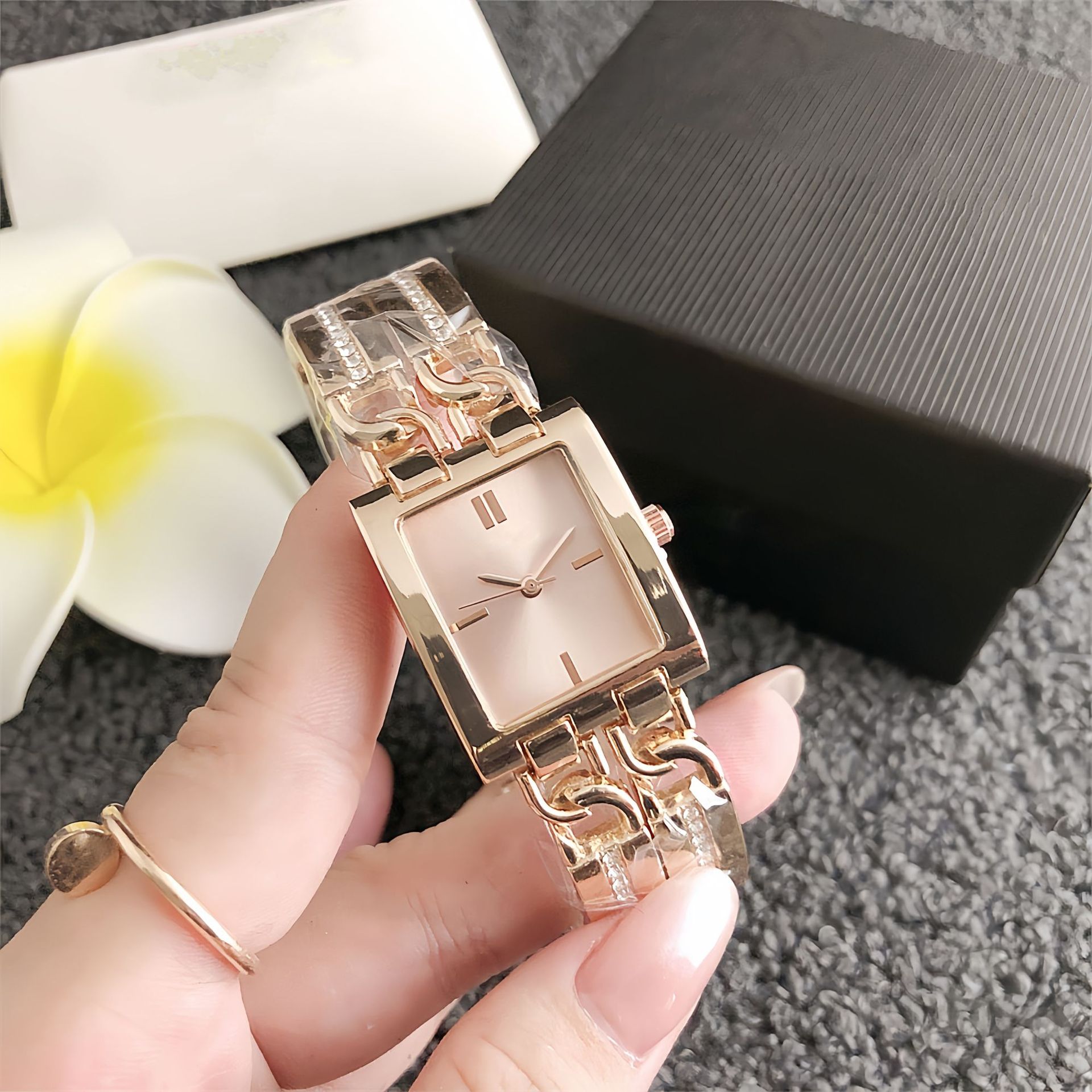
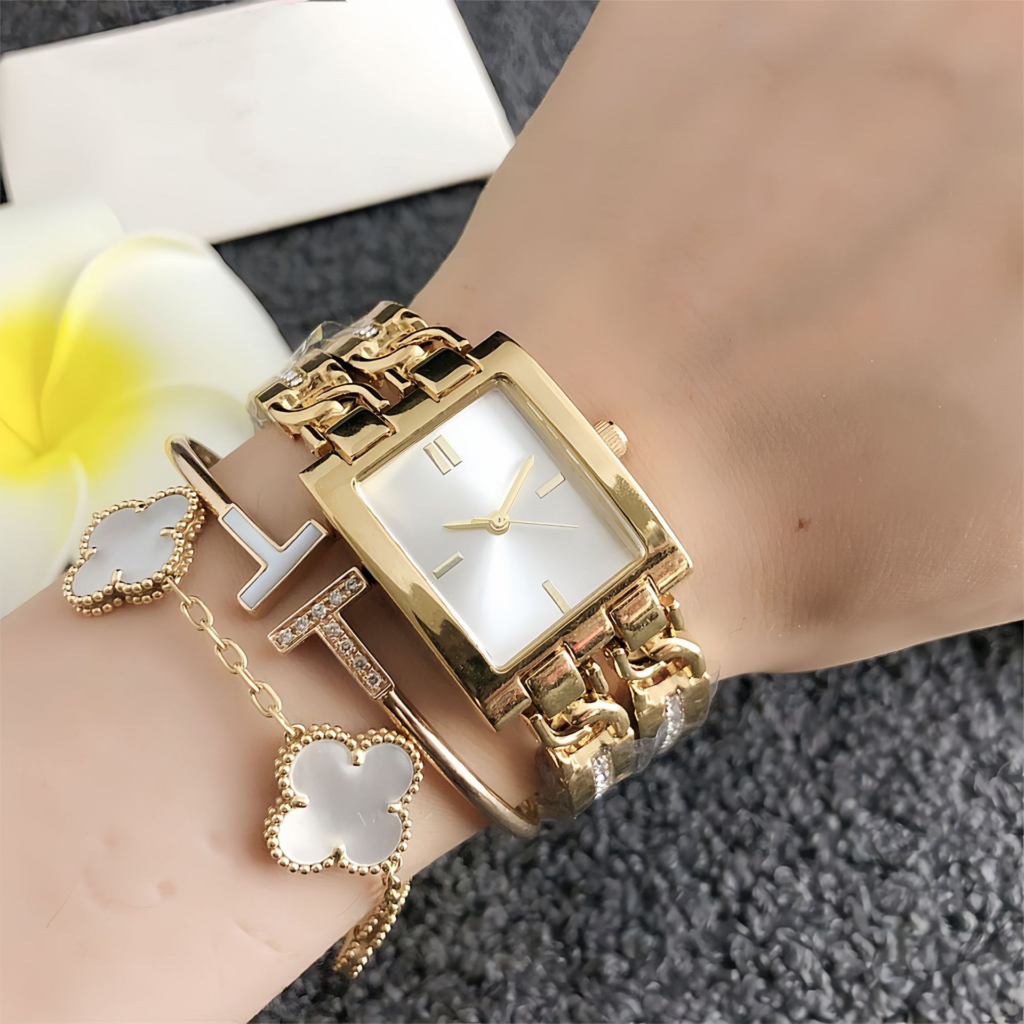
The U.S. luxury watch market is undergoing a seismic transformation as dropshipping models collide with geopolitical trade realities. With Swiss exports to America growing annually despite global contraction, smart entrepreneurs are leveraging blockchain authentication and AI-driven compliance tools to bypass traditional middlemen.
Post-Tariff Era Supply Chain Innovations
Recent tariff wars forced radical reinvention:
- Modular Certification Systems: Real-time HS code validation engines auto-adjust customs declarations
- Multi-Hub Fulfillment: Strategic warehousing of sport models in Miami and dress watches in Chicago
- Duty-Inclusive Pricing Bots: Machine learning predicts tariff fluctuations with high accuracy
Case Study: ChronoDrop’s Adaptive Model
This startup reduced delivery times significantly through pre-cleared inventory clusters, AI-powered customs automation, and localized packaging centers adding regional warranty cards.
The Certification Minefield: Navigating Legal Complexities
COSC vs. MFG Certification Dynamics
- Traditional Pathways: Lengthy Swiss certification processes vs. blockchain timestamping
- Emergent Solutions: AI-authenticated digital birth certificates for rapid verification
Anti-Counterfeit Tech Stack
- Nano-engraved UV-visible serial numbers
- Blockchain-secured movement registration
- Spectral analysis APIs for materials verification
Consumer Psychology in the Algorithmic Age
Generational Preference Shifts
- Gen Z: Preference for microbrand “under-the-radar” luxury
- Millennials: Focus on sustainability certifications
- Boomers: Value traditional retailer relationships
Viral Marketing Mechanics
Social media campaigns drive engagement through AR try-on filters, localized unboxing experiences, and AI-generated educational content.
Logistics 2.0: Beyond Basic Fulfillment
Temperature-Controlled Last-Mile Delivery
- Swiss-made thermal cocoons maintain optimal temperatures for automatic movements during transit
Customs Cleverness
- Section 321 shipment optimization
- Bonded warehouse strategies for duty reduction
- Legal customization kits for gray market adaptation
The Certification Revolution
Emerging Standards
- Updated anti-magnetism and water resistance benchmarks
- Regional solar movement compliance requirements
Blockchain Verification Ecosystems
- NFT ownership certificates enabling secondary market sales
- DAO-governed authenticity verification systems
Conclusion
The U.S. luxury watch dropshipping sector blends Swiss precision with Silicon Valley innovation. Success demands mastery of tech-driven authentication, adaptive logistics, and generational marketing strategies.
How to Purchase:https://looperbuy.com/search?keywords=United+States+luxury+watches+dropshipping
Related Questions & Answers
· How are dropshippers avoiding tariffs on Swiss movements?
Many use component dropshipping strategies, importing movements as machine parts for lower duty rates before final assembly in U.S. facilities.
· What certification is needed for solar-powered watches?
Regional requirements like California’s SolarSync mandate power reserve verification through approved testing labs.
· How to verify vintage watch authenticity?
Advanced platforms use neutron activation analysis to non-invasively verify decade-specific metal compositions.
· Which states restrict automatic watch imports?
Some states require service network certifications for automatic watches exceeding specific jewel counts.
· Best CRM for luxury watch dropshippers?
Specialized platforms combine blockchain ownership history with AI-powered maintenance reminders to boost customer retention.
Hot Tags: Blockchain Watch Authentication; Tariff-Optimized Fulfillment; Microbrand Dropshipping Models; Quantum-Secure Logistics; Generational Luxury Preferences; Nano-Engraved Security Features; AI Customs Compliance; Sustainable Horology Certifications; Viral Unboxing Ecosystems