
Easter is a holiday celebrated by millions around the world, often associated with themes of rebirth, renewal, and hope. While many people think of Easter primarily as a religious observance, it has also evolved into a cultural event that includes various traditions, some of which involve gift giving. This article explores the multifaceted nature of Easter, examining whether it can truly be classified as a gift-giving holiday.
Table of Contents
The Origins of Easter
Historical Background
Easter’s origins can be traced back to ancient pagan festivals celebrating the arrival of spring. The name “Easter” itself is believed to be derived from Eostre, the Anglo-Saxon goddess of spring and fertility. Early Christians adopted this time of year to celebrate the resurrection of Jesus Christ, which is the cornerstone of Christian faith. The blending of these traditions has led to the diverse ways in which Easter is celebrated today.
Religious Significance
For Christians, Easter is the culmination of the Holy Week, which includes Good Friday, the day of Jesus’ crucifixion, and Holy Saturday. The Easter Sunday celebration marks the resurrection of Jesus, symbolizing victory over sin and death. This profound religious significance is often accompanied by various rituals, such as attending church services, participating in communal meals, and engaging in prayer and reflection. Many churches hold special services on Easter Sunday, often featuring music, flowers, and decorations that reflect the joy of the resurrection.
In addition to church services, many families engage in personal rituals, such as reading the Easter story from the Bible, reflecting on its meaning, and discussing its relevance in their lives. This personal engagement with the holiday can deepen one’s faith and understanding of the core messages of Christianity.
Easter Traditions Around the World
Cultural Variations
Easter is celebrated differently across cultures, with each region adding its unique customs and traditions. In the United States, for example, the Easter Bunny is a popular figure associated with the holiday, symbolizing fertility and new life. Children often participate in Easter egg hunts, where they search for hidden eggs filled with candy or small toys. This tradition has become a staple of American Easter celebrations, with families often hosting elaborate egg hunts in their backyards or local parks.
In contrast, countries like Italy and Spain have rich traditions involving processions and elaborate feasts. In Italy, the Easter meal often features lamb, symbolizing Jesus as the Lamb of God, while in Spain, Semana Santa (Holy Week) is marked by solemn processions that reflect the deep religious roots of the holiday. These processions often involve intricate floats, religious icons, and participants dressed in traditional attire, creating a powerful visual representation of faith and community.
Gift Giving Practices
While gift giving is not a central aspect of Easter for many, it has become a common practice in various cultures. In the United States, it is customary for parents to give their children Easter baskets filled with candy, toys, and sometimes even small gifts. This practice has evolved over time, influenced by commercial interests and the desire to create a festive atmosphere. The tradition of giving Easter baskets can be traced back to the 19th century, when children would receive gifts as a reward for their good behavior during Lent.
In some European countries, such as Germany and Switzerland, it is common to exchange small gifts or tokens of affection among family and friends. These gifts often include chocolate eggs, decorative items, or handmade crafts, reflecting the spirit of renewal and joy associated with the season. In Germany, for instance, children may receive chocolate bunnies or eggs, which are often hidden for them to find, similar to the American Easter egg hunt.
The Role of Easter in Modern Society
Commercialization of Easter
In recent years, Easter has seen significant commercialization, similar to other holidays like Christmas and Valentine’s Day. Retailers capitalize on the holiday by offering a wide range of products, from Easter-themed decorations to elaborate candy displays. This commercialization has led to a shift in how some people perceive the holiday, focusing more on consumerism than its original religious significance. The rise of Easter-themed merchandise, such as clothing, home decor, and specialty foods, has transformed the holiday into a major retail event, with sales often rivaling those of Christmas.
The commercialization of Easter has also led to the emergence of various marketing strategies aimed at families. Stores often create elaborate displays featuring Easter-themed products, and advertisements frequently highlight the joy of gift-giving and family gatherings. While this can enhance the festive atmosphere, it can also detract from the holiday’s spiritual significance, leading some to question the true meaning of Easter.
The Impact of Social Media
Social media has also played a role in shaping modern Easter celebrations. Families and friends share their traditions, recipes, and festive moments online, creating a sense of community and connection. This digital sharing often includes photos of beautifully decorated Easter eggs, elaborate brunches, and family gatherings, further emphasizing the holiday’s celebratory nature. Social media platforms have become a space for people to showcase their creativity, whether through DIY Easter crafts or unique recipes for holiday meals.
Moreover, social media has facilitated the spread of Easter-related trends, such as themed parties and creative egg-decorating techniques. Influencers and bloggers often share their Easter experiences, inspiring others to adopt new traditions or enhance their celebrations. This interconnectedness can foster a sense of belonging and shared joy, even among those who may be far apart geographically.
Is Easter a Gift Giving Holiday?
Analyzing the Evidence
To determine whether Easter can be classified as a gift-giving holiday, it is essential to consider the various traditions and practices associated with the celebration. While gift giving is not a universal aspect of Easter, it is prevalent in many cultures, particularly in the context of family and community gatherings. The exchange of gifts during Easter often serves as a way to express love and appreciation among family members and friends. This practice aligns with the holiday’s themes of renewal and hope, as people come together to celebrate life and relationships.
The Balance Between Tradition and Modernity
As society evolves, so do the ways in which we celebrate holidays. The blending of traditional religious observances with modern customs has created a unique landscape for Easter celebrations. While some may argue that the commercialization of Easter detracts from its spiritual significance, others see it as an opportunity to create joyful memories and strengthen bonds with loved ones. The challenge lies in finding a balance between honoring the holiday’s religious roots and embracing the joy and festivity that come with modern celebrations.
Unique Easter Traditions

Easter Eggs and Their Symbolism
One of the most recognizable symbols of Easter is the egg, which represents new life and rebirth. The tradition of decorating eggs dates back centuries and varies across cultures. In some Eastern European countries, eggs are intricately decorated using techniques such as dyeing, painting, or etching. These beautifully crafted eggs are often displayed as part of the Easter celebration and are sometimes exchanged as gifts. The practice of dyeing eggs is particularly popular in countries like Poland and Ukraine, where the art of “pysanky” involves creating intricate designs using wax and dye.
In addition to decorative eggs, many cultures have unique customs surrounding egg rolling, where hard-boiled eggs are rolled down hills to symbolize the rolling away of the stone from Jesus’ tomb. This playful activity is often enjoyed by children and families, adding a fun and interactive element to the holiday.
The Easter Bunny: A Cultural Icon
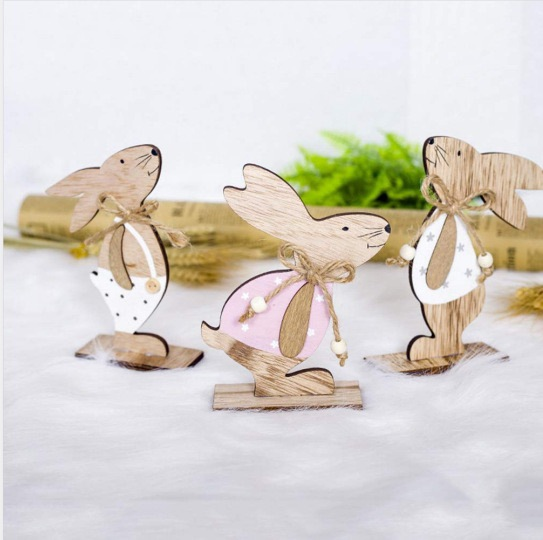
The Easter Bunny, a character that has become synonymous with the holiday, has its origins in folklore. The rabbit is a symbol of fertility and new life, making it a fitting mascot for a holiday that celebrates resurrection. The tradition of the Easter Bunny delivering eggs to children is believed to have originated in Germany, where it was said that the Easter Hare would judge whether children were good or bad, similar to Santa Claus during Christmas. This character has since evolved into a beloved figure in many cultures, often depicted in various forms, from plush toys to animated characters in movies.
The Easter Bunny’s popularity has led to the creation of various merchandise, including toys, decorations, and themed clothing. This commercialization has further solidified the bunny’s status as a central figure in Easter celebrations, particularly among children.
Special Easter Foods
Food plays a significant role in Easter celebrations, with many families preparing special dishes to mark the occasion. In Greece, for example, a traditional Easter bread called “tsoureki” is often baked, featuring a sweet, braided loaf that is sometimes adorned with red-dyed eggs. In the United States, ham is a popular choice for the Easter feast, symbolizing abundance and celebration. These culinary traditions not only enhance the festive atmosphere but also serve as a way for families to connect and share their heritage. In many cultures, the Easter meal is a time for families to come together, often featuring dishes that have been passed down through generations.
In addition to main dishes, desserts also play a crucial role in Easter celebrations. In Italy, for instance, “colomba di Pasqua,” a dove-shaped cake, is a traditional Easter dessert, while in the United Kingdom, “hot cross buns” are commonly enjoyed during the season. These foods not only satisfy the palate but also carry cultural significance, often representing the joy and festivity of the holiday.
Easter Parades and Community Events
In addition to family gatherings, many communities host Easter parades and public events that bring people together to celebrate. One of the most famous Easter parades takes place in New York City, where participants don elaborate hats and costumes, showcasing their creativity and festive spirit. These parades often feature live music, performances, and various activities for children, creating a lively atmosphere that embodies the joy of the holiday. Such events foster a sense of community and allow people to celebrate Easter in a public and inclusive manner.
In many towns and cities, local organizations may host Easter fairs or festivals, featuring games, crafts, and food stalls. These events provide an opportunity for families to enjoy the holiday together while also supporting local businesses and community initiatives.
The Spiritual Reflection of Easter
A Time for Renewal
Easter is not only a time for celebration but also a period for spiritual reflection and renewal. Many Christians use this time to reflect on their faith, engage in acts of service, and deepen their relationship with God. The Lenten season leading up to Easter is often marked by fasting, prayer, and self-examination, allowing individuals to prepare their hearts for the joy of the resurrection. This focus on spiritual growth can lead to a more profound appreciation of the holiday’s significance.
Acts of Kindness and Charity
In the spirit of Easter, many people engage in acts of kindness and charity during this time. Churches and community organizations often organize food drives, charity events, and volunteer opportunities to help those in need. This emphasis on giving back aligns with the themes of love and compassion that are central to the Easter message. By participating in these activities, individuals can embody the spirit of Easter and make a positive impact in their communities.
Many families also choose to incorporate charitable giving into their Easter celebrations, whether by donating to local charities, volunteering at shelters, or organizing community service projects. This practice not only enriches the holiday experience but also instills values of generosity and compassion in younger generations.
The Global Influence of Easter
Easter in Different Countries
Easter is celebrated in various ways around the world, reflecting the diverse cultures and traditions of different regions. In Australia, for example, the Easter Bunny is often replaced by the Easter Bilby, a native marsupial, to raise awareness about endangered species. This unique twist on the traditional Easter Bunny highlights the importance of conservation and environmental awareness.
In Ethiopia, Easter is celebrated with a unique blend of religious and cultural practices. The Ethiopian Orthodox Church observes a 55-day fasting period leading up to Easter, during which many people abstain from animal products. On Easter Sunday, families gather for a festive meal that often includes traditional dishes such as doro wat (spicy chicken stew) and injera (flatbread). The celebration is marked by vibrant church services, singing, and communal feasting.
In the Philippines, Easter is celebrated with a series of religious events, including the “Salubong,” a pre-dawn ritual that reenacts the meeting of the risen Christ and his mother, Mary. This event is often accompanied by traditional songs and dances, creating a festive atmosphere that brings communities together.
The Evolution of Easter Celebrations
As societies evolve, so do the ways in which they celebrate holidays. The influence of globalization has led to the blending of traditions, with many people adopting customs from other cultures. For example, the popularity of Easter egg hunts has spread beyond the United States, with similar events now taking place in various countries around the world. This exchange of traditions enriches the holiday experience and fosters a sense of global community.
Additionally, the rise of technology has transformed how people celebrate Easter. Virtual gatherings, online egg hunts, and social media challenges have become popular ways for families and friends to connect and celebrate, especially in times when physical gatherings may not be possible. This adaptability demonstrates the resilience of holiday traditions and the importance of maintaining connections with loved ones.

Conclusion
In conclusion, Easter is a holiday rich in history and tradition, encompassing a wide range of practices and beliefs. While it may not be primarily recognized as a gift-giving holiday, the exchange of gifts has become a meaningful aspect of the celebration for many. Ultimately, Easter serves as a reminder of the importance of community, love, and renewal, transcending the boundaries of religious observance and cultural practices. As we celebrate Easter, we are invited to reflect on its deeper meanings and embrace the joy and hope it brings to our lives.
How to purchase:Online B2B sourcing platform, China purchase, Chinese suppliers – LooperBuy
Frequently Asked Questions
1. What is the significance of Easter in Christianity?
Easter celebrates the resurrection of Jesus Christ, symbolizing victory over sin and death. It is the most important event in the Christian calendar.
2. Are there any specific gifts traditionally given on Easter?
While there are no specific traditional gifts, common items include chocolate eggs, toys, and decorative items, often given in Easter baskets.
3. How do different cultures celebrate Easter?
Easter celebrations vary widely, with traditions ranging from church services and processions to family gatherings and festive meals, reflecting local customs and beliefs.
4. Is Easter more about religious observance or commercialism?
Easter has both religious and commercial aspects. While it is fundamentally a religious holiday, commercialization has increased, influencing how many people celebrate.
5. Can Easter be considered a family holiday?
Yes, Easter is often seen as a family holiday, with many people gathering to celebrate, share meals, and participate in traditions together.
HOT TAG: Easter traditions, gift giving practices, cultural celebrations, Easter Bunny origins, religious significance of Easter, family gatherings, commercialization of holidays, community spirit, renewal and hope, unique Easter foods, spiritual reflection, acts of kindness, Easter parades, global Easter celebrations, Easter egg hunts, festive meals, traditional Easter desserts, Easter crafts, charity events, Easter symbols, springtime celebrations, multicultural Easter practices, Easter rituals, historical Easter customs, Easter festivities, family bonding during Easter, Easter in different countries, Easter folklore, Easter community events, Easter blessings.