Table of Contents
Introduction: Why Mechanical Toys Still Captivate Young Minds
In a world dominated by digital screens and electronic gadgets, children’s mechanical toys—those delightful contraptions that spin, whir, and click—remain a beloved staple of childhood. These toys, powered by gears, springs, and simple machines, bridge the gap between play and learning, offering children a tangible connection to the principles of physics, engineering, and creativity. Whether it’s a classic wind-up car, a complex gear-driven robot, or a whimsical music box, mechanical toys have enduring appeal. This article explores their history, educational value, design innovations, and why they continue to hold a special place in children’s lives.
A Brief History of Children’s Mechanical Toys
From Ancient Mechanisms to Early Playthings
The roots of mechanical toys stretch back centuries. Early examples include ancient Greek automata, such as the water-powered bird invented by Hero of Alexandria, and Chinese “magic mirrors” that used reflective surfaces to create illusions. By the 18th century, European craftsmen began crafting intricate mechanical toys for aristocratic children, featuring gears, pulleys, and clockwork mechanisms. These early toys were not just playthings—they were educational tools, teaching principles of mechanics and problem-solving.
The Rise of Mass-Produced Mechanical Toys
The Industrial Revolution democratized mechanical toys. With advancements in manufacturing, companies like Tin Toy Co. (later known as Louis Marx & Company) began producing affordable, mass-produced toys. Iconic designs from the 19th and 20th centuries—including wind-up trains, jumping jacks, and the beloved “Tick-Tock” clockwork toys—became staples in nurseries worldwide. These toys were durable, affordable, and packed with simple yet fascinating mechanics that sparked curiosity.
Modern Innovations: Blending Tradition with Technology
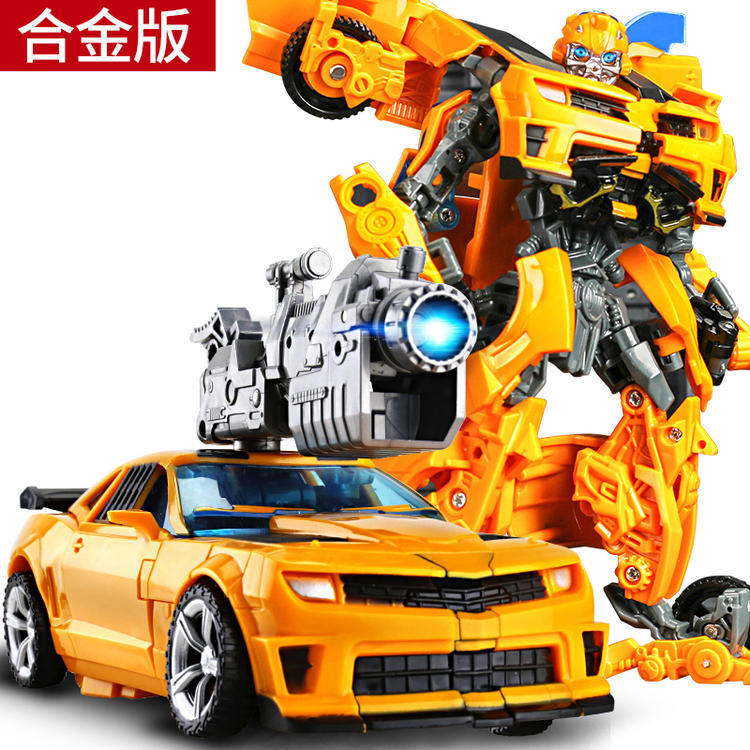
Today, mechanical toys have evolved beyond wind-up mechanisms. While traditional clockwork toys remain popular, modern versions incorporate electronic components, LED lights, and even programmable features. Brands like Hape, Melissa & Doug, and ThinkFun blend classic mechanics with contemporary design, creating toys that appeal to both nostalgic parents and tech-savvy kids.
The Educational Value of Mechanical Toys
Teaching STEM Principles Through Play
Mechanical toys are natural teachers of science, technology, engineering, and math (STEM). A simple wind-up car demonstrates concepts like friction, energy transfer, and gear ratios. A gear-driven robot introduces children to mechanical advantage and rotational motion. By manipulating these toys, kids learn to observe, hypothesize, and problem-solve—skills foundational to STEM learning.
Fostering Creativity and Imagination
Unlike electronic toys that dictate play patterns, mechanical toys encourage open-ended exploration. A child might spend hours adjusting gears to make a toy move faster, modifying a wind-up mechanism to change its sound, or combining parts from different toys to create something entirely new. This process nurtures creativity, adaptability, and a sense of ownership over their play.
Building Fine Motor Skills and Patience
Operating a mechanical toy often requires precise manipulation—turning a key, winding a spring, or aligning gears. These actions strengthen fine motor skills, hand-eye coordination, and dexterity. Additionally, mechanical toys teach patience: many require careful adjustment to work correctly, rewarding persistence with satisfying results.
Designing Mechanical Toys for Modern Kids
Balancing Tradition with Modern Safety Standards
While classic mechanical toys are cherished, modern designs prioritize safety. Materials like food-grade plastic, non-toxic paints, and rounded edges replace sharp or hazardous components. Many toys now include safety certifications (e.g., ASTM, CE) to ensure they meet rigorous safety standards, giving parents peace of mind.
Enhancing Interactivity and Engagement
Today’s mechanical toys often blend traditional mechanics with interactive features. For example, a wind-up robot might have sensors that trigger sounds or lights when it completes a task, or a gear-based puzzle might include a “challenge mode” that encourages kids to solve increasingly complex problems. These features keep play dynamic and engaging.
Catering to Different Age Groups
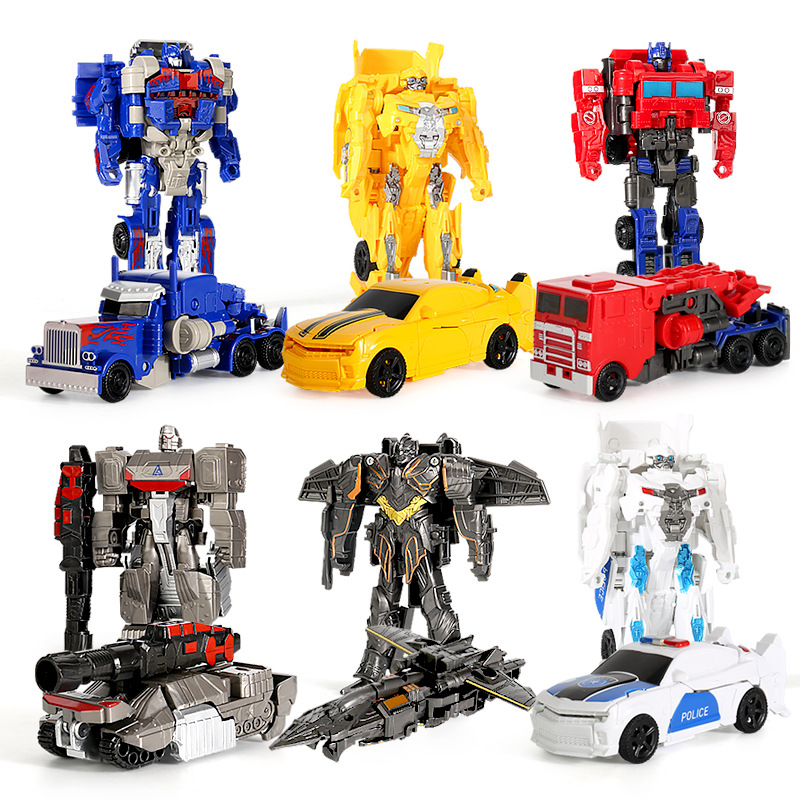
Mechanical toys are not one-size-fits-all. Toddlers benefit from large, simple toys with easy-to-turn knobs (e.g., pull-along animals with wheels), while older children enjoy more complex designs (e.g., 3D puzzles with moving parts or build-your-own robot kits). Brands now offer age-specific lines, ensuring toys grow with a child’s skills and interests.
How to Choose the Right Mechanical Toy for Your Child
Consider Age and Skill Level
Toddlers need sturdy, easy-to-operate toys with minimal small parts. Preschoolers can handle slightly more complex mechanisms, like wind-up toys with adjustable speeds. School-aged children thrive with challenges—think gear-driven puzzles or buildable robots that require following instructions.
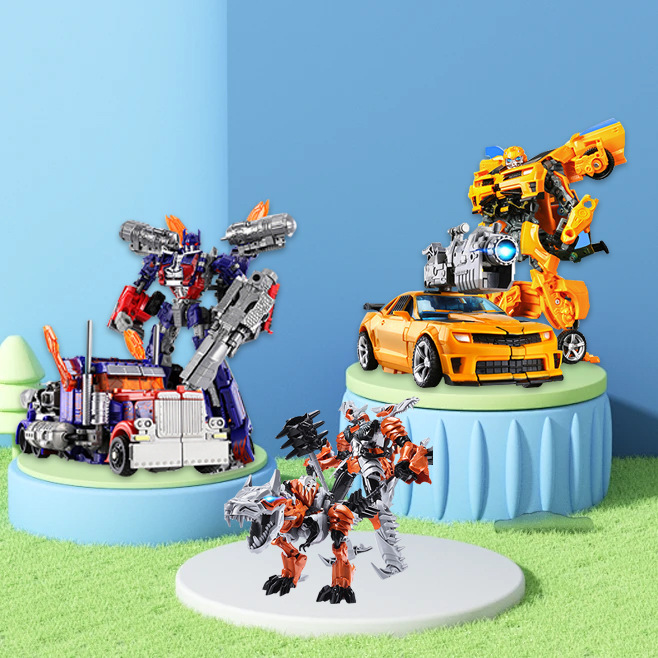
Prioritize Open-Ended Play
Look for toys that encourage creativity rather than dictating a single outcome. A set of modular gears, for example, allows kids to design countless configurations, while a fixed wind-up car limits play to pushing a button. Open-ended toys keep children engaged longer and foster deeper learning.
Check for Durability and Quality
Mechanical toys endure rough play, so opt for sturdy materials and well-crafted joints. Avoid toys with flimsy plastic or loose parts that may break easily. Reading reviews and checking brand reputations can help identify high-quality options.
The Future of Children’s Mechanical Toys
Sustainable Materials and Eco-Friendly Design
As environmental awareness grows, brands are exploring sustainable materials like recycled plastic, bamboo, and biodegradable components. Some companies even offer repair services or take-back programs, reducing waste and extending a toy’s lifespan.
Integration with Digital Technology
While mechanical toys celebrate analog play, many now incorporate digital elements. For example, a wind-up toy might connect to an app that tracks its speed or records sounds, blending physical interaction with digital fun. This fusion appeals to tech-native kids while preserving the tactile joy of mechanical play.
Personalization and Customization
Future mechanical toys may allow greater personalization, from customizable colors and decals to modular parts that let kids design unique creations. This trend aligns with growing demand for toys that reflect a child’s individuality and spark a sense of pride in their work.
Conclusion: The Enduring Magic of Mechanical Toys
Children’s mechanical toys are more than just playthings—they are gateways to learning, creativity, and wonder. From their historical roots in ancient automata to modern designs that blend tradition with innovation, these toys continue to captivate young minds by teaching essential skills and fostering a love for exploration. Whether a child is winding up a classic car or building a custom gear-driven robot, mechanical toys remind us that the joy of play lies in the journey of discovery.
How to purchase: https://looperbuy.com/search?keywords=children%27s+mechanical+toys&globalType=1688
Frequently Asked Questions (FAQs)
- What makes mechanical toys better than electronic toys for learning? Mechanical toys teach hands-on problem-solving and STEM principles through tangible interaction. Unlike electronic toys that rely on pre-programmed responses, mechanical toys require kids to manipulate parts, observe cause-and-effect relationships, and experiment—skills that build critical thinking and creativity.
- How do I know if a mechanical toy is safe for my child? Look for toys with safety certifications (e.g., ASTM, CE) and materials like food-grade plastic or non-toxic finishes. Avoid toys with small, detachable parts (for toddlers) and check for rounded edges to prevent injuries. Always supervise young children during play.
- Can mechanical toys be too complicated for young kids? Not if chosen carefully. Toddlers thrive with simple, large-mechanism toys (e.g., pull-along animals), while older children enjoy more complex designs. Many brands offer age-specific lines, so match the toy to your child’s skill level and interests.
- Are mechanical toys still relevant in the digital age? Absolutely. While digital toys offer convenience, mechanical toys provide irreplaceable tactile and cognitive benefits. They teach patience, fine motor skills, and the joy of physical play—qualities that digital interactions often lack.
- How can I encourage my child to play with mechanical toys? Lead by example—engage with the toy alongside your child, ask questions (“How do you think this gear works?”), and celebrate their discoveries. Display the toy prominently to spark curiosity, and avoid pushing too hard; let play be a joyful, low-pressure activity.
Hot Tags: Children’s mechanical toys; STEM learning; Playful education; Creative toys; Safe playthings; Toy design innovation; Childhood development; Analog play; Family-friendly toys