Table of Contents
Introduction to Drop Shipping
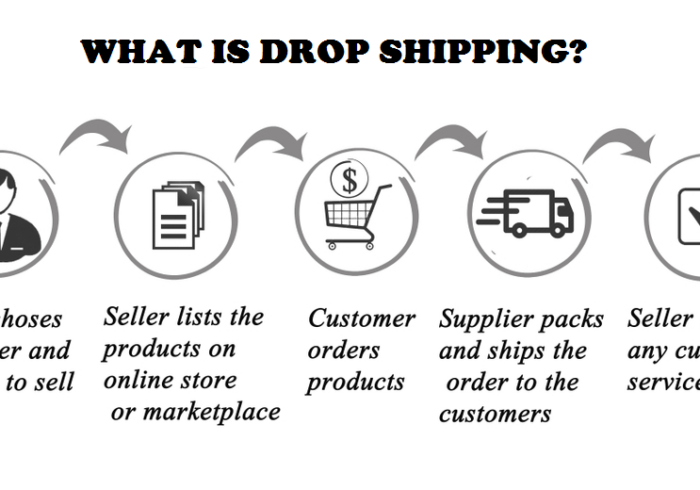
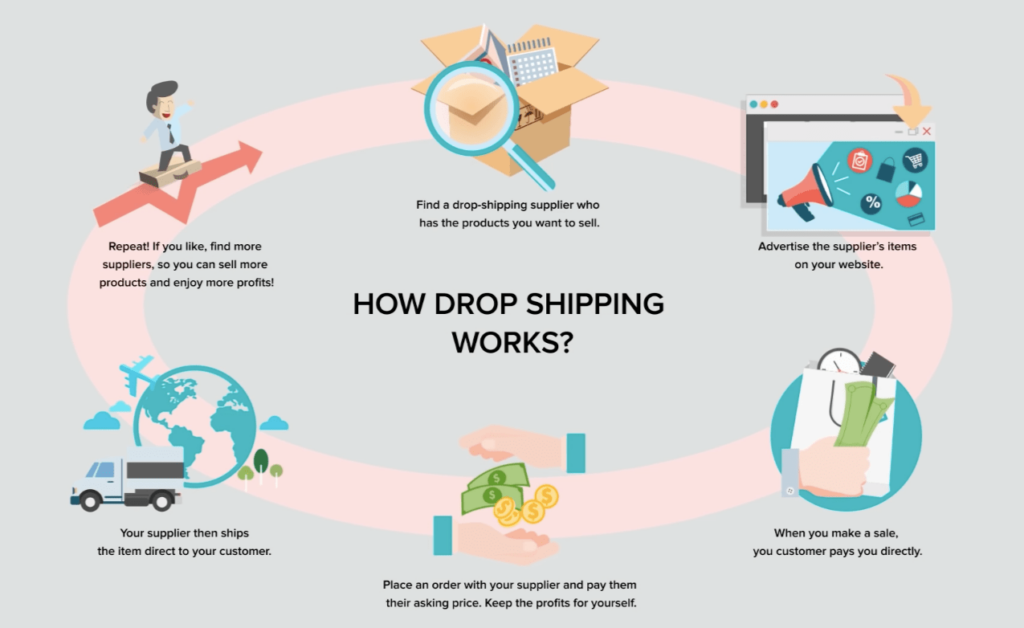
Drop shipping is a retail fulfillment method that allows entrepreneurs to sell products without holding any inventory. Instead of purchasing products upfront, a drop shipping business buys items from a third-party supplier who ships them directly to the customer. This model has gained immense popularity in recent years, particularly in the realm of online business, due to its low startup costs and minimal risk.
The Growth of Drop Shipping in E-Commerce
The rise of e-commerce has transformed the retail landscape, making it easier than ever for individuals to start their own businesses. Drop shipping has emerged as a favored model for many aspiring entrepreneurs because it eliminates the need for significant upfront investment in inventory. With platforms like Shopify, WooCommerce, and Amazon, anyone can set up an online store and start selling products within a matter of hours.
Benefits of Starting a Drop Shipping Online Business
- Low Initial Investment: One of the most significant advantages of drop shipping is the low barrier to entry. Entrepreneurs do not need to invest in inventory, which reduces financial risk and allows them to allocate resources to marketing and customer acquisition.
- Flexibility and Scalability: Drop shipping businesses can be operated from anywhere with an internet connection, providing entrepreneurs with the flexibility to work from home or while traveling. Additionally, as the business grows, it can easily scale without the need for additional physical space or inventory management.
- Wide Product Range: Drop shipping allows entrepreneurs to offer a diverse range of products without the constraints of physical inventory. This flexibility enables them to adapt to market trends and consumer demands quickly.
- Focus on Marketing and Customer Service: Since drop shipping eliminates the need for inventory management, entrepreneurs can focus their efforts on marketing and providing excellent customer service, which are crucial for business success.
Challenges of Running a Drop Shipping Online Business
While drop shipping offers numerous benefits, it also comes with its own set of challenges that entrepreneurs must navigate.
Supplier Reliability
One of the most significant challenges in drop shipping is ensuring that suppliers are reliable. Delays in shipping, poor product quality, and inaccurate inventory levels can lead to dissatisfied customers and damage a retailer’s reputation. Therefore, it is crucial for entrepreneurs to establish strong relationships with trustworthy suppliers. Conducting thorough research and reading reviews can help in selecting the right partners.
Competition
The low barrier to entry in the drop shipping industry means that competition can be fierce. Many entrepreneurs are vying for the same customers, making it essential to differentiate one’s business through unique branding, exceptional customer service, and effective marketing strategies. Finding a niche market or offering exclusive products can help mitigate competition.
Profit Margins
Drop shipping typically involves lower profit margins compared to traditional retail models. Retailers must carefully consider pricing strategies to ensure they can cover costs while remaining competitive. This often requires a keen understanding of market trends and consumer behavior. Additionally, entrepreneurs should be aware of hidden costs, such as shipping fees and transaction fees, which can eat into profits.
Customer Service Challenges
In a drop shipping model, the retailer is responsible for customer service, even though they do not handle the products directly. This can lead to challenges, especially if there are issues with shipping or product quality. Providing excellent customer service is essential for maintaining a positive reputation and encouraging repeat business. Entrepreneurs should have clear communication channels and policies in place to address customer inquiries and complaints promptly.
Steps to Start a Drop Shipping Online Business
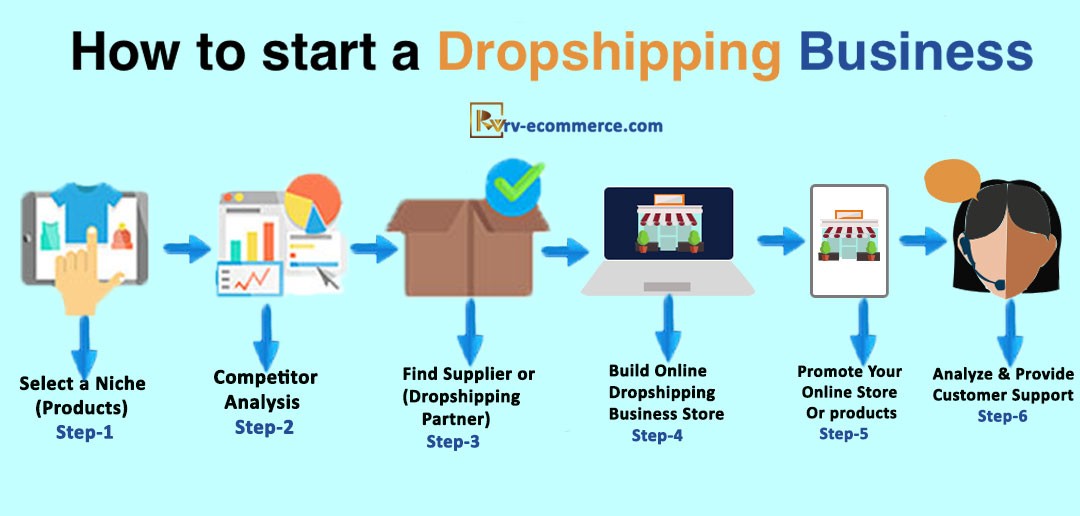
Starting a drop shipping business involves several key steps that entrepreneurs should follow to ensure success.
Choosing a Niche
Selecting the right niche is critical for the success of a drop shipping business. Entrepreneurs should conduct thorough market research to identify trending products and assess competition. A well-defined niche can help businesses target specific customer segments and build a loyal customer base. Tools like Google Trends, social media insights, and keyword research can provide valuable data on consumer interests.
Finding Reliable Suppliers
Once a niche is established, the next step is to find reliable suppliers. Entrepreneurs can use platforms to connect with potential suppliers. It is essential to vet suppliers thoroughly, checking for product quality, shipping times, and customer service responsiveness. Establishing a good relationship with suppliers can also lead to better pricing and terms.
Building an Online Store
Creating an online store is a crucial step in the drop shipping process. Entrepreneurs can use e-commerce platforms like Shopify or WooCommerce to set up their stores quickly. It is important to design a user-friendly website that showcases products effectively and provides a seamless shopping experience. High-quality images, detailed product descriptions, and easy navigation are key elements of a successful online store.
Marketing Strategies
Effective marketing is vital for attracting customers to a drop shipping business. Entrepreneurs should consider various marketing strategies, including social media marketing, search engine optimization (SEO), and email marketing. Building a strong online presence can help drive traffic to the store and increase sales. Collaborating with influencers or running targeted ad campaigns can also enhance visibility and reach.
Managing Finances
Financial management is crucial for the sustainability of a drop shipping business. Entrepreneurs should keep track of all expenses, including marketing costs, supplier payments, and operational expenses. Using accounting software can help streamline this process and provide insights into profitability. Setting a budget and monitoring cash flow are essential practices for long-term success.
Legal Considerations
Starting a drop shipping business also involves understanding the legal requirements. Entrepreneurs should register their business, obtain necessary licenses, and comply with tax regulations. It is advisable to consult with a legal professional to ensure compliance with local laws and regulations. Additionally, understanding consumer protection laws and return policies is essential for maintaining customer trust.
Conclusion
Starting a drop shipping online business can be a rewarding venture for aspiring entrepreneurs. While the model offers numerous benefits, it also comes with challenges that require careful planning and execution. By understanding the dynamics of drop shipping, selecting the right niche, and implementing effective marketing strategies, entrepreneurs can build successful businesses in this competitive landscape.
Unlock the potential of your online shopping experience with exclusive deals and a diverse range of products at unbeatable prices—explore now at https://looperbuy.com/.
Related Questions & Answers
· What is drop shipping? Drop shipping is a retail fulfillment method where a store sells products without keeping them in stock, purchasing them from a third party that ships directly to the customer.
· How do I find reliable suppliers for drop shipping? You can find reliable suppliers through platforms like AliExpress, Oberlo, or SaleHoo. It’s essential to vet suppliers by checking reviews and product quality.
· What are the best platforms for setting up a drop shipping store? Popular platforms for drop shipping include Shopify, WooCommerce, and BigCommerce, which offer user-friendly interfaces and various tools for managing your store.
· How can I effectively market my drop shipping business? Effective marketing strategies include social media marketing, search engine optimization (SEO), email marketing, and influencer collaborations to increase visibility and attract customers.
· What are the common challenges faced in drop shipping? Common challenges include supplier reliability, intense competition, lower profit margins, customer service issues, and managing finances effectively.
Hot Tags: Drop Shipping; Online Business; E-Commerce; Retail Fulfillment; Supplier Management; Market Research; Digital Marketing; Shopify; WooCommerce