Table of Contents
Understanding the Basics of E-Commerce
E-commerce has revolutionized the way we shop and do business. With the rise of online shopping, more entrepreneurs are looking to tap into this lucrative market. This guide will provide you with a comprehensive understanding of e-commerce, focusing on the essential elements that can help you succeed in this dynamic environment.
What is E-Commerce?
E-commerce, or electronic commerce, refers to the buying and selling of goods and services over the internet. It encompasses a wide range of business models, including retail, wholesale, and dropshipping. The convenience of online shopping has made e-commerce a popular choice for consumers, leading to significant growth in the industry.
Types of E-Commerce Models
There are several e-commerce models that businesses can adopt:
- Business to Consumer (B2C): This is the most common model, where businesses sell directly to consumers. Examples include online retailers like Amazon and eBay.
- Business to Business (B2B): In this model, businesses sell products or services to other businesses. This can include wholesale suppliers and manufacturers.
- Consumer to Consumer (C2C): This model allows consumers to sell directly to other consumers, often facilitated by platforms like eBay or Craigslist.
- Consumer to Business (C2B): In this model, individuals sell products or services to businesses, such as freelance work or influencer marketing.
Getting Started with Your E-Commerce Business
Starting an e-commerce business can be an exciting venture. However, it requires careful planning and execution. Here are the key steps to get you started.
Step 1: Identify Your Niche
Choosing the right niche is crucial for your e-commerce success. A niche is a specific segment of the market that you will target. Consider your interests, market demand, and competition when selecting a niche. Researching trends and consumer behavior can help you identify profitable opportunities.
Finding Your Passion
When selecting a niche, it’s essential to find something you are passionate about. This passion will keep you motivated during challenging times. Consider your hobbies, interests, and expertise. For example, if you love fitness, you might consider selling workout gear or nutritional supplements.
Analyzing Market Demand
Once you have a few niche ideas, analyze their market demand. Use tools like Google Trends to see how popular your niche is over time. Look for keywords related to your niche and assess their search volume. This will give you an idea of how many potential customers are interested in your products.
Step 2: Conduct Market Research
Once you have identified your niche, conduct thorough market research. This involves analyzing your target audience, understanding their needs, and evaluating your competitors. Use tools like surveys, social media, and Google Trends to gather insights. This information will help you tailor your products and marketing strategies effectively.
Understanding Your Target Audience
Knowing your target audience is crucial for your marketing efforts. Create buyer personas that represent your ideal customers. Consider their demographics, interests, and pain points. This will help you create targeted marketing campaigns that resonate with your audience.
Evaluating Competitors
Analyze your competitors to understand their strengths and weaknesses. Look at their product offerings, pricing strategies, and customer reviews. This information can help you identify gaps in the market and differentiate your business.
Step 3: Choose Your Business Model
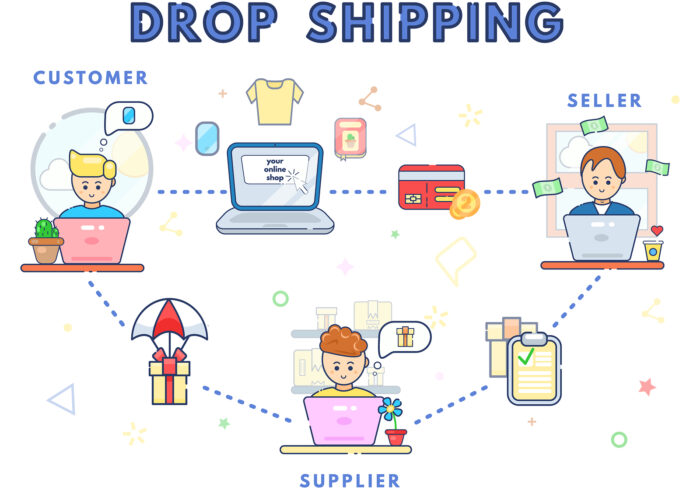
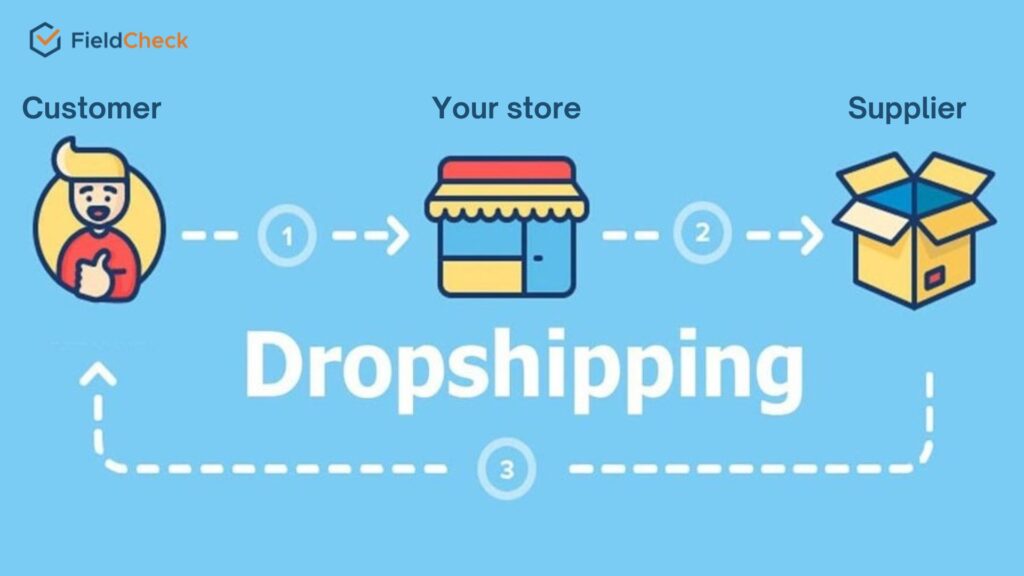
Decide on the business model that best suits your goals. If you prefer a low-risk approach, dropshipping may be the ideal option. This model allows you to sell products without holding inventory, as suppliers ship directly to customers. Alternatively, you may choose to hold inventory and manage shipping yourself, which can provide more control over your business.
Pros and Cons of Dropshipping
Dropshipping has several advantages, including low startup costs and minimal risk. However, it also has drawbacks, such as lower profit margins and less control over product quality and shipping times. Consider these factors when deciding if dropshipping is the right model for you.
Holding Inventory
If you choose to hold inventory, you will need to invest in stock upfront. This model allows for higher profit margins and greater control over your products. However, it also comes with risks, such as overstocking or stockouts. Carefully assess your financial situation and business goals before making a decision.
Step 4: Set Up Your Online Store
Creating an online store is a critical step in your e-commerce journey. You can choose to build your website from scratch or use e-commerce platforms like Shopify, WooCommerce, or BigCommerce. Ensure that your website is user-friendly, visually appealing, and optimized for mobile devices. Include essential features such as product descriptions, high-quality images, and secure payment options.
Choosing the Right E-Commerce Platform
When selecting an e-commerce platform, consider factors such as ease of use, customization options, and pricing. Shopify is known for its user-friendly interface, while WooCommerce offers more flexibility for those familiar with WordPress. Evaluate your needs and choose a platform that aligns with your business goals.
Designing Your Store
Your online store’s design plays a significant role in attracting and retaining customers. Use high-quality images and clear product descriptions to showcase your offerings. Ensure that your website is easy to navigate, with a straightforward checkout process. A well-designed store can enhance the customer experience and increase conversion rates.
Step 5: Develop a Marketing Strategy
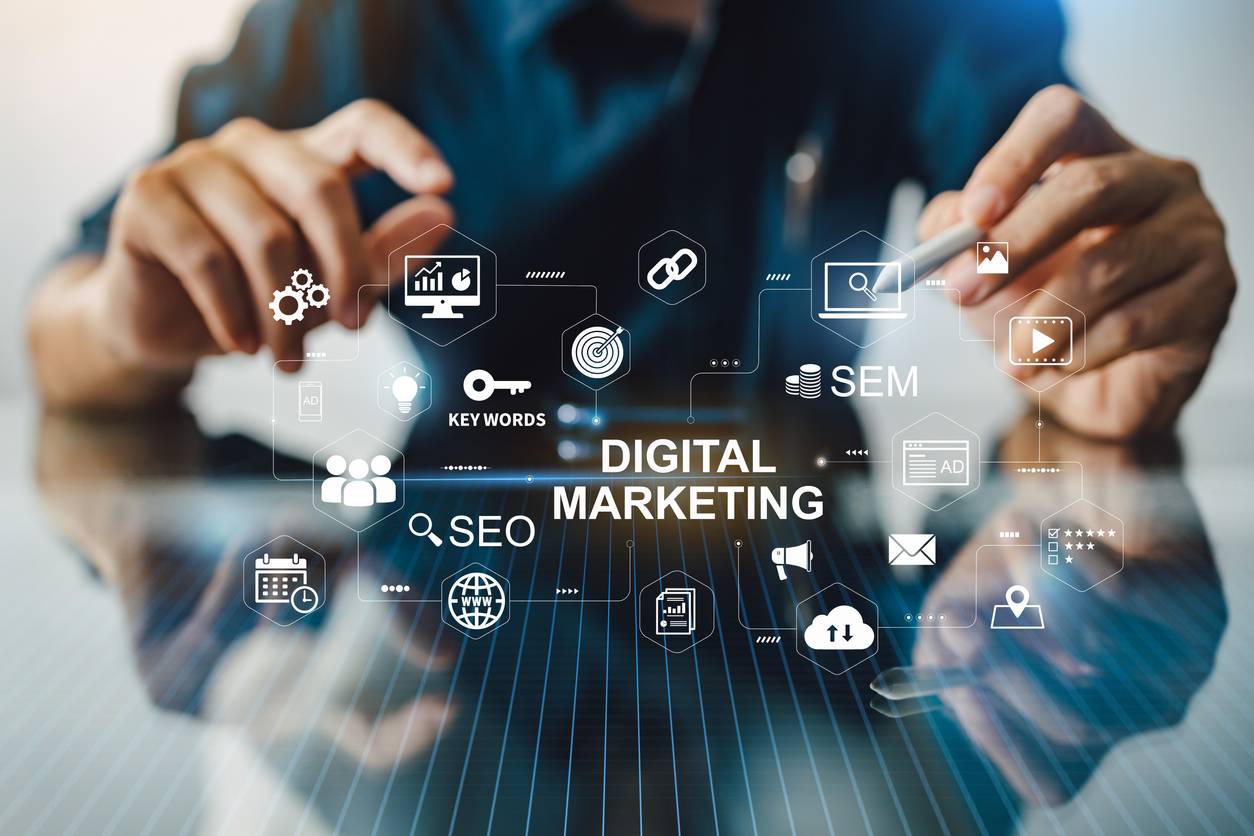
A solid marketing strategy is essential for attracting customers to your online store. Utilize various digital marketing techniques, including:
- Search Engine Optimization (SEO): Optimize your website for search engines to improve visibility and attract organic traffic.
- Social Media Marketing: Leverage platforms like Facebook, Instagram, and Pinterest to promote your products and engage with your audience.
- Email Marketing: Build an email list to communicate with customers, share promotions, and encourage repeat purchases.
- Content Marketing: Create valuable content, such as blog posts and videos, to establish your brand and drive traffic to your site.
Leveraging Social Media
Social media is a powerful tool for e-commerce businesses. Create engaging content that showcases your products and encourages user interaction. Consider running paid advertising campaigns on platforms like Facebook and Instagram to reach a broader audience. Collaborating with influencers in your niche can also help increase brand awareness.
Building an Email List
Email marketing is one of the most effective ways to nurture customer relationships. Offer incentives, such as discounts or exclusive content, to encourage visitors to subscribe to your email list. Use email campaigns to keep your audience informed about new products, promotions, and company updates.
Managing Your E-Commerce Business
Once your online store is up and running, effective management is key to sustaining growth. Here are some essential aspects to consider.
Inventory Management
If you choose to hold inventory, efficient inventory management is crucial. Use inventory management software to track stock levels, manage orders, and forecast demand. This will help you avoid stockouts and overstock situations, ensuring a smooth operation.
Implementing Inventory Management Tools
Consider using tools like TradeGecko or Cin7 to streamline your inventory management process. These tools can help you automate tasks, track sales, and manage suppliers, allowing you to focus on growing your business.
Customer Service
Providing excellent customer service is vital for building trust and loyalty. Respond promptly to customer inquiries, address concerns, and handle returns efficiently. Consider implementing live chat support or chatbots to enhance customer experience.
Creating a Customer Service Strategy
Develop a customer service strategy that outlines your approach to handling inquiries and complaints. Train your team to provide consistent and helpful support. Consider using customer feedback to improve your products and services continually.
Analyzing Performance
Regularly analyze your business performance to identify areas for improvement. Use analytics tools to track website traffic, conversion rates, and customer behavior. This data will help you make informed decisions and optimize your marketing strategies.
Utilizing Analytics Tools
Tools like Google Analytics and Shopify Analytics can provide valuable insights into your business performance. Monitor key metrics, such as average order value and customer acquisition cost, to assess the effectiveness of your marketing efforts.
Conclusion
Starting an e-commerce business can be a rewarding endeavor, but it requires careful planning and execution. By understanding the basics of e-commerce, identifying your niche, and implementing effective marketing strategies, you can set yourself up for success. Remember to continuously analyze your performance and adapt to market changes to stay competitive.
As you embark on your e-commerce journey, remember that the right tools and resources can significantly enhance your shopping experience and streamline your business operations. Discover the best deals and products tailored for your needs at https://looperbuy.com/.
Related Questions & Answers
· What are the legal requirements for starting an online store? To start an online store, you need to register your business, obtain necessary licenses, and comply with tax regulations. It’s essential to research the legal requirements specific to your location.
· How can I handle returns and refunds effectively in e-commerce? Establish a clear return policy that outlines the process for returns and refunds. Communicate this policy to customers and ensure that your team is trained to handle returns efficiently.
· What are some common mistakes to avoid when starting an e-commerce business? Common mistakes include neglecting market research, underestimating marketing efforts, and failing to provide excellent customer service. Avoiding these pitfalls can help you build a successful e-commerce business.
· How can I improve my e-commerce website’s SEO? To improve SEO, optimize your website’s content with relevant keywords, ensure fast loading times, and create high-quality backlinks. Regularly update your content to keep it fresh.
· What are effective marketing strategies for e-commerce? Effective strategies include SEO, social media marketing, email marketing, and content marketing. Combining these approaches can help attract and retain customers.
Hot Tags: E-Commerce; Online Business; Dropshipping; Digital Marketing; Market Research; Customer Service; Inventory Management; SEO; E-Commerce Platforms