In today’s fast-paced world, maintaining the freshness of our meals while on the go is essential. Whether you’re packing lunch for work, school, or a picnic, ice packs play a crucial role in keeping your food at the right temperature. This comprehensive guide will explore the various types of ice packs for lunch boxes, their benefits, how to choose the right one, and tips for effective use.
Table of Contents
Understanding Ice Packs
What Are Ice Packs?
Ice packs are portable cooling devices designed to maintain the temperature of food and beverages. They are typically filled with a gel or liquid that freezes and retains cold temperatures for extended periods. Ice packs are essential for lunch boxes, coolers, and any situation where food needs to be kept fresh.
Benefits of Using Ice Packs
Using ice packs in your lunch box offers several advantages:
- Temperature Control: Ice packs help keep perishable items, such as dairy products, meats, and fruits, at safe temperatures, reducing the risk of foodborne illnesses.
- Extended Freshness: By maintaining a cool environment, ice packs can prolong the freshness of your food, allowing you to enjoy your meals throughout the day.
- Convenience: Ice packs are easy to use and can be reused multiple times, making them a practical solution for daily meal prep.

Types of Ice Packs for Lunch Boxes
1. Gel Ice Packs
Gel ice packs are among the most common types used in lunch boxes. They are filled with a nontoxic gel that freezes solid and retains cold temperatures for several hours. Gel packs are flexible, allowing them to conform to the shape of your lunch box, maximizing cooling efficiency.
2. Ice Block Packs
Ice block packs are solid ice packs that provide a longer-lasting cooling effect. They are typically larger and heavier than gel packs, making them suitable for larger lunch boxes or coolers. Ice block packs are ideal for keeping multiple items cold for extended periods, such as during long road trips or outdoor events.
3. Slim Ice Packs
Slim ice packs are designed to fit into tight spaces, making them perfect for smaller lunch boxes. These packs are lightweight and can be easily stacked or placed alongside food items. Slim ice packs are great for keeping sandwiches, salads, and snacks cool without taking up too much space.
4. Reusable Ice Packs
Reusable ice packs are designed for long-term use and can be refrozen multiple times. They are often made from durable materials that can withstand regular use. Reusable ice packs are an eco-friendly option, reducing waste compared to single-use ice packs.
5. Flexible Ice Packs
Flexible ice packs are made from soft materials that allow them to bend and conform to the contents of your lunch box. These packs are ideal for wrapping around food items or fitting into irregular spaces. Flexible ice packs provide excellent cooling while maximizing space efficiency.
Choosing the Right Ice Pack for Your Lunch Box
Consider Your Needs
When selecting an ice pack, consider how you plan to use it. If you need to keep food cold for an extended period, opt for larger ice block packs. For everyday lunches, gel or slim ice packs may be more suitable.
Size and Shape
Choose an ice pack that fits well in your lunch box. Measure the dimensions of your lunch box and select an ice pack that can be easily accommodated. Consider the shape of the ice pack as well; some designs may fit better alongside your food items than others.
Cooling Duration
Different ice packs offer varying cooling durations. If you need your food to stay cold for several hours, look for ice packs specifically designed for long-lasting cooling. Check product specifications for estimated cooling times.
Material and Safety
Ensure that the ice pack is made from safe, nontoxic materials. Many gel packs are designed to be safe for food contact, but it’s always a good idea to check the packaging for safety information.
Tips for Using Ice Packs Effectively
Pre-Freeze Your Ice Packs
To maximize the cooling effect, pre-freeze your ice packs overnight before using them in your lunch box. This ensures that they are at their coldest when you pack your meals.
Pack Strategically
When packing your lunch box, place the ice pack on top of or alongside perishable items. This will help maintain a cool environment for your food. If using multiple ice packs, distribute them evenly throughout the lunch box for optimal cooling.
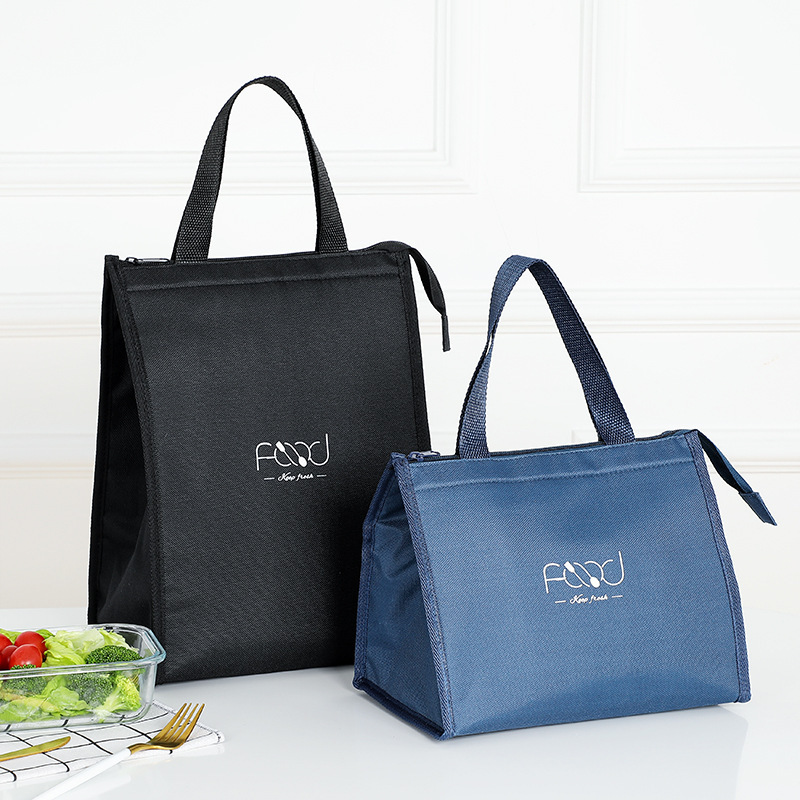
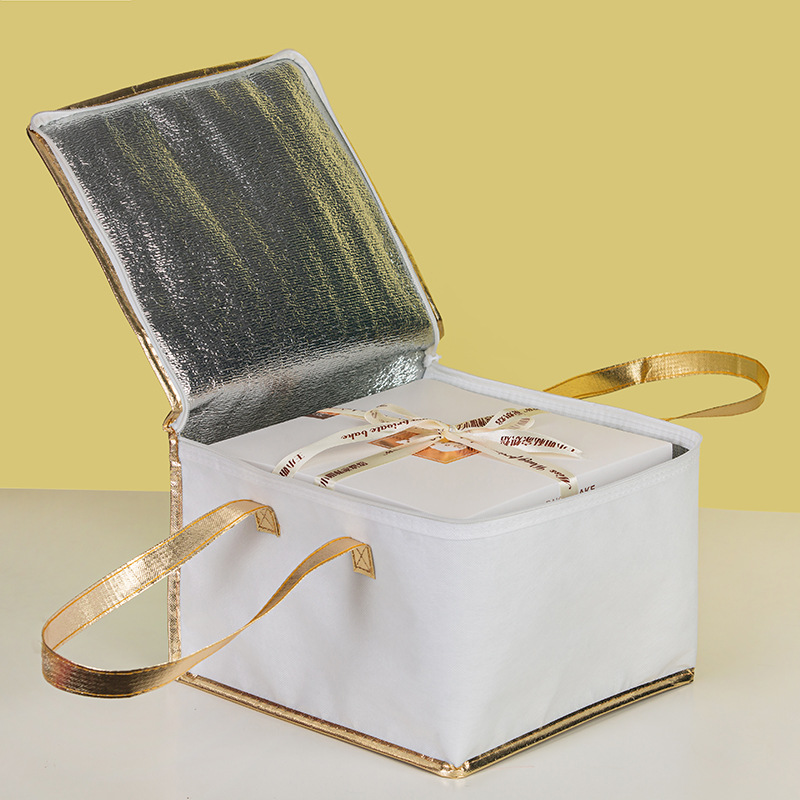
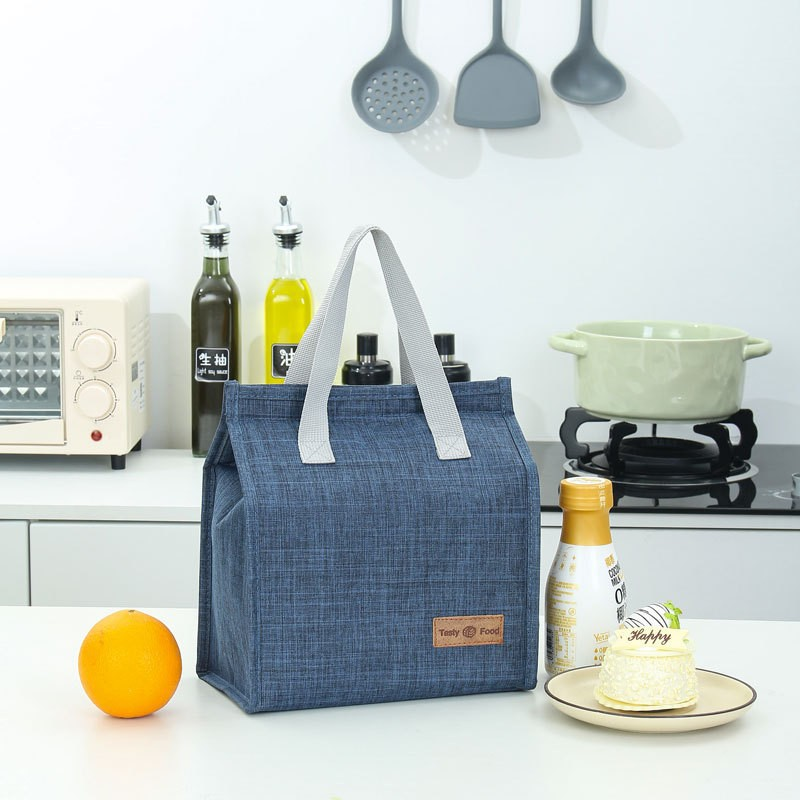
Use Insulated Lunch Boxes
Pairing your ice packs with insulated lunch boxes can enhance their effectiveness. Insulated boxes help retain cold temperatures, allowing your food to stay fresh for longer periods.
Monitor Temperature
If you’re packing food that is particularly sensitive to temperature, consider using a food thermometer to monitor the temperature of your meals. This can help ensure that your food stays within safe temperature ranges.
Clean Your Ice Packs Regularly
To maintain hygiene, clean your ice packs regularly. Wipe them down with a damp cloth and mild soap to remove any residue. Ensure they are completely dry before refreezing to prevent mold growth.
Conclusion
Ice packs are an essential tool for keeping your food fresh and safe while on the go. By understanding the different types of ice packs available, how to choose the right one, and tips for effective use, you can ensure that your meals stay at the perfect temperature. Investing in quality ice packs will enhance your lunch experience and make it easier to enjoy delicious, fresh food throughout the day.
How to purchase:Online B2B sourcing platform, China purchase, Chinese suppliers – LooperBuy
Frequently Asked Questions
1. How long do ice packs keep food cold?
The duration that ice packs keep food cold varies by type. Gel packs typically last 4-6 hours, while ice block packs can last longer, depending on the size and insulation of your lunch box.
2. Can I use ice packs for hot food?
No, ice packs are designed for cold items. If you need to keep food hot, consider using insulated containers or heat packs instead.
3. Are ice packs safe for food?
Most gel ice packs are made from nontoxic materials and are safe for food contact. Always check the packaging for safety information.
4. How do I clean my ice packs?
Wipe your ice packs with a damp cloth and mild soap after each use. Ensure they are completely dry before refreezing.
5. Can I use ice packs in a cooler?
Yes, ice packs are great for use in coolers. They help maintain a cold environment for food and beverages during outings.
HOT TAG: ice pack lunch box, food preservation, portable cooling solutions, meal prep essentials, reusable ice packs, eco-friendly alternatives, lunch box tips, food safety, outdoor dining, insulated containers, cooling efficiency, summer picnics, travel essentials, healthy eating, temperature control.