
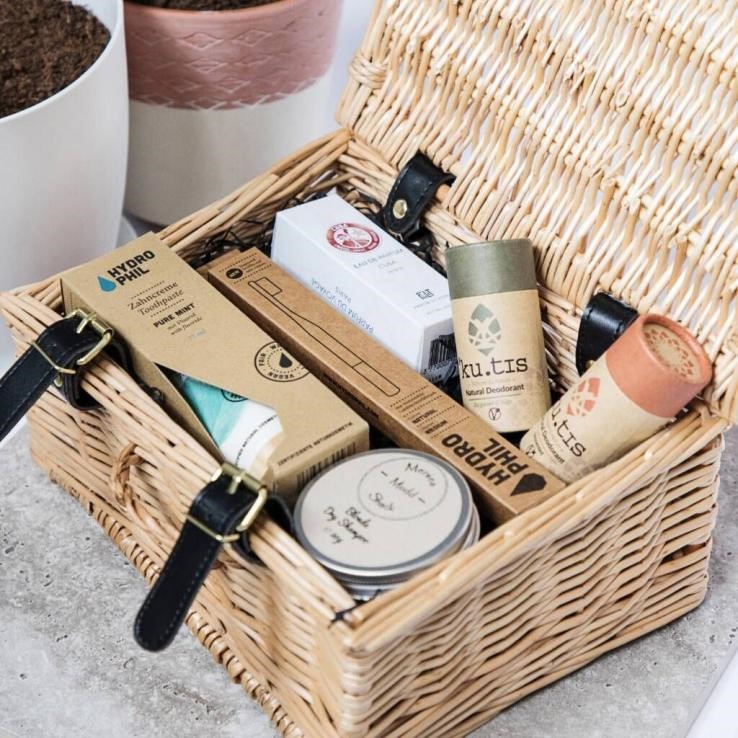
Toiletries are essential items that we use daily for personal hygiene and grooming. As the market evolves, so do the trends and practices surrounding the sourcing of these products. This article delves into the sustainability of toiletries, current market trends, DIY alternatives, and the importance of ethical sourcing.
Table of Contents
Understanding Toiletries
Toiletries encompass a wide range of products, including soaps, shampoos, deodorants, toothpaste, and skincare items. These products are not only vital for personal hygiene but also play a significant role in our daily routines and self-care practices.
The Importance of Sustainable Sourcing
Sustainable sourcing refers to the practice of obtaining materials and products in a way that is environmentally friendly and socially responsible. In the context of toiletries, this means using ingredients that are ethically sourced, minimizing waste, and reducing the carbon footprint associated with production and distribution.
Key Aspects of Sustainable Sourcing:
- Ingredient Transparency: Brands are increasingly being held accountable for the ingredients they use. Consumers are looking for products that are free from harmful chemicals and are made from natural, organic materials.
- Eco-Friendly Packaging: Many companies are shifting towards biodegradable or recyclable packaging to reduce plastic waste. For instance, brands like Ethique offer solid shampoo bars that eliminate the need for plastic bottles .
Local Sourcing: Sourcing ingredients locally not only supports local economies but also reduces transportation emissions. This practice is becoming more common in the hospitality industry, where hotels are opting for locally made toiletries .
Market Trends in Toiletries (2024)
The toiletries market is projected to grow significantly in the coming years. According to recent reports, the global toiletries market size is expected to increase from $173.33 billion in 2024 to $263.31 billion by 2032, with a compound annual growth rate (CAGR) of 5.37% .
Emerging Trends:
- Natural and Organic Products: There is a growing demand for natural and organic toiletries as consumers become more health-conscious and environmentally aware.
- Men’s Grooming Products: The men’s toiletries segment is expanding rapidly, with more brands launching products specifically designed for male consumers .
- Personalization: Brands are beginning to offer personalized products tailored to individual skin types and preferences, enhancing the consumer experience.
DIY Toiletries: A Sustainable Alternative
Creating your own toiletries at home is not only cost-effective but also allows you to control the ingredients used. DIY toiletries can be made from natural ingredients, reducing the reliance on commercial products that may contain harmful chemicals.

Popular DIY Toiletries Recipes:
- Homemade Shampoo: Combine 1 cup of water, 1/4 cup of liquid Castile soap, and essential oils for fragrance.
- Natural Deodorant: Mix coconut oil, baking soda, and essential oils to create a simple, effective deodorant .
- Toothpaste: Blend baking soda, coconut oil, and a few drops of peppermint essential oil for a refreshing toothpaste.
The Future of Toiletries
As we move forward, the toiletries industry will continue to adapt to consumer demands for sustainability and ethical practices. Brands that prioritize transparency, eco-friendliness, and innovation will likely thrive in this evolving market.
Conclusion
The sourcing of toiletries is a critical aspect of the personal care industry. By embracing sustainable practices, staying informed about market trends, and exploring DIY options, consumers can make more conscious choices that benefit both their health and the environment.
How To Purchase:https://looperbuy.com/search?keywords=Toiletries


https://t.me/s/mcasino_martin/772
https://t.me/site_official_1win/303
https://t.me/s/iGaming_live/4867
Greeetings from Idaho! I’m bored too teas at wodk sso I ddecided to brose your blog onn myy iphkne uring lunnch break.
I really like thee innfo youu provide hefe aand can’t waqit tto take a
llook whhen I get home. I’m anazed aat howw qjick yojr blog lloaded onn mmy mobie ..
I’m not even using WIFI, just 3G .. Anyways, goood site!
xnxx
Don’t LET muscular tissue rawness ho-hum you pile. go for our https://www.cornbreadhemp.com/collections/full-spectrum-cbd-oil to know riotous CBD articulate relief right hand where you need it. powerful CBD cream off, CBD unguent, and CBD topical oil absorb promptly to console raw heftiness and speed up recovery. Perfect for athlete and alive lifestyles, this direct CBD rilievo keep back you moving well. repossess your mobility with high-potency CBD skin care and CBD pain backup man ware. enjoin raw CBD normal today and feeling the herculean strong-arm gain of virginal CBD!