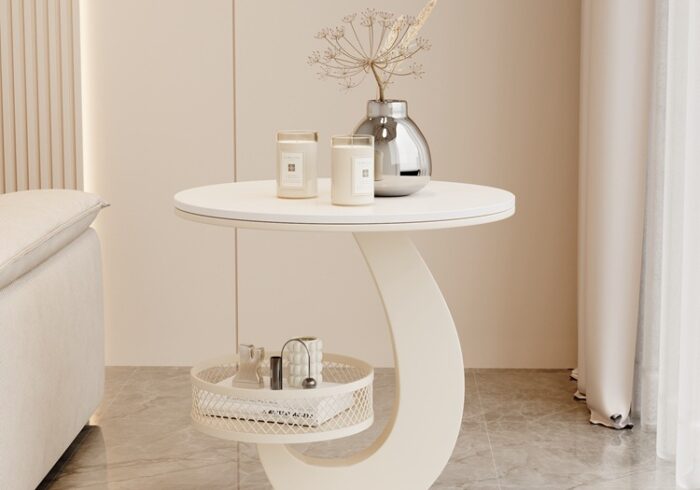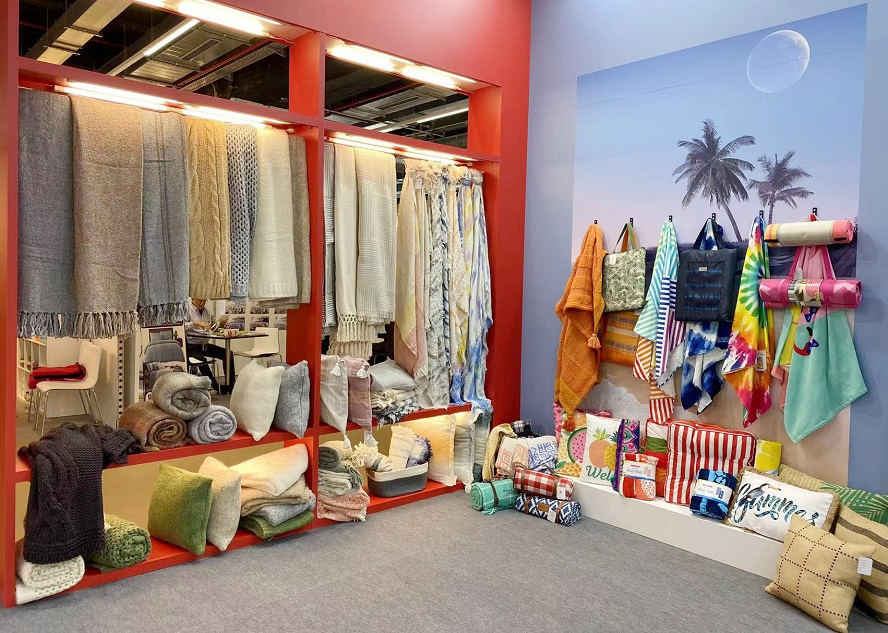
The traditional retail home textiles sector has been a cornerstone of interior design and home furnishings for decades. It encompasses a wide range of products, including bed linens, curtains, towels, cushions, carpets, and rugs, which not only add aesthetic appeal but also provide comfort and functionality to living spaces. As the world becomes increasingly digital, traditional retail faces significant challenges from e-commerce platforms. However, it continues to hold its ground by offering unique experiences and personalized services that online channels often cannot match.
Table of Contents
The Role of Traditional Retail in Home Textiles
Traditional retail stores for home textiles offer a tactile experience that allows consumers to see, touch, and feel the products before making a purchase. This sensory interaction is crucial for products like fabrics and textiles, where texture and quality are paramount. Moreover, traditional retail provides an opportunity for consumers to interact with knowledgeable sales staff who can offer advice on product selection, interior design, and maintenance tips. This personalized service builds trust and loyalty among customers, encouraging repeat business and positive word-of-mouth.
Challenges Faced by Traditional Retail
Despite its advantages, traditional retail in the home textiles sector faces several challenges:
- Competition from E-commerce: The rise of online shopping has significantly impacted traditional retail. E-commerce platforms offer convenience, competitive pricing, and a wide range of products that can be browsed from the comfort of one’s home. Many consumers prefer the ease of online shopping, especially for routine purchases like bed linens and towels.
- Changing Consumer Preferences: Consumers are increasingly seeking sustainable and eco-friendly products. Traditional retailers must adapt by stocking environmentally friendly options and communicating their sustainability efforts effectively to appeal to this growing demographic.
- Technological Integration: To remain competitive, traditional retailers need to integrate technology into their operations. This can include digital displays, mobile apps for in-store navigation, and online platforms that complement their physical stores.
Market Trends and Innovations
The home textiles market is witnessing several trends that are influencing both traditional and online retail:
Sustainability and Eco-Friendliness
There is a growing demand for sustainable home textiles made from natural fibers such as cotton, wool, and silk. Consumers are willing to pay more for products that are environmentally friendly and produced using responsible manufacturing practices. Traditional retailers can capitalize on this trend by highlighting their sustainable offerings and partnering with suppliers who adhere to eco-friendly standards.
Digital Printing and Customization
Digital printing technology allows for the creation of unique, customized designs on fabrics. This trend is particularly popular in curtains, upholstery, and bed linens. Traditional retailers can offer made-to-order services, allowing customers to choose from a variety of designs and materials, which can be a differentiator from mass-produced online products.
Influence of Lifestyle Changes
Urbanization and changes in lifestyle are driving demand for home textiles. As people move to cities, they seek to create comfortable and stylish living spaces. Traditional retailers can cater to this demand by offering a wide range of products that appeal to urban dwellers, including compact furniture and versatile textiles.
Strategies for Traditional Retailers
To thrive in a competitive market, traditional retailers must adopt innovative strategies:
Enhancing Customer Experience
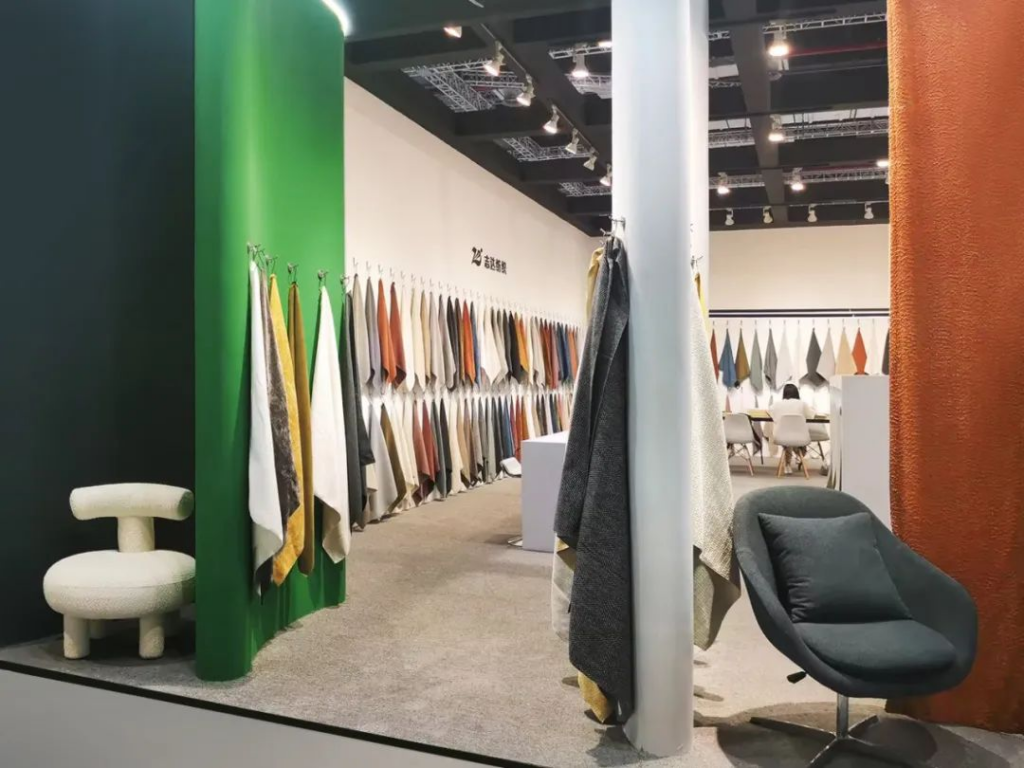
Creating an engaging in-store experience is crucial. This can be achieved through well-designed store layouts, interactive displays, and knowledgeable staff who can assist customers in making informed purchasing decisions.
Omnichannel Retailing
Implementing an omnichannel strategy allows traditional retailers to integrate their physical stores with online platforms. This ensures a seamless shopping experience across different channels, enabling customers to browse online and pick up products in-store or vice versa.
Partnerships and Collaborations
Collaborating with designers and brands can help traditional retailers offer exclusive products that are not readily available online. This can attract customers looking for unique and high-quality textiles.
Regional Market Dynamics
The demand for home textiles varies across regions due to differences in lifestyle, economic conditions, and cultural preferences:
North America
North America is a significant market for home textiles, driven by high consumer spending on home décor and a strong presence of e-commerce platforms. Traditional retailers in this region must focus on offering premium products and excellent customer service to compete effectively.
Europe
Europe also presents a substantial market, with consumers seeking high-quality, sustainable textiles. Traditional retailers here can benefit from emphasizing the eco-friendly aspects of their products and providing personalized services.
Asia-Pacific
In the Asia-Pacific region, countries like Japan and India are witnessing growth in the home textiles market. Japan’s market is driven by e-commerce and a preference for high-quality, traditional craftsmanship, while India’s growth is fueled by urbanization and rising disposable incomes.
Conclusion
Traditional retail in the home textiles sector faces challenges from e-commerce but remains vital due to its ability to offer personalized experiences and tactile interactions. By embracing sustainability, technology, and innovative marketing strategies, traditional retailers can not only survive but thrive in a rapidly evolving market.
How to purchase:https://looperbuy.com/search?keywords=retail+home+textiles
Frequently Asked Questions and Answers
What are the key products in the home textiles market?
The home textiles market includes a variety of products such as bed linens, curtains, towels, cushions, carpets, and rugs.
How is the rise of e-commerce impacting traditional retail in home textiles?
E-commerce is significantly impacting traditional retail by offering convenience, competitive pricing, and a wide range of products. However, traditional retailers can still compete by providing personalized services and tactile experiences.
What trends are currently influencing the home textiles market?
Sustainability, eco-friendliness, digital printing, and customization are among the key trends influencing the market.
How can traditional retailers enhance customer experience?
Traditional retailers can enhance customer experience by creating engaging store layouts, offering interactive displays, and providing knowledgeable staff assistance.
What role does omnichannel retailing play for traditional retailers?
Omnichannel retailing allows traditional retailers to integrate their physical stores with online platforms, providing a seamless shopping experience across different channels.