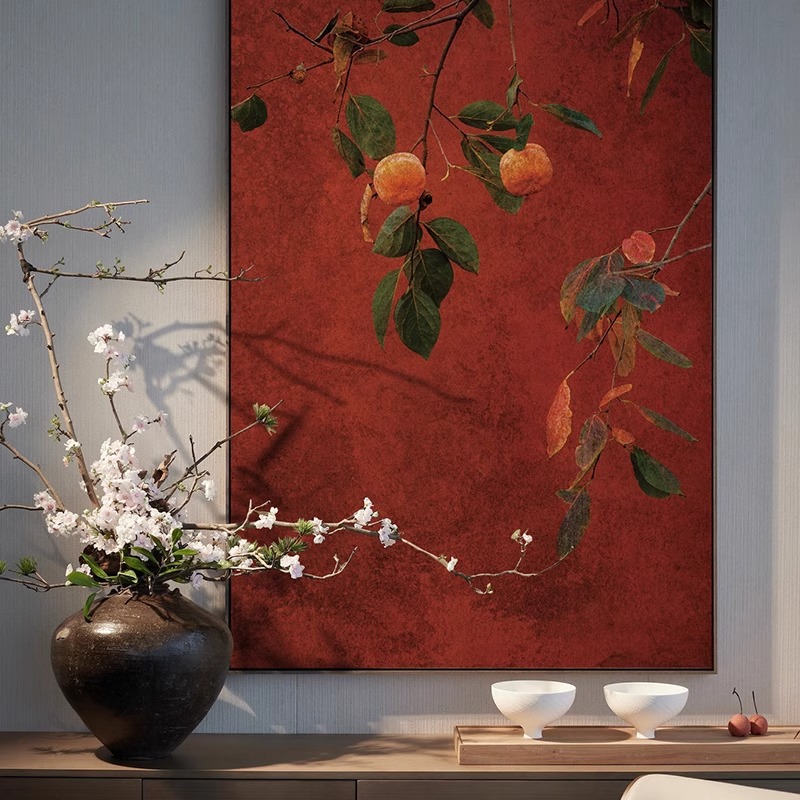
Decorative paintings have the power to transform any space, adding character, warmth, and a personal touch. Whether you are looking to enhance your home, office, or any other environment, the right artwork can make a significant difference. This article explores the various aspects of decorative paintings, including their history, styles, techniques, and tips for selecting the perfect pieces for your space.
Table of Contents
The History of Decorative Paintings
Ancient Beginnings
Decorative paintings have a rich history that dates back to ancient civilizations. From the intricate frescoes of the Roman Empire to the detailed murals of ancient Egypt, these artworks served not only as decoration but also as a means of storytelling. They often depicted religious themes, daily life, and significant events, providing insight into the culture and values of the time. The use of color and symbolism in these early works laid the foundation for the decorative arts as we know them today.
The Renaissance and Beyond
The Renaissance marked a significant turning point in the world of decorative art. Artists like Leonardo da Vinci and Michelangelo elevated painting to new heights, focusing on realism and human emotion. Decorative paintings during this period often adorned the walls of churches and palaces, showcasing the wealth and power of their patrons. As art movements evolved, so did the styles and techniques used in decorative paintings, leading to the diverse array we see today.
The Influence of the Baroque and Rococo Periods
Following the Renaissance, the Baroque and Rococo periods introduced a new level of opulence and drama to decorative paintings. Artists began to experiment with light and shadow, creating dynamic compositions that drew the viewer in. The Rococo style, characterized by its playful themes and pastel colors, became popular in the 18th century, influencing interior design and decorative arts across Europe. This era emphasized the importance of aesthetics in everyday life, paving the way for the modern appreciation of decorative paintings.
The 19th and 20th Centuries: A Shift in Perspective
The 19th century saw the rise of movements such as Romanticism and Impressionism, which further expanded the boundaries of decorative painting. Artists began to focus on personal expression and the beauty of the natural world, leading to a greater emphasis on color and light. The Impressionists, for example, captured fleeting moments and the effects of light on their subjects, creating a sense of immediacy and emotion in their work.
In the 20th century, the advent of modernism brought about radical changes in the art world. Artists like Pablo Picasso and Wassily Kandinsky challenged traditional notions of representation, paving the way for abstract art. Decorative paintings during this time often reflected the tumultuous social and political climate, with artists using their work as a means of commentary and expression. This period marked a significant departure from the past, as artists sought to redefine the role of art in society.
The Rise of Digital Art
As technology advanced, the art world saw the emergence of digital art, which has become an increasingly popular medium for decorative paintings. Artists can create stunning visuals using software and digital tools, allowing for precise control over color, texture, and composition. Digital paintings can be printed on various materials, making them accessible and versatile for different spaces. This modern approach to art opens up new possibilities for creativity and expression, appealing to a tech-savvy audience.
Understanding Different Styles of Decorative Paintings
Traditional Styles
Traditional decorative paintings often feature classic themes and techniques. These may include landscapes, portraits, and still lifes, rendered in a realistic style. Artists may use oil paints or watercolors to achieve a timeless look that complements traditional or vintage interiors. The charm of traditional styles lies in their ability to evoke nostalgia and a sense of history, making them ideal for spaces that aim to create a warm and inviting atmosphere.
Modern and Contemporary Styles
In contrast, modern and contemporary decorative paintings often embrace abstraction and experimentation. Artists may use bold colors, geometric shapes, and unconventional materials to create striking pieces that challenge traditional notions of art. These works can serve as focal points in a room, drawing the eye and sparking conversation. The freedom of expression found in contemporary art allows for a diverse range of interpretations, making it a popular choice for those looking to make a statement.
Cultural Influences
Decorative paintings are also influenced by cultural traditions. For example, Asian art often incorporates elements of nature and spirituality, while African art may focus on community and storytelling. Understanding these cultural contexts can help you choose pieces that resonate with your personal values and aesthetic preferences. Additionally, incorporating art from different cultures can create a rich tapestry of visual experiences in your space, celebrating diversity and creativity.
Eclectic Styles
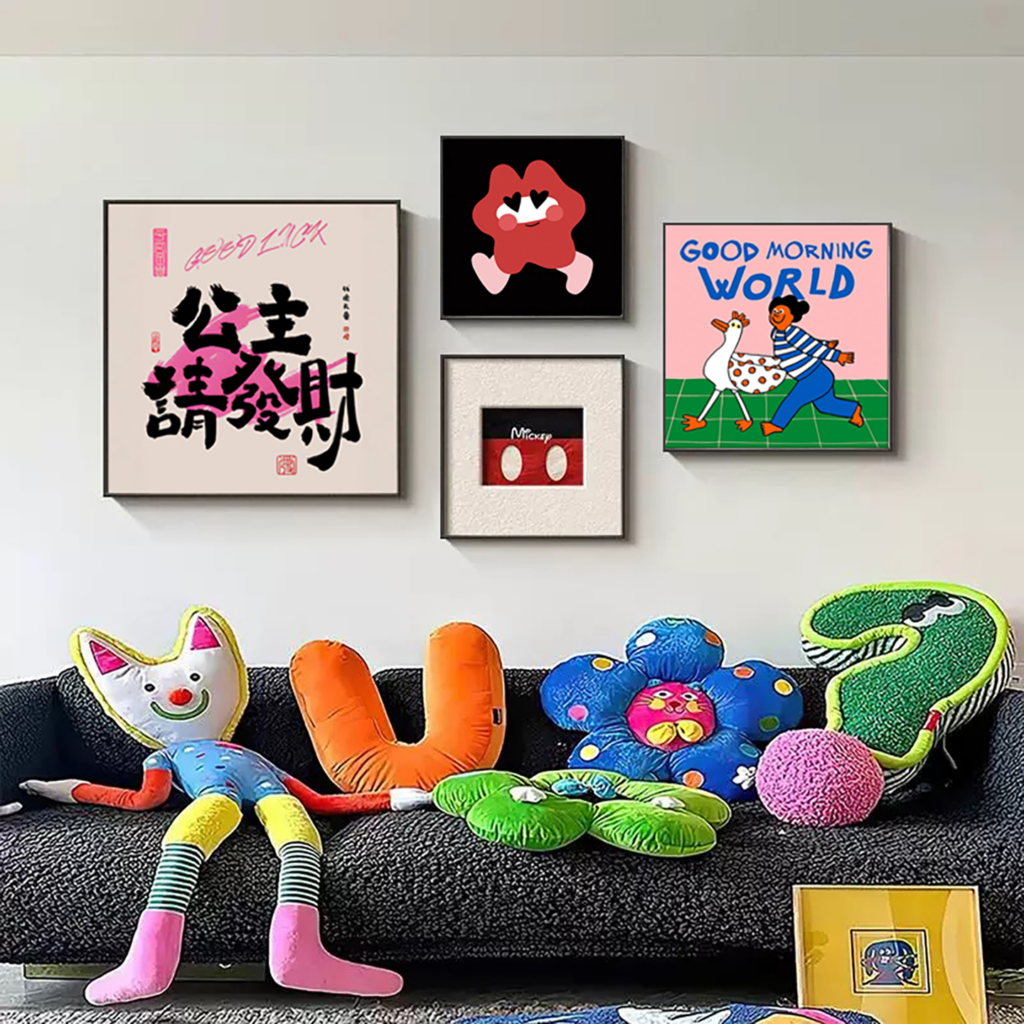
Eclectic decorative paintings combine various styles, techniques, and cultural influences to create unique and visually stimulating pieces. This approach allows artists to break free from traditional constraints and explore new ideas and forms. Eclectic art can include a mix of abstract and representational elements, often resulting in a vibrant and dynamic composition. For those who appreciate variety and creativity, eclectic decorative paintings can add a sense of adventure and excitement to any space.
Techniques Used in Decorative Paintings
Brushwork and Texture
The technique used in decorative paintings can greatly affect their overall appearance. Artists may employ various brushwork styles, from smooth and blended to rough and textured. The choice of technique can create different moods and atmospheres within a space. For instance, a painting with thick, impasto brushstrokes may evoke a sense of energy and movement, while a delicate watercolor piece can create a tranquil and serene environment.
Color Theory
Color plays a crucial role in decorative paintings. Artists often use color theory to create harmony and balance in their work. Understanding how colors interact can help you select paintings that enhance the existing color palette of your space. For example, complementary colors can create a vibrant contrast, while analogous colors can produce a more cohesive and soothing effect. The emotional impact of color should not be underestimated, as it can significantly influence the mood of a room.
Mixed Media
Many contemporary artists experiment with mixed media, combining traditional painting techniques with other materials such as fabric, paper, and found objects. This approach can add depth and interest to decorative paintings, making them unique and visually engaging. Mixed media works often tell a story, inviting viewers to explore the layers and textures that contribute to the overall composition. This technique allows for endless creativity and innovation, making it a favorite among modern artists.
Digital Techniques
With the rise of technology, digital art has become an increasingly popular medium for decorative paintings. Artists can create stunning visuals using software and digital tools, allowing for precise control over color, texture, and composition. Digital paintings can be printed on various materials, making them accessible and versatile for different spaces. This modern approach to art opens up new possibilities for creativity and expression, appealing to a tech-savvy audience.
Choosing the Right Decorative Paintings for Your Space
Assessing Your Space
Before selecting decorative paintings, it’s essential to assess your space. Consider the size of the walls, the existing color scheme, and the overall style of your decor. Large, bold pieces can make a statement in spacious areas, while smaller works may be better suited for cozy nooks. Additionally, think about the function of the space—art in a living room may differ from that in a bedroom or office, as each environment has its own unique atmosphere and purpose.
Personal Style and Preferences
Your personal style should guide your selection of decorative paintings. Whether you prefer classic, modern, or eclectic styles, choose pieces that resonate with you. Art is a reflection of your personality, and the right paintings can create a sense of harmony and comfort in your environment. Don’t be afraid to mix styles; an eclectic collection can showcase your diverse tastes and create a dynamic visual experience.
Creating a Cohesive Look
To create a cohesive look, consider how your decorative paintings will interact with other elements in the room. Grouping artworks by theme, color, or style can create a gallery-like effect, while mixing different styles can add visual interest and depth. Pay attention to the spacing between pieces, as well as their alignment, to ensure a balanced and harmonious display. A well-curated collection can elevate the overall aesthetic of your space.
Considering Scale and Proportion
When selecting decorative paintings, it’s important to consider scale and proportion. A large painting can dominate a small room, while a tiny piece may get lost on a vast wall. Aim for a balance that complements the space and enhances its features. Additionally, consider the height at which you hang your artwork; eye-level placement is generally most effective for viewing and appreciation.
Budget Considerations
Art can vary significantly in price, so it’s essential to establish a budget before you start shopping. While original pieces by renowned artists can be expensive, there are many affordable options available, including prints, reproductions, and works by emerging artists. Consider visiting local galleries, art fairs, or online platforms that specialize in affordable art to find pieces that fit your budget without compromising on quality.
Displaying Decorative Paintings
Framing and Presentation
The way you frame and present decorative paintings can significantly impact their visual appeal. Choose frames that complement the artwork and the surrounding decor. Additionally, consider the placement of the paintings—hanging them at eye level can enhance their impact. Experiment with different arrangements, such as a salon-style display or a linear arrangement, to find the best fit for your space.
Lighting Considerations
Proper lighting is crucial for showcasing decorative paintings. Natural light can bring out the colors and details of the artwork, while artificial lighting can create dramatic effects. Consider using spotlights or wall sconces to highlight your favorite pieces. Avoid direct sunlight, as it can fade colors over time. Instead, opt for soft, diffused lighting that enhances the artwork without overwhelming it.
Rotating Your Collection
To keep your space feeling fresh, consider rotating your decorative paintings periodically. This not only allows you to enjoy different artworks but also gives your space a new look without the need for major renovations. Changing your art can also reflect seasonal themes or personal milestones, making your environment feel more dynamic and alive.
Creating a Gallery Wall
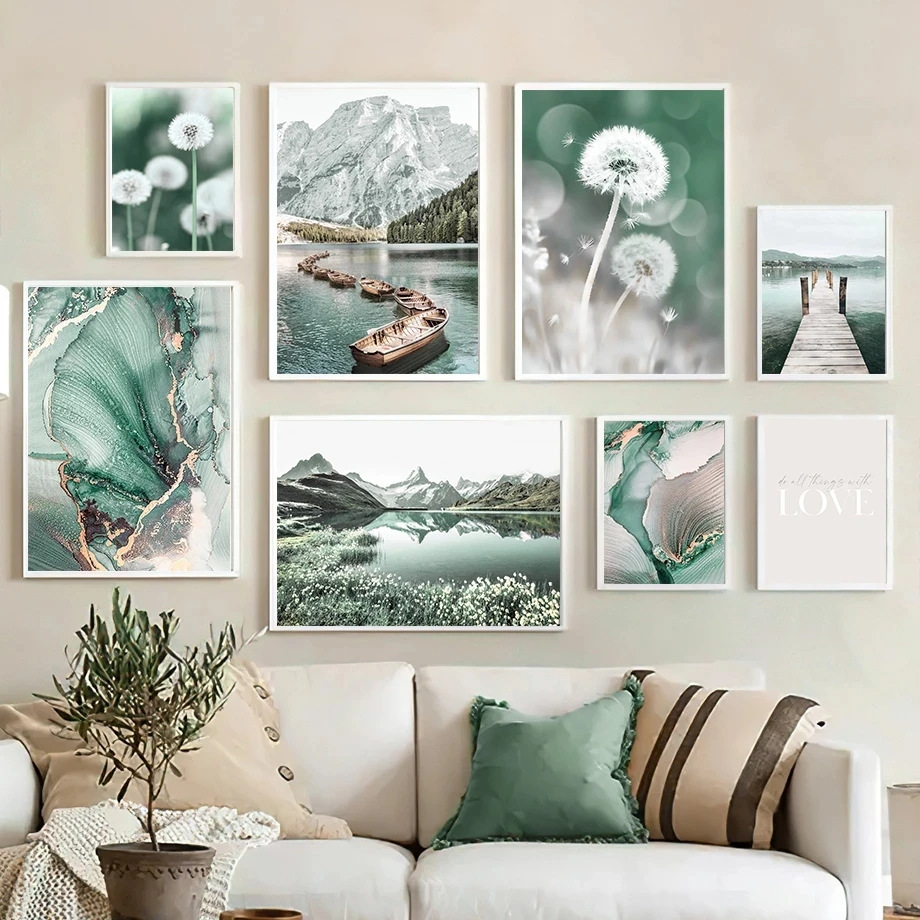
A gallery wall is an excellent way to display multiple decorative paintings in a cohesive and visually appealing manner. Start by selecting a theme or color palette to guide your choices. Arrange the pieces on the floor before hanging them to find the best layout. Consider varying the frame styles and sizes for an eclectic look, or use matching frames for a more uniform appearance. A well-executed gallery wall can become a stunning focal point in any room.
The Emotional Impact of Decorative Paintings
Creating Atmosphere
Decorative paintings can significantly influence the atmosphere of a room. Calming landscapes can create a serene environment, while vibrant abstract pieces can energize a space. Consider the emotions you want to evoke when selecting artwork for your home or office. Art has the power to uplift, inspire, and even soothe, making it an essential element in creating a harmonious living or working environment.
Personal Connection
Art has the power to evoke memories and emotions. Choosing decorative paintings that resonate with your personal experiences can create a deeper connection to your space. Whether it’s a piece that reminds you of a cherished memory or one that inspires you daily, the right artwork can enhance your overall well-being. Surrounding yourself with art that speaks to you can foster a sense of belonging and comfort in your environment.
The Role of Art in Mental Health
Research has shown that engaging with art can have positive effects on mental health. Decorative paintings can serve as a form of self-expression, allowing individuals to explore their emotions and thoughts. Additionally, creating a visually pleasing environment can reduce stress and anxiety, promoting a sense of calm and relaxation. Incorporating art into your daily life can be a powerful tool for enhancing your mental and emotional well-being.
Art as a Conversation Starter
Decorative paintings can also serve as excellent conversation starters. A striking piece can draw attention and spark discussions about its meaning, the artist, or the techniques used. This can create opportunities for connection and engagement with guests, making your space feel more inviting and dynamic. Art can bridge gaps between people, fostering a sense of community and shared experience.
Caring for Decorative Paintings
Proper Maintenance
To preserve the quality of your decorative paintings, it’s essential to care for them properly. Dust your paintings regularly with a soft, dry cloth to remove any dirt or debris. Avoid using harsh chemicals or cleaners, as these can damage the surface of the artwork. If your painting is framed, ensure that the glass is clean and free of smudges to maintain clarity.
Environmental Considerations
The environment in which your paintings are displayed can significantly impact their longevity. Avoid placing artwork in areas with high humidity, direct sunlight, or extreme temperature fluctuations, as these conditions can cause fading, warping, or mold growth. Instead, choose a stable environment with controlled lighting and temperature to protect your investment.
Professional Restoration
If your decorative painting becomes damaged, consider seeking professional restoration services. Trained conservators can repair tears, clean surfaces, and restore colors, ensuring that your artwork remains in excellent condition. While this may involve an additional cost, it can be a worthwhile investment to preserve the beauty and value of your piece.
Conclusion
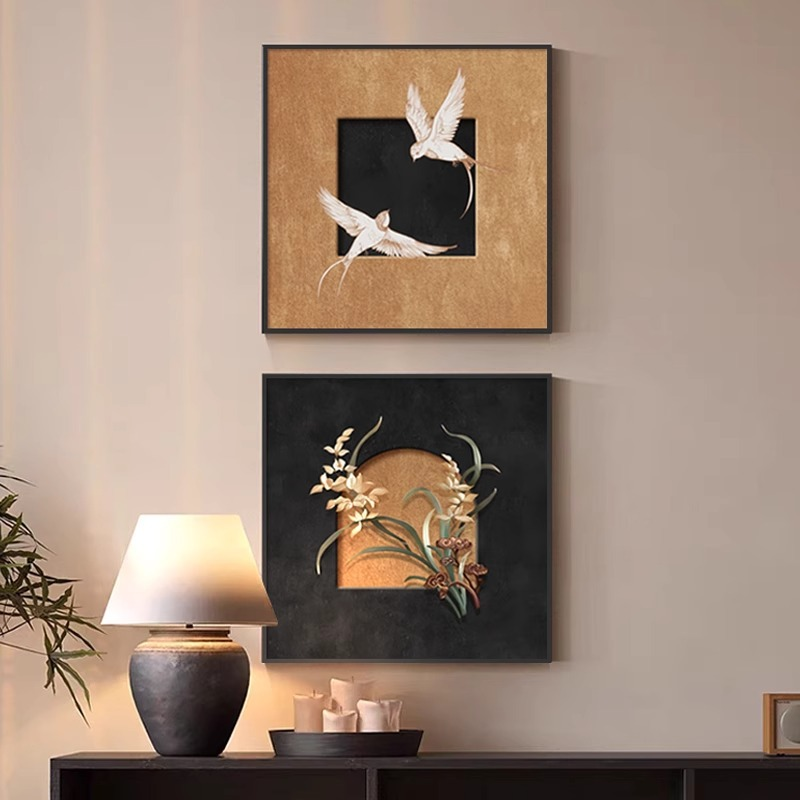
Decorative paintings are more than just visual adornments; they are expressions of culture, emotion, and personal style. By understanding the history, styles, techniques, and emotional impact of decorative paintings, you can make informed choices that enhance your space and reflect your individuality. Whether you prefer traditional or contemporary styles, the right artwork can transform your environment and create a lasting impression.
How to purchase:Online B2B sourcing platform, China purchase, Chinese suppliers – LooperBuy
Frequently Asked Questions
1. What are decorative paintings?
Decorative paintings are artworks created primarily for aesthetic purposes, designed to enhance the visual appeal of a space. They can include various styles, techniques, and subjects, ranging from traditional landscapes to modern abstract pieces.
2. How do I choose the right decorative painting for my home?
Consider the size of your space, your personal style, and the existing color scheme. Choose pieces that resonate with you and create a cohesive look with your decor.
3. What techniques are commonly used in decorative paintings?
Common techniques include various brushwork styles, color theory applications, and mixed media approaches. Each technique can create different moods and visual effects.
4. How should I display decorative paintings?
Display decorative paintings at eye level, use complementary frames, and consider lighting to enhance their visual impact. Rotating your collection can also keep your space feeling fresh.
5. What emotional impact can decorative paintings have?
Decorative paintings can create specific atmospheres and evoke emotions. Choosing pieces that resonate with your personal experiences can enhance your connection to your space.
HOT TAG: decorative paintings, art styles, home decor, interior design, cultural art, emotional impact, modern art, traditional paintings, art techniques, visual aesthetics, gallery wall, mixed media art, mental health benefits, personal expression, affordable art options, art preservation, painting maintenance, contemporary art trends, office decor, creative spaces, art as conversation starters, art investment, unique wall art, artistic expression, visual storytelling, art appreciation, art for wellness, vibrant home interiors, eclectic art collections, art for personal spaces.