Table of Contents
Introduction to Drop Shipping
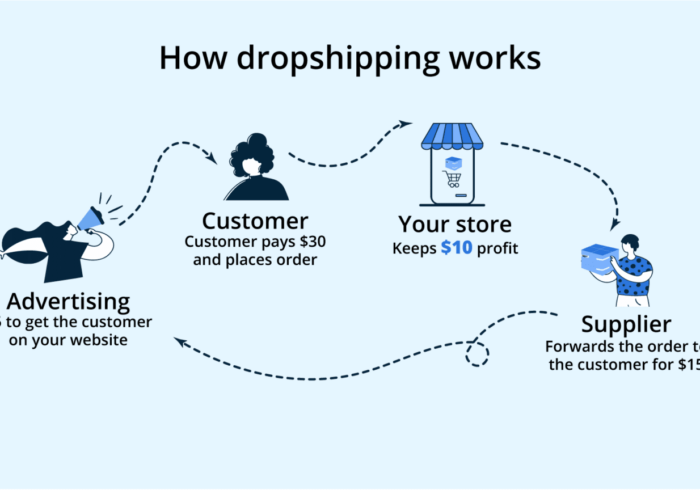
Drop shipping is a retail fulfillment method where a store doesn’t keep the products it sells in stock. Instead, when a store sells a product, it purchases the item from a third party and has it shipped directly to the customer. This means that the seller never sees or handles the product. This business model has gained immense popularity due to its low overhead costs and the ability to operate without a physical storefront.

The Advantages of Drop Shipping
Low Startup Costs
One of the most significant advantages of drop shipping is the low startup costs. Traditional retail businesses require significant investment in inventory, warehousing, and logistics. In contrast, drop shipping allows entrepreneurs to start an online store without the need for large capital investments. You only pay for the products after you make a sale, which minimizes financial risk.
Flexibility and Scalability
Drop shipping offers unparalleled flexibility. You can run your business from anywhere with an internet connection, making it an ideal choice for digital nomads and those looking for a side hustle. Additionally, as your business grows, you can easily scale your operations without the need for additional physical space or inventory management.
Wide Product Selection
With drop shipping, you can offer a vast array of products without the need to purchase them upfront. This allows you to test different niches and product categories without the risk of being stuck with unsold inventory. You can quickly adapt to market trends and customer preferences, ensuring that your store remains relevant.
How Drop Shipping Works
The Process Explained
The drop shipping process involves several key steps:
- Setting Up Your Online Store: Choose a platform to create your online store. Customize your store to reflect your brand and attract customers.
- Finding Suppliers: Research and partner with reliable suppliers who offer drop shipping services. Platforms can help you find reputable suppliers.
- Listing Products: Add products to your online store, including detailed descriptions, high-quality images, and competitive pricing. Ensure that your product listings are optimized for search engines to attract organic traffic.
- Receiving Orders: When a customer places an order, you receive a notification. You then purchase the product from your supplier and provide them with the customer’s shipping information.
- Order Fulfillment: The supplier ships the product directly to the customer. You can track the order and provide updates to your customer, ensuring a smooth shopping experience.
Key Players in Drop Shipping
Understanding the roles of different players in the drop shipping ecosystem is crucial for success:
- Retailer: The business owner who sells products through an online store.
- Supplier: The manufacturer or wholesaler who provides the products and handles shipping.
- Customer: The end-user who purchases the product from the retailer’s online store.
Challenges of Drop Shipping
Competition
The drop shipping market is highly competitive. Many entrepreneurs are attracted to this business model, leading to saturation in popular niches. To stand out, you need to differentiate your brand through unique marketing strategies, exceptional customer service, and a well-curated product selection.
Supplier Reliability
Your business’s success heavily relies on the reliability of your suppliers. Issues such as stock shortages, shipping delays, and product quality can negatively impact your reputation. It’s essential to establish strong relationships with your suppliers and have contingency plans in place.
Profit Margins
While drop shipping has low startup costs, profit margins can be thin. Since many retailers sell similar products, price competition can drive down your margins. To maintain profitability, focus on building a strong brand, optimizing your marketing efforts, and offering value-added services.
Marketing Your Drop Shipping Business
Building an Online Presence
Creating a strong online presence is vital for attracting customers. Utilize social media platforms, content marketing, and search engine optimization (SEO) to drive traffic to your store. Engaging with your audience through social media can help build brand loyalty and encourage repeat purchases.
Paid Advertising
Investing in paid advertising can yield quick results. Platforms like Google Ads and Facebook Ads allow you to target specific demographics and reach potential customers effectively. Experiment with different ad formats and strategies to find what works best for your business.
Email Marketing
Email marketing is a powerful tool for nurturing leads and retaining customers. Build an email list by offering incentives such as discounts or exclusive content. Use email campaigns to promote new products, share valuable content, and keep your audience engaged.
Conclusion
Drop shipping is an accessible and flexible business model that allows entrepreneurs to start an online store with minimal investment. While it comes with its challenges, understanding the basics and implementing effective marketing strategies can lead to a successful drop shipping venture. By focusing on building a strong brand, maintaining supplier relationships, and engaging with customers, you can thrive in the competitive world of drop shipping.
Ready to kickstart your drop shipping journey and discover a wide range of trending products? Explore the exciting opportunities at https://looperbuy.com/ and elevate your online store today!
Related Questions & Answers
· What is drop shipping? Drop shipping is a retail fulfillment method where a store sells products without holding inventory, purchasing items from a third party that ships directly to customers.
· How do I start a drop shipping business? To start a drop shipping business, choose an online platform, find reliable suppliers, list products, and market your store to attract customers.
· What are the best platforms for drop shipping? Popular platforms for drop shipping include Shopify, WooCommerce, and BigCommerce, which offer user-friendly interfaces and integration with suppliers.
· How can I find reliable suppliers for drop shipping? You can find reliable suppliers through platforms like AliExpress, Oberlo, and SaleHoo, which connect retailers with manufacturers and wholesalers.
· What are the common challenges in drop shipping? Common challenges include competition, supplier reliability, and maintaining profit margins due to price competition.
Hot Tags: Drop Shipping; E-commerce; Online Business; Retail Fulfillment; Supplier Management; Marketing Strategies; Startup Costs; Product Selection; Business Model