In the ever-evolving world of e-commerce, many individuals are drawn to the allure of entrepreneurship, particularly through models like dropshipping. This business model allows entrepreneurs to sell products without holding inventory, making it an attractive option for those looking to start a business with minimal upfront investment. However, one of the most pressing questions for aspiring dropshippers is: what can they expect to earn? This article delves into the financial aspects of running a dropshipping business, exploring potential earnings, factors influencing income, and strategies for maximizing profitability.
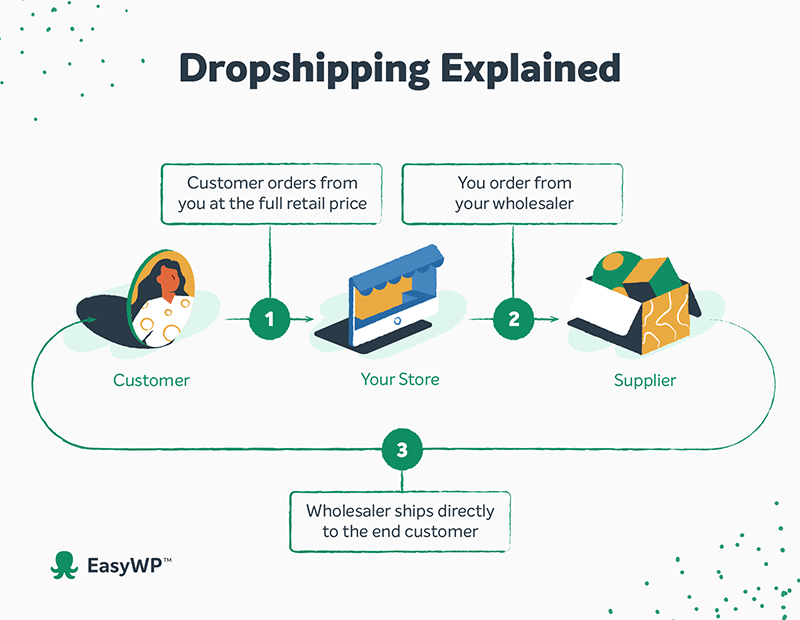
Table of Contents
The Basics of Dropshipping
Before diving into the financial aspects, it’s essential to understand what dropshipping entails. In a dropshipping model, the retailer sells products to customers without maintaining inventory. Instead, when a customer makes a purchase, the retailer purchases the item from a third-party supplier, who then ships it directly to the customer. This model eliminates the need for warehousing and reduces the financial risk associated with unsold inventory.
How Dropshipping Works
- Setting Up an Online Store: Entrepreneurs typically start by creating an online store using platforms like Shopify, WooCommerce, or BigCommerce. They select a niche and source products from suppliers.
- Marketing and Sales: Once the store is set up, the next step is to drive traffic through marketing strategies such as social media advertising, search engine optimization (SEO), and email marketing.
- Order Fulfillment: When a customer places an order, the retailer forwards the order details to the supplier, who then ships the product directly to the customer.
- Customer Service: The retailer is responsible for handling customer inquiries, returns, and any issues that may arise during the purchasing process.
Potential Earnings in Dropshipping
The potential earnings in dropshipping can vary significantly based on several factors, including niche selection, marketing strategies, and operational efficiency. Here’s a closer look at what dropshippers can expect in terms of income.
Average Income for Dropshippers
While some dropshippers report earning substantial profits, others may struggle to break even. On average, successful dropshippers can earn anywhere from a few hundred to several thousand dollars per month. Factors that influence income include:
- Niche Selection: Some niches are more profitable than others. High-demand products with good margins can lead to higher earnings.
- Marketing Effectiveness: The ability to drive traffic to the online store through effective marketing strategies directly impacts sales.
- Supplier Relationships: Working with reliable suppliers who offer competitive pricing can enhance profit margins.
Factors Influencing Dropshipping Income
- Product Pricing: The price at which products are sold plays a crucial role in determining profit margins. Dropshippers must find a balance between competitive pricing and maintaining healthy margins.
- Shipping Costs: Shipping fees can eat into profits. Dropshippers need to consider shipping costs when pricing products and may need to offer free shipping to attract customers.
- Return Rates: High return rates can significantly impact profitability. Dropshippers should choose products with low return rates and implement clear return policies.
- Market Trends: Staying updated on market trends and consumer preferences can help dropshippers adjust their product offerings and marketing strategies accordingly.
Strategies for Maximizing Dropshipping Profits
To enhance earnings in dropshipping, entrepreneurs can implement several strategies that focus on efficiency, marketing, and customer satisfaction.
Effective Marketing Techniques
- Social Media Advertising: Platforms like Facebook and Instagram offer targeted advertising options that can help dropshippers reach their ideal customers. Creating engaging content and utilizing influencer partnerships can also boost visibility.
- Search Engine Optimization (SEO): Optimizing product listings and website content for search engines can drive organic traffic to the store. This includes using relevant keywords, optimizing images, and improving site speed.
- Email Marketing: Building an email list allows dropshippers to engage with customers directly. Sending newsletters, promotions, and personalized recommendations can encourage repeat purchases.
Enhancing Customer Experience
- Responsive Customer Service: Providing excellent customer service can lead to positive reviews and repeat business. Responding promptly to inquiries and resolving issues efficiently is crucial.
- Clear Return Policies: Transparent return policies can build trust with customers and reduce the likelihood of returns. Clearly outlining the return process can also enhance customer satisfaction.
- Quality Product Descriptions: Detailed and accurate product descriptions, along with high-quality images, can help customers make informed purchasing decisions and reduce return rates.
Building Strong Supplier Relationships
- Negotiating Prices: Establishing good relationships with suppliers can lead to better pricing and terms. Dropshippers should regularly communicate with suppliers to ensure they are getting the best deals.
- Diversifying Suppliers: Relying on multiple suppliers can mitigate risks associated with stock shortages or shipping delays. This ensures that dropshippers can fulfill orders even if one supplier encounters issues.
- Monitoring Supplier Performance: Regularly assessing supplier performance in terms of shipping times, product quality, and customer service can help dropshippers maintain a high level of service.
The Challenges of Dropshipping
While dropshipping offers numerous advantages, it also comes with its own set of challenges that can impact earnings.
Competition
The low barrier to entry in dropshipping means that competition can be fierce. Many entrepreneurs enter the market, making it essential for dropshippers to differentiate themselves through unique product offerings, branding, and customer service.
Inventory Management
Although dropshippers do not hold inventory, they must still manage stock levels with their suppliers. Out-of-stock items can lead to lost sales and dissatisfied customers. Implementing inventory management tools can help dropshippers stay informed about product availability.
Shipping Issues
Shipping delays and issues can negatively affect customer satisfaction. Dropshippers should work with reliable suppliers and communicate shipping times clearly to customers to manage expectations.
Conclusion
The financial landscape of dropshipping is complex and influenced by various factors, including niche selection, marketing strategies, and supplier relationships. While potential earnings can vary widely, successful dropshippers can achieve significant profits by implementing effective strategies and maintaining a focus on customer satisfaction. As the e-commerce industry continues to evolve, staying informed about market trends and adapting to changes will be crucial for long-term success.
As you embark on your dropshipping journey, remember that the right tools and resources can significantly enhance your success—explore how LooperBuy can streamline your operations and boost your profits today! Visit https://looperbuy.com/.
Related Questions & Answers
· What is the average income for dropshippers? The average income for dropshippers can range from a few hundred to several thousand dollars per month, depending on various factors such as niche selection and marketing effectiveness.
· How can I improve my dropshipping profits? Improving profits can be achieved through effective marketing, enhancing customer experience, and building strong relationships with suppliers.
· What are the common challenges faced in dropshipping? Common challenges include competition, inventory management, and shipping issues, which can impact customer satisfaction and earnings.
· How important is niche selection in dropshipping? Niche selection is crucial as it influences product demand, competition, and potential profit margins.
· What marketing strategies work best for dropshipping? Effective marketing strategies include social media advertising, search engine optimization, and email marketing to drive traffic and sales.
Hot Tags: E-commerce; Dropshipping; Online Business; Profitability; Marketing Strategies; Customer Experience; Supplier Relationships; Inventory Management; Shipping Solutions