The rise of e-commerce has transformed the way businesses operate, and dropshipping has emerged as a popular model for aspiring entrepreneurs. In the Philippines, this business model offers a unique opportunity to tap into the growing online market without the burden of inventory management. This article will explore the essentials of starting a dropshipping business in the Philippines, including the benefits, challenges, and strategies for success.
Table of Contents
Understanding Dropshipping
What is Dropshipping?
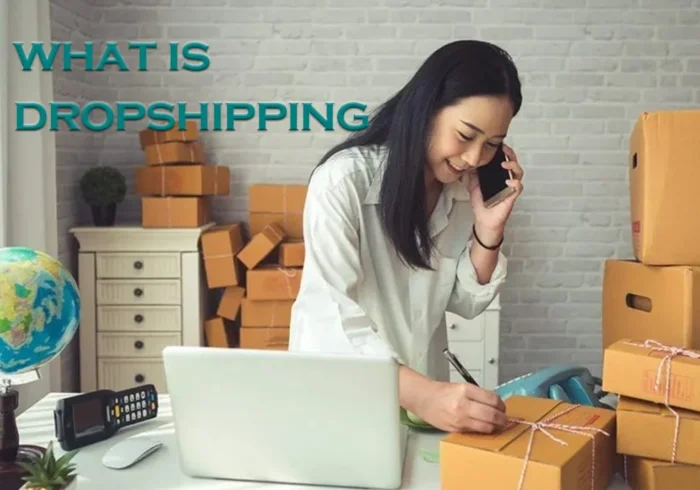
Dropshipping is a retail fulfillment method where a store does not keep the products it sells in stock. Instead, when a store sells a product, it purchases the item from a third party and has it shipped directly to the customer. This means that the seller does not have to handle the product directly, allowing for a more streamlined business operation.
How Dropshipping Works
The dropshipping process involves several key players: the customer, the retailer (you), and the supplier. When a customer places an order on your online store, you forward the order details to your supplier, who then ships the product directly to the customer. This model eliminates the need for inventory storage and reduces upfront costs, making it an attractive option for new entrepreneurs.

The E-Commerce Landscape in the Philippines
Growing Market Trends
The e-commerce market in the Philippines is experiencing rapid growth, driven by increasing internet penetration and a growing middle class. According to recent statistics, the country’s e-commerce sector is projected to reach significant milestones in the coming years, making it an opportune time to start a dropshipping business. The Philippines is expected to see a compound annual growth rate (CAGR) of around 13.78% by 2029, indicating a robust market for online retail.
Consumer Behavior
Filipino consumers are increasingly turning to online shopping for convenience and variety. This shift in consumer behavior presents a unique opportunity for dropshipping businesses to cater to the evolving needs of the market. Understanding local preferences and trends is crucial for success in this competitive landscape. For instance, Filipinos often prefer products that are locally sourced or have a unique cultural significance, which can be leveraged in your product selection.
Starting Your Dropshipping Business
Step 1: Choose Your Niche
Selecting the right niche is critical to your dropshipping success. Consider factors such as market demand, competition, and your personal interests. Research trending products and identify gaps in the market that you can fill. Popular niches in the Philippines include fashion, beauty products, electronics, and home goods. Additionally, consider seasonal trends and local events that may influence consumer purchasing behavior.
Profitable Niches to Consider
Some of the most profitable dropshipping niches in the Philippines currently include:
- Health and Wellness Products: With a growing awareness of health and fitness, products like supplements, fitness gear, and organic foods are in high demand.
- Beauty and Skincare: The beauty industry continues to thrive, with consumers looking for innovative skincare solutions and cosmetics.
- Home and Living: As more people invest in their homes, items like home decor, kitchen gadgets, and furniture are becoming popular.
- Tech Gadgets: With the rise of technology, gadgets such as smart home devices, accessories for mobile phones, and gaming equipment are sought after.
Step 2: Find Reliable Suppliers
Partnering with reliable suppliers is essential for maintaining product quality and customer satisfaction. Look for suppliers who offer competitive pricing, good shipping times, and positive reviews. Platforms like AliExpress, Oberlo, and local suppliers can be great resources for finding products to sell. It’s also beneficial to establish a good relationship with your suppliers, as this can lead to better pricing and priority service.
Evaluating Suppliers
When evaluating potential suppliers, consider the following criteria:
- Product Quality: Order samples to assess the quality of the products you plan to sell.
- Shipping Times: Ensure that the supplier can meet your shipping expectations, especially for local customers.
- Customer Service: A supplier with responsive customer service can help resolve issues quickly, which is crucial for maintaining customer satisfaction.
- Return Policy: Understand the supplier’s return policy to manage customer returns effectively.
Step 3: Set Up Your Online Store
Creating an online store is a straightforward process, thanks to various e-commerce platforms available today. Ensure your store is user-friendly, visually appealing, and optimized for mobile devices to enhance the shopping experience. Invest time in designing your website to reflect your brand identity, and make sure to include high-quality images and detailed product descriptions.
Key Features of a Successful Online Store
- User-Friendly Navigation: Ensure that customers can easily find products and navigate through your site.
- Secure Payment Options: Offer multiple payment methods, including credit cards, and local payment gateways.
- Responsive Design: Optimize your website for mobile devices, as many customers shop using their smartphones.
- SEO Optimization: Implement SEO best practices to improve your store’s visibility on search engines.
Step 4: Implement Effective Marketing Strategies
Marketing is crucial for driving traffic to your online store. Utilize social media platforms, search engine optimization (SEO), and paid advertising to reach your target audience. Engaging content, promotions, and influencer partnerships can also help boost visibility and sales. Consider creating a blog related to your niche to attract organic traffic and establish your authority in the market.
Social Media Marketing
Social media is a powerful tool for promoting your dropshipping business. Platforms like Facebook, Instagram, and TikTok allow you to showcase your products, engage with customers, and build a community around your brand. Regularly post content that resonates with your audience to keep them engaged. Consider running contests or giveaways to increase your reach and attract new customers.
Step 5: Manage Customer Service
Providing excellent customer service is vital for building trust and loyalty. Be responsive to customer inquiries, handle returns efficiently, and ensure timely communication throughout the purchasing process. A positive customer experience can lead to repeat business and referrals. Consider implementing a customer relationship management (CRM) system to streamline your interactions and keep track of customer preferences.
Handling Returns and Refunds
Handling returns and refunds effectively is crucial for maintaining customer satisfaction. Clearly outline your return policy on your website, and ensure that it is easy for customers to understand. When a return is requested, respond promptly and provide clear instructions on how to return the product. Consider offering exchanges or store credit as alternatives to refunds to retain customers.
Challenges of Dropshipping in the Philippines
Shipping and Logistics Issues
One of the primary challenges of dropshipping in the Philippines is managing shipping logistics. International shipping can lead to longer delivery times, which may affect customer satisfaction. It’s essential to communicate shipping times clearly on your website and consider using local suppliers to reduce shipping delays. Additionally, familiarize yourself with customs regulations to avoid unexpected fees and delays.
Competition
The dropshipping market is becoming increasingly competitive, with many entrepreneurs entering the space. To stand out, focus on niche products, exceptional customer service, and effective marketing strategies. Building a strong brand identity can also help differentiate your business from competitors. Regularly analyze your competitors to understand their strengths and weaknesses, and adjust your strategies accordingly.
Legal and Tax Considerations
Starting a dropshipping business in the Philippines requires compliance with local regulations. Register your business with the Bureau of Internal Revenue (BIR) and ensure you understand tax obligations. Familiarize yourself with e-commerce laws to avoid potential legal issues. It may also be beneficial to consult with a legal expert to ensure that your business complies with all necessary regulations.
Strategies for Success
Build a Strong Brand
Creating a recognizable brand is essential for attracting and retaining customers. Develop a unique brand identity, including a memorable logo, consistent messaging, and a professional website. Your brand should resonate with your target audience and reflect the values of your business. Consider using storytelling in your marketing to connect with customers on a personal level.
Leverage Social Media
Social media platforms are powerful tools for promoting your dropshipping business. Use platforms like Facebook, Instagram, and TikTok to showcase your products, engage with customers, and build a community around your brand. Regularly post content that resonates with your audience to keep them engaged. Consider running contests or giveaways to increase your reach and attract new customers.
Optimize for Mobile
With a significant portion of online shopping occurring on mobile devices, it’s crucial to optimize your online store for mobile users. Ensure your website is responsive, loads quickly, and provides a seamless shopping experience on smartphones and tablets. Test your website on various devices to ensure compatibility and ease of use.
Monitor Performance and Adapt
Regularly analyze your business performance using analytics tools. Track key metrics such as website traffic, conversion rates, and customer feedback. Use this data to make informed decisions and adapt your strategies as needed to improve your business. Setting up A/B testing for your marketing campaigns can also help you identify what works best for your audience.
Network with Other Entrepreneurs
Building a network with other entrepreneurs can provide valuable insights and support. Join local business groups, attend workshops, and participate in online forums related to dropshipping and e-commerce. Networking can lead to partnerships, mentorship opportunities, and shared resources that can help you grow your business.
Stay Informed About Market Trends
The e-commerce landscape is constantly evolving, and staying informed about market trends is crucial for success. Subscribe to industry newsletters, follow relevant blogs, and participate in webinars to keep up with the latest developments. Understanding emerging trends can help you adapt your business strategies and stay ahead of the competition.
Utilize Email Marketing
Email marketing is an effective way to engage with your customers and drive sales. Build an email list by offering incentives such as discounts or exclusive content. Use email campaigns to inform customers about new products, promotions, and updates. Personalizing your emails can also enhance customer engagement and increase conversion rates.
Invest in Customer Feedback
Encouraging customer feedback can provide valuable insights into your products and services. Use surveys, reviews, and direct communication to gather feedback from your customers. Analyze this information to identify areas for improvement and make necessary adjustments to enhance the customer experience.
Conclusion
Starting a dropshipping business in the Philippines presents a unique opportunity for aspiring entrepreneurs. With the right strategies, a focus on customer satisfaction, and an understanding of the local market, you can build a successful online business. Embrace the challenges and opportunities that come with this venture, and you may find yourself thriving in the e-commerce landscape.
As you embark on your dropshipping journey in the Philippines, remember that the right products can make all the difference in capturing your customers’ attention and driving sales. Discover a wide range of trending items that can elevate your online store at LooperBuy.
Frequently Asked Questions
1. What is the initial investment required to start a dropshipping business in the Philippines?
Starting a dropshipping business typically requires minimal upfront investment, primarily for setting up your online store and marketing. You won’t need to purchase inventory upfront, which significantly reduces initial costs.
2. How do I find reliable suppliers for my dropshipping business?
You can find reliable suppliers through platforms like AliExpress, Oberlo, or local suppliers. Look for suppliers with positive reviews, good shipping times, and competitive pricing.
3. What are the common challenges faced by dropshippers in the Philippines?
Common challenges include shipping delays, competition, and legal compliance. It’s essential to manage logistics effectively and stay informed about local regulations.
4. How can I effectively market my dropshipping business?
Utilize social media, SEO, and paid advertising to reach your target audience. Engaging content and promotions can also help boost visibility and sales.
5. Is dropshipping a sustainable business model in the Philippines?
Yes, dropshipping can be a sustainable business model if you focus on niche products, provide excellent customer service, and adapt to market trends.
HOT TAG: dropshipping business Philippines, e-commerce growth, online store tips, supplier sourcing, marketing strategies, customer engagement, logistics management, niche market analysis, brand development, social media marketing, mobile optimization, customer service excellence, legal compliance, tax regulations, market trends, entrepreneurial success, digital marketing strategies, product quality assurance, fast shipping solutions, business networking opportunities.