Table of Contents
Introduction to E-commerce Sourcing
In the rapidly evolving world of e-commerce, finding reliable suppliers is crucial for success, especially for those venturing into dropshipping. This business model allows entrepreneurs to sell products without holding inventory, relying instead on suppliers to fulfill orders directly to customers. However, the key to a thriving dropshipping business lies in sourcing quality products from trustworthy suppliers. This article will explore effective strategies for finding suppliers, evaluating their reliability, and building strong partnerships that can lead to long-term success.
Understanding the Dropshipping Model
What is Dropshipping?
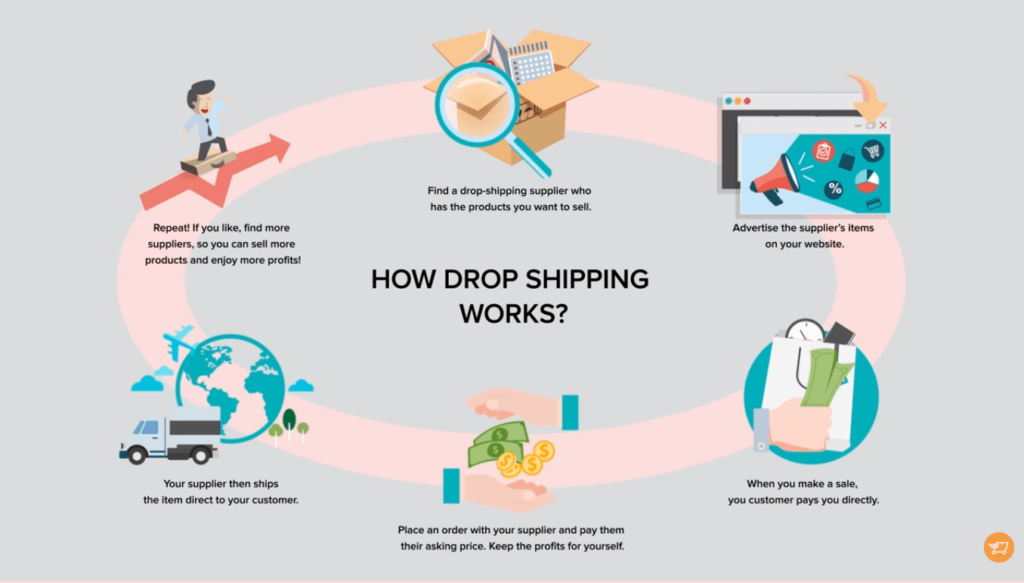
Dropshipping is a retail fulfillment method where a store does not keep the products it sells in stock. Instead, when a store sells a product, it purchases the item from a third party and has it shipped directly to the customer. This model eliminates the need for inventory management and reduces overhead costs, making it an attractive option for new entrepreneurs.
Benefits of Dropshipping
- Low Startup Costs: Since you don’t need to invest in inventory upfront, the initial costs of starting a dropshipping business are significantly lower than traditional retail models.
- Wide Product Selection: You can offer a diverse range of products without the risk of unsold inventory.
- Flexibility: Dropshipping allows you to operate your business from anywhere with an internet connection, providing flexibility in terms of location and working hours.
Challenges of Dropshipping
- Supplier Reliability: The success of your business heavily depends on the reliability of your suppliers. Poor quality products or delayed shipping can lead to dissatisfied customers.
- Lower Profit Margins: Since you are not buying in bulk, the profit margins in dropshipping can be lower compared to traditional retail.
- Inventory Management: While you don’t hold inventory, you still need to manage stock levels with your suppliers to avoid selling out-of-stock items.
Strategies for Finding Reliable Suppliers
Researching Potential Suppliers
Finding the right suppliers is the first step in building a successful dropshipping business. Here are some effective strategies for researching potential suppliers:
- Online Directories: Utilize online directories such as Alibaba, SaleHoo, and Worldwide Brands to find verified suppliers. These platforms provide a wide range of products and allow you to filter suppliers based on various criteria.
- Industry Trade Shows: Attending trade shows can help you connect with suppliers directly. This face-to-face interaction allows you to assess their products and build relationships.
- Networking: Join e-commerce forums and social media groups to connect with other entrepreneurs. Networking can lead to valuable recommendations for reliable suppliers.
Evaluating Supplier Reliability
Once you have a list of potential suppliers, it’s essential to evaluate their reliability. Here are some factors to consider:
- Product Quality: Request samples to assess the quality of the products. This step is crucial to ensure that you are offering your customers high-quality items.
- Shipping Times: Inquire about shipping times and policies. Reliable suppliers should provide clear information about delivery times and shipping methods.
- Customer Reviews: Look for reviews and testimonials from other businesses that have worked with the supplier. Positive feedback can indicate a trustworthy supplier.
Building Strong Relationships with Suppliers
Establishing a good relationship with your suppliers can lead to better communication and more favorable terms. Here are some tips for building strong partnerships:
- Open Communication: Maintain regular communication with your suppliers. This helps in addressing any issues promptly and fosters a collaborative relationship.
- Negotiate Terms: Don’t hesitate to negotiate terms such as pricing, shipping costs, and payment methods. A mutually beneficial agreement can strengthen your partnership.
- Feedback Loop: Provide feedback to your suppliers about product quality and customer satisfaction. This can help them improve their services and strengthen your partnership.
Utilizing Technology for Supplier Sourcing
E-commerce Platforms
Many e-commerce platforms, such as Shopify and WooCommerce, offer integrations with supplier directories and dropshipping apps. These tools can simplify the process of finding and managing suppliers. For example, apps like Oberlo and Spocket allow you to import products directly from suppliers into your online store, streamlining the sourcing process.
Automation Tools
Automation tools can help you manage your supplier relationships more efficiently. Consider using tools that automate order processing, inventory management, and communication with suppliers. This can save you time and reduce the risk of errors in your operations.
Data Analytics
Utilizing data analytics can provide insights into supplier performance. Track metrics such as order fulfillment rates, shipping times, and customer feedback to evaluate your suppliers continuously. This data can help you make informed decisions about which suppliers to retain and which to replace.
Key Performance Indicators (KPIs) for Supplier Evaluation
To ensure that your dropshipping business runs smoothly, it is essential to monitor the performance of your suppliers. Here are some key performance indicators (KPIs) to consider:
- Order Fulfillment Rate: This metric measures the percentage of orders that are successfully fulfilled by the supplier. A high fulfillment rate indicates reliability and efficiency.
- Shipping Time: Track the average time it takes for suppliers to ship products to customers. Timely shipping is crucial for customer satisfaction.
- Return Rate: Monitor the rate at which customers return products. A high return rate may indicate issues with product quality or misrepresentation.
- Customer Feedback: Collect and analyze customer feedback regarding the products received. This can provide insights into the quality of the supplier’s offerings.
- Communication Responsiveness: Evaluate how quickly and effectively suppliers respond to inquiries and issues. Good communication is vital for a successful partnership.
Protecting Your Dropshipping Business
Avoiding Unreliable Suppliers
To safeguard your business from unreliable suppliers and potential scams, consider the following strategies:
- Conduct Thorough Research: Before partnering with a supplier, conduct extensive research to verify their legitimacy. Look for reviews, ratings, and testimonials from other businesses.
- Start Small: When working with a new supplier, start with a small order to test their reliability and product quality before committing to larger orders.
- Use Secure Payment Methods: Always use secure payment methods that offer buyer protection. Avoid wire transfers or payment methods that do not provide recourse in case of disputes.
Legal Considerations
When working with international dropshipping suppliers, it is essential to be aware of legal considerations:
- Import Regulations: Familiarize yourself with import regulations and customs duties in your country. Ensure that your suppliers comply with these regulations to avoid legal issues.
- Intellectual Property Rights: Be cautious about selling products that may infringe on intellectual property rights. Ensure that your suppliers have the right to sell the products they offer.
- Contracts and Agreements: Consider drafting contracts or agreements with your suppliers to outline terms and conditions, including pricing, shipping, and return policies. This can help protect your interests and clarify expectations.
Conclusion
Finding reliable suppliers is a critical component of building a successful dropshipping business. By utilizing effective research strategies, evaluating supplier reliability, and leveraging technology, you can establish strong partnerships that contribute to your e-commerce success. As the dropshipping landscape continues to evolve, staying informed and adaptable will be key to thriving in this competitive market.
As you embark on your dropshipping journey, remember that finding the right products at competitive prices is essential for success. Explore a wide range of quality items and elevate your online store with unbeatable deals at https://looperbuy.com/.
Related Questions & Answers
· What are the key performance indicators (KPIs) for evaluating dropshipping supplier performance? Key performance indicators include order fulfillment rate, shipping time, return rate, customer feedback, and communication responsiveness.
· How can I protect my dropshipping business from unreliable suppliers and potential scams? Conduct thorough research, start with small orders, and use secure payment methods to safeguard your business.
· What are the legal considerations when working with international dropshipping suppliers? Be aware of import regulations, intellectual property rights, and consider drafting contracts to outline terms and conditions.
· How can I negotiate better terms with my suppliers? Research market rates and be prepared to discuss your needs openly. Building a good relationship can also help in negotiations.
· What role does technology play in supplier sourcing? Technology can streamline the sourcing process through e-commerce platforms, automation tools, and data analytics, making it easier to manage supplier relationships.
Hot Tags: Dropshipping Suppliers; E-commerce Sourcing; Supplier Evaluation; Online Retail; Product Quality; Shipping Reliability; Supplier Relationships; E-commerce Technology; Business Automation