Table of Contents
The Fundamentals of Drop Shipping
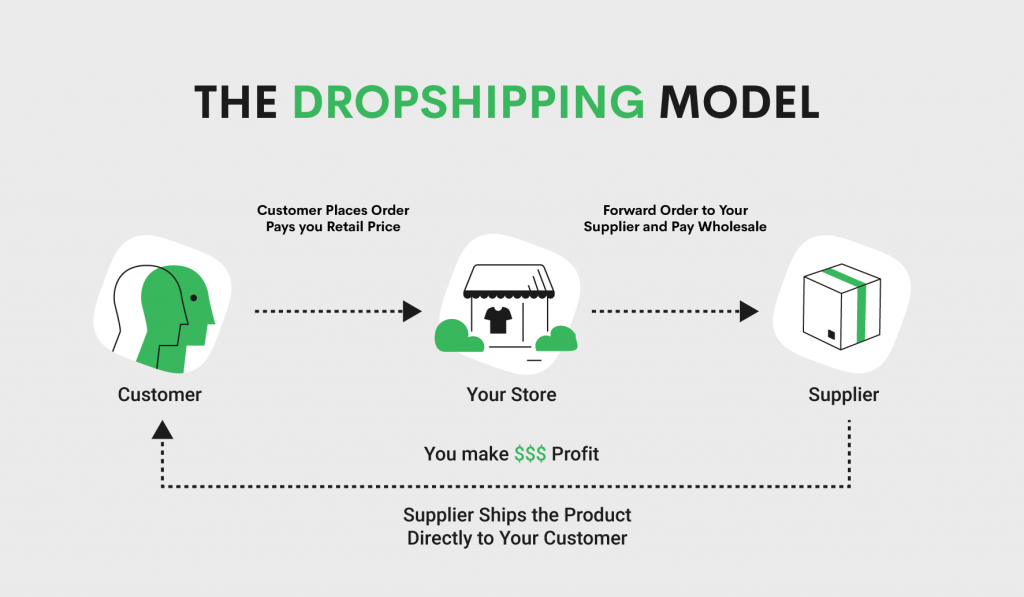
At its core, a drop shipping business is a retail fulfillment method where the seller doesn’t keep products in stock. Instead, when a customer places an order, the seller purchases the item from a third-party supplier, who then ships it directly to the customer. This model eliminates the need for inventory management, warehousing, and upfront product investment, making it an attractive option for new entrepreneurs.
How the Drop Shipping Model Works
- Customer Places Order: The buyer purchases a product from the seller’s online store.
- Seller Forwards Order: The seller automatically or manually sends the order details to the supplier.
- Supplier Ships Product: The supplier packages and ships the item to the customer, often using branded materials.
- Transaction Completes: The seller retains the profit margin, while the supplier handles logistics.
Key Participants in the Ecosystem
- Retailer: Operates the online store and markets products.
- Supplier: Manufactures or warehouses goods and handles fulfillment.
- Customer: The end-user who purchases through the retailer’s platform.
Advantages of Starting a Drop Shipping Business
Low Barrier to Entry
- No Inventory Costs: Eliminates the need for upfront capital to stock products.
- Minimal Overhead: Operates from anywhere with an internet connection.
- Scalability: Easily expand product offerings without physical constraints.
Flexibility and Location Independence
- Work Remotely: Manage operations from a laptop,不受地理位置限制.
- Test Products Quickly: Introduce new items without financial risk.
- Adapt to Trends: Capitalize on viral products with rapid listing capabilities.
Diverse Niche Opportunities
- Specialized Stores: Focus on niches like eco-friendly products or pet accessories.
- General Stores: Offer broad categories to appeal to mass audiences.
- Print-on-Demand: Customize products like apparel and home decor.
Challenges and Pitfalls to Avoid
Profit Margin Limitations
- Competitive Pricing: Thin margins due to market saturation.
- Supplier Costs: Wholesale prices may limit discount potential.
- Platform Fees: Sales channels like Shopify or Amazon take commissions.
Quality Control Issues
- Supplier Reliability: Inconsistent product quality damages brand reputation.
- Shipping Delays: Long delivery times frustrate customers.
- Inventory Errors: Stockouts lead to canceled orders and refunds.
Branding Limitations
- Lack of Uniqueness: Difficult to differentiate from competitors selling identical products.
- Customer Loyalty: Transactional relationships replace brand affinity.
- Returns Complexity: Managing reverse logistics with multiple suppliers.
Building a Successful Drop Shipping Business

Niche Selection Strategy
- Passion vs. Profitability: Balance personal interests with market demand.
- Competitor Analysis: Use tools like SEMrush to identify gaps.
- Profit Margin Calculation: Ensure at least 30% margins after expenses.
Supplier Vetting Checklist
- Communication Responsiveness: Test response times for pre-sale inquiries.
- Product Samples: Physically inspect items before bulk listings.
- Shipping Policies: Confirm delivery timelines and tracking capabilities.
- Return Agreements: Establish clear procedures for defective items.
Marketing Tactics for Growth
- SEO Optimization: Target long-tail keywords like “organic cotton yoga pants wholesale”.
- Social Proof: Display customer reviews and user-generated content.
- Email Automation: Nurture leads with abandoned cart sequences.
- Influencer Partnerships: Collaborate with micro-influencers for niche audiences.
Case Study: From Zero to $100K Monthly Revenue
John Mitchell’s Journey
In 2021, John launched “Urban Paws Co.,” a pet accessory store targeting urban millennials. By:
- Niche Focus: Specializing in eco-friendly, minimalist pet gear.
- Supplier Partnerships: Working with 3 verified suppliers in China and the US.
- Content Marketing: Creating TikTok videos of pets using products.
- Email Retargeting: Sending personalized offers to cart abandoners.
Within 18 months, the store achieved $100,000 in monthly revenue with a 28% profit margin.
The Future of Drop Shipping
Emerging Trends Shaping the Industry
- AI-Powered Tools: Automate product research and pricing strategies.
- Sustainability Focus: Ethical sourcing and carbon-neutral shipping options.
- Live Streaming Sales: Leverage platforms like TikTok Shop for real-time engagement.
- Subscription Models: Recurring revenue through curated product boxes.
Long-Term Viability Considerations
- Market Saturation: Differentiation becomes critical as competition grows.
- Platform Dependency: Diversifying sales channels reduces risk.
- Customer Experience: Investing in chatbots and 24/7 support.
Conclusion
Drop shipping offers an accessible pathway to entrepreneurship but requires strategic execution to thrive. By selecting the right niche, vetting suppliers meticulously, and investing in brand differentiation, businesses can overcome inherent challenges and build scalable ventures. The model’s flexibility makes it ideal for testing markets, while its evolution toward specialization and technology integration ensures continued relevance.
If you want to enhance your drop shipping efficiency, directly connect with China Quality Inventory 1688 and enjoy high-quality factory prices for your products,you can use looperbuy, a one-stop purchasing-logistics solution:https://looperbuy.com/
Related Questions & Answers
· What’s the minimum startup cost for a drop shipping business?
Typically between 500–2,000, covering website setup, initial marketing, and tool subscriptions.
· How do I handle customer returns?
Implement a clear return policy and work with suppliers offering exchange agreements or return labels.
· Can I use multiple suppliers for one store?
Yes, but ensure consistent branding and quality control across all partners.
· What tools are essential for success?
Oberlo for product sourcing, Klaviyo for email marketing, and Ahrefs for SEO analysis.
· Is drop shipping legal?
Yes, but compliance with consumer protection laws and supplier agreements is mandatory.
Hot Tags: Drop Shipping for Beginners; Best Drop Shipping Suppliers; E-Commerce Business Models; No Inventory Retail; Online Entrepreneurship; Passive Income Ideas; Shopify Drop Shipping; AliExpress Alternatives; Sustainable Drop Shipping