Table of Contents
Introduction to China’s Bead Wholesale Market
China’s dominance in the global bead industry is unparalleled, producing over 65% of the world’s beads across materials like glass, crystal, wood, and semi-precious stones. From jewelry makers to craft businesses, Chinese suppliers offer unmatched scalability, cost efficiency, and design diversity. However, navigating this vast market requires strategic planning, supplier verification, and an understanding of logistics and compliance. This guide explores proven strategies to source beads efficiently, mitigate risks, and leverage emerging trends in 2024, ensuring a seamless and profitable sourcing journey.
Key Categories of Beads and Production Hubs
Material Types
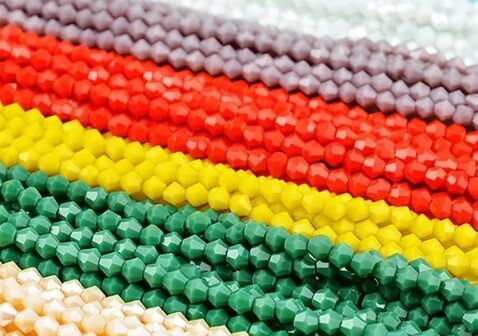
- Glass Beads: Machine-pressed or hand-blown beads in shapes like rounds, cubes, and bicones. Popular in fashion jewelry and DIY crafts.
- Crystal Beads: Precision-cut, Swarovski-style beads with high refractive indexes, ideal for luxury accessories.
- Wooden Beads: Eco-friendly options like sandalwood, bamboo, or coconut shell, used in bohemian jewelry and home décor.
- Semi-Precious Stone Beads: Natural stones such as agate, jade, turquoise, and lapis lazuli, often hand-polished for artisan markets.
- Metal Beads: Stainless steel, brass, or copper beads for industrial-chic designs.
Major Production Clusters
- Yiwu, Zhejiang Province: The world’s largest small commodities hub, offering over 50,000 bead designs at wholesale prices. Vendors here specialize in glass, acrylic, and plastic beads, with MOQs as low as 100 units per design.
- Guangzhou, Guangdong Province: A hub for high-end crystal and metal beads, catering to Western fashion brands and luxury markets.
- Fujian Province: Renowned for semi-precious stone processing, with factories in Quanzhou and Xiamen producing agate, jade, and quartz beads.
- Shandong Province: A leader in synthetic gemstone beads and heat-treated glass products.
Top Wholesale Platforms and Markets
Domestic B2B Platforms
- 1688.com: Alibaba’s Chinese-language wholesale platform offers ultra-competitive pricing for bulk orders. While primarily catering to domestic buyers, international clients can access it through local agents or third-party sourcing companies. The platform features extensive bead categories, from seed beads to gemstone strands, with MOQs starting at 500 units.
Global B2B Marketplaces
These platforms connect buyers with verified bead suppliers, offering secure payments, bulk discounts, and product certifications. Features like supplier ratings and transaction histories help assess reliability.
Physical Wholesale Markets
- Yiwu International Trade City: Spanning over 5.5 million square meters, this market houses thousands of bead vendors across dedicated sections for glass, crystal, and wood beads. Buyers can negotiate directly with factories and inspect products onsite.
- Guangzhou Liwan Bead Market: Specializes in semi-precious stone beads and metal findings like clasps, spacers, and chains. Vendors here often provide OEM services for custom designs.
Strategies for Successful Sourcing
Supplier Verification
- Certifications: Prioritize suppliers with ISO 9001 (quality management), RoHS (non-toxic materials), or SGS compliance reports. For semi-precious stones, look for Kimberley Process Certification to ensure conflict-free sourcing.
- Sample Testing: Request bead samples to verify color consistency, durability, and finish. For example, test glass beads for resistance to chipping or fading under UV light.
- Ethical Sourcing: Partner with Fair Trade-certified suppliers for materials like sustainably harvested wood or ethically mined gemstones.
Cost Optimization
- Bulk Discounts: Negotiate tiered pricing for large orders. For instance, orders exceeding 10,000 units may qualify for 10–20% discounts.
- Material Alternatives: Opt for Czech glass instead of Swarovski crystal or recycled plastic beads to reduce costs without compromising aesthetics.
- Tariff Mitigation: Source from suppliers in bonded zones or regions with free trade agreements (e.g., ASEAN countries) to minimize import duties.
Logistics and Compliance
- DDP Shipping: Choose Delivered Duty Paid terms to simplify customs clearance. Suppliers handle tariffs, taxes, and documentation, reducing administrative burdens for buyers.
- Packaging Customization: Request branded packaging or bulk packaging to reduce retail preparation costs. For example, pre-strung bead sets save time for jewelry makers.
- Regulatory Compliance: Ensure beads meet safety standards like CPSIA (U.S.) for lead content or REACH (EU) for chemical restrictions.
Challenges and Proactive Solutions
Quality Control
- Color Variations: Dye lot discrepancies between batches can lead to inconsistent product lines. Solution: Provide Pantone color codes and approve pre-production samples.
- Material Defects: Cracks in glass beads, uneven polishing in stone beads, or tarnishing in metal beads. Solution: Conduct third-party inspections before shipment and enforce strict quality contracts.
Ethical and Environmental Concerns
- Unethical Mining: Use of conflict minerals in semi-precious stones or exploitative labor practices in bead factories. Solution: Partner with suppliers offering Kimberley Process Certification or Fair Trade materials.
- Plastic Waste: Environmental impact of acrylic beads and non-recyclable packaging. Solution: Source biodegradable resin beads or recycled glass beads. Collaborate with factories using eco-friendly packaging.
Logistical Complexities
- Shipping Delays: Customs inspections, port congestion, or carrier shortages. Solution: Use air freight for urgent orders or diversify suppliers across regions like Guangdong and Fujian.
- Inventory Management: Overstocking due to long production lead times or seasonal demand fluctuations. Solution: Collaborate with factories offering just-in-time (JIT) production models or consignment stock agreements.
Future Trends in Bead Manufacturing
Sustainable Innovations
- Recycled Glass Beads: Made from post-consumer glass bottles, reducing landfill waste. Factories in Yiwu now offer these beads in over 50 colors and finishes.
- Plant-Based Resins: Biodegradable beads derived from cornstarch, algae, or mushroom mycelium are gaining traction in eco-conscious markets.
Technology Integration
- 3D-Printed Beads: Custom geometric designs created using additive manufacturing, enabling intricate patterns and rapid prototyping.
- AI-Driven Inventory Management: Predictive tools analyze market trends to optimize bead design, stock levels, and pricing strategies.
Market Expansion
- Cultural and Religious Beads: Rising demand for prayer beads (e.g., Buddhist malas, Islamic tasbih) and ethnic designs inspired by African, Middle Eastern, and Indigenous traditions.
- Personalization: Laser-engraved beads for bespoke jewelry, corporate branding, or event souvenirs.
Conclusion
Sourcing wholesale beads from China offers businesses unmatched cost efficiency, design diversity, and scalability. Success hinges on meticulous supplier verification, adaptive logistics planning, and alignment with global trends like sustainability and AI-driven customization. By prioritizing certified partners, leveraging cost-saving strategies like bulk ordering, and embracing ethical practices, businesses can navigate challenges and thrive in the dynamic global beads market. The future of bead sourcing lies in balancing innovation with environmental responsibility, ensuring long-term growth and consumer trust.
If you want to do purchasing directly without registering 1688, you can use looperbuy, a one-stop purchasing-logistics solution:https://looperbuy.com/
Related Questions & Answers
· How can I verify the quality of beads from Chinese suppliers?
Request physical samples to test durability, color consistency, and finish. Use third-party inspection services to assess bulk orders before shipment.
· What is the average MOQ for bead suppliers in China?
MOQs typically range from 500–1,000 units per design, though some suppliers accept smaller orders for standardized products like glass seed beads.
· How do I avoid customs issues when importing beads?
Opt for DDP shipping terms, ensure accurate HS codes, and provide suppliers with compliance documents like RoHS certifications.
· Are there eco-friendly bead options in China?
Yes. Suppliers offer beads made from recycled glass, biodegradable resin, or sustainably harvested wood.
· Can I request custom bead designs from Chinese factories?
Yes. Most OEM/ODM suppliers accept custom shapes, sizes, and finishes. Provide detailed CAD designs or physical prototypes for production.
Hot Tags: Beads Wholesale Suppliers China; Custom Bead Manufacturing; Eco-Friendly Bead Materials; Bulk Jewelry Supplies; Sustainable Glass Beads; Bead Tariff Management; OEM Bead Design; Bead Quality Certification; 3D Printed Bead Trends.