In recent years, the e-commerce landscape has witnessed a significant shift towards sustainability, with green dropshipping emerging as a viable business model. This approach not only caters to the growing demand for eco-friendly products but also aligns with the values of environmentally conscious consumers. In this article, we will explore the concept of green dropshipping, its benefits, best practices, and how to successfully implement it in your online business.
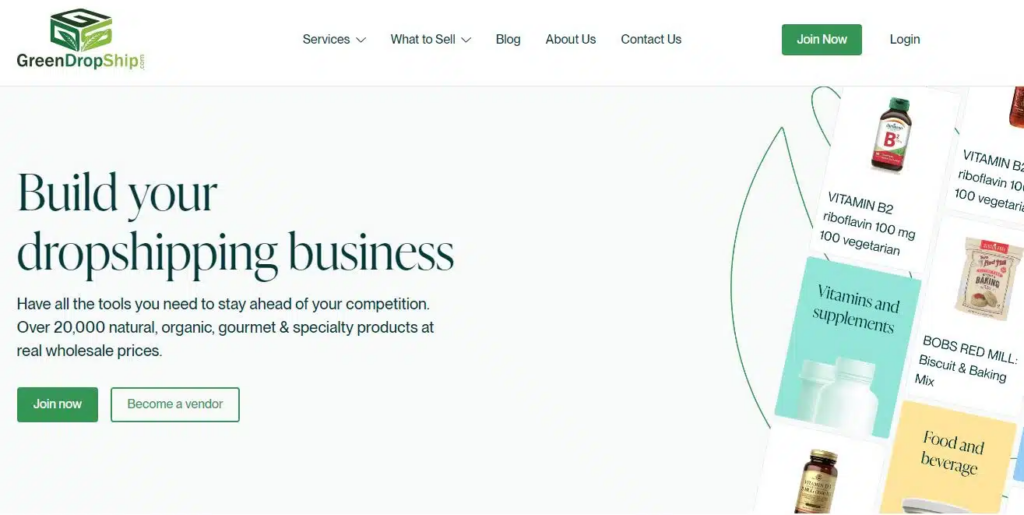
Table of Contents
Understanding Green Dropshipping
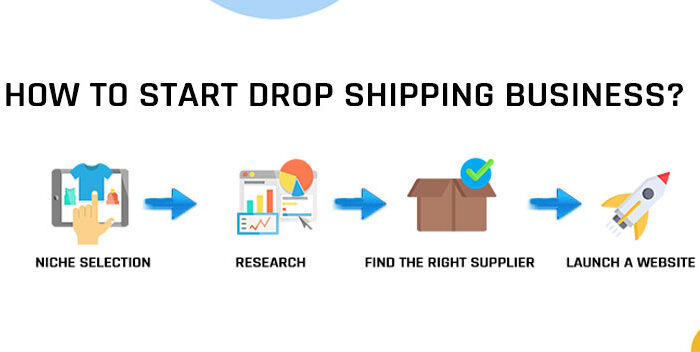
Green dropshipping refers to the practice of selling eco-friendly products through a dropshipping model. In this setup, retailers do not hold inventory; instead, they partner with suppliers who ship products directly to customers. This model reduces waste and minimizes the carbon footprint associated with traditional retail practices.
What Makes a Product Eco-Friendly?
Eco-friendly products are those that have a minimal impact on the environment. They are typically made from sustainable materials, produced using ethical practices, and designed to be biodegradable or recyclable. Examples include organic skincare products, reusable household items, and sustainable fashion.
The Rise of Eco-Conscious Consumers
The demand for sustainable products is on the rise. Studies show that a significant percentage of consumers are willing to pay more for eco-friendly options. This shift in consumer behavior presents a lucrative opportunity for entrepreneurs looking to enter the dropshipping market. According to recent surveys, nearly 73% of consumers express a preference for brands that demonstrate a commitment to sustainability, indicating a robust market for green dropshipping.
Benefits of Green Dropshipping
1. Reduced Environmental Impact
One of the primary advantages of green dropshipping is its potential to reduce environmental harm. By selling eco-friendly products, businesses contribute to a more sustainable future. This model also encourages suppliers to adopt greener practices, creating a ripple effect throughout the supply chain. For instance, by choosing suppliers who use renewable energy sources or sustainable materials, dropshippers can significantly lower their overall carbon footprint.
2. Access to a Growing Market
As more consumers prioritize sustainability, the market for eco-friendly products continues to expand. Retailers who embrace green dropshipping can tap into this growing demographic, attracting customers who are passionate about environmental issues. The rise of social media and online platforms has made it easier for eco-conscious brands to reach their target audience, further fueling the growth of this market.
3. Lower Overhead Costs
Since green dropshipping eliminates the need for inventory storage, businesses can significantly reduce overhead costs. This model allows entrepreneurs to focus on marketing and customer service rather than managing stock. Additionally, many green dropshipping suppliers offer competitive pricing, making it easier for new businesses to enter the market without substantial upfront investment.
4. Enhanced Brand Reputation
Aligning your business with eco-friendly practices can enhance your brand’s reputation. Consumers are more likely to support companies that demonstrate a commitment to sustainability, leading to increased customer loyalty and positive word-of-mouth. Brands that actively promote their green initiatives often see higher engagement rates on social media, as consumers are eager to share their support for environmentally responsible businesses.
5. Flexibility and Scalability
Green dropshipping offers flexibility and scalability that traditional retail models cannot match. Entrepreneurs can easily expand their product offerings by partnering with additional suppliers or exploring new eco-friendly niches. This adaptability allows businesses to respond quickly to changing market trends and consumer preferences, ensuring long-term success.
Best Practices for Green Dropshipping
1. Choose the Right Suppliers
Selecting suppliers who prioritize sustainability is crucial for a successful green dropshipping business. Look for suppliers that offer certified organic products, use eco-friendly packaging, and have transparent sourcing practices. Platforms like GreenDropShip and Syncee provide access to a range of eco-friendly suppliers. Additionally, consider reaching out to suppliers directly to inquire about their sustainability practices and certifications.
2. Focus on Quality
Quality is paramount in the eco-friendly market. Ensure that the products you offer meet high standards and are backed by positive reviews. This will help build trust with your customers and encourage repeat purchases. Conduct thorough research on potential suppliers and request samples to evaluate product quality before adding them to your store.
3. Implement Sustainable Shipping Practices
Shipping can significantly impact your business’s carbon footprint. Partner with logistics companies that offer carbon-neutral shipping options or utilize local fulfillment centers to reduce transportation emissions. Additionally, consider using biodegradable or recyclable packaging materials. Communicate your shipping practices to customers, as many consumers appreciate transparency regarding the environmental impact of their purchases.
4. Educate Your Customers
Informing your customers about the benefits of eco-friendly products can enhance their shopping experience. Use your website and social media platforms to share information about sustainability, the importance of eco-friendly choices, and how your products contribute to a greener planet. Consider creating blog posts, infographics, or videos that highlight the environmental benefits of your products and the impact of consumer choices.
5. Monitor and Adapt
The landscape of green dropshipping is constantly evolving. Stay informed about industry trends, consumer preferences, and new sustainable practices. Regularly assess your business model and make adjustments as needed to remain competitive and relevant. Attend industry conferences, webinars, and workshops to network with other eco-conscious entrepreneurs and learn about the latest developments in sustainable e-commerce.
Challenges in Green Dropshipping
1. Higher Costs
While green products often come with a higher price tag, consumers are increasingly willing to pay for quality and sustainability. However, balancing cost and profit margins can be challenging, especially for new businesses. To mitigate this, consider offering a range of products at different price points to cater to various customer segments.
2. Limited Product Availability
Finding a diverse range of eco-friendly products can be difficult. Many suppliers may not offer extensive catalogs, which can limit your options. It’s essential to research and partner with multiple suppliers to ensure a broad product selection. Additionally, consider exploring niche markets within the eco-friendly space, such as zero-waste products or sustainable fashion, to differentiate your offerings.
3. Consumer Skepticism
Some consumers may be skeptical about the authenticity of eco-friendly claims. To combat this, provide clear information about your products’ sourcing, certifications, and environmental benefits. Transparency is key to building trust. Consider including third-party certifications on your product pages to validate your claims and reassure customers about the sustainability of your offerings.
4. Competition
As the demand for eco-friendly products grows, so does the competition. Many entrepreneurs are entering the green dropshipping space, making it essential to differentiate your brand. Focus on building a unique value proposition, whether through exceptional customer service, exclusive product offerings, or a strong brand story that resonates with your target audience.
Future Outlook for Green Dropshipping
The future of green dropshipping looks promising as more consumers prioritize sustainability in their purchasing decisions. Market research indicates that the eco-friendly product market is expected to continue growing, driven by increasing awareness of environmental issues and the desire for sustainable alternatives. Entrepreneurs who embrace this trend and adapt their business models accordingly will be well-positioned for success.
Innovations in Sustainable Practices
As technology advances, new innovations in sustainable practices are emerging. For example, advancements in biodegradable materials and eco-friendly packaging solutions are making it easier for dropshippers to reduce their environmental impact. Additionally, the rise of blockchain technology is enhancing transparency in supply chains, allowing consumers to trace the origins of their products and verify sustainability claims.
The Role of Social Media
Social media will continue to play a crucial role in promoting green dropshipping businesses. Platforms like Instagram, TikTok, and Pinterest are ideal for showcasing eco-friendly products and engaging with consumers. By leveraging social media marketing strategies, dropshippers can build a loyal following and create a community of environmentally conscious consumers.
Collaboration and Partnerships
Collaboration with other eco-friendly brands and organizations can enhance your business’s visibility and credibility. Consider partnering with environmental nonprofits, participating in sustainability initiatives, or collaborating with influencers who share your values. These partnerships can help amplify your message and reach a broader audience.
Expanding Your Green Dropshipping Business
1. Diversifying Product Lines
To maximize your reach and appeal to a broader audience, consider diversifying your product lines. Explore various eco-friendly categories such as sustainable fashion, organic food products, eco-friendly home goods, and personal care items. This diversification not only attracts different customer segments but also mitigates risks associated with relying on a single product category.
2. Utilizing Data Analytics
Leverage data analytics to understand customer behavior and preferences. Analyzing sales data, website traffic, and customer feedback can provide valuable insights into which products are performing well and which areas need improvement. Use this information to refine your marketing strategies and product offerings, ensuring that you meet the evolving needs of your customers.
3. Building a Community
Creating a community around your brand can foster customer loyalty and engagement. Consider establishing a blog or forum where customers can share their experiences, tips, and ideas related to sustainable living. Engaging with your audience through newsletters, social media, and interactive content can strengthen your brand’s connection with consumers and encourage repeat business.
4. Offering Subscription Services
Subscription services are gaining popularity in the e-commerce space, and they can be an effective way to promote eco-friendly products. Consider offering subscription boxes that feature a curated selection of sustainable products delivered to customers on a regular basis. This model not only provides convenience for customers but also ensures a steady revenue stream for your business.
5. Staying Ahead of Trends
The eco-friendly market is dynamic, with new trends emerging regularly. Stay ahead of the curve by keeping an eye on industry developments, consumer preferences, and innovative products. Subscribe to industry publications, follow thought leaders on social media, and participate in relevant online communities to stay informed and adapt your business strategies accordingly.
Conclusion
Green dropshipping presents a unique opportunity for entrepreneurs to build a sustainable business while meeting the demands of eco-conscious consumers. By focusing on quality products, ethical suppliers, and sustainable practices, you can create a successful online store that not only generates profit but also contributes to a healthier planet. As the market for eco-friendly products continues to grow, now is the perfect time to embrace this innovative approach to e-commerce.
As you embark on your journey towards a sustainable lifestyle, discover a wide range of eco-friendly products that not only benefit the planet but also elevate your everyday living at LooperBuy. Explore now: LooperBuy.
Article Summary:
This article explores the concept of green dropshipping, highlighting its benefits, best practices, and challenges. It emphasizes the importance of choosing sustainable suppliers, focusing on product quality, and implementing eco-friendly shipping practices. As consumer demand for eco-friendly products rises, green dropshipping offers a lucrative opportunity for entrepreneurs to build a sustainable business.
Hot Tags: Eco-Friendly Dropshipping; Sustainable Products; Green Business Practices; Ethical Suppliers; E-Commerce Sustainability; Organic Products; Eco-Conscious Consumers; Green Shipping Solutions; Dropshipping Success; Environmental Impact; Sustainable Fashion; Biodegradable Products; Recyclable Packaging; Green Supply Chain; Conscious Consumerism; Eco-Friendly Market Trends; Green Dropshipping Suppliers; Sustainable E-Commerce; Ethical Dropshipping; Green Product Sourcing; Eco-Friendly Retail; Sustainable Business Model; Green Logistics; Eco-Friendly Packaging; Organic Skincare; Zero-Waste Products; Green Home Goods; Eco-Friendly Fashion; Sustainable Living; Green Consumer Trends.
Related Questions & Answers
· What are the most profitable eco-friendly niches for dropshipping?
Some of the most profitable eco-friendly niches include sustainable fashion, organic skincare, zero-waste products, eco-friendly home goods, and biodegradable packaging solutions.
· How can I verify the sustainability claims of dropshipping suppliers?
You can verify sustainability claims by checking for third-party certifications, reviewing supplier transparency regarding sourcing practices, and requesting product samples to assess quality.
· What are some effective marketing strategies for a green dropshipping business?
Effective marketing strategies include leveraging social media to showcase eco-friendly products, creating informative content about sustainability, and collaborating with influencers who align with your brand values.