Table of Contents
Introduction to Free Drop Shipping
In the ever-evolving world of e-commerce, free drop shipping has emerged as a game-changer for entrepreneurs looking to start their online businesses with minimal upfront investment. This model allows sellers to offer products without holding inventory, making it an attractive option for those new to the industry. In this comprehensive guide, we will explore the ins and outs of free drop shipping, its benefits, challenges, and strategies for success.
Understanding Free Drop Shipping
What is Free Drop Shipping?
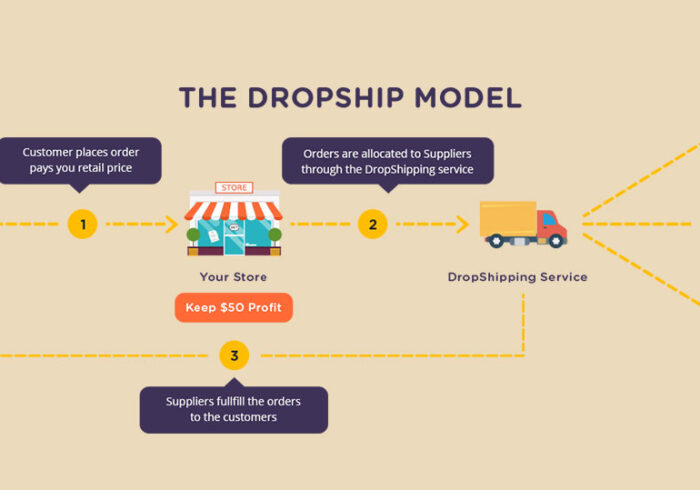
Free drop shipping is a retail fulfillment method where a store does not keep the products it sells in stock. Instead, when a store sells a product, it purchases the item from a third party and has it shipped directly to the customer. This means that the seller never sees or handles the product. The term “free” in free drop shipping often refers to the absence of upfront costs associated with inventory, allowing entrepreneurs to start their businesses without significant financial risk.
How Free Drop Shipping Works
The process of free drop shipping can be broken down into several key steps:
- Setting Up an Online Store: Entrepreneurs can create an online store using platforms like Shopify, WooCommerce, or BigCommerce. These platforms provide user-friendly interfaces for setting up an e-commerce site.
- Choosing a Niche: Selecting a niche is crucial for success. Entrepreneurs should research market trends and consumer demands to identify profitable products.
- Finding Suppliers: The next step is to find reliable suppliers who offer drop shipping services. Platforms like AliExpress, Oberlo, and SaleHoo are popular choices for sourcing products.
- Listing Products: Once suppliers are identified, sellers can list products on their online store, setting their prices and writing compelling product descriptions.
- Marketing the Store: Effective marketing strategies, including social media advertising, search engine optimization (SEO), and email marketing, are essential to drive traffic to the store.
- Processing Orders: When a customer places an order, the seller forwards the order details to the supplier, who then ships the product directly to the customer.
- Customer Service: Providing excellent customer service is vital for building trust and encouraging repeat business.
Benefits of Free Drop Shipping
Low Startup Costs
One of the most significant advantages of free drop shipping is the low barrier to entry. Entrepreneurs can start their businesses without investing in inventory, which reduces financial risk. This model allows individuals to test different products and niches without the fear of losing money on unsold stock.
Flexibility and Scalability
Free drop shipping offers unparalleled flexibility. Entrepreneurs can operate their businesses from anywhere with an internet connection, making it an ideal option for digital nomads. Additionally, as the business grows, sellers can easily scale their operations by adding new products and suppliers without the need for additional warehouse space.
Wide Product Selection
With free drop shipping, sellers have access to a vast array of products from various suppliers. This allows entrepreneurs to cater to diverse customer preferences and trends, increasing their chances of success in the competitive e-commerce landscape.
No Inventory Management
Managing inventory can be a logistical nightmare for traditional retailers. Free drop shipping eliminates this headache, as sellers do not need to worry about stock levels, storage, or shipping logistics. This allows entrepreneurs to focus on marketing and customer engagement.
Challenges of Free Drop Shipping
Supplier Reliability
While free drop shipping offers many benefits, it also comes with challenges. One of the most significant concerns is supplier reliability. If a supplier fails to deliver products on time or provides poor-quality items, it can damage the seller’s reputation and lead to customer dissatisfaction.
Lower Profit Margins
Free drop shipping often results in lower profit margins compared to traditional retail models. Since sellers do not purchase products in bulk, they may pay higher prices per item. This can make it challenging to compete on price, especially in saturated markets.
Limited Control Over Shipping
Sellers have little control over the shipping process when using drop shipping suppliers. Delays, shipping errors, and lost packages can occur, leading to frustrated customers. It is essential for sellers to communicate effectively with their suppliers and set clear expectations regarding shipping times.
Marketing and Competition
The e-commerce space is highly competitive, and free drop shipping is no exception. Sellers must invest time and resources into marketing their stores to stand out from the competition. This includes optimizing product listings, running targeted advertising campaigns, and engaging with customers on social media.
Strategies for Success in Free Drop Shipping
Research and Select the Right Niche
Choosing the right niche is critical for success in free drop shipping. Entrepreneurs should conduct thorough market research to identify trending products and consumer demands. Tools like Google Trends, social media insights, and competitor analysis can provide valuable information for niche selection.
Build Strong Relationships with Suppliers
Establishing strong relationships with reliable suppliers is essential for a successful drop shipping business. Sellers should communicate regularly with their suppliers, ensuring they understand product quality, shipping times, and return policies. Building trust with suppliers can lead to better pricing and improved service.
Optimize Your Online Store
A well-optimized online store is crucial for attracting customers and driving sales. Sellers should focus on creating user-friendly websites with clear navigation, high-quality product images, and compelling descriptions. Implementing SEO best practices can also help improve visibility in search engine results.
Leverage Social Media Marketing
Social media platforms are powerful tools for promoting free drop shipping businesses. Sellers should create engaging content that resonates with their target audience, utilizing platforms like Instagram, Facebook, and Pinterest to showcase products and drive traffic to their stores.
Provide Excellent Customer Service
Exceptional customer service can set a drop shipping business apart from the competition. Sellers should respond promptly to customer inquiries, address concerns, and handle returns efficiently. Building a reputation for excellent service can lead to repeat business and positive word-of-mouth referrals.
Utilize Email Marketing
Email marketing is a cost-effective way to engage with customers and drive sales. Sellers can build an email list by offering incentives such as discounts or free resources. Regularly sending newsletters, product updates, and promotional offers can keep customers informed and encourage repeat purchases.
Implement Analytics and Tracking
To optimize their drop shipping business, sellers should implement analytics tools to track website traffic, sales, and customer behavior. Understanding which products are performing well and which marketing strategies are effective can help entrepreneurs make data-driven decisions to improve their business.
Test and Iterate
The e-commerce landscape is constantly changing, and what works today may not work tomorrow. Successful drop shippers should be willing to test new products, marketing strategies, and sales techniques. By analyzing results and iterating on their approach, sellers can adapt to market trends and consumer preferences.
Focus on Branding
In a crowded market, establishing a strong brand identity can help differentiate a drop shipping business from competitors. Sellers should invest time in creating a memorable brand name, logo, and consistent visual elements across their online store and marketing materials. A strong brand can foster customer loyalty and trust.
Create High-Quality Content
Content marketing can be an effective way to attract and engage customers. Sellers should consider creating blog posts, videos, and tutorials related to their products or niche. High-quality content can improve SEO, drive organic traffic, and position the seller as an authority in their field.
Engage with Your Audience
Building a community around your brand can enhance customer loyalty. Sellers should actively engage with their audience on social media, respond to comments, and encourage user-generated content. Hosting contests, giveaways, or live Q&A sessions can also foster a sense of community and increase brand visibility.
Explore Multiple Sales Channels
While having a dedicated online store is essential, sellers should also consider expanding their reach by selling on multiple platforms. Marketplaces like Amazon, eBay, and Etsy can provide additional exposure and sales opportunities. Each platform has its own audience and can complement the seller’s primary store.
Stay Informed About Industry Trends
The e-commerce landscape is constantly evolving, and staying informed about industry trends is crucial for success. Sellers should subscribe to industry newsletters, follow relevant blogs, and participate in online forums to keep up with changes in consumer behavior, technology, and market dynamics.
Leverage Influencer Marketing
Influencer marketing can be a powerful strategy for drop shipping businesses. Collaborating with influencers who align with your brand can help you reach a wider audience and build credibility. Influencers can create authentic content showcasing your products, driving traffic and sales to your store.
Optimize for Mobile Shopping
With the increasing use of smartphones for online shopping, optimizing your store for mobile devices is essential. Ensure that your website is mobile-friendly, with fast loading times and easy navigation. A seamless mobile shopping experience can significantly improve conversion rates.
Implement Retargeting Strategies
Retargeting is a powerful marketing strategy that allows sellers to reach customers who have previously visited their store but did not make a purchase. By displaying targeted ads to these potential customers, sellers can remind them of their interest and encourage them to return and complete their purchase.
Offer Promotions and Discounts
Promotions and discounts can incentivize customers to make a purchase. Sellers should consider offering limited-time discounts, free shipping, or bundle deals to attract new customers and encourage repeat business. Highlighting these offers on your website and marketing materials can create a sense of urgency.
Create a Loyalty Program
Implementing a loyalty program can help retain customers and encourage repeat purchases. Sellers can reward customers for their loyalty with points for every purchase, which can be redeemed for discounts or free products. A well-structured loyalty program can enhance customer satisfaction and increase lifetime value.
Monitor Competitors
Keeping an eye on competitors can provide valuable insights into market trends and consumer preferences. Sellers should analyze competitors’ pricing, product offerings, and marketing strategies to identify opportunities for differentiation and improvement in their own business.
Focus on Customer Feedback
Customer feedback is invaluable for improving products and services. Sellers should actively seek feedback through surveys, reviews, and direct communication. Understanding customer preferences and pain points can help entrepreneurs make informed decisions to enhance their offerings.
Prepare for Seasonal Trends
E-commerce sales can fluctuate based on seasonal trends and holidays. Sellers should prepare for peak shopping seasons by analyzing past sales data and adjusting their marketing strategies accordingly. Offering seasonal promotions and highlighting relevant products can help capitalize on increased consumer spending during these times.
Invest in Paid Advertising
While organic marketing strategies are essential, investing in paid advertising can provide a significant boost to visibility and sales. Platforms like Google Ads and Facebook Ads allow sellers to target specific demographics and reach potential customers effectively. A well-planned advertising campaign can yield a high return on investment.
Build a Strong Network
Networking with other entrepreneurs and industry professionals can provide valuable support and insights. Joining online communities, attending industry events, and participating in webinars can help sellers connect with like-minded individuals and learn from their experiences.
Conclusion
Free drop shipping presents a unique opportunity for aspiring entrepreneurs to enter the e-commerce market with minimal financial risk. By understanding the benefits and challenges of this model, and implementing effective strategies, sellers can build successful online businesses. With dedication, research, and a focus on customer satisfaction, free drop shipping can be a pathway to e-commerce success.
As you embark on your drop shipping journey, remember that the right products can make all the difference in capturing your customers’ attention and driving sales. Discover a wide range of trending items that can elevate your online store at LooperBuy.
Article Summary: This article explores the concept of free drop shipping, detailing its benefits, challenges, and strategies for success. It emphasizes the low startup costs, flexibility, and wide product selection that make free drop shipping appealing, while also addressing potential issues like supplier reliability and competition. The guide provides actionable insights for entrepreneurs looking to thrive in the e-commerce landscape.
Hot Tags: Free Drop Shipping; E-Commerce; Online Business; Drop Shipping Suppliers; Low Startup Costs; Digital Marketing; Niche Selection; Customer Service; Inventory Management; Profit Margins; E-Commerce Strategies; Social Media Marketing; SEO; Product Sourcing; Market Research; Shipping Logistics; Business Scalability; E-Commerce Trends; Retail Fulfillment; Supplier Relationships; Online Store Optimization; Customer Engagement; E-Commerce Success; Product Listings; Marketing Strategies; E-Commerce Platforms; Business Growth; Digital Nomads; E-Commerce Challenges; Entrepreneurial Success
Related Questions & Answers
· What is the difference between drop shipping and traditional retail?
Drop shipping allows sellers to sell products without holding inventory, while traditional retail requires purchasing and storing products before selling them.
· How can I find reliable suppliers for drop shipping?
You can find reliable suppliers through platforms like AliExpress, Oberlo, and SaleHoo, as well as by researching industry-specific suppliers.
· What are the best marketing strategies for a drop shipping business?
Effective marketing strategies include social media advertising, search engine optimization (SEO), email marketing, and influencer partnerships.
· Is free drop shipping profitable?
While free drop shipping can be profitable, it often comes with lower profit margins. Success depends on effective marketing, niche selection, and supplier relationships.
· How do I handle customer service in a drop shipping business?
Providing excellent customer service involves responding promptly to inquiries, addressing concerns, and efficiently managing returns and refunds.