Table of Contents
The Rise of E-Commerce in China
From Traditional Markets to Digital Dominance
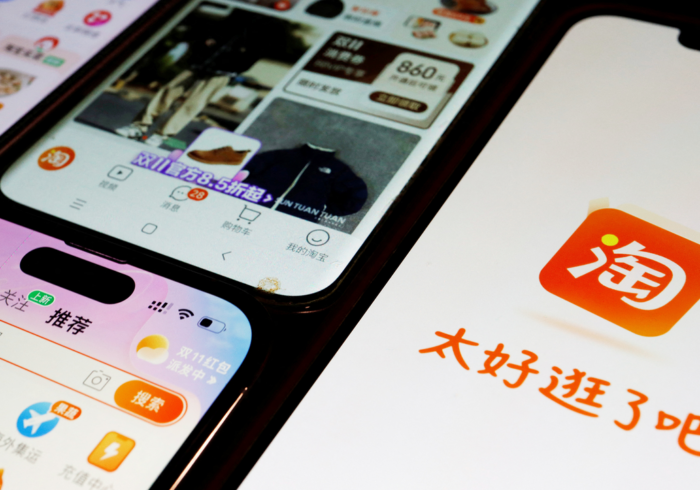
China’s transition from brick-and-mortar retail to online shopping has been one of the most rapid and transformative shifts in global commerce. Fueled by widespread internet adoption, mobile technology advancements, and a growing middle class, Chinese consumers have embraced online shopping as a cornerstone of daily life. Platforms like Taobao, JD, and Pinduoduo have redefined retail, blending convenience, affordability, and innovation.
Government Policies and Infrastructure Development
The Chinese government’s push for digitalization, including initiatives like “Internet Plus” and investments in 5G networks, has accelerated e-commerce growth. Improved logistics networks, such as Alibaba’s Cainiao and JD Logistics, ensure same-day or next-day delivery even in remote areas, creating a seamless shopping experience.
Key Players in China’s Online Shopping Ecosystem
Alibaba’s Taobao and Tmall: The Titans of Retail
Taobao, a consumer-to-consumer (C2C) platform, and Tmall, its business-to-consumer (B2C) counterpart, dominate China’s e-commerce landscape. Together, they account for over 50% of the market share, offering everything from low-cost goods to luxury brands. Their annual shopping festivals, like Singles’ Day, generate billions in sales within hours.
JD: Quality and Speed as Competitive Advantages
JD differentiates itself through a vertically integrated supply chain and a focus on authenticity. By owning warehouses and delivery fleets, JD guarantees product quality and rapid shipping, appealing to urban consumers prioritizing reliability.
Pinduoduo: Disrupting the Market with Social Commerce
Pinduoduo’s “team purchase” model leverages social media networks to offer discounted group buys. This strategy has attracted price-sensitive users in lower-tier cities, propelling the platform to rival Alibaba and JD in user base and valuation.
Trends Shaping the Future of Online Shopping in China
Livestream Commerce: The New Sales Frontier
Livestream shopping has exploded in popularity, with influencers and celebrities hosting real-time product demonstrations. Platforms like Douyin (TikTok) and Kuaishou integrate entertainment and commerce, driving impulsive purchases and fostering brand loyalty.
AI and Personalization: Tailoring the Shopping Experience
Artificial intelligence powers recommendation engines, chatbots, and virtual try-ons, creating hyper-personalized experiences. Alibaba’s “FashionAI” and JD’s smart customer service exemplify how technology enhances user engagement.
Sustainability and Green E-Commerce
Consumers increasingly prioritize eco-friendly products and packaging. Companies like JD have launched carbon-neutral delivery options, while Alibaba promotes second-hand marketplaces like Xianyu to reduce waste.
Challenges in China’s E-Commerce Sector
Data Privacy and Cybersecurity Concerns
As platforms collect vast amounts of user data, incidents of data breaches and misuse have sparked regulatory crackdowns. China’s Personal Information Protection Law (PIPL) imposes strict penalties for non-compliance, forcing companies to overhaul data practices.
Intense Competition and Market Saturation
With hundreds of niche platforms vying for attention, customer acquisition costs are rising. Smaller players struggle to compete with giants that offer subsidies, exclusive deals, and omnichannel integration.
Rural-Urban Divide in Access and Adoption
While urban areas enjoy cutting-edge services, rural regions face logistical hurdles and limited digital literacy. Platforms like Pinduoduo are bridging this gap by tailoring offerings to agricultural communities.
The Global Influence of Chinese E-Commerce Models
Exporting Innovations Beyond Borders
Chinese platforms are expanding overseas through ventures like AliExpress and SHEIN, introducing global consumers to live commerce, flash sales, and ultra-fast fashion. These models are reshaping retail practices in Southeast Asia, Europe, and North America.
Lessons for International Businesses
The success of Chinese e-commerce underscores the importance of agility, localization, and leveraging social networks. Companies worldwide are adopting similar strategies to capture tech-savvy audiences.
Conclusion
China’s online shopping revolution reflects a blend of technological prowess, consumer-centric innovation, and adaptive business models. While challenges like data privacy and market saturation persist, the sector’s continuous evolution promises to redefine global commerce. As platforms experiment with AI, blockchain, and cross-border trade, the future of retail lies in the lessons learned from China’s digital marketplace.
If you want to purchase more directly on Chinese shopping websites without registering a Chinese entity, you can use looperbuy, a one-stop purchasing-logistics solution:https://looperbuy.com/
Related Questions & Answers
· What makes Singles’ Day such a significant event in Chinese e-commerce?
Singles’ Day (November 11) originated as an anti-Valentine’s celebration but was commercialized by Alibaba in 2009. It now serves as the world’s largest shopping festival, generating record-breaking sales through limited-time discounts, celebrity endorsements, and cross-platform promotions.
· How does Pinduoduo’s social commerce model work?
Pinduoduo encourages users to form shopping groups with friends or strangers to unlock bulk discounts. This viral approach leverages social media sharing, reducing customer acquisition costs and fostering community-driven purchasing behavior.
· What role does AI play in enhancing online shopping experiences?
AI analyzes user behavior to recommend products, enables virtual try-ons for apparel and cosmetics, and powers chatbots that resolve customer queries instantly. These technologies streamline decision-making and improve satisfaction.
· Why are sustainability initiatives gaining traction in Chinese e-commerce?
Environmental awareness has surged among younger consumers, prompting platforms to adopt eco-friendly practices. Initiatives like carbon-neutral deliveries and recycling programs align with government goals to achieve carbon neutrality by 2060.
· How are Chinese platforms addressing the rural-urban divide?
Companies like Pinduoduo and JD collaborate with local farmers to sell produce directly to urban consumers, bypassing intermediaries. Meanwhile, Taobao offers training programs to help rural entrepreneurs launch online stores.