Table of Contents
Introduction to Drop Shipping
The drop shipping business model has gained immense popularity among entrepreneurs looking to start an online retail business with minimal upfront investment. This model allows sellers to operate without holding inventory, making it an attractive option for those new to e-commerce. In this article, we will delve into the intricacies of the drop shipping business model, exploring its advantages, challenges, and best practices for success.

Understanding the Drop Shipping Business Model
What is Drop Shipping?
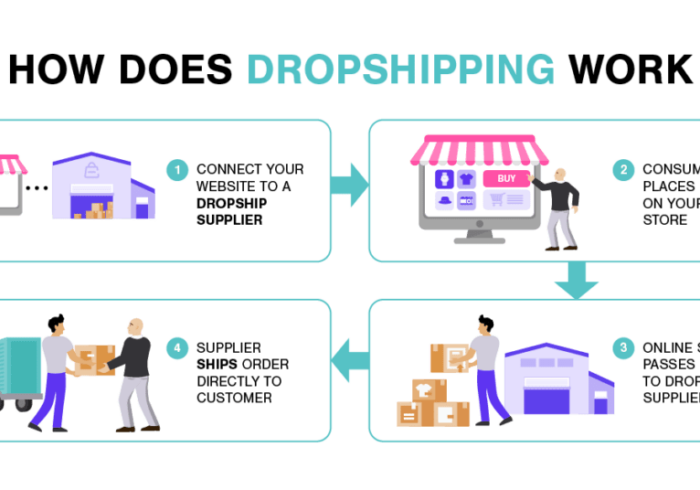
Drop shipping is a retail fulfillment method where the seller does not keep the products in stock. Instead, when a customer places an order, the seller purchases the item from a third-party supplier who then ships it directly to the customer. This means that the seller never handles the product directly, allowing for a streamlined business operation.
How Does Drop Shipping Work?
The drop shipping process involves several key steps:
- Setting Up an Online Store: Entrepreneurs can create an online store using platforms like Shopify, WooCommerce, or BigCommerce.
- Choosing a Niche: Selecting a specific market or product category is crucial for targeting the right audience.
- Finding Suppliers: Sellers need to find reliable suppliers who can provide quality products at competitive prices.
- Listing Products: Products are listed on the online store, often using images and descriptions provided by the supplier.
- Receiving Orders: When a customer places an order, the seller forwards the order details to the supplier.
- Shipping: The supplier ships the product directly to the customer, and the seller is notified of the shipment.
Advantages of the Drop Shipping Business Model
Low Startup Costs
One of the most significant advantages of drop shipping is the low startup costs. Entrepreneurs do not need to invest in inventory upfront, which reduces financial risk. This makes it easier for individuals to enter the e-commerce space without substantial capital.
Flexibility and Scalability
Drop shipping offers flexibility in terms of product offerings and business operations. Sellers can easily add or remove products from their store without worrying about inventory management. Additionally, as the business grows, it can scale quickly without the need for significant investment in warehousing or logistics.
Wide Product Selection
With drop shipping, sellers have access to a vast array of products from various suppliers. This allows them to cater to different customer preferences and trends without being limited by inventory constraints. Entrepreneurs can test new products and niches with minimal risk.
Location Independence
The drop shipping model allows entrepreneurs to run their businesses from anywhere with an internet connection. This location independence is particularly appealing to those who wish to travel or work remotely while managing their online store.
Challenges of the Drop Shipping Business Model
Shipping Times
One of the primary challenges of drop shipping is the potential for long shipping times, especially when sourcing products from international suppliers. Customers may become frustrated with delays, leading to negative reviews and decreased customer satisfaction. To mitigate this, sellers should communicate estimated shipping times clearly and consider working with suppliers who offer faster shipping options.
Quality Control
Since sellers do not handle the products directly, ensuring quality can be challenging. It is essential to vet suppliers thoroughly and order samples to assess product quality before listing them in the store. Additionally, encouraging customer reviews can help identify any quality issues.
Competition
The drop shipping market is highly competitive, with many entrepreneurs vying for the same customers. To stand out, sellers must focus on building a strong brand, offering exceptional customer service, and implementing effective marketing strategies.
Supplier Reliability
Reliability is crucial in the drop shipping business model. If a supplier fails to fulfill orders or provides poor-quality products, it can reflect negatively on the seller’s business. Establishing strong relationships with suppliers and regularly monitoring their performance is essential for success.
Best Practices for Success in Drop Shipping
Conduct Thorough Market Research
Before launching a drop shipping business, it is vital to conduct thorough market research. Identify trends, analyze competitors, and understand your target audience. Tools like Google Trends and social media platforms can provide valuable insights into what products are in demand.
Optimize Product Listings
When listing products on your store, ensure that you use high-quality images and compelling descriptions. Highlight the benefits of the products and include relevant keywords to improve search engine visibility. Consider using SEO techniques to drive organic traffic to your store.
Implement Effective Marketing Strategies
To attract customers to your online store, you’ll need to implement effective marketing strategies. Utilize social media marketing, email campaigns, and paid advertising to reach your target audience. Collaborate with influencers in your niche to expand your reach and build credibility.
Monitor Performance Metrics
Regularly monitor key performance metrics to gauge the success of your drop shipping business. Track sales, conversion rates, and customer feedback to identify areas for improvement. Use analytics tools to gain insights into customer behavior and preferences.
Ready to elevate your drop shipping business with unbeatable deals and a wide selection of products? Discover the possibilities at https://looperbuy.com/ today!
Related Questions & Answers
· What are the best platforms for starting a drop shipping business? Shopify and WooCommerce are popular choices due to their user-friendly interfaces and extensive features tailored for drop shipping.
· How can I find reliable suppliers for my drop shipping business? Look for suppliers with high ratings, positive reviews, and a history of timely shipping. Communicate with them to assess their reliability.
· What are the common challenges faced in drop shipping? Common challenges include long shipping times, quality control issues, and intense competition in the market.
· Can I drop ship from multiple suppliers? Yes, many drop shippers work with multiple suppliers to diversify their product offerings and mitigate risks.
· How can I improve my drop shipping store’s visibility? Implement SEO strategies, utilize social media marketing, and consider paid advertising to increase your store’s visibility and attract customers.
Hot Tags: Drop Shipping; E-commerce; Online Retail; Business Model; Market Research; Supplier Management; Product Listings; Marketing Strategies; Performance Metrics