Conclusion: Investing in an established dropshipping business can offer a faster path to e-commerce success compared to building from scratch, provided you conduct rigorous due diligence, accurately assess profitability, and verify supply chain stability.
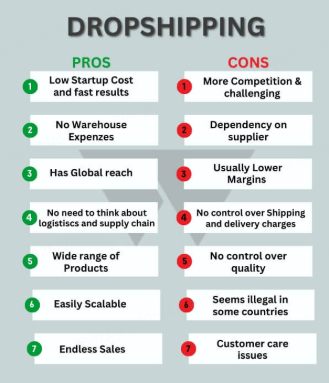
Table of Contents
The Strategic Advantage of Acquiring an Existing Dropshipping Store
Many aspiring entrepreneurs face the classic dilemma: should they build a brand-new dropshipping venture from the ground up or purchase an established one? Building from scratch involves months of product research, web design, marketing setup, and the grueling process of finding reliable suppliers. Conversely, buying an established dropshipping business allows you to step into a venture that already has a customer base, a track record of sales, and functional systems in place. This strategic approach minimizes the initial “startup friction” and allows you to focus on scaling and optimization from day one.
Understanding the Dropshipping Business Model
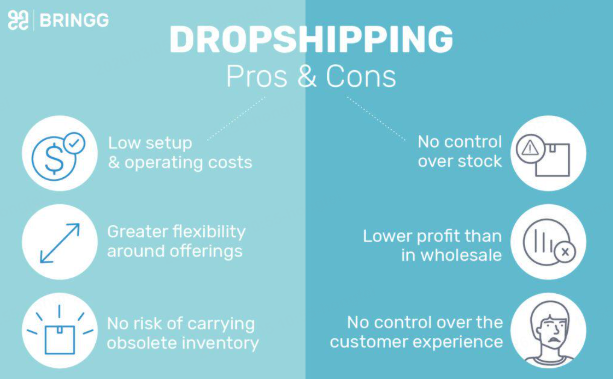
At its core, dropshipping is a retail fulfillment method where a store doesn’t keep the products it sells in stock. Instead, when a store sells a product using the dropshipping model, it purchases the item from a third party and has it shipped directly to the customer. As a result, the seller never sees or handles the product. Buying a business in this model means you are acquiring the systems, brand reputation, and supplier relationships rather than physical inventory or warehouse space. This makes it an attractive, low-overhead investment for those looking to enter the retail space without the heavy burdens of traditional inventory management.
Why Buy Instead of Build?
The primary driver for buying an existing store is the acquisition of “proven traction.” You are buying evidence that the market has a demand for the products offered, that the marketing channels work, and that the fulfillment processes are operational. For many, the cost of buying a business is an investment in time savings, as you skip the initial phase of trial-and-error that plagues most startups. Furthermore, established stores often have historical data, such as customer insights and search engine rankings, which can be leveraged for immediate growth.
Evaluating Potential Acquisitions: Due Diligence
Due diligence is the most critical phase of the acquisition process. It is the deep dive into how the business truly operates, from its finances and customer base to its legal standing and logistics. Skipping or rushing this process is the fastest way to turn a potentially smart investment into a costly mistake.
Financial Health and Profitability Analysis
The first step is to verify the income and expenses. You must examine the profit and loss statements over at least the past 12–24 months. Look beyond gross revenue and focus on net profit margins. In dropshipping, margins can be surprisingly slim due to advertising costs and shipping fees. Verify the consistency of these earnings and check for any seasonal fluctuations that might not be immediately obvious. Ensure that all costs, including marketing, platform subscriptions, apps, and payment processing fees, are fully accounted for in the profit analysis.
Assessing Supplier Relationships and Supply Chain Stability
The backbone of any successful dropshipping business is its suppliers. If the suppliers are unreliable, the business is fragile. During your review, investigate the following:
- Supplier Dependability: How long has the current store worked with these suppliers? Check for consistent product quality and reliable shipping times.
- Contractual Security: Are there formal agreements in place, or is the relationship informal?
- Alternative Sources: If the primary supplier fails, is there a backup source that can provide the same products at a similar price point?
Dependency on a single, shaky supplier is a major red flag that should prompt a re-evaluation of the purchase price or even a decision to walk away.
Analyzing Customer Satisfaction and Brand Reputation
A store is only as good as its reputation. Use due diligence to understand how the current customer base feels about the brand. Look at customer reviews, social media engagement, and, most importantly, the rate of returns and customer support inquiries. A high volume of support tickets can indicate poor product quality or misleading marketing, both of which will become your problems the moment you take over. Sustainable growth is built on repeat customers, so assess the lifetime value of the current customer base.
Valuation Methods for Dropshipping Ventures
Determining the fair market value of a dropshipping business can be complex because it lacks the physical assets found in traditional businesses. While there is no single “perfect” formula, investors typically use earnings-based methods to reach a consensus.
Understanding Market Multiples
Most online businesses are valued using a multiple of their annual or monthly net profit. For a profitable, stable dropshipping store, the multiple might range anywhere from 1.5x to 3x of annual net profit, depending on various risk factors. A business with strong brand recognition, a diverse marketing strategy, and low owner involvement will command a higher multiple than a store that relies solely on one unpredictable traffic source like viral TikTok trends.
Factors Influencing the Valuation
Several factors will drive the final price of the store:
- Niche Stability: Is the store in an “evergreen” niche (like home goods) or a “faddish” niche (like trending gadgets)? Evergreen niches generally command higher multiples.
- Traffic Diversity: Does the store get traffic from Google SEO, paid ads, email marketing, and social media? Or is it entirely dependent on one Facebook ad account?
- Operational Simplicity: How much manual work is required to manage the store? A business that is highly automated is more valuable.
- Age of the Business: A store that has survived and thrived for several years is seen as lower risk than a store that has only been profitable for three months.
Risks and Challenges to Consider Before You Buy
While buying a business offers a head start, it is not without risks. Being aware of these pitfalls before you sign any contract is essential for protecting your capital.
Navigating Market Volatility and Competition
The dropshipping landscape is intensely competitive. Low barriers to entry mean that new competitors can appear overnight, potentially undercutting your prices or mimicking your product offerings. When you analyze a store, consider how defensible its position is. Does it have a unique brand, exclusive relationships with suppliers, or a proprietary marketing angle that competitors cannot easily copy? If the store’s “moat” is non-existent, your future profits may be at risk.
Hidden Operational Costs and Technical Debt
Many sellers may present a simplified view of their costs to make the business look more attractive. Be on the lookout for hidden expenses like subscription fees for Shopify apps that are essential for the store’s functionality, fluctuating costs of digital advertising, or potential tax liabilities in different jurisdictions. Additionally, check for “technical debt”—such as an outdated website theme, broken code, or fragmented tracking pixels that will require immediate time and money to fix after the sale.
Ensuring a Smooth Transition
Once you have completed your due diligence and settled on a fair price, the final phase is the transition. This is the moment where the actual ownership is transferred.
Developing a Post-Acquisition Strategy
You should have a 90-day plan ready before you even take control of the store. This plan should include familiarizing yourself with the back-end, connecting your own payment gateways, introducing yourself to the key suppliers, and auditing the marketing campaigns. Do not make drastic changes on day one; observe what is already working and optimize slowly.
Maintaining Continuity for Customers
The goal of the transition is to be seamless from the customer’s perspective. If orders stop being processed or customer emails go unanswered during the transfer, your reputation will suffer, and your revenue will drop. Ensure that the previous owner provides comprehensive documentation and training during the handover period. This documentation should cover every aspect of the daily operations, from how to process a refund to how to handle a spike in orders during a marketing campaign.
Conclusion: Investing in an established dropshipping business can offer a faster path to e-commerce success compared to building from scratch, provided you conduct rigorous due diligence, accurately assess profitability, and verify supply chain stability.
To kickstart your journey into a proven, high-performing e-commerce venture with expert vetting and seamless acquisition, explore the curated listings at https://looperbuy.com/
Summary
Buying a dropshipping business is an attractive alternative to building a store from scratch, offering immediate access to proven revenue and operational systems. This guide explores the critical steps of the acquisition process, including why buying can be a strategic move, how to perform rigorous due diligence on financials and suppliers, and the methods for calculating a fair valuation. It also highlights the importance of assessing market competition and planning a seamless transition to ensure long-term profitability. By focusing on established traction rather than speculative growth, investors can mitigate risks and position themselves for success in the dynamic e-commerce landscape.
Hot Tags:
Buy Dropshipping Business; E-commerce Acquisition; Online Business Valuation; Dropshipping Due Diligence; Profitable Online Stores; Digital Assets For Sale; Shopify Store Acquisition; E-commerce Investment; Business Buying Guide; Dropshipping Success Tips; Scaling E-commerce; Supplier Management; Risk Assessment; Passive Income Online; Retail Business Model; Online Store Buying; E-commerce Growth; Asset Acquisition; Marketing Optimization; Financial Auditing; Niche Market Research; Store Transition Plan; Buying Established Brands; Ecommerce Profitability; Digital Entrepreneurship; Business Brokers; Online Marketplace Deals; E-commerce Strategy; Revenue Verification; Sustainable E-commerce
Related Questions & Answers
· What is the most important factor when performing due diligence on a dropshipping store?
The most important factor is verifying the net profitability through independent review of financial records and understanding the stability of supplier relationships. You must ensure that the revenue is sustainable and not overly dependent on a single, risky marketing channel.
· How do I value a dropshipping business that doesn’t own any physical assets?
Dropshipping businesses are typically valued based on a multiple of their annual net profit. Factors like brand equity, the age of the store, the diversity of traffic sources, and the level of automation are used to determine which multiple (usually between 1.5x and 3x) is appropriate.
· What are the common red flags to watch for when buying an existing store?
Common red flags include an unexplained sudden increase in revenue shortly before listing, high dependence on a single supplier, lack of customer retention data, poor reviews or high refund rates, and hidden costs that are not clearly disclosed in the profit statements.
· Is it better to buy a cheap, struggling store or an expensive, successful one?
Usually, it is safer to buy a profitable, established store. While a struggling store might be cheaper, it often requires significant effort and capital to “fix” without any guarantee of success. Buying a successful store allows you to focus on growth and optimization rather than troubleshooting systemic failures.
· What is the best way to ensure a smooth transition of ownership?
The best way is to have a structured handover period where the previous owner provides detailed documentation of all processes, introduces you to all key suppliers, and stays on for a defined period to provide support. You should also have a clear 90-day plan for post-acquisition operations.