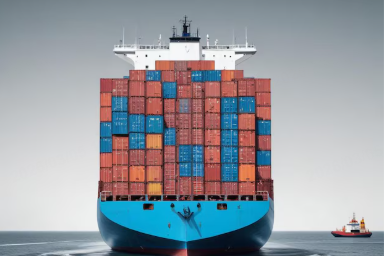
The global maritime shipping industry serves as the backbone of international trade, facilitating the movement of the vast majority of goods consumed and produced worldwide. For investors seeking direct exposure to this critical sector, the SonicShares Global Shipping ETF (ticker: BOAT) offers a unique, pure-play investment vehicle. By tracking the performance of the Solactive Global Shipping Index, this exchange-traded fund provides a streamlined way to gain access to a diversified portfolio of companies involved in container, dry bulk, and tanker shipping. Understanding the mechanics, strategic value, and inherent risks of such a specialized instrument is essential for any modern investor looking to balance their portfolio against the tides of global commerce.

Table of Contents
Understanding the Core of Maritime Investment via BOAT
At its heart, the SonicShares Global Shipping ETF is designed to simplify the complex task of investing in maritime logistics. Unlike broad industrial or transportation ETFs that may only allocate a small percentage to shipping, BOAT focuses exclusively on the maritime transportation industry. This “pure-play” approach ensures that shareholders are directly impacted by the economic health, operational efficiency, and market dynamics of the shipping sector, rather than being diluted by extraneous industrial segments.
The Mechanism of Passive Indexing
The fund employs a passive management strategy, meaning it seeks to replicate the results of the Solactive Global Shipping Index. This index is a rules-based framework that identifies and weights companies globally that are fundamentally engaged in the water transportation business. By automating the selection process, the ETF reduces the costs associated with active management and maintains transparency regarding its holdings. Investors can look at the fund’s composition and understand exactly which segments of the maritime market they are supporting, whether it be the massive vessels carrying consumer goods or the specialized tankers moving energy resources.
Exposure to Global Shipping Segments
The maritime shipping industry is not a monolith; it is comprised of several distinct and often uncorrelated sub-sectors. The beauty of the BOAT ETF lies in its ability to bundle these segments into a single, tradable product:
- Container Shipping: These companies manage the movement of finished consumer goods and industrial components in standardized containers. They are highly sensitive to retail consumption trends and global economic growth.
- Dry Bulk Shipping: This sector focuses on raw materials like iron ore, coal, and grain. It is a bellwether for industrial production and infrastructure development, particularly in emerging economies.
- Tanker Shipping: These companies are responsible for transporting crude oil, refined products, and chemicals. Their fortunes are inextricably linked to energy demand, geopolitical stability, and oil market fluctuations.
Why Investors Turn to the Shipping Sector
The allure of the shipping sector for institutional and retail investors alike often centers on its role as a proxy for global trade health. When the world is thriving, shipping volumes rise, and rates for chartering vessels tend to increase, potentially leading to robust profitability for the underlying companies within the index.
Hedging Against Global Economic Shifts
In many investment scenarios, shipping stocks can act as a strategic hedge. When global supply chains are stretched or demand surges in specific geographic regions, the shipping industry is often the first to experience these market corrections. By holding an ETF like BOAT, investors can potentially capitalize on these cycles without having to research and select individual shipping firms, which can be notoriously volatile and difficult to value.
Yield Potential and Dividend Distributions
For income-focused investors, the shipping industry has historically provided periods of significant cash flow generation. Many firms within the maritime space prioritize returning capital to shareholders through dividends when freight rates are favorable. Because the BOAT ETF aggregates these holdings, it provides investors with a consolidated view of potential income distributions, which can be a valuable addition to an income-oriented investment strategy.
Analyzing the Risks and Market Volatility
While the potential rewards of maritime investment are clear, it is equally important to acknowledge the inherent risks. Shipping is a capital-intensive industry with long asset cycles, meaning companies must invest heavily in fleets years before they are fully utilized. This leads to high fixed costs and a vulnerability to cyclical downturns.
Cyclicality and Capital Intensity
The shipping market is famously cyclical. Periods of oversupply—where too many ships are built—can lead to depressed freight rates for years, dragging down the earnings of shipping companies. Conversely, sudden shocks in global supply chains or a rapid spike in demand can create temporary shortages in vessel capacity, leading to dramatic price spikes. Understanding that BOAT is inherently tied to these cycles is crucial for any investor looking to time their entry and exit points effectively.
Geopolitical and Regulatory Factors
Maritime shipping is perhaps the most globally regulated and geopolitically sensitive industry in the world. From environmental regulations regarding fuel emissions to the impact of trade tariffs and territorial disputes on shipping routes, the industry faces constant pressure from external forces. Investors must recognize that their performance in a fund like BOAT is subject to these broader, often unpredictable, global developments.
The Future of Maritime Logistics and Sustainability
Beyond the cyclical nature of freight rates, the shipping industry is currently navigating a period of unprecedented transformation. The global imperative for decarbonization has put the spotlight firmly on maritime transport, which traditionally relies heavily on bunker fuel. Companies within the BOAT portfolio are increasingly forced to grapple with the “Green Transition.”
Environmental, Social, and Governance (ESG) Impact
The International Maritime Organization (IMO) has set ambitious targets for reducing greenhouse gas emissions. For shipping companies, this means massive capital expenditure on new, dual-fuel vessels that can run on LNG, ammonia, or methanol. Investors in the BOAT ETF should be aware that while these costs are significant in the short term, they are necessary for the long-term survival and compliance of these businesses. Companies that successfully modernize their fleets will likely gain a competitive advantage in a world that increasingly demands sustainable supply chains.
Digitalization and Operational Efficiency
The integration of artificial intelligence and advanced analytics in route optimization and maintenance is another major tailwind for the industry. Predictive maintenance reduces the time ships spend in dry dock, while AI-driven routing minimizes fuel consumption. These technological advancements are not just theoretical; they are currently being implemented to boost margins. As these companies modernize, the index tracked by BOAT naturally reflects these efficiencies, potentially offering a more streamlined and profitable future for long-term holders.
Integrating BOAT into a Modern Investment Portfolio
Incorporating a specialized instrument like the SonicShares Global Shipping ETF requires a thoughtful approach to asset allocation. It is rarely recommended as a core, foundational holding, but rather as a satellite position designed to capture specific market trends.
Complementary Asset Strategies
For investors who already hold broad market indices like the S&P 500, adding BOAT provides an opportunity to diversify away from tech and service-oriented sectors. Shipping offers an “old economy” exposure that often reacts differently to interest rates and inflation compared to growth stocks. By pairing a shipping ETF with other thematic investments, investors can potentially smooth out volatility across their entire portfolio.
Monitoring Macroeconomic Indicators
Investors in BOAT should cultivate a habit of watching macroeconomic indicators such as the Baltic Dry Index (BDI), oil prices, and global manufacturing Purchasing Managers’ Index (PMI) data. These indicators often serve as leading metrics for the companies held within the ETF. Developing a basic understanding of these inputs transforms an investor from a passive bystander into an informed participant in the global shipping narrative.
Conclusion
The SonicShares Global Shipping ETF offers a sophisticated and focused approach for investors aiming to gain exposure to the critical veins of global trade. By centralizing a diverse array of container, dry bulk, and tanker companies, it simplifies access to a sector that is traditionally difficult for the average investor to navigate. However, this ease of access does not remove the necessity for careful analysis; the maritime industry’s inherent volatility, cyclical nature, and sensitivity to global political and environmental shifts require a prudent and informed investment approach. As with any financial instrument, balancing the potential for sector-specific growth against these risks is the key to successfully incorporating a shipping-focused ETF into a well-rounded, long-term portfolio.
To capture the pulse of the global maritime economy and secure your stake in the future of trade, visit https://looperbuy.com/ to explore premium investment tools and insights.
Abstract
This article examines the SonicShares Global Shipping ETF (BOAT), a pure-play investment vehicle designed to provide exposure to the global maritime transportation sector. By tracking the Solactive Global Shipping Index, the fund offers a diversified portfolio of container, dry bulk, and tanker shipping companies. The discussion covers the mechanics of the fund’s passive strategy, its role in hedging global trade fluctuations, the potential for income through dividends, and the significant risks associated with the industry’s cyclical and volatile nature. Furthermore, it explores the impact of sustainability mandates, the digital transformation of shipping fleets, and how to effectively integrate this specialized ETF into a modern investment portfolio. This analysis provides investors with a comprehensive overview of how to evaluate and utilize this specialized ETF within a broader financial framework.
Hot Tags:
SonicShares; Global Shipping ETF; BOAT; Maritime Investment; Trade Logistics; ETF Strategy; Sector Investing; Solactive Index; Container Shipping; Dry Bulk Shipping; Tanker Shipping; Investment Diversification; Market Volatility; Shipping Industry Cycles; Passive Management; Trade Commodities; International Commerce; Asset Allocation; Financial Instruments; Portfolio Strategy; Shipping Stocks; Yield Potential; Dividend Income; Global Trade Health; Supply Chain Economics; Maritime Logistics; Investment Risk Management; Exchange Traded Funds; Pure Play Investment; Global Markets
Related Questions & Answers
· What is the primary investment objective of the SonicShares Global Shipping ETF (BOAT)?
The fund aims to provide investors with pure-play exposure to the global maritime shipping industry by tracking the performance of the Solactive Global Shipping Index, before fees and expenses.
· What types of companies are included in the BOAT ETF?
The ETF includes companies involved in various maritime sectors, specifically container shipping, dry bulk shipping, and tanker shipping, which transport consumer goods, raw materials, and energy resources globally.
· Is the BOAT ETF actively or passively managed?
BOAT is a passively managed ETF, meaning it utilizes an indexing approach to replicate the performance of its underlying benchmark, the Solactive Global Shipping Index, rather than relying on active security selection by fund managers.
· What are some of the primary risks for investors in a shipping-focused ETF?
Investors should be aware of high market volatility, the cyclical nature of shipping demand, capital-intensive asset management, and the potential impact of geopolitical tensions, trade regulations, and environmental standards on the maritime industry.
· Who might consider adding the SonicShares Global Shipping ETF to their portfolio?
Investors seeking targeted exposure to global maritime trade, those looking for a potential hedge against broader industrial shifts, and individuals comfortable with the risks associated with the cyclical nature of the global shipping industry may consider this ETF.