Table of Contents
Market Overview and Trends
The charging phone case market has witnessed remarkable growth and transformation in recent years, driven by the increasing demand for convenient and efficient charging solutions. As smartphones become an integral part of our daily lives, the need for extended battery life and on-the-go charging options has never been more critical.
Growing Demand for Convenient Charging Solutions
Consumer behavior patterns indicate a clear preference for products that simplify daily routines. The modern lifestyle, characterized by constant connectivity and heavy smartphone usage, has led to a situation where battery anxiety is commonplace. Charging phone cases address this concern by providing an instant power boost without the need for separate chargers or power banks.
Market research indicates that the convenience factor is the primary driver of purchasing decisions in this category. Users value the seamless integration of charging functionality into a phone case form factor, which eliminates the need to carry additional accessories. This convenience is particularly appreciated during travel, outdoor activities, or situations where access to power outlets is limited.
Technological Advancements Shaping the Industry
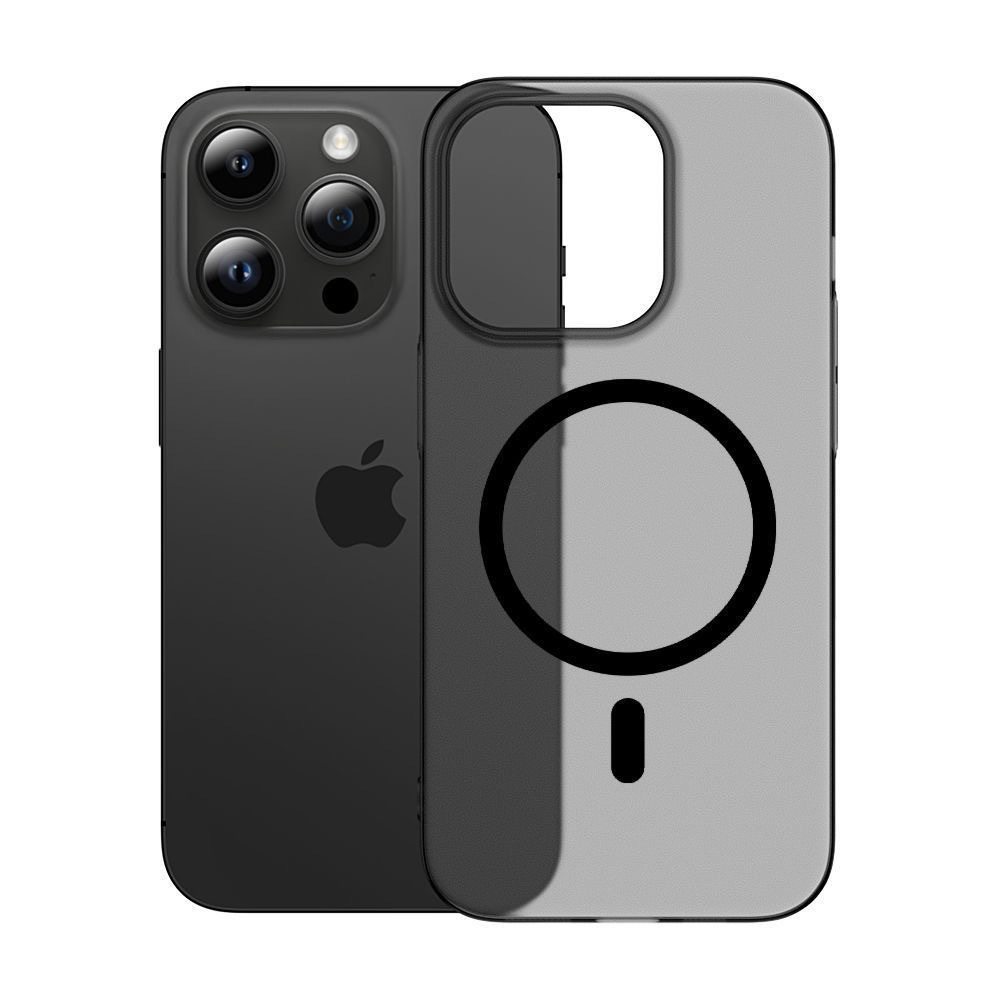
Rapid technological innovations have revolutionized charging phone cases, enhancing their efficiency and functionality. Modern designs incorporate advanced battery technology that allows for faster charging speeds while maintaining a slim profile.
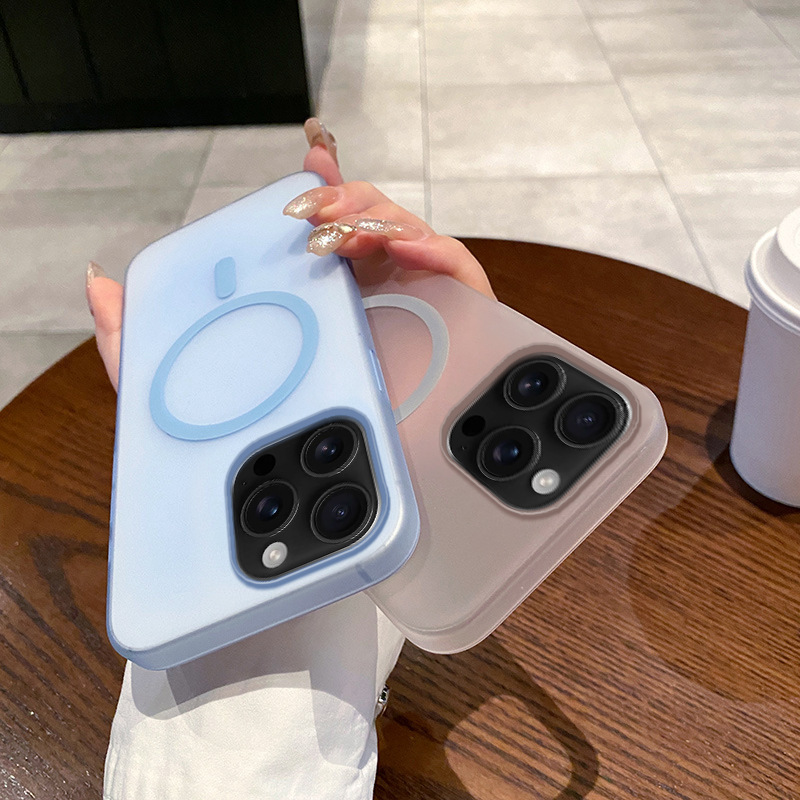
Recent developments in wireless charging standards have further expanded the utility of these cases. Many newer models support wireless charging, enabling users to charge their phones simply by placing them on compatible wireless charging pads. This wireless capability represents a significant advancement, aligning with the broader industry trend toward cable-free ecosystems.
Additionally, improvements in thermal management systems have addressed previous concerns about heat generation during charging processes. Enhanced safety features, including overcharge protection and short-circuit prevention, have also increased consumer confidence in these products.
Types and Features of Charging Phone Cases
Understanding the different types and features available helps consumers make informed purchasing decisions and provides insights for manufacturers developing new products.
Wireless Charging Cases
Wireless charging cases represent the cutting-edge of the market. These cases integrate wireless charging receivers that draw power from standard wireless charging pads. The primary advantage lies in the complete elimination of cables, creating a cleaner and more convenient user experience.
The technology behind wireless charging cases involves electromagnetic induction. When placed on a wireless charger, the case’s built-in coil receives power through an alternating electromagnetic field. This power is then directed to the phone’s battery or the case’s own battery for storage.
Current wireless charging standards, such as Qi, dictate the power transfer capabilities and compatibility of these devices. As the wireless charging infrastructure continues to expand—with more public charging stations appearing in cafes, airports, and hotels—the appeal of wireless charging cases is expected to grow significantly.
Battery-Integrated Cases
Battery-integrated cases are the most common type of charging phone case. These designs incorporate a built-in battery pack that provides additional power to the connected smartphone. The capacity of these batteries varies widely, typically ranging from 2,000mAh to 5,000mAh, offering several hours of extended usage.
Modern battery-integrated cases utilize lithium-polymer batteries, which offer advantages in terms of form factor and energy density. The charging process usually involves connecting the case to a power source via USB, though some advanced models support reverse wireless charging, allowing the case to charge other devices.
The integration of the battery into the phone case design presents challenges related to thickness and weight. Manufacturers continuously innovate to create slimmer profiles without sacrificing battery capacity. The latest models feature sophisticated power management systems that optimize charging efficiency and prolong battery life.
Solar-Charging Cases
Emerging as an environmentally friendly option, solar-charging cases incorporate photovoltaic cells that convert sunlight into electrical energy. While still a niche segment, these cases appeal to outdoor enthusiasts and environmentally conscious consumers.
The technology behind solar-charging cases involves thin-film solar cells applied to the case surface. These cells generate electricity when exposed to light, which can then be used to charge the phone’s battery or a built-in storage battery. The efficiency of solar charging depends on several factors, including light intensity, duration of exposure, and the quality of the solar cells.
Current limitations include relatively slow charging speeds and dependency on environmental conditions. However, advancements in solar cell efficiency and energy storage are gradually improving the practicality of these eco-friendly solutions. As sustainability becomes a more prominent consumer consideration, the market for solar-charging cases is anticipated to experience growth.
Factors Influencing Consumer Purchase Decisions
When evaluating charging phone cases, consumers consider multiple factors beyond basic functionality. These considerations influence brand loyalty and purchasing patterns in the market.
Battery Capacity and Charging Speed
Consumers prioritize battery capacity and charging speed as primary decision criteria. A higher battery capacity generally translates to more extended usage time, though this must be balanced against case thickness and weight. Charging speed, particularly support for fast-charging technologies, is equally critical, especially for users who need to quickly replenish their phone’s battery during urgent situations.
Manufacturers address these needs through advancements in battery chemistry and power management systems. The latest models often highlight compatibility with specific fast-charging protocols, ensuring consumers that their investment will provide noticeable improvements in charging performance.
Compatibility and Device Support
Device compatibility represents a fundamental consideration. With numerous smartphone models and brands available, charging phone cases must clearly specify supported devices. Many manufacturers focus on creating cases for popular smartphone models from brands like Apple, Samsung, and Google, while others develop more universal solutions with adjustable fittings.
The trend toward modular phone cases has also influenced this area. Some charging cases are designed to attach to existing protective cases, expanding their usability across multiple devices. This versatility appeals to consumers who own several devices or prefer not to remove their current phone case.
Design and Ergonomics
Aesthetic design and ergonomic comfort significantly impact purchasing decisions. The phone case serves as an accessory that reflects personal style, so consumers seek options that align with their aesthetic preferences while providing functional benefits.
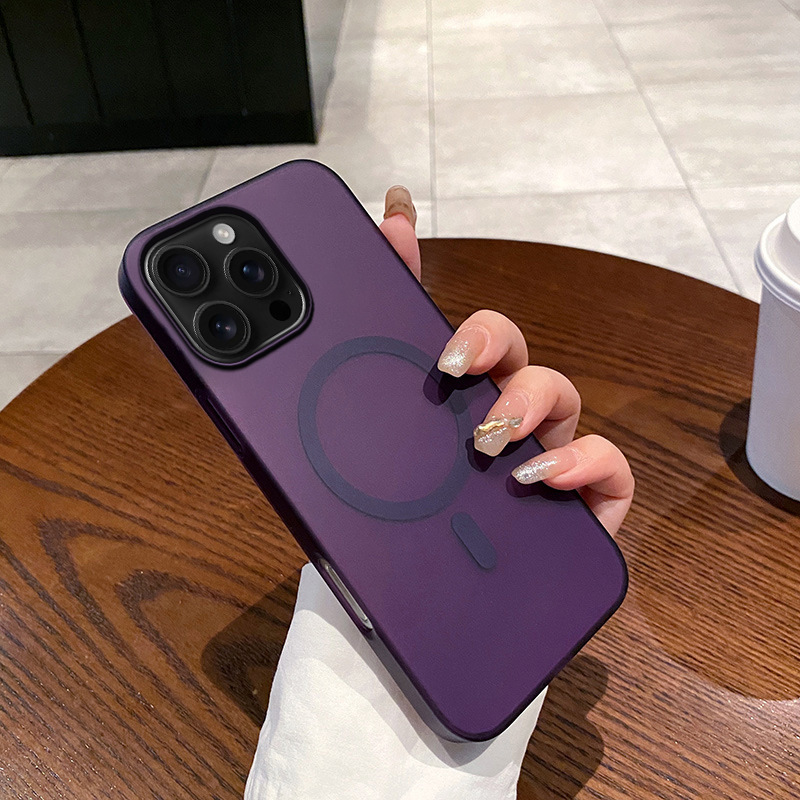
Manufacturers invest in design innovation, offering cases in various colors, materials, and finishes. The integration of fashionable element, such as sleek profiles, premium materials, and distinctive branding, enhances product appeal. Additionally, ergonomic considerations ensure the case remains comfortable to hold and operate, even when the phone is inserted.
Brand Reputation and Price
Brand reputation plays a crucial role in consumer trust, especially in a market with varying product quality. Established brands often command premium pricing but offer assurances of reliability and customer support. Conversely, emerging brands compete through innovative features and more aggressive pricing strategies.
Price sensitivity varies among consumer segments. Value-conscious buyers seek affordable options without compromising on essential functionality, while premium buyers prioritize performance, design, and brand heritage. The market successfully accommodates both ends of the spectrum, with manufacturers offering tiered product lines to meet diverse pricing expectations.
Future Outlook and Industry Innovations
The charging phone case industry continues to evolve, driven by technological advancements and changing consumer preferences.
Integration with Smart Technologies
Future charging phone cases are likely to incorporate smart features, such as battery health monitoring, usage analytics, and integration with smartphone interfaces. These smart capabilities will provide users with detailed insights into their power consumption patterns and optimize charging schedules for longer battery life.
The potential for integration with virtual assistants and smart home ecosystems also presents exciting possibilities. Imagine a charging case that communicates with your smart home system to initiate charging when you leave the house or provides reminders based on your battery level and daily schedule.
Sustainability Initiatives
As environmental concerns grow, the industry is responding with more sustainable manufacturing practices. This includes using recycled materials in case construction, implementing energy-efficient production processes, and developing recycling programs for used charging cases.
Some manufacturers are experimenting with biodegradable materials and carbon-neutral manufacturing, positioning themselves as eco-conscious alternatives in the market. These sustainability efforts not only attract environmentally aware consumers but also prepare businesses for potential regulatory changes regarding electronic waste.
Expansion into New Markets
The charging phone case market is poised for expansion into emerging markets where smartphone penetration is rapidly increasing. As more consumers in developing regions adopt smartphones, the demand for convenient charging solutions will follow a similar growth trajectory.
Manufacturers are developing strategies to address the unique needs of these markets, such as creating more affordable models, partnering with local telecom providers, and establishing regional distribution networks. The adaptation of product features to local consumer preferences will be critical for success in these new frontiers.
Conclusion
The charging phone case market exemplifies how technological innovation responds to evolving consumer needs. By offering convenient, efficient, and increasingly sophisticated charging solutions, manufacturers address the pervasive issue of smartphone battery anxiety. As the technology advances and sustainability becomes more integrated into product development, charging phone cases will continue to enhance user experiences and maintain their relevance in our connected world. The competitive landscape encourages continuous improvement, ensuring consumers benefit from more capable, aesthetically pleasing, and environmentally friendly options in the future.
How to Purchase:https://looperbuy.com/search?keywords=charging+phone+case
Related Questions & Answers
· What should I consider when selecting a charging phone case for my smartphone?
When selecting a charging phone case, consider your smartphone model’s compatibility, required battery capacity based on your usage patterns, charging speed capabilities (including fast-charging support), case design and thickness, and additional features like wireless charging or solar power options. Also, evaluate the brand’s reputation for quality and customer support to ensure reliability and longevity of the product.
· How do wireless charging cases work, and are they compatible with all wireless chargers?
Wireless charging cases utilize electromagnetic induction technology to receive power from wireless charging pads. They are compatible with standard wireless chargers that follow the same charging protocol (usually Qi). However, always verify compatibility with your specific phone model and wireless charger specifications to ensure optimal performance.
· What are the advantages of solar-charging cases over traditional battery cases?
Solar-charging cases offer environmental benefits by utilizing renewable energy sources. They are ideal for outdoor enthusiasts who may not have regular access to power outlets. While charging speeds may be slower than traditional methods, they provide a sustainable charging option that aligns with eco-conscious values and reduces reliance on grid electricity.
· Can charging phone cases damage my smartphone’s battery over time?
Modern charging phone cases incorporate advanced power management systems designed to protect your smartphone’s battery. Features like overcharge protection and temperature monitoring prevent issues that could negatively impact battery health. However, it’s advisable to choose reputable brands with verified safety certifications to minimize any potential risks.
· Are charging phone cases worth the investment compared to separate power banks?
Charging phone cases offer convenience by combining protection and power in a single accessory, eliminating the need to carry separate items. They are particularly advantageous for users who prefer minimalist setups or frequently forget chargers and power banks. While initial costs may be higher than some power banks, the long-term value lies in their always-available convenience and integration into your daily routine.
Hot Tags: Wireless Charging Technology; Solar-Powered Phone Cases; Extended Battery Life Solutions; Fast-Charging Phone Accessories; Smart Charging Cases; Eco-Friendly Phone Technology; Portable Power Bank Cases; Modular Phone Case Systems; Charging Case Compatibility